How to Transfer Your Vehicle RC When Selling or Buying a Used Car
Learn the complete process to transfer your Vehicle RC when selling or buying a used car. Follow our easy step-by-step guide
How to Transfer Your Vehicle RC When Selling or Buying a Used Car
When buying or selling a used car, one of the most crucial steps in the process is transferring the Vehicle Registration Certificate (RC) to the new owner’s name. This process ensures that the vehicle’s ownership records are officially updated and that the new owner is legally recognized as the vehicle owner.
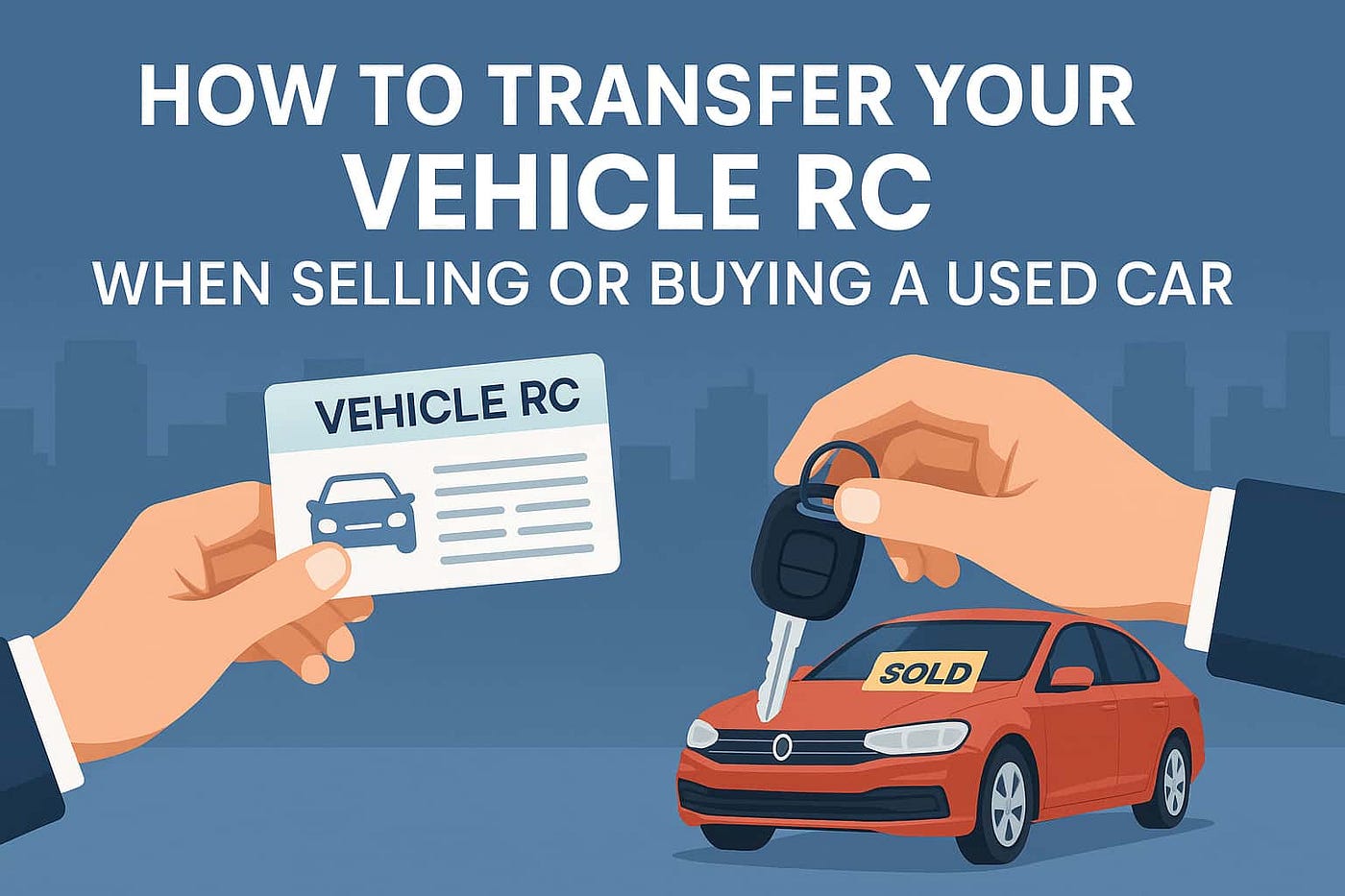
In India, the Regional Transport Office (RTO) manages the entire vehicle registration process. Whether you’re selling a car or buying a second-hand vehicle, understanding how to transfer the RC will save you from future legal and financial complications. In this blog, we’ll walk you through the entire RC transfer process for both buyers and sellers.
What is RC Transfer?
RC Transfer refers to the process of transferring the ownership of a vehicle from one person to another. This is a mandatory step when selling a used car. It legally updates the RTO’s records to reflect the new owner. The RC transfer process involves submitting specific documents, paying fees, and completing required forms at the RTO.
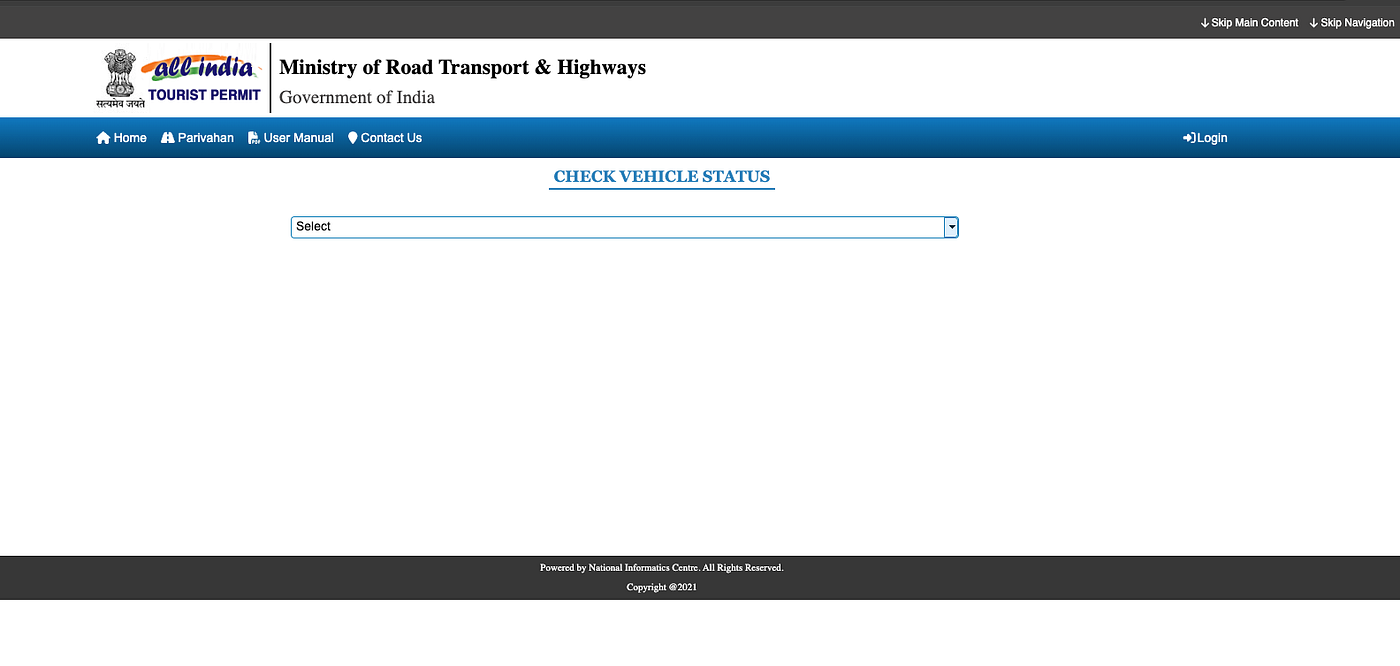
Check Your RC Details Online using Vehicleinfo.
Steps to Transfer RC for Sellers
If you’re selling a used car, you are responsible for initiating the RC transfer process. Here’s how you can do it:
1. Notify the Buyer
As a seller, the first step is to inform the buyer about the RC transfer process. Ensure that the buyer is aware of the necessary documents and steps involved.
2. Prepare Required Documents
Before heading to the RTO, gather the following documents:
- Original RC Book
- **Form 29** (Notice of Transfer of Ownership)
- **Form 30** (Application for Transfer of Ownership)
- Proof of Sale (Invoice or Sale Agreement)
- Insurance Certificate
- Pollution Under Control (PUC) Certificate
- Address Proof of Buyer (Aadhar, Passport, Voter ID)
- Identity Proof of Buyer (Aadhar, Passport, Voter ID)
3. Submit the Forms at the RTO
Once you have all the necessary documents, visit your local RTO. Submit Form 29 and Form 30, along with the required documents. The RTO will verify the details and initiate the process of transferring ownership.
4. Pay the Transfer Fees
You’ll need to pay a transfer fee at the RTO. The exact fee varies depending on the vehicle’s type, state, and RTO. Generally, the fee ranges from ₹150 to ₹500. Ensure that you keep the receipt for future reference.
5. No Objection Certificate (NOC) for Outstation Transfers
If you’re selling the vehicle to someone who lives in a different state, you’ll need to get an NOC (No Objection Certificate) from the current RTO. This is required to ensure that no dues are pending in the previous state.
6. Hand Over the Documents to the Buyer
After completing the transfer process, hand over the RC book, insurance certificate, and other relevant documents to the buyer. These will serve as proof of the vehicle’s ownership transfer.
Steps to Transfer RC for Buyers
When you’re buying a used car, you must ensure that the RC transfer is completed in your name. Here’s how to proceed:
1. Verify the Documents
Before making the final payment, check the vehicle’s RC and ensure that it matches the seller’s details. Make sure the RC is original, and that the seller is the registered owner. You can use the Vehicleinfo app to verify the RC details online to avoid any fraudulent activities.
2. Submit the Documents at the RTO
After receiving the signed Form 29 and Form 30 from the seller, submit these documents to the RTO, along with the following:
- Address Proof
- Identity Proof
- Insurance Copy
- PUC Certificate
- Passport-size Photographs
The RTO will verify these details and process the ownership transfer.
3. Pay the Transfer Fees
You’ll also need to pay the applicable transfer fees at the RTO. The transfer fee depends on the vehicle type and location.
4. Get the Updated RC
After processing the transfer, the RTO will issue a new RC in your name. This process can take anywhere from a few days to a few weeks, depending on the state.
5. Update the Vehicle Insurance
Once the RC has been transferred to your name, update the insurance policy to reflect your ownership. This ensures that you’re covered in case of any accident or damage.
Common Mistakes to Avoid During RC Transfer
While transferring your RC, there are a few common mistakes you should avoid:
- Incomplete Documentation: Always ensure that you have all the required documents before submitting them at the RTO. Missing documents can delay the process.
- Not Verifying the RC Details: It’s crucial to verify the RC before buying a used vehicle to avoid buying a stolen or legally problematic car.
- Ignoring Transfer Fees: Make sure you understand the transfer fees and don’t skip this step. Failure to pay the fees can cause delays in processing.
- Not Applying for NOC: If the vehicle is registered in another state, don’t forget to get the No Objection Certificate (NOC) from the RTO.
Why is RC Transfer Important?
RC transfer is essential for the following reasons:
- Legal Ownership: Without the RC transfer, you cannot legally claim ownership of the vehicle. The previous owner’s name will remain on the records, which can cause problems in case of accidents or legal disputes.
- Clear Liability: The RC transfer ensures that you are not held liable for fines, taxes, or penalties associated with the vehicle before it was transferred to your name.
- Insurance: Proper RC transfer ensures that your vehicle insurance is valid under your name.
Conclusion
Transferring the RC when buying or selling a used car is a crucial step to avoid future legal complications. By following the proper process and gathering the right documents, both buyers and sellers can ensure a smooth transfer of ownership.
If you’re unsure about the RC details or the status of your vehicle’s registration, you can always check online using platforms like **Vehicleinfo** for information. Understanding and completing the RC transfer process will protect your interests and ensure that your vehicle’s ownership is recorded legally.
For more details on how to check and verify vehicle registration details, or if you need help with the RC transfer process, visit our comprehensive guides on Vehicle Registration & RC Services.
메타데이터
- post_id
- c1acd0f45b3f
- slug
- how-to-transfer-your-vehicle-rc-when-selling-or-buying-a-used-car-c1acd0f45b3f
- url
- https://medium.com/@Vehicleinfo/how-to-transfer-your-vehicle-rc-when-selling-or-buying-a-used-car-c1acd0f45b3f
- canonical_url
- https://medium.com/@Vehicleinfo/how-to-transfer-your-vehicle-rc-when-selling-or-buying-a-used-car-c1acd0f45b3f
- author_url
- https://medium.com/@Vehicleinfo
- status
- ok
- fetched_at
- 2026-08-08 07:49:59