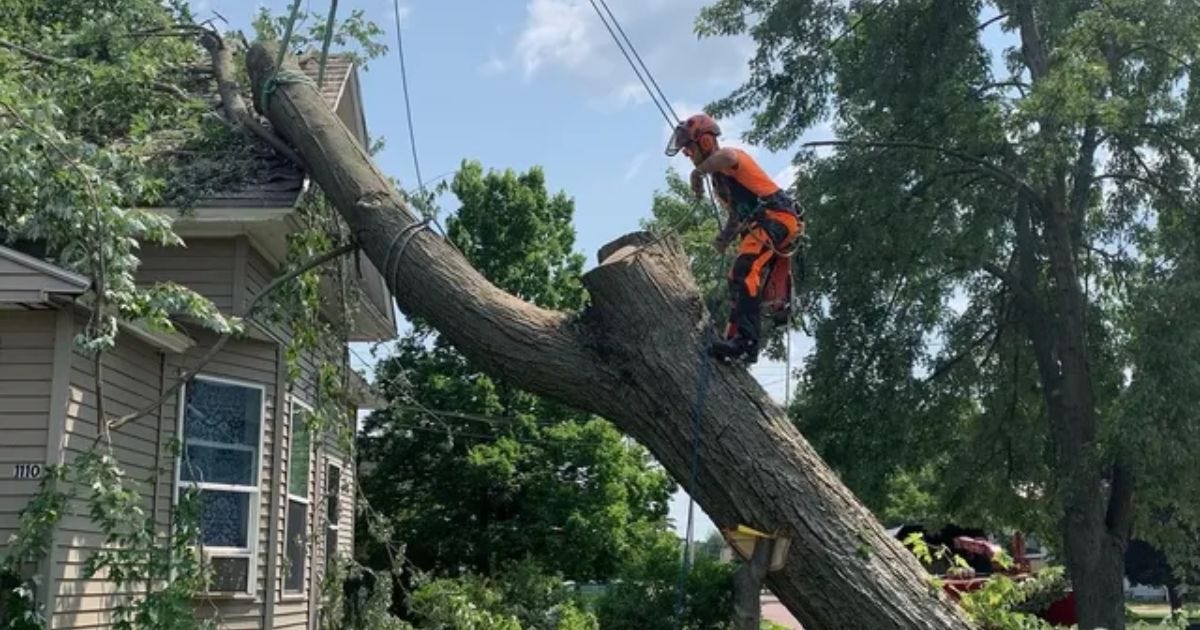
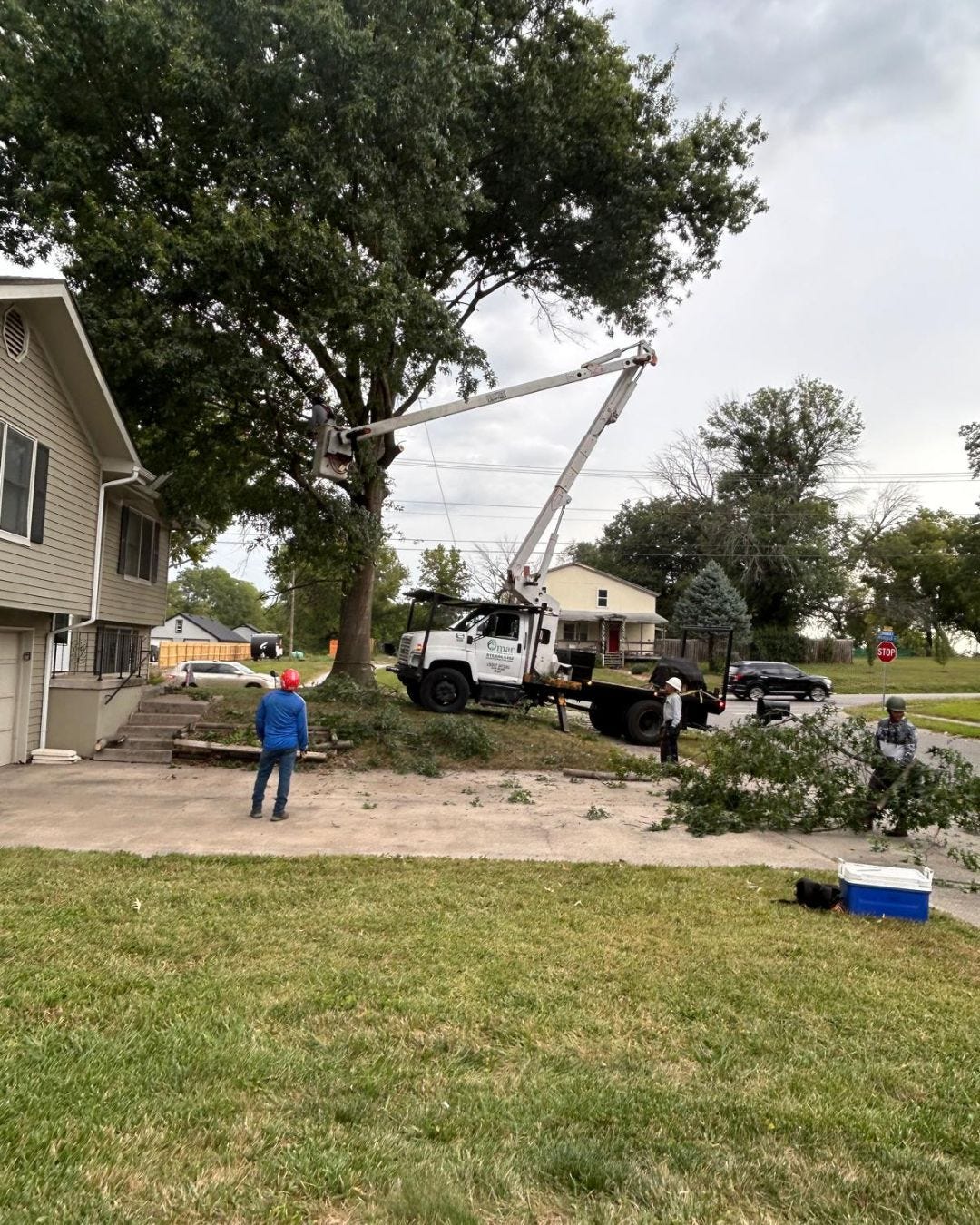
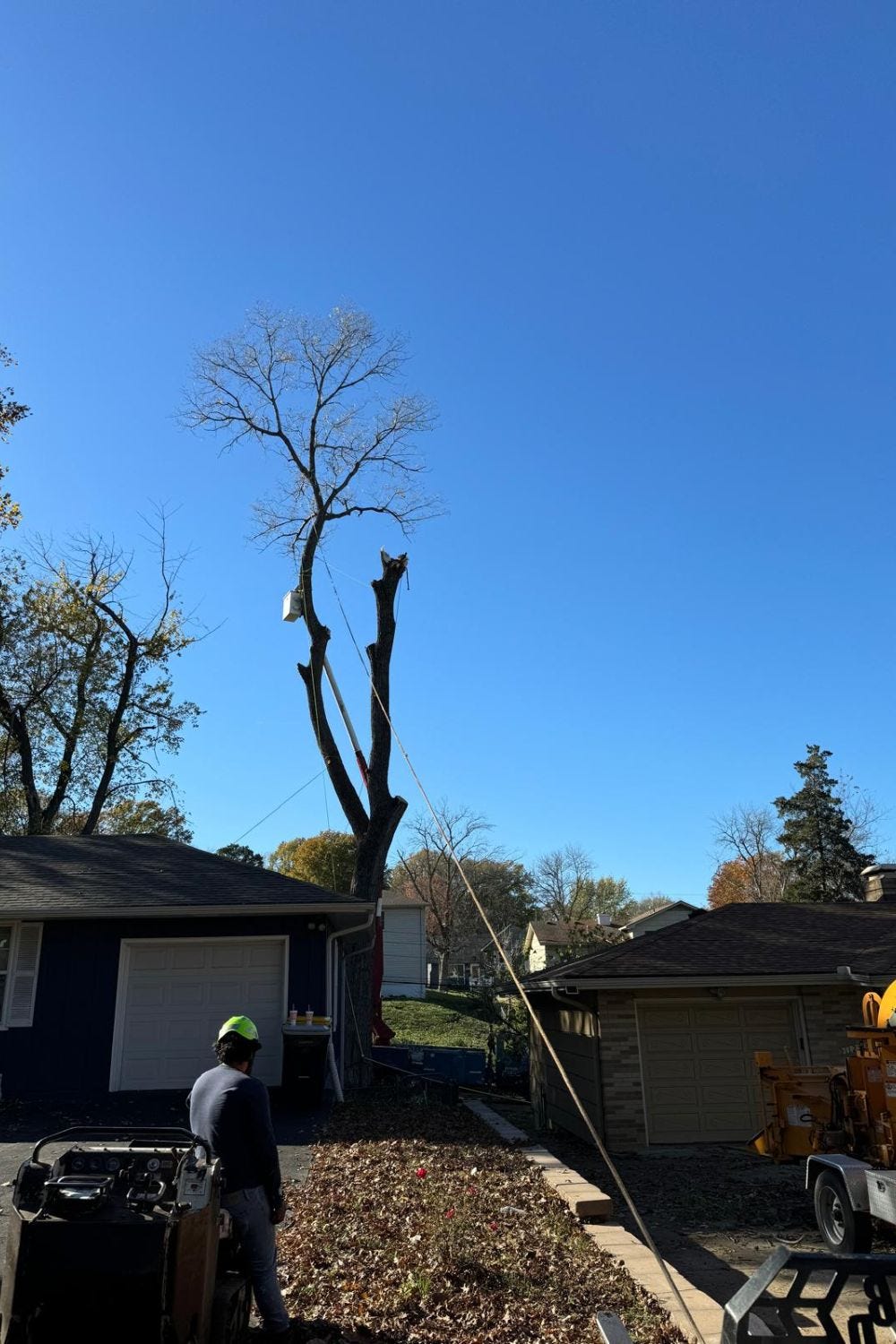
Tree Removal Kansas City: Protecting Your Home and Family from Hazardous Trees
A tree can be one of the most valuable parts of a Kansas City property. It gives shade, improves curb appeal, protects the landscape, and…
Tree Removal Kansas City: Protecting Your Home and Family from Hazardous Trees
A tree can be one of the most valuable parts of a Kansas City property. It gives shade, improves curb appeal, protects the landscape, and makes a yard feel established. But when a tree becomes dead, diseased, unstable, storm-damaged, or too close to the home, it can become a serious safety risk.
That is why Tree Removal Kansas City: Protecting Your Home and Family is an important topic for local homeowners. Tree removal is not just about clearing space. In many cases, it is about preventing roof damage, avoiding falling limbs, reducing storm risk, protecting children and pets, and keeping the property safe.
Kansas City homeowners deal with Missouri weather conditions that can be hard on trees. Strong wind storms, ice storms, heavy rain, saturated soil, summer heat, and sudden seasonal changes can weaken trees over time. A tree that looked fine last year may now have dead branches, root damage, trunk decay, or structural weakness.
**Omar Tree Services LLC provides professional[ tree removal](https://omartreeservice.com/tree-removal/), tree service, tree trimming, [tree pruning](https://omartreeservice.com/tree-pruning-kansas-city/), arborist services, emergency tree service, [stump grinding](https://omartreeservice.com/stump-grinding-kansas-city/), [storm damage cleanup](https://omartreeservice.com/storm-clean-up-service-kansas-city/)**, and tree health assessments throughout Kansas City, MO, and surrounding communities. With 30 years of experience, licensed and insured service, professional equipment, and local Kansas City expertise, the team helps homeowners protect what matters most.
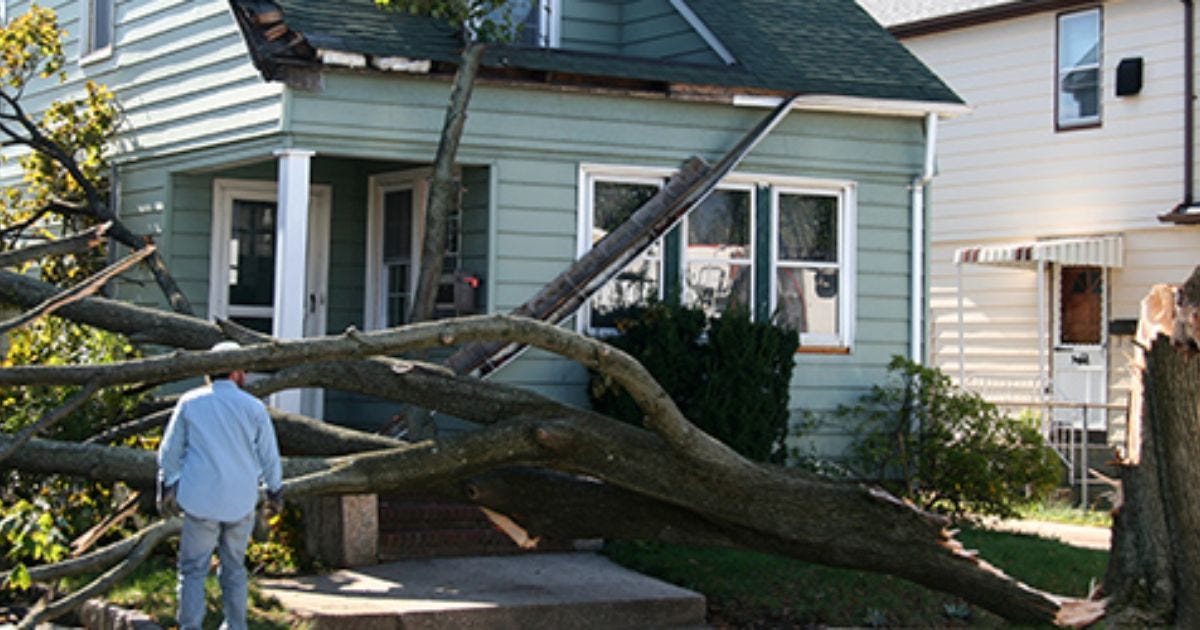
Why Tree Removal Matters for Kansas City Homeowners
Tree removal is sometimes the safest decision a homeowner can make. While healthy trees should be preserved whenever possible, hazardous trees should not be ignored.
A dangerous tree can threaten:
Roofs Gutters Siding Windows Garages Fences Driveways Vehicles Sidewalks Outdoor living spaces Neighboring properties Children and pets Utility areas
Kansas City has many mature residential neighborhoods, including Brookside, Waldo, Hyde Park, North Kansas City, Raytown, Independence, Gladstone, Liberty, Lee’s Summit, Prairie Village, Mission, and surrounding communities. Many homes in these areas have large, older trees growing close to structures.
When those trees are healthy, they are valuable. When they decline, they can become expensive and dangerous.
Professional tree removal Kansas City homeowners can trust helps eliminate serious risks before the next storm exposes the problem.
When Tree Removal Becomes Necessary
Tree removal should not be the first answer for every tree problem. Many trees can be improved with tree trimming, pruning, maintenance, or a tree health assessment. But some trees are too damaged, diseased, dead, or unstable to remain safely on the property.
Tree removal may become necessary when:
The tree is dead The tree is dying The trunk is hollow Large limbs are dead The tree is leaning dangerously Roots are damaged or lifting The tree has severe storm damage The tree is diseased beyond recovery The tree is too close to the home Branches are threatening the roof The tree is damaging a fence, driveway, or structure The tree has split or cracked The tree is blocking access The tree creates a safety risk for people or property
A professional tree inspection can help determine whether removal is necessary or whether pruning can solve the problem.
Common Signs a Tree May Be Dangerous
Homeowners often wait until a tree falls or a large limb breaks before calling for help. But dangerous trees usually show warning signs first.
Dead Branches
Dead branches are one of the most common warning signs. They may look dry, brittle, cracked, gray, or leafless while the rest of the tree still has foliage.
Dead limbs can fall during wind, rain, or ice. If dead branches are over your roof, driveway, sidewalk, patio, garage, or children’s play area, the tree should be inspected quickly.
Leaning Tree
A tree that has leaned for years may not always be urgent. But a new or worsening lean is a serious concern.
Warning signs include:
Soil lifting around the base Exposed roots Cracks in the ground A lean toward the house A lean toward a driveway or street Movement during wind Recent storm damage Saturated soil after heavy rain
A leaning tree may have root failure, trunk damage, or structural instability.
Cracked or Split Trunk
Cracks, splits, and large trunk wounds can weaken the tree. A split trunk is especially concerning when the tree is large, mature, or close to the home.
If the trunk has separated or a main stem is splitting away, professional tree service is needed.
Hollow or Decayed Areas
A hollow tree may still have some life, but internal decay can reduce structural strength. Soft wood, cavities, fungal growth, or large open wounds are signs that the tree may be compromised.
Root Damage
Roots anchor the tree. When roots are damaged, the whole tree can become unstable.
Root problems may show up as:
Exposed roots Soil lifting Mushrooms near the base Sudden leaning Canopy thinning Dead limbs on one side Cracks around the root zone Recent digging or construction near the tree
Root damage is especially serious after heavy rain or storms.
Disease Symptoms
Diseased trees may show:
Peeling bark Fungal growth Discolored leaves Early leaf drop Dead branches Thinning canopy Soft wood Cankers Insect holes Sawdust-like material Branch dieback
A diseased tree does not always need removal, but if the disease has weakened the trunk, roots, or major limbs, removal may be the safest option.
Storm Damage
Kansas City storms can turn a weak tree into an urgent hazard. After severe weather, watch for:
Broken limbs Hanging branches Split trunks Uprooted trees Trees leaning after wind Branches resting on roofs Limbs tangled in other trees Trees blocking driveways Branches near utility lines
Storm-damaged trees should be inspected before homeowners attempt cleanup.
How Tree Removal Protects Your Home
A hazardous tree can damage a home in several ways. Tree removal protects the structure by removing the risk before failure occurs.
Roof Protection
Branches hanging over the roof can scrape shingles, damage gutters, clog drainage, and break during storms. A large limb falling on a roof can cause major damage.
Removing a dangerous tree near the roof can prevent expensive repairs.
Foundation and Structure Protection
Some trees grow too close to homes, garages, retaining walls, or foundations. Depending on the situation, roots, trunk growth, or repeated limb contact may create long-term problems.
A professional tree service can evaluate whether removal is necessary or whether trimming and pruning are enough.
Fence and Driveway Protection
Large limbs can crush fences, block driveways, or damage vehicles. A tree leaning toward a driveway or parking area is especially concerning.
Tree removal helps prevent blocked access and property damage.
Storm Damage Prevention
Kansas City wind storms and ice storms often expose existing tree weaknesses. Dead limbs, diseased branches, poor structure, and root damage can all lead to failure.
Removing a hazardous tree before storm season can reduce emergency risk.
How Tree Removal Protects Your Family
Property damage is serious, but family safety matters most.
Hazardous trees can threaten:
Children playing in the yard Pets outside Family members walking to the car Guests using the sidewalk Neighbors nearby People sitting on patios or decks
A dead limb can fall without warning. A leaning tree can fail after heavy rain. A cracked trunk can split during wind. A storm-damaged tree can shift suddenly.
Professional tree removal helps remove these risks before someone gets hurt.
Homeowners should be especially careful when dangerous trees are near:
Play areas Patios Decks Driveways Front walkways Sidewalks Outdoor seating areas Bedroom windows Neighboring homes
Tree safety is not something to guess about. When a tree looks questionable, schedule a professional inspection.
Tree Removal vs Tree Trimming: How to Know the Difference
Not every problem requires removal. Sometimes tree trimming or pruning is the better solution.
Tree Trimming
Tree trimming is usually recommended when the tree is healthy but overgrown.
Tree trimming may help when:
Branches touch the roof Limbs block sunlight Branches hang over the driveway The canopy looks overgrown Limbs scrape siding Branches interfere with walkways Trees need better clearance
Tree trimming in Kansas City is common for residential properties with mature trees close to homes.
Tree Pruning
Tree pruning is more focused on health, safety, and structure.
Tree pruning may help when:
Dead branches are present Branches are crossing Weak limbs need removal Storm-damaged limbs can be corrected The tree needs better structure Diseased limbs are limited The tree can recover safely
Tree Removal
Tree removal is necessary when the tree cannot be made safe through trimming or pruning.
Tree removal may be needed when:
The tree is dead The tree is severely diseased The tree is unstable The trunk is split Roots are failing The tree is leaning dangerously The tree threatens the home The tree is damaged beyond recovery
Omar Tree Services LLC can inspect the tree and explain whether trimming, pruning, removal, or a tree health assessment is the right choice.
Emergency Tree Removal After Storms
Emergency tree removal is needed when a tree creates immediate danger after severe weather.
Common emergencies include:
A tree falls on a house A tree blocks the driveway A large limb hangs over the roof A tree leans toward the home A trunk splits after high winds Branches fall on vehicles A tree damages a fence or garage Storm debris blocks access A tree is tangled near utility lines
After a storm, homeowners should stay away from damaged trees until they are inspected. Broken limbs may be under pressure. A leaning tree may shift. A cracked trunk may split further. Wet ground may make roots unstable.
Do not attempt to remove large storm-damaged limbs yourself, especially if they are overhead, near a structure, or close to power lines.
Omar Tree Services LLC provides emergency tree service and storm damage cleanup for Kansas City homeowners who need fast, professional help after severe weather.
The Role of Arborist Services Before Tree Removal
Arborist services are valuable when a homeowner is unsure whether a tree should be removed.
A professional tree health assessment can help determine:
Is the tree dead or still recoverable? Is disease present? Is the trunk structurally sound? Are the roots stable? Can pruning reduce the risk? Is removal necessary? Will the tree become dangerous during storms? Are nearby trees also at risk?
This matters because removing a healthy tree unnecessarily is costly, but keeping a hazardous tree can be dangerous.
An arborist Kansas City homeowners can trust will look at the whole tree, including the canopy, trunk, roots, surrounding soil, branch structure, and property risk.
Stump Grinding After Tree Removal
After a tree is removed, homeowners often need stump grinding.
Leaving a stump behind can create problems such as:
Trip hazards Poor curb appeal Difficult mowing Insect activity Fungal growth Unwanted sprouts Obstacles for landscaping Problems with future planting
Stump grinding removes the visible stump below ground level, creating a cleaner and safer yard.
For Kansas City homeowners who want the property to look finished after tree removal, stump grinding is usually a smart option.
How Regular Tree Maintenance Reduces Removal Risk
Regular tree maintenance can help reduce the chance of unexpected tree removal.
Tree maintenance may include:
Tree inspection Tree trimming Tree pruning Dead branch removal Tree health assessments Storm damage cleanup Disease monitoring Root zone observation Hazardous tree evaluation
By identifying problems early, homeowners may be able to save trees that would otherwise decline.
For example, removing dead branches before storm season can reduce the risk of limb failure. Corrective pruning can improve tree structure. A health assessment can identify disease before it spreads. Trimming overgrown branches can protect the roof and siding.
Regular maintenance is especially important for mature trees in Kansas City neighborhoods.
What to Expect During Professional Tree Removal
A professional tree removal visit should be organized, safe, and clearly explained.
1. Property Inspection
The crew inspects the tree, nearby structures, access points, fences, driveway, utilities, and possible hazards.
2. Tree Risk Assessment
The tree is evaluated for lean, decay, root damage, dead limbs, storm damage, trunk cracks, and overall stability.
3. Removal Plan
The crew determines the safest removal method. Large trees may need to be removed in sections instead of cut down at once.
4. Safety Setup
Work zones are established to protect people, structures, vehicles, and landscaping.
5. Controlled Tree Removal
The tree is cut carefully using professional equipment, ropes, rigging, and safe cutting methods when needed.
6. Debris Handling
Branches, logs, and brush are removed or handled according to the estimate.
7. Stump Grinding Option
If included, stump grinding is completed to remove the visible stump and clean up the area.
8. Final Cleanup
The property is checked for remaining hazards and cleaned according to the agreed scope.
Safety Risks of DIY Tree Removal
DIY tree removal can be extremely dangerous.
Homeowners should not attempt tree removal when:
The tree is large The tree is leaning The tree is dead The tree is near a house The tree is near power lines The trunk is split Storm damage is present The tree is close to a fence or vehicle Chainsaw work requires a ladder Branches are hanging overhead The tree may fall unpredictably
Tree removal requires understanding weight, balance, gravity, cutting pressure, equipment, and escape routes. A mistake can cause serious injury or major property damage.
Large limbs can weigh hundreds or thousands of pounds. Storm-damaged branches can twist, snap, or shift suddenly. Dead trees can break apart during cutting. Leaning trees can fall in the wrong direction.
Hiring a professional tree removal company is the safest choice for hazardous trees.
Why Homeowners Trust Omar Tree Services LLC
Kansas City homeowners trust Omar Tree Services LLC because the company brings experience, safety, and local knowledge to every job.
Omar Tree Services LLC provides:
Tree removal Tree service Tree trimming Tree pruning Arborist services Emergency tree service Stump grinding Storm damage cleanup Tree health assessments
Homeowners choose Omar Tree Services LLC because of:
30 years of experience Licensed and insured service Local Kansas City expertise Professional equipment Reliable customer service Strong focus on safety Fast response times Residential tree care experience
Tree removal is serious work. It should be handled by professionals who understand how to protect the home, yard, family, and surrounding property.
With 30 years of hands-on experience, Omar Tree Services LLC helps Kansas City homeowners remove hazardous trees safely and confidently.
Frequently Asked Questions
When should a tree be removed?
A tree should be removed when it is dead, severely diseased, structurally unstable, leaning dangerously, split, hollow, uprooted, storm-damaged beyond recovery, or threatening your home, family, driveway, fence, or nearby structures.
How do I know if a tree is dangerous?
Warning signs include dead branches, sudden leaning, trunk cracks, fungal growth, root damage, hollow areas, disease symptoms, hanging limbs, storm damage, or branches over your roof or driveway.
Can a tree be saved instead of removed?
Sometimes. A tree may be saved with pruning, trimming, structural care, or a tree health assessment if the roots, trunk, and canopy are still stable. A professional inspection can confirm the best option.
Is tree removal dangerous?
Yes. Tree removal is dangerous, especially when the tree is large, dead, leaning, storm-damaged, or near a home, fence, vehicle, or power line. Professional equipment and experience are important for safe removal.
Should I remove a tree close to my house?
Not always. Some trees near homes can be managed with trimming or pruning. But if the tree is damaging the roof, leaning toward the home, has root problems, or shows decay, removal may be necessary.
What happens to the stump after tree removal?
The stump can remain, or it can be removed through stump grinding. Stump grinding is often recommended because it improves curb appeal, reduces trip hazards, and makes the yard easier to maintain.
Do I need emergency tree removal after a storm?
You may need emergency tree removal if a tree falls on your home, blocks your driveway, leans toward your house, has hanging limbs, splits at the trunk, or creates an immediate safety risk.
Is dead tree removal urgent?
Yes, dead trees become more brittle and dangerous over time. A dead tree can drop limbs or fall without warning, especially during Kansas City wind storms or ice storms.
Does Omar Tree Services LLC provide tree removal in Kansas City?
Yes. Omar Tree Services LLC provides tree removal, emergency tree service, tree trimming, tree pruning, stump grinding, storm damage cleanup, arborist services, and tree health assessments in Kansas City, MO, and surrounding communities.
How can I reduce future tree removal needs?
Schedule regular tree inspections, remove dead branches, trim overgrown limbs, prune weak branches, monitor disease symptoms, and address storm damage early. Regular tree maintenance can help preserve healthy trees and reduce risk.
Conclusion
Tree Removal Kansas City: Protecting Your Home and Family is about more than removing a tree from your yard. It is about making the property safer, preventing storm damage, protecting your roof and driveway, and reducing risk for your family.
A tree may need removal when it is dead, diseased, leaning, split, hollow, root-damaged, storm-damaged, or too close to the home. Kansas City homeowners should not wait until a hazardous tree falls to take action.
Omar Tree Services LLC provides professional tree removal, tree service, tree trimming, tree pruning, arborist services, emergency tree service, stump grinding, storm damage cleanup, and tree health assessments throughout Kansas City, MO, and surrounding communities.
With 30 years of experience, licensed and insured service, professional equipment, local Kansas City expertise, reliable customer service, and a strong focus on safety, Omar Tree Services LLC helps homeowners protect their homes, families, and landscapes.
Call Omar Tree Services LLC today to schedule professional tree removal or a tree health assessment in Kansas City.
Omar Tree Services LLC
3020 Bellaire Ave, Kansas City, MO 64129, United States
+18166946352
Get Directions From Google Maps
[embed]
메타데이터
- post_id
- c1ccb64fba86
- slug
- tree-removal-kansas-city-protecting-your-home-and-family-from-hazardous-trees-c1ccb64fba86
- url
- https://medium.com/@omartreeservice75/tree-removal-kansas-city-protecting-your-home-and-family-from-hazardous-trees-c1ccb64fba86
- canonical_url
- https://medium.com/@omartreeservice75/tree-removal-kansas-city-protecting-your-home-and-family-from-hazardous-trees-c1ccb64fba86
- author_url
- https://medium.com/@omartreeservice75
- status
- ok
- fetched_at
- 2026-07-15 18:46:35