Early Brain Development in Babies: How the First Two Years Build the Foundation for Growth
When you observe from the outside, your baby’s first two years may seem filled with simple moments — tiny smiles, sleepless nights, first…
Early Brain Development in Babies: How the First Two Years Build the Foundation for Growth
When you observe from the outside, your baby’s first two years may seem filled with simple moments — tiny smiles, sleepless nights, first steps, and endless cuddles.
You may not notice anything more. And so, many parents pause — telling themselves they’ll put in more effort later, when the baby understands better or responds more clearly. Conversations, reading, playtime — these often get postponed for “when it really matters.”
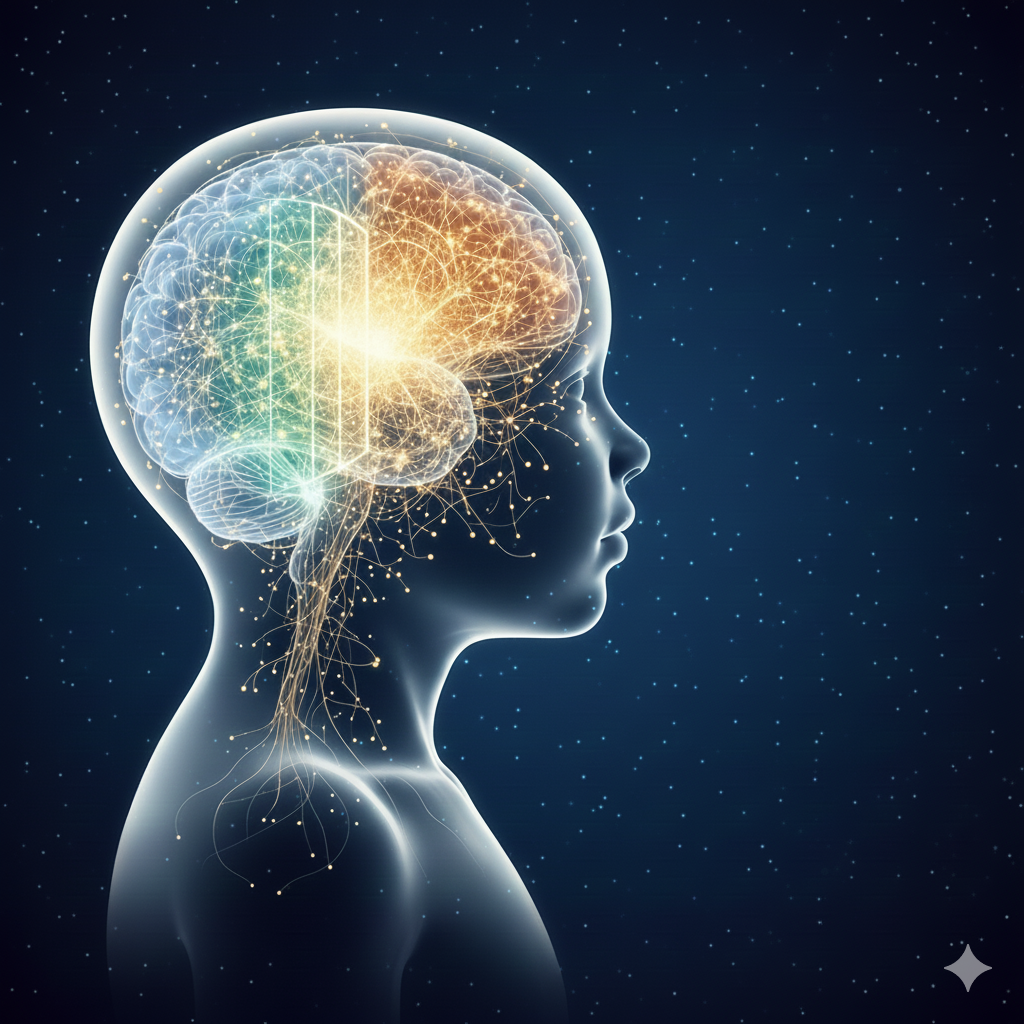
But here’s the problem: many people don’t know that the foundation is already being laid at this very moment. Each interaction that you have today determines the way that your child learns, thinks, and relates tomorrow. Sounds a little confusing?
Well, let’s break it down. Your baby’s brain is growing at a pace that will never be repeated again. In fact, the basic development of the brain during the first two years of life sets the basis for how your child will eventually learn, communicate, control his/her emotions, and interact with the world around them. Even before the child is able to verbalize using complete sentences and solve problems, the brains of these children are developing millions of connections every second of each day — shaped by touch, sound, movement, and human connection. Read through to know why the first two years matter in brain development!
Science Behind Early Brain Development
Science now shows that experiences in these early months influence everything from language and memory to emotional resilience later in life. A newborn’s brain contains nearly 100 billion neurons, but these cells are only the starting point. What truly drives baby brain growth is the formation of connections between neurons, called synapses. In the first two years:
Millions of new neural connections form every second
Sensory experiences shape brain architecture
The brain becomes highly responsive to the environment and relationships
This phase is known as experience-dependent brain development — meaning what your baby sees, hears, touches, and feels actively builds their brain.
Why the First Two Years Are the Fastest Growth Period
By age two, a child’s brain reaches about 80–85% of its adult size. No other period of life matches this speed. Why is this window so powerful?
The brain is highly plastic (flexible and adaptable)
Neural pathways are easier to form and strengthen
Emotional and cognitive foundations are laid down at a very young age
This is why experts affirm that early childhood development has a more influential role regarding lifetime learning, behavior, and emotional control.
What Helps the Brain Grow Best
Contrary to popular belief, brain development isn’t driven by flashcards or screens — it’s fueled by human connection and everyday experiences. Key factors that support healthy brain growth:
Responsive caregiving (talking, comforting, eye contact)
Proper nutrition, especially fats and iron
Adequate sleep for memory consolidation
A safe, low-stress environment
According to pediatric neurology research, emotional security plays just as big a role as stimulation.
Everyday Activities That Boost Brain Connections
You don’t need expensive tools to support your baby’s brain. Simple moments create powerful neural connections. Try these brain development tips for parents:
Talk to your baby throughout the day, even before they respond
Sing songs and read picture books daily
Encourage free movement and floor play
Respond warmly to babbling and gestures
Maintain routines that help babies feel safe
These activities strengthen language, attention, emotional bonding, and problem-solving skills.
What Parents Often Don’t Realize
Many parents don’t realize that:
Emotional experiences shape brain wiring
Stress can disrupt healthy neural growth
Babies learn best through interaction, not instruction
A calm, nurturing environment supports the release of growth-promoting brain chemicals, while chronic stress can slow or alter development.
Common Myths About a Child’s Early Brain Development
Myth 1: Babies need special toys to become and remain smart. ✔ Truth: Human interaction matters much more than any kind of toys Myth 2: Babies won’t remember much, especially early experiences. ✔ Truth: Even if memories aren’t conscious, the brain retains patterns Myth 3: The more stimulation, the better it is for growth. ✔ Truth: Stimulation can overburden a growing child’s brain. Myth 4: Genetic makeup alone determines a baby’s intelligence. ✔ Truth: Both genes and early experience greatly influence the neural architecture.
Myth 5: Emotional care has little impact on cognitive development. ✔ Truth: Secure attachment and regular care directly contribute to healthy development and learning.
Conclusion
The first two years of your child can never be dismissed as “just a stage of development.” Rather, they are the foundation upon which your child’s brain will be nurtured and developed for the rest of their lives. Every cuddle, chat, and calm response you make to your child during the hours of need will build the paths in his/her brain for learning, resilience, and well-being.
Understanding the significance of the first two years of life in early development helps ease parental anxiety about doing everything “right,” while also reinforcing the importance of simply being present. In clinical pediatric neurology perspectives, including those commonly shared by specialists such as Dr. Aman PS Sohal, Pediatric Neurologist, Dubai, early development is driven by responsive care and everyday interactions, as this is how development naturally unfolds in the first place.
Frequently Asked Questions
1.At what rate does a child’s brain grow in the first two years of its life?
The brain cells of the child will develop to 85% of the grown-up size in the first two years and will create brain connections at a rate of a million every other second.” 2. “Grey matter” refers to a kind of tissue or material. Why is it important?
The grey matter includes neuron cell bodies and plays an important role in thinking and regulating movement. 3.How can parents support healthy brain development?
Sensitive care, proper nutrition, sleep, emotional security, and daily interaction 3.Are babies in need of specific toys in order for them to develop their brains?
No. Just simple play, conversation, and human interaction are more effective than any type of specialty toy.
메타데이터
- post_id
- c1e413128ca3
- slug
- early-brain-development-in-babies-how-the-first-two-years-build-the-foundation-for-growth-c1e413128ca3
- url
- https://medium.com/@neurokidsdoc/early-brain-development-in-babies-how-the-first-two-years-build-the-foundation-for-growth-c1e413128ca3
- canonical_url
- https://medium.com/@neurokidsdoc/early-brain-development-in-babies-how-the-first-two-years-build-the-foundation-for-growth-c1e413128ca3
- author_url
- https://medium.com/@neurokidsdoc
- status
- ok
- fetched_at
- 2026-06-26 03:39:16