Escalators, Elevators, and Weak Legs: Are Modern Conveniences Hurting Mobility?
Modern life is designed for convenience. Escalators replace stairs, elevators eliminate climbing, and many daily tasks require less…
Escalators, Elevators, and Weak Legs: Are Modern Conveniences Hurting Mobility?
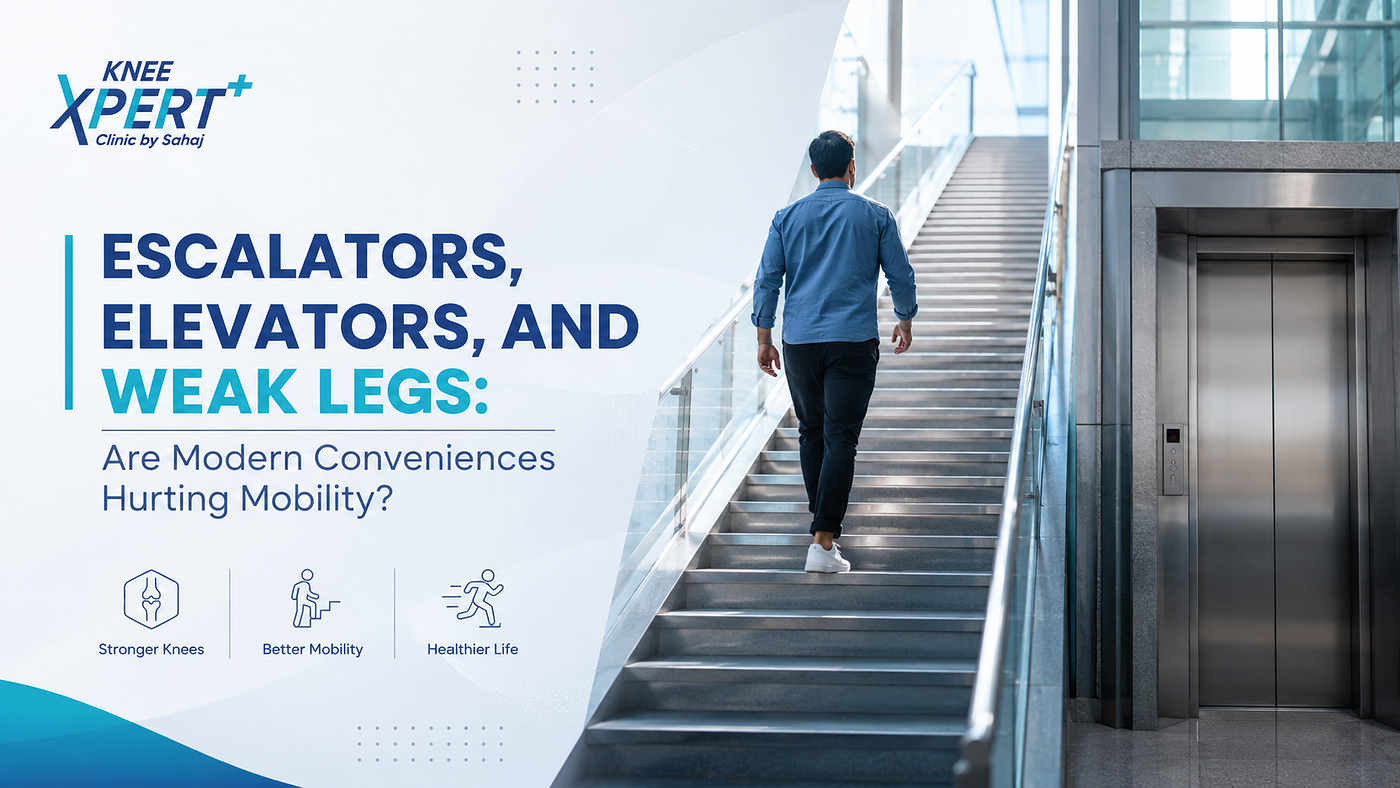
Modern life is designed for convenience. Escalators replace stairs, elevators eliminate climbing, and many daily tasks require less physical effort than ever before. While these innovations save time and improve accessibility, they have also reduced the amount of natural movement people perform throughout the day.
As sedentary lifestyles become increasingly common, healthcare professionals are paying closer attention to the relationship between convenience, muscle weakness, and declining mobility. The question is worth asking: Are modern conveniences contributing to weaker legs and long-term joint problems?
The Human Body Was Designed to Move
The muscles, joints, and bones of the lower body are built for regular activity. Walking, climbing stairs, squatting, and standing up from a seated position help maintain muscle strength, joint stability, and balance.
When these movements are performed consistently, they support healthy knees, hips, and ankles. However, when daily activity decreases, muscles gradually lose strength and endurance. This process can happen slowly and often goes unnoticed until mobility limitations begin to appear.
Reduced movement is one reason why many people seek evaluation for persistent knee pain treatment and other mobility-related concerns.
How Escalators and Elevators Change Daily Activity
Using an escalator or elevator occasionally is not harmful. The concern arises when these options replace nearly all opportunities for physical movement.
Consider a typical office worker:
- Elevator instead of stairs at home
- Elevator at work
- Long periods of sitting during the day
- Vehicle transportation for short distances
- Limited recreational exercise
Individually, these choices seem insignificant. Collectively, they can remove hundreds of stair-climbing movements and thousands of muscle contractions from a person’s weekly routine.
Over months and years, this reduction in activity may contribute to declining lower-body strength.
The Connection Between Weak Leg Muscles and Knee Health
Strong muscles play a critical role in supporting the knee joint. The quadriceps, hamstrings, gluteal muscles, and calf muscles help absorb forces generated during movement.
When these muscles become weak:
- Joint stability may decrease
- Movement patterns may become inefficient
- Stress on knee structures can increase
- Fatigue develops more quickly
- Balance and coordination may decline
Research consistently shows that muscle weakness is associated with a higher risk of mobility limitations and may contribute to the progression of certain knee conditions.
People experiencing difficulty with walking, climbing stairs, or standing from a seated position often benefit from professional assessment at a specialized knee clinic.
Why Mobility Matters Beyond Exercise
Many people assume that going to the gym a few times per week compensates for a sedentary lifestyle. While structured exercise is beneficial, daily movement remains equally important.
Mobility affects:
- Independence in daily life
- Fall prevention
- Joint function
- Muscle maintenance
- Cardiovascular health
- Overall quality of life
Small activities performed repeatedly throughout the day often have a greater cumulative impact than occasional intense workouts.
Choosing stairs when practical, walking short distances, and remaining physically active throughout the day can help preserve functional mobility.
Are Younger Adults Also at Risk?
Mobility decline is often associated with aging, but younger adults are not immune.
Remote work, digital entertainment, food delivery services, and increased screen time have reduced physical activity across all age groups. Many individuals in their twenties and thirties report early symptoms such as:
- Leg fatigue
- Difficulty climbing stairs
- Reduced endurance
- Occasional knee discomfort
- Loss of flexibility
These symptoms may indicate that the body is adapting to prolonged inactivity rather than aging itself.
Addressing movement habits early may help reduce future joint problems and support long-term musculoskeletal health.
The Hidden Cost of Convenience
Modern conveniences offer undeniable benefits, especially for individuals with mobility limitations, injuries, or medical conditions. Elevators and escalators are essential tools that improve accessibility and safety.
The issue is not the technology itself. The problem arises when convenience eliminates nearly all opportunities for physical activity.
When movement becomes optional, many people unknowingly choose less of it.
Over time, the cumulative effect can contribute to weaker muscles, reduced endurance, and decreased mobility.
Practical Ways to Maintain Leg Strength
Improving mobility does not require drastic lifestyle changes.
Simple strategies include:
- Taking stairs when feasible
- Walking during short breaks
- Standing regularly during work hours
- Performing basic strengthening exercises
- Maintaining a healthy body weight
- Participating in regular physical activity
Consistency matters more than intensity. Small daily habits can significantly influence long-term mobility and joint health.
When to Seek Professional Advice
Persistent knee pain, weakness, instability, or difficulty performing everyday activities should not be ignored.
Early evaluation can help identify underlying causes and guide appropriate treatment strategies before mobility limitations become more significant.
Consulting specialists experienced in knee pain treatment can help determine whether symptoms are related to muscle weakness, joint degeneration, injury, or other conditions affecting mobility.
Conclusion
Escalators and elevators are valuable modern conveniences, but they should not completely replace physical movement in everyday life. The human body relies on regular activity to maintain muscle strength, joint function, and mobility.
As daily life becomes increasingly automated, preserving movement becomes a conscious choice. Small actions such as walking more, climbing stairs, and staying active throughout the day can play an important role in maintaining healthy legs and supporting long-term joint health.
메타데이터
- post_id
- c20cba9569cb
- slug
- escalators-elevators-and-weak-legs-are-modern-conveniences-hurting-mobility-c20cba9569cb
- url
- https://medium.com/@kneexpertindia/escalators-elevators-and-weak-legs-are-modern-conveniences-hurting-mobility-c20cba9569cb
- canonical_url
- https://medium.com/@kneexpertindia/escalators-elevators-and-weak-legs-are-modern-conveniences-hurting-mobility-c20cba9569cb
- author_url
- https://medium.com/@kneexpertindia
- status
- ok
- fetched_at
- 2026-06-09 15:37:30