Christmas Strikes, Civic Space, and Nigeria’s Place at the G20.
On U.S. airstrike hit northwestern Nigeria on Christmas Day.
Christmas Strikes, Civic Space, and Nigeria’s Place at the G20.
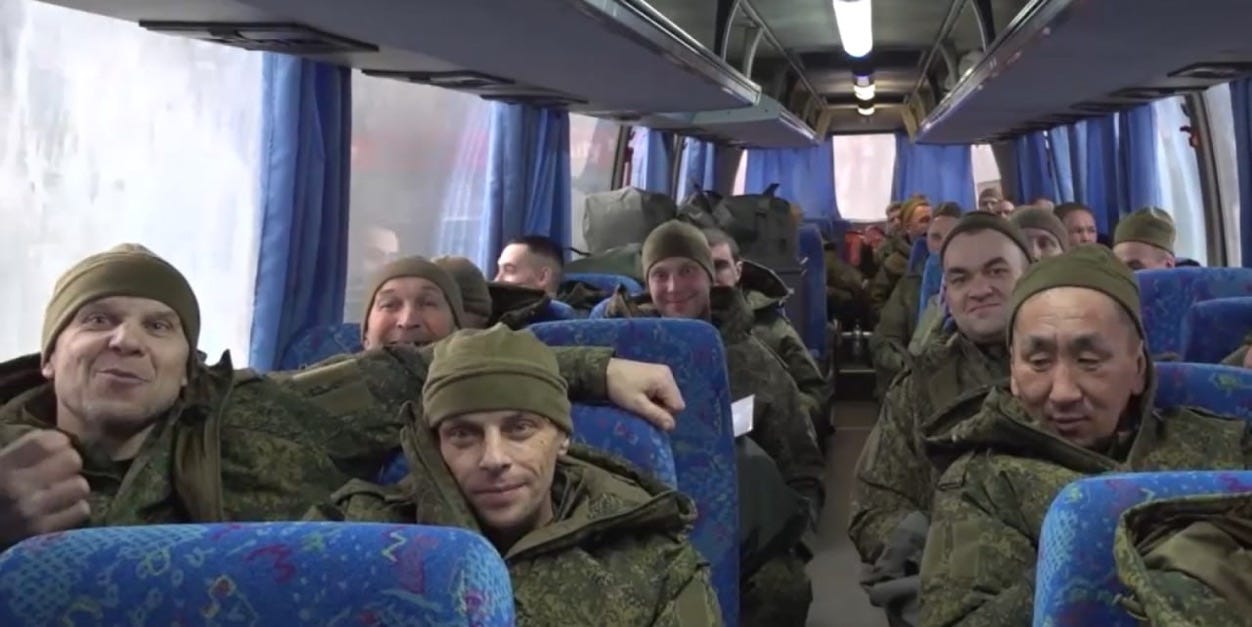
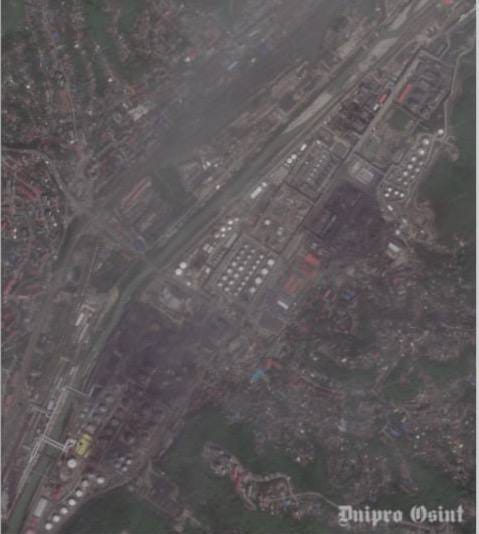
A U.S. airstrike hit northwestern (Sokoto State) Nigeria on Christmas Day. While framed as counterterrorism operations, the timing is strategic. Public holidays are periods of reduced scrutiny, slowed institutional response, and muted public debate. In security governance, timing is rarely accidental. Conducting or revealing a strike on such a day signals that domestic oversight is secondary (Reuters, 2025).
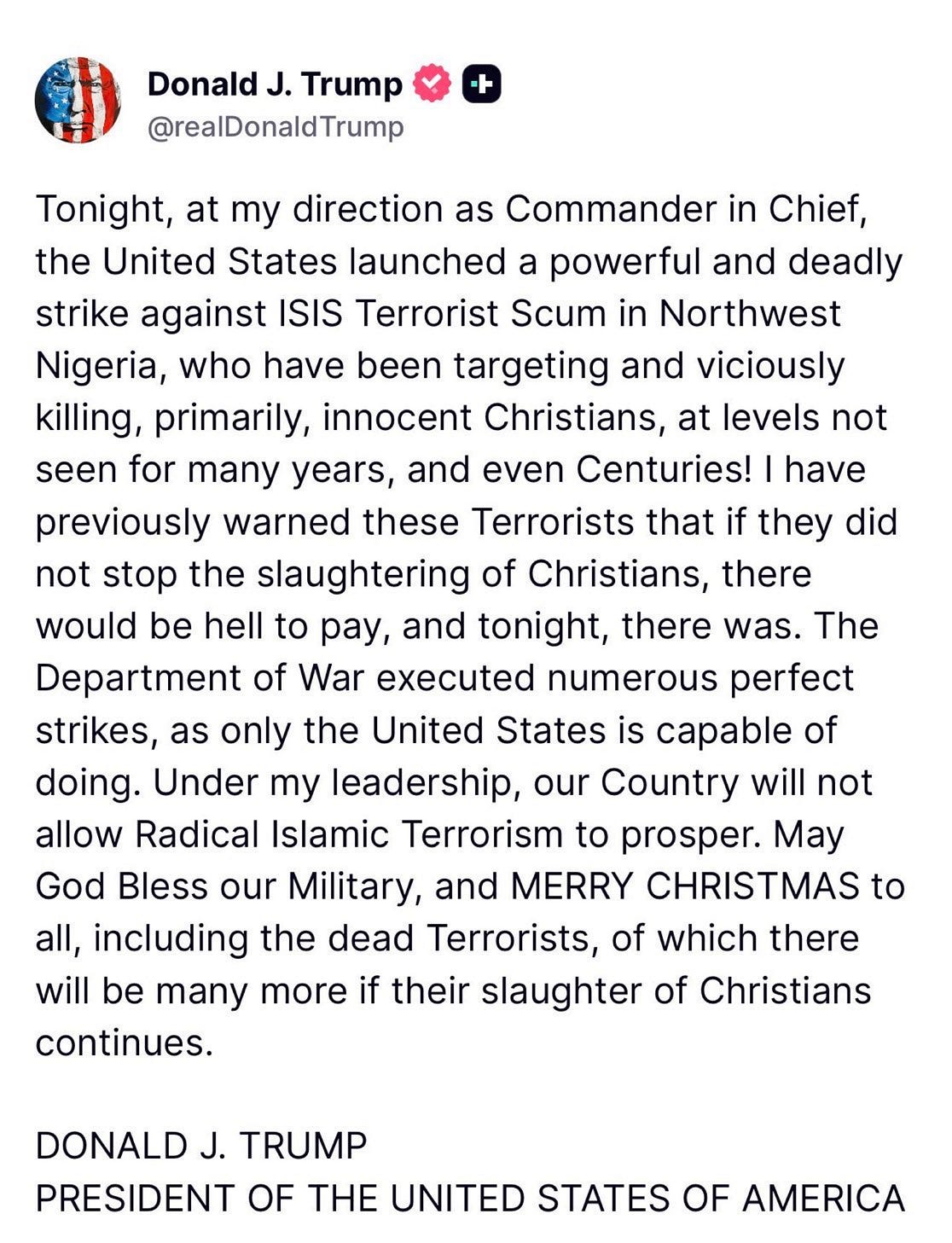
This strike highlights lack of transparent international security partnerships, shrinking civic space, and Nigeria’s tendency to treat “national security” as beyond public accountability. When foreign forces act with limited public explanation, questions arise about who truly controls security decisions. Sovereignty is more than borders; it is a government’s ability to justify actions to its citizens and civil society.
Security cooperation is often framed as urgent. Threats are real, and violence is ongoing. Yet credible partnerships require norms such as transparency, consent, and civilian oversight. Actions conducted or disclosed on major public holidays risk signaling that accountability can wait, potentially eroding trust in institutions (Reuters, 2025).
Global policy networks amplify these dynamics. The Council on Foreign Relations’ Council of Councils (CoC) is a network of leading foreign policy institutes from G20-aligned countries. It fosters multilateral dialogue on governance, security, human rights, social issues, and climate policy. It convenes experts to inform policymaking, shaping norms and priorities that underpin international cooperation (Council on Foreign Relations, n.d.). While the CoC does not direct military operations, its influence on G20-linked policy agendas makes civil society participation highly consequential.
Nigeria’s participation in the 2025 G20 summit was limited, with few official delegates and minimal civil society input. Looking ahead to the 2026 summit, the country’s engagement faces further hurdles. Under a 2025 U.S. presidential proclamation, non-immigrant visas including business, tourism, student, and exchange visas face heightened scrutiny or suspension (White House, 2025; VisaVerge, 2025). These are precisely the pathways most Nigerian activists, academics, and civil society leaders rely on to attend international forums. Even formally invited participants may face barriers, limiting Nigeria’s influence in critical discussions.
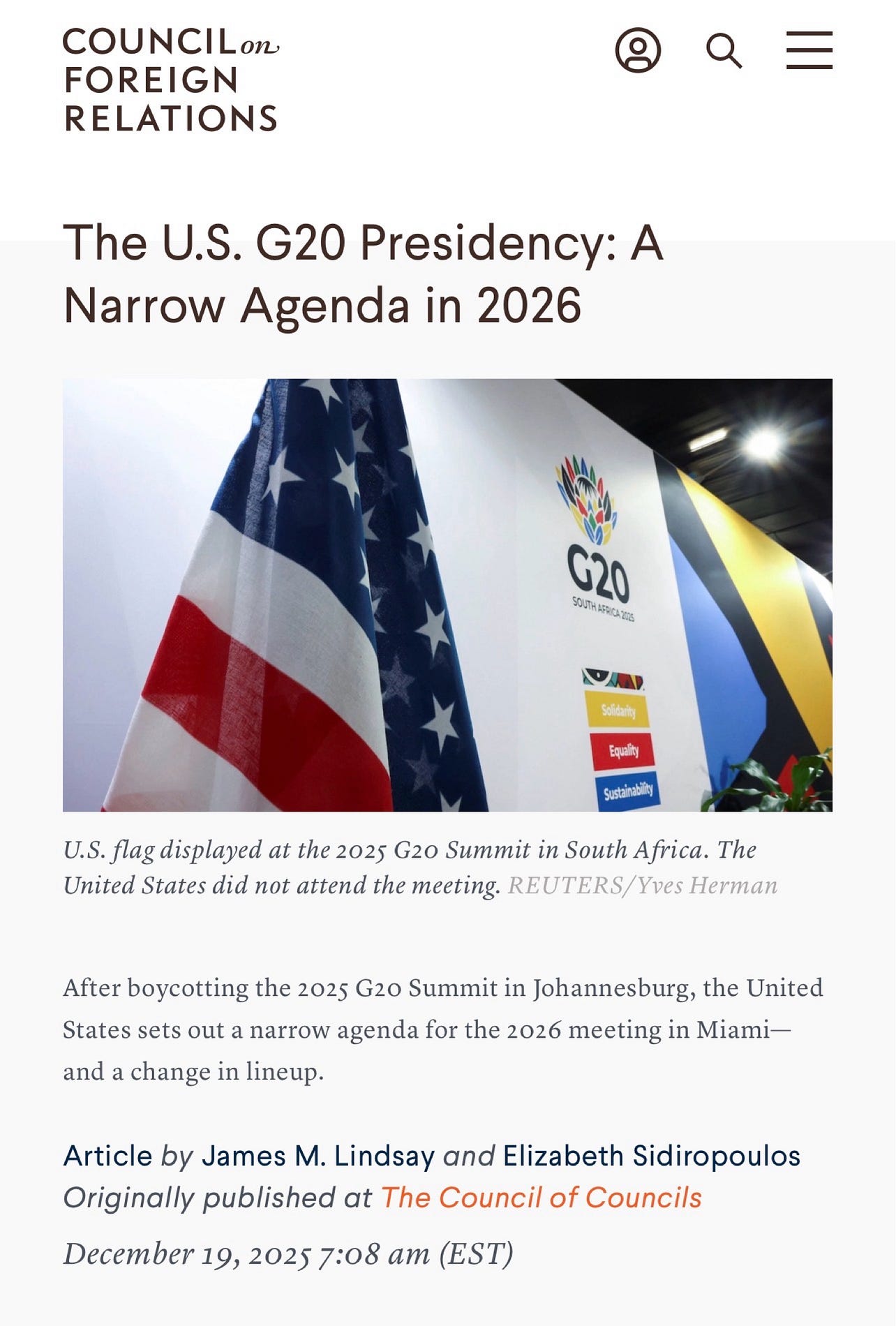
This is particularly concerning because the U.S. G20 agenda for 2026, as announced by President Donald Trump, will be much smaller, focusing largely on the finance track, thus abandoning much of the work of previous G20 presidencies. A narrow economic focus on limiting regulatory burdens, unlocking affordable energy and securing supply chains, and pioneering new technologies and innovation fails to recognize the skewed structural global financial rules that undermine development finance efforts in the Global South. The end result will heighten inequality at the expense of global interconnectedness. Limiting Nigerian participation under these circumstances risks silencing voices advocating for structural reforms and equitable development (Council on Foreign Relations, n.d.; White House, 2025).
Domestically, Nigerian civil society already operates under pressure. Journalists, feminists, LGBTQ+ advocates, and DEI experts navigate a landscape where security narratives are used to justify restrictions. Opaque foreign military operations reinforce this climate, making it harder for civil society actors to assert legitimacy and engage internationally.
The combination of domestic pressures and international travel restrictions creates a double squeeze on civic space. Limiting Nigerian civil society’s ability to engage risks narrowing the diversity of voices shaping global policy and undermines inclusivity and legitimacy at the summit.
Security cooperation must be transparent and accountable from the outset. Nigerian feminists, queer leaders, DEI experts, and activists are essential contributors to shaping equitable global policy. Their participation in G20-linked processes must be facilitated, not constrained. Without their input, global governance risks repeating the harm and inequities it claims to address.
References
Council on Foreign Relations. (n.d.). Council of Councils. Retrieved from https://www.cfr.org/project/council-councils/
Reuters. (2025, December 26). US says it struck Islamic State militants in northwest Nigeria. Reuters. Retrieved from https://www.reuters.com/world/africa/us-launches-strikes-against-islamic-state-militants-northwest-nigeria-trump-says-2025-12-25/
The White House. (2025, December 16). Restricting and limiting the entry of foreign nationals to protect the security of the United States [Presidential proclamation]. Retrieved from https://www.whitehouse.gov/presidential-actions/2025/12/restricting-and-limiting-the-entry-of-foreign-nationals-to-protect-the-security-of-the-united-states/
VisaVerge. (2025). Nigeria visa exemption confusion under U.S. travel restrictions. Retrieved from https://www.visaverge.com/news/nigeria-visa-exemption-confusion-under-us-travel-restrictions/
메타데이터
- post_id
- c2a5d0c752e2
- slug
- christmas-strikes-civic-space-and-nigerias-place-at-the-g20-c2a5d0c752e2
- url
- https://medium.com/@nimisire/christmas-strikes-civic-space-and-nigerias-place-at-the-g20-c2a5d0c752e2
- canonical_url
- https://medium.com/@nimisire/christmas-strikes-civic-space-and-nigerias-place-at-the-g20-c2a5d0c752e2
- author_url
- https://medium.com/@nimisire
- status
- ok
- fetched_at
- 2026-06-11 06:59:45