Best Fertiliser for Cactus and Succulents: Why Low Nitrogen Matters
Cactus and succulents are tough plants, but they still need nutrients. The mistake many people make is thinking these plants either need no…
Best Fertiliser for Cactus and Succulents: Why Low Nitrogen Matters
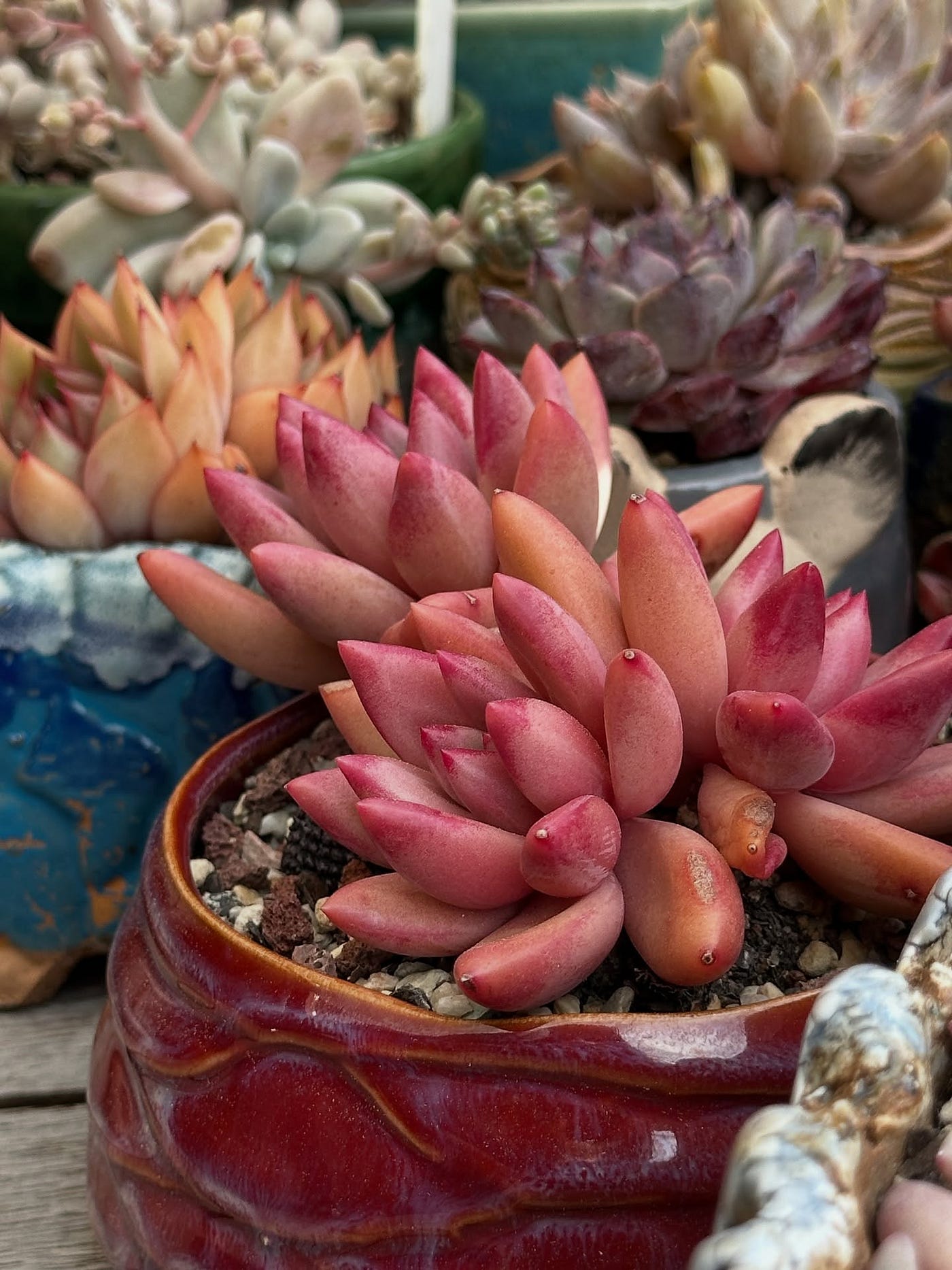
succulents
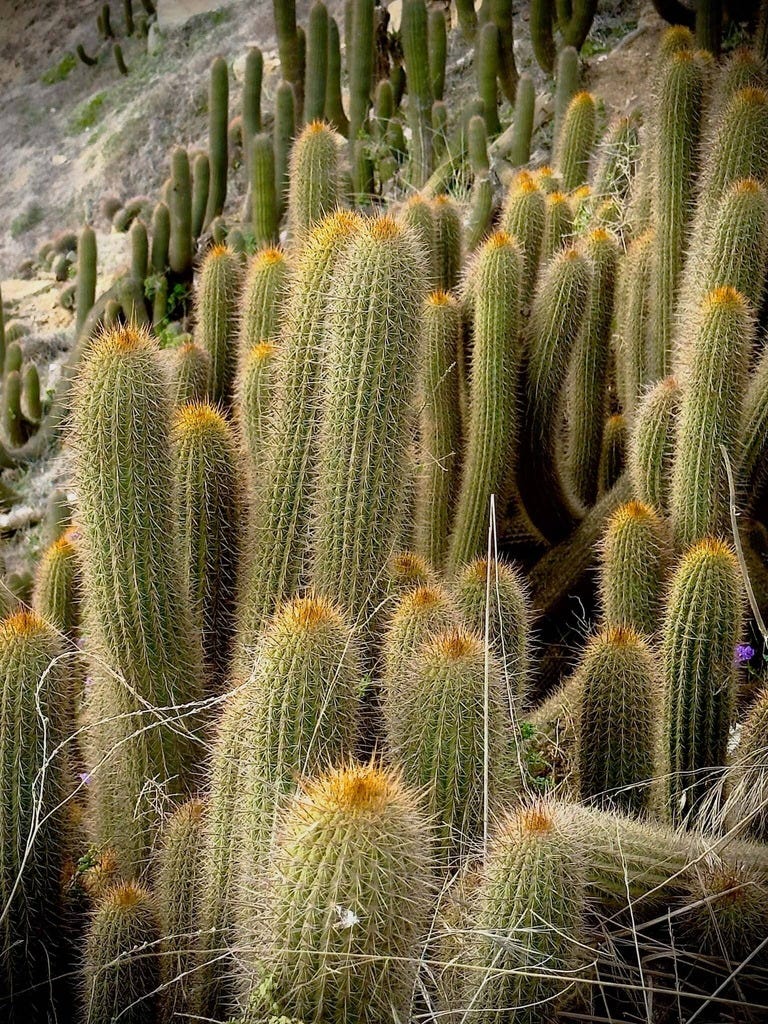
Cactus and succulents are tough plants, but they still need nutrients. The mistake many people make is thinking these plants either need no fertiliser at all, or they can be fed the same way as leafy indoor plants, vegetables or garden flowers.
The truth is somewhere in the middle.
Cactus and succulents do benefit from fertiliser, but they need a lighter, more controlled formula. The best fertiliser for cactus and succulents is usually low in nitrogen and higher in phosphorus and potassium. This helps support roots, structure, flowering and compact growth without pushing soft, weak stems.
For a full guide, read CompleteGrow’s article on how to fertilise cactus and succulents.

Why Cactus and Succulents Need Different Fertiliser
Cactus and succulents are not fast-growing leafy plants. They store water in their leaves, stems or roots and naturally grow more slowly than many common garden plants.
A fertiliser designed for rapid leafy growth can be too strong for them, especially if it is high in nitrogen. Too much nitrogen may encourage soft, stretched or weak growth, particularly when the plant is also receiving low light.
This is why a dedicated low-nitrogen cactus fertiliser is usually a better option than a strong all-purpose fertiliser.
What Does Low Nitrogen Mean?
Nitrogen is the nutrient most closely linked to leafy green growth. Plants need it, but cactus and succulents do not need it in heavy amounts.
When cactus or succulents receive too much nitrogen, they may grow faster than they should. That growth can become soft, pale, stretched or weak. In succulents, this can make legginess worse if the plant is already not getting enough light.
That is why low nitrogen is important. It still gives the plant nitrogen, but not so much that it forces excessive growth.
If your succulents are stretching, read this guide on why succulents grow leggy.
Why Phosphorus and Potassium Matter
A good cactus and succulent fertiliser should not only focus on nitrogen. Phosphorus and potassium are also important.
Phosphorus helps support root development and establishment. Strong roots are essential for potted cactus and succulents because they rely on a small amount of potting mix for water, oxygen and nutrients.
Potassium supports plant strength, structure, water regulation and resilience. It is especially useful for plants that need to cope with dry periods, bright light and changing conditions.
This is why CompleteGrow Cactus & Succulent Plant Food uses a 2–7–7 NPK ratio. It gives low nitrogen with higher phosphorus and potassium, making it suitable for cactus, succulents, jade, aloe, echeveria, haworthia and similar dry-climate plants.
Can You Use Regular Fertiliser on Cactus?
You can use regular fertiliser on cactus carefully, but it is not always the best choice.
Many regular fertilisers are made for general garden plants or leafy growth. If they are too high in nitrogen or applied too strongly, they can push soft growth instead of compact strength.
Cactus plants need controlled feeding. If you want to understand this in more detail, read CompleteGrow’s article on can you use regular fertiliser on cactus.
Fertiliser Will Not Fix Every Problem
Fertiliser is important, but it is not a magic fix for every cactus or succulent problem.
If your cactus is yellow, soft, mushy or rotting, the issue is more likely watering, drainage or root stress. Fertiliser should only be used once the plant is stable and actively growing.
If your cactus is changing colour, this guide explains the main causes: why is my cactus turning yellow.
If your succulent leaves are falling off, the problem may also be overwatering, underwatering, low light or nutrient deficiency. Read more here: why are my succulent leaves falling off.
Soil and Fertiliser Do Different Jobs
Good fertiliser cannot replace good soil. Cactus and succulent soil should be free-draining so the roots do not sit wet for too long.
Soil protects the roots by managing drainage and oxygen. Fertiliser supplies nutrients for growth, roots, colour, flowering and structure.
You need both. A cactus in poor, waterlogged soil can still suffer even if the fertiliser is correct.
For more detail, read cactus soil vs fertiliser.
How Often Should You Fertilise Succulents?
Cactus and succulents should be fertilised lightly during active growth, usually in the warmer growing season. They do not need heavy feeding all year.
A simple routine is to feed once or twice monthly during active growth with a low-nitrogen cactus and succulent fertiliser. Reduce feeding when growth slows, especially in cooler months.
CompleteGrow Cactus & Succulent Plant Food can be used at one full cap per 10 litres of water once or twice monthly, or at half a cap per 10 litres when feeding more lightly.
For a full schedule, read how often to fertilise succulents.
Can Fertiliser Help Cactus Flower?
Yes, fertiliser can help cactus flowering, but only when the basics are right.
Cactus plants usually need strong light, correct watering, good drainage and sometimes a seasonal rest period before they flower. Fertiliser supports the plant, but it does not replace those conditions.
A low-nitrogen fertiliser with higher phosphorus and potassium is a better choice for flowering support than a high-nitrogen general feed.
If your cactus is not blooming, read why your cactus is not flowering.

cactus fertiliser
Best Fertiliser for Cactus and Succulents
The best fertiliser for cactus and succulents is one that supports controlled growth, not forced growth.
CompleteGrow Cactus & Succulent Plant Food is designed for cactus, succulents, jade and aloe. Its 2–7–7 NPK ratio provides low nitrogen with higher phosphorus and potassium, plus trace elements for complete plant nutrition.
It is made to support:
Healthy roots, compact growth, better structure, flowering support, stronger plants and reduced risk of soft overfed growth.
For cactus and succulents, the goal is not rapid growth. The goal is healthy, firm, balanced growth that matches the plant’s natural style.
Final Thoughts
Cactus and succulents do need fertiliser, but they need the right fertiliser.
Avoid heavy high-nitrogen feeding. Focus on good light, free-draining soil, correct watering and a low-nitrogen fertiliser during active growth.
A simple 2–7–7 cactus and succulent fertiliser can help support roots, structure, flowering and compact growth without pushing soft, weak stems.
For the full care guide, visit CompleteGrow’s article on how to fertilise cactus and succulents.
메타데이터
- post_id
- c2aaa8c2376c
- slug
- best-fertiliser-for-cactus-and-succulents-why-low-nitrogen-matters-c2aaa8c2376c
- url
- https://medium.com/@complete-grow/best-fertiliser-for-cactus-and-succulents-why-low-nitrogen-matters-c2aaa8c2376c
- canonical_url
- https://medium.com/@complete-grow/best-fertiliser-for-cactus-and-succulents-why-low-nitrogen-matters-c2aaa8c2376c
- author_url
- https://medium.com/@complete-grow
- status
- ok
- fetched_at
- 2026-07-09 10:29:04