What a Free Palestine Would Mean for the Future of Innovation
How a medical research internship in Israel shaped my perspective on global conflict and innovation
What a Free Palestine Would Mean for the Future of Innovation
How a medical research internship in Israel shaped my perspective on global conflict and innovation
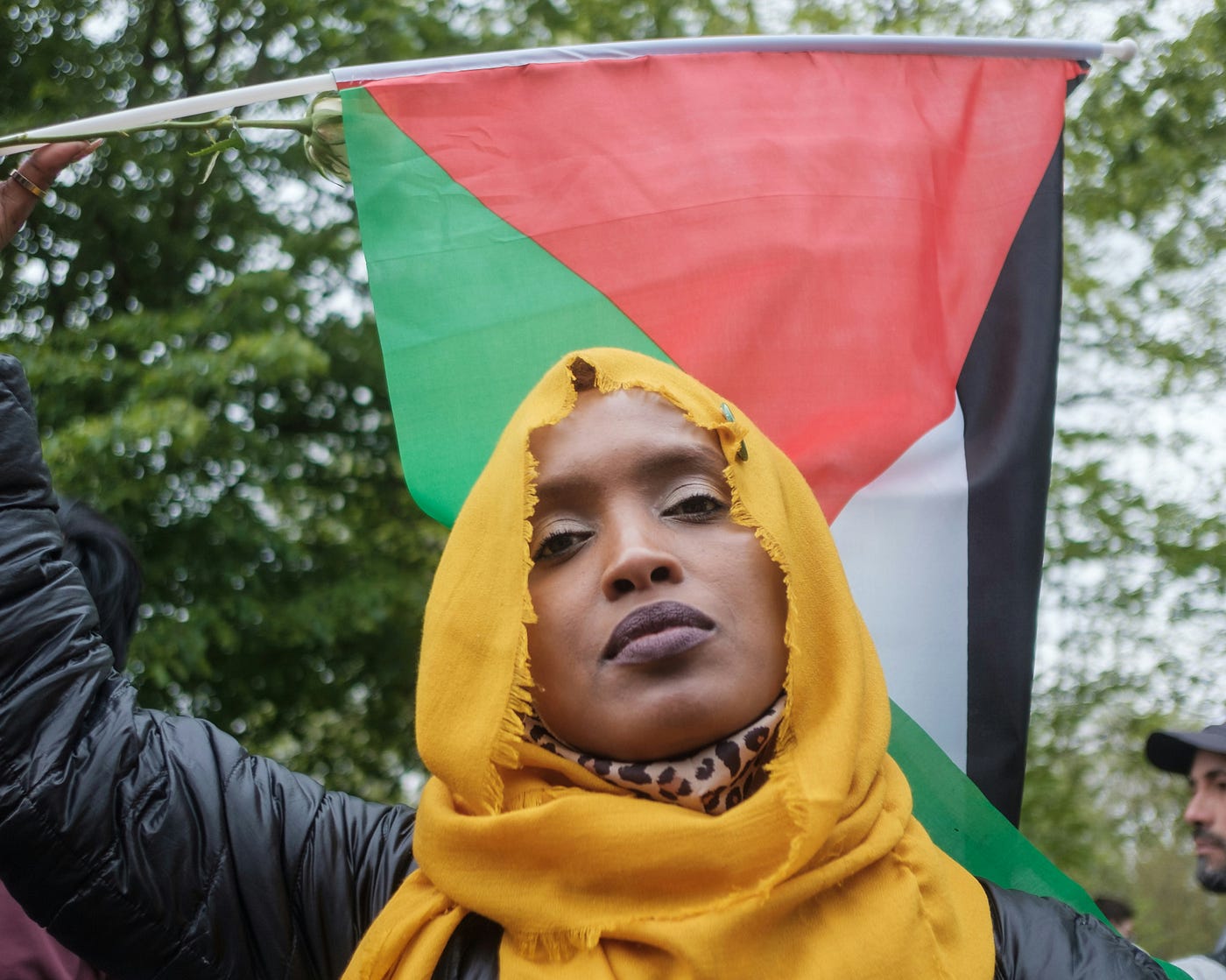
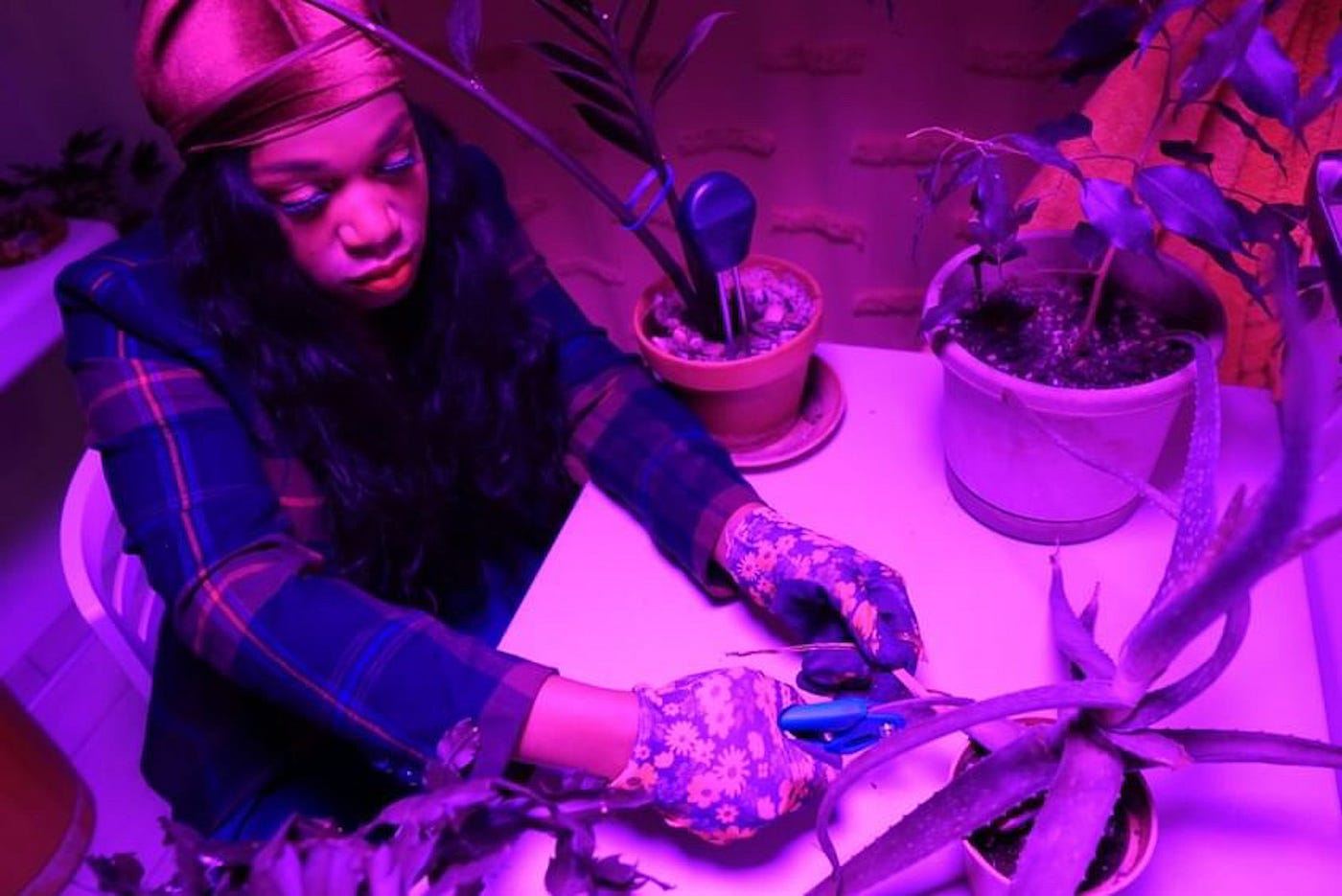
Photo by Ehimetalor Akhere Unuabona on Unsplash
Flashback to Israel in 2018
In 2018, I decided to visit Karmiel, Israel as a sophomore conducting medical technology research abroad in college. What was supposed to be a 15-week internship collapsed into an almost two week anxiety attack, because a 20-year-old Black girl realized she had already seen enough to understand what was happening.
[embed]Protesters chanting “Free, Free Palestine” in Haifa on June 1st, 2018.
The project itself sounded ideal: adapting a musical instrument with accessibility features. But the roaches in the dorms, the frequent absence of Muslim students, and the daily classroom discussions of “the conflict” on a conservative Jewish campus told a different story. Judaism itself wasn’t the problem. What unsettled me was the ease with which Palestinian rights were dismissed, joked about, or rendered abstract.
When the only Black people I encountered were a single family on vacation and the so-called “destitute” merchants in a Tel Aviv park, i.e. businesses framed by our program guide as poverty displays — I felt something tighten. On a kibbutz (a utopian commune-like community in Israel) one weekend, I asked people what they believed about the ongoing Israeli-Palestinian conflict. The next weekend, I heard chants from a protest in Haifa.
“Free, free Palestine.”
This was 2018, six years before most Americans would say the word genocide out loud.
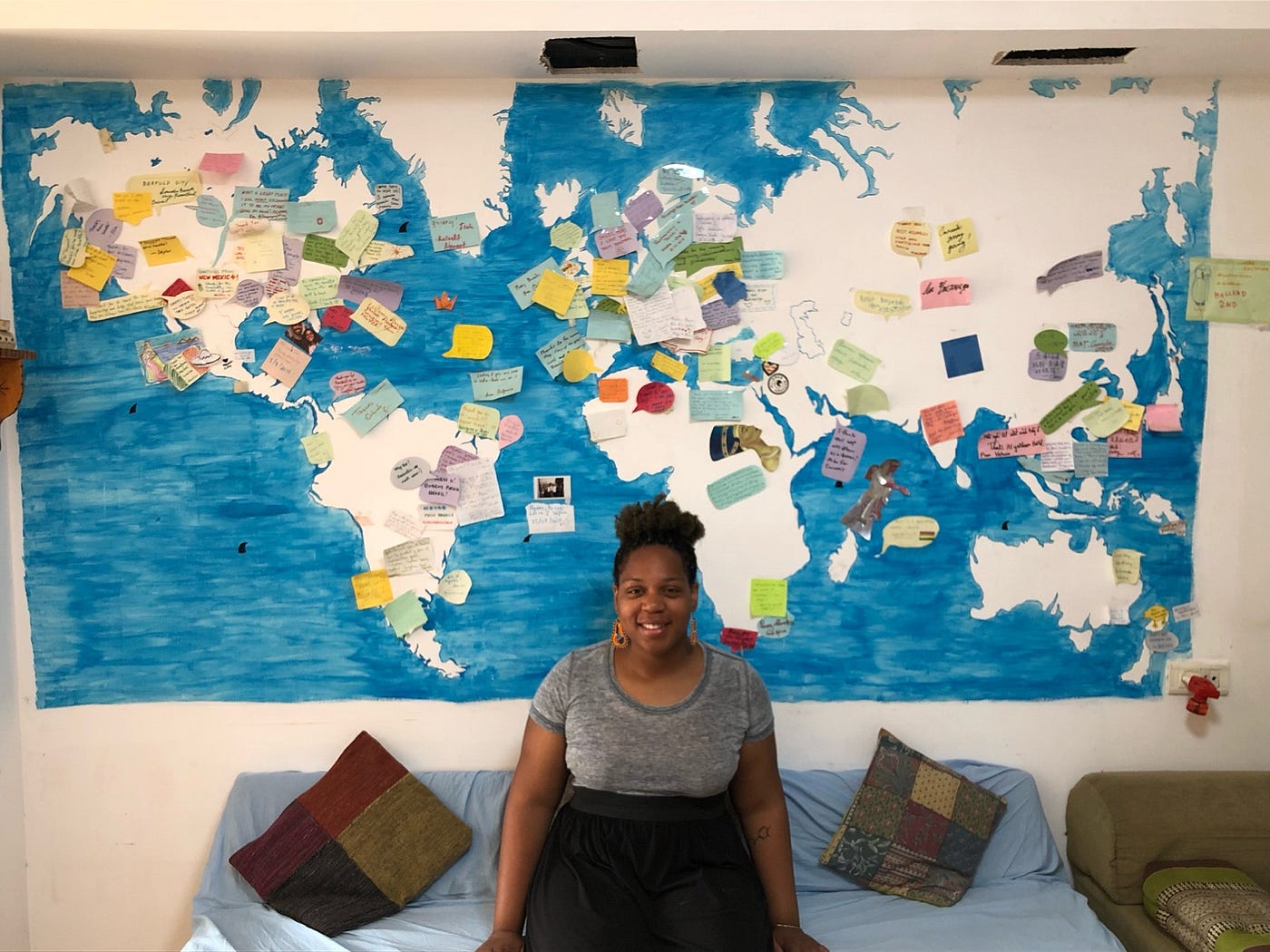
Rene at a hostel in Haifa in June 2018
In Haifa, an older woman yanked the hem of my dress in disappointment over a one-inch Shabbat violation. No words were exchanged, yet I understood anyway.
I knew I was not welcome. *Not because anyone said it directly, but because everyone expected me to live with my discomfort quietly.** This was the price I was supposed to pay for innovating in one of the major hubs for biotechnology. Over and over again I was told that “the conflict” was something folks just dealt with to live.
What I didn’t realize then was that I was being shown global injustice years before the mainstream would name it. Since that time, several conflicts long underway, but newly visible, have sharpened the same lesson. I want to name a few.
Paths from Global Conflict to our Technology
The following four countries have been in American news recently. Here are pathways in which these conflicts affect how we innovate.
Exercise: Sit with these profiles and do your own research about what tech companies are involved. Then reflect on these questions about what innovation would look like in a free world. A couple of attempts at producing this technology are included.
Side note: Questions are written in the style of Intelligent Mischief, an art activist organization that asks imaginative questions about liberation through digital collage arts. Inspiration and credit due to Aisha Shillingford and the rest of the IM Team for their amazing work. Check it out!
Congo (DRC) → Cobalt → Consumer Technology
The Democratic Republic of Congo supplies much of the world’s cobalt, a material essential to smartphones, batteries, and electric vehicles. Global innovation depends on instability framed as inevitability. Our devices promise efficiency and connection while Congolese communities absorb the cost. Over 10% of the population relies on mineral mines, with tens of thousands children working in incredibly harsh conditions. Copper, lithium, diamonds, and gold also degrade up to 30% of each miner’s quality of life, killing thousands each year. An exorbitant cost indeed.
- What if we designed technology that refused materials sourced through violence?
- What futures emerge when repair, longevity, and restraint are treated as innovation?
The Fairphone claims to ethically source cobalt from Congo.
Sudan → Militarization → Digital Control
Sudan’s humanitarian crisis is entangled with global arms flows and digital surveillance technologies that circulate with minimal accountability to the people. Since April 2023, over 12 million have been displaced from their homes due to war, and the two major military powers orchestrated blackouts that affected 30 million — two-thirds of the population. In fact, there were four national blackouts in 2025, and the major city of Wad Madani was deprived of internet for an entire year. Services like Starlink, WhatsApp, and Facebook flicker on and off as war strategies, attacking the telecommunications industry (a major part of the Sudanese economy) and citizens from calling for help. Broadcasts are interrupted with illegal Predator Spyware.
Hundreds of thousands have been killed and over 4 million children are severely malnourished. Innovation arrives here as control rather than care.
- What if privacy were a prioritized design ethic?
- What if instead surveillance technologies were developed for health and well-being of the people?
Build Up created a tailored digital consultation tool for Sudan called Mersal.
Venezuela → Oil Mining → Global Control
Oil industry behavior has exasperated the 13-year economic crisis in Venezuela, linked to starvation and 800% inflation has led to a mass exodus from the country. The extraction been disastrous to the environment, dependent on poor technological infrastructure, and a major source of political corruption. In fact, the corruption is so intense, PDVSA, the state-controlled oil & gas company, has failed on most fronts. Folks go without power in large sections of the population for up to 100 hours at a time.
Mismanagement has also caused the industry to have an excess of unrefined oil, leading to corrupt external states to target the country. Since the seize of President Nicolás Maduro, aid mechanisms have changed and folks dependent on their loved ones abroad have had to adapt. There is little documentation on the civilians lost, but the 77% of Venezuelans in severe poverty have not received any support since the event.
- What if the people and the planet were centered in energy generation?
- What futures emerge when connection is designed to protect dissent rather than expose it?
Nigeria → Oil, Data, Platforms → Energy & Fintech
Similar to Congo-Kinshasa, Sudan & Venezuela, Nigeria fuels global systems through oil, and a migrating technology workforce. It is one of Africa’s largest oil producers, yet decades of extraction have left communities in the Niger Delta bearing severe environmental consequences — oil spills, degraded water sources, and health crises — while the economic benefits have largely bypassed local populations. The region has seen some of the worst petroleum pollution in the world, displacing fishing communities and poisoning farmland that generations depended on.
At the same time, Nigeria has become a significant exporter of technology talent. A growing diaspora of Nigerian engineers, developers, and founders fuels innovation in global tech hubs — a brain drain that reflects both individual ambition and the structural failure to retain that talent at home. Remittances flow back, but the systems enabling those transfers often extract significant fees from families who can least afford it. Digital optimism and environmental harm coexist in a country where energy poverty still limits who gets to participate in the digital economy at all.
- What if energy transition did not reproduce colonial extraction?
- What if local futures, rather than global markets, set the design agenda?
Flutterwave supports payments in over 30 currencies charging 2.6% to 4.8% per transaction
While the negative impact of large scale technology development is undeniable, projects for peace emerge daily and deserve investment and praise for their impact. Amazing founders are trying to tackle global challenges by centering the world in their design.
We should all aspire to design a more loving world and we can start with ourselves. For example, I think back to my trip to Israel and imagine what it would be like if Palestine was free. Here’s some ideas:
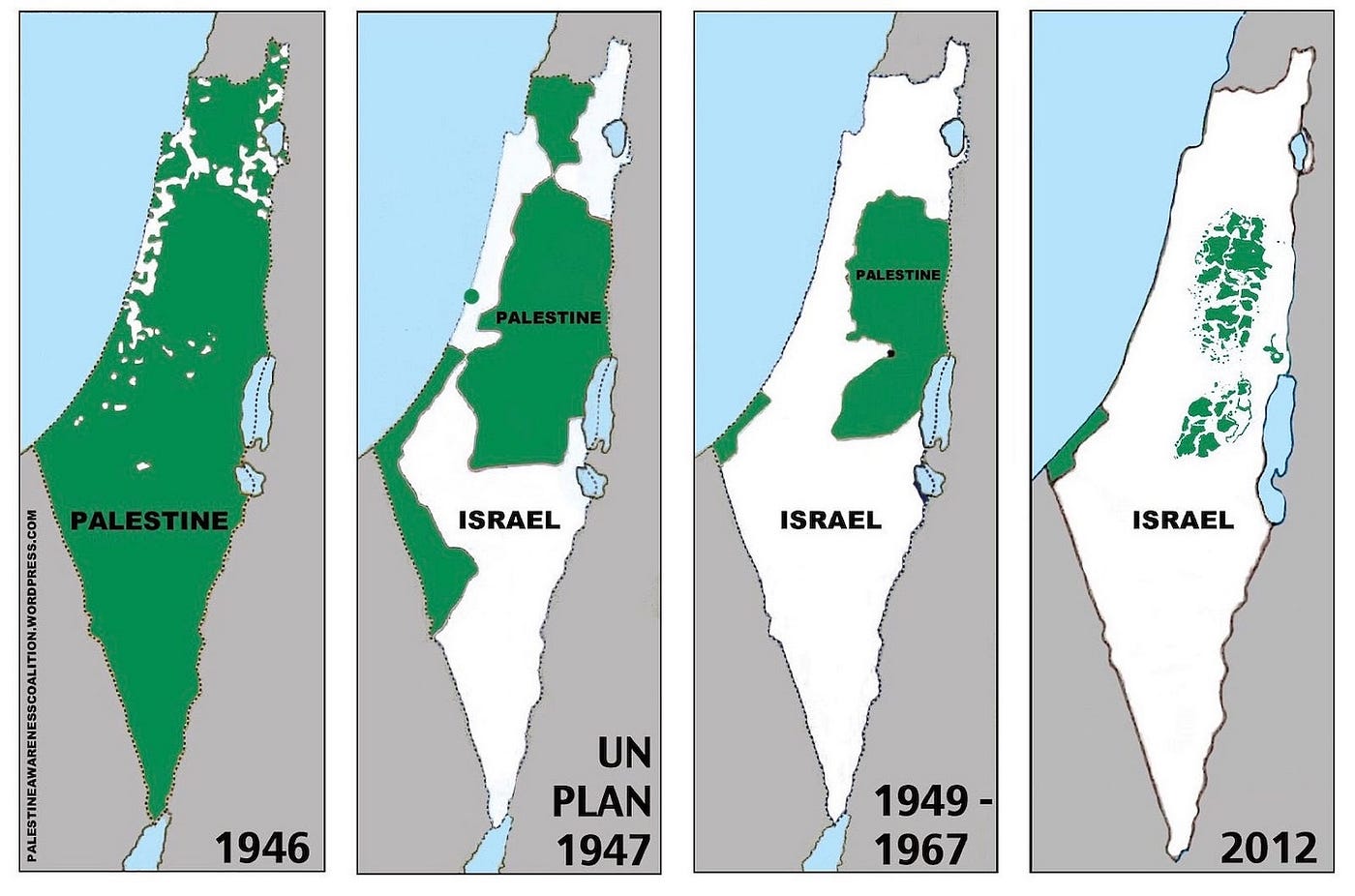
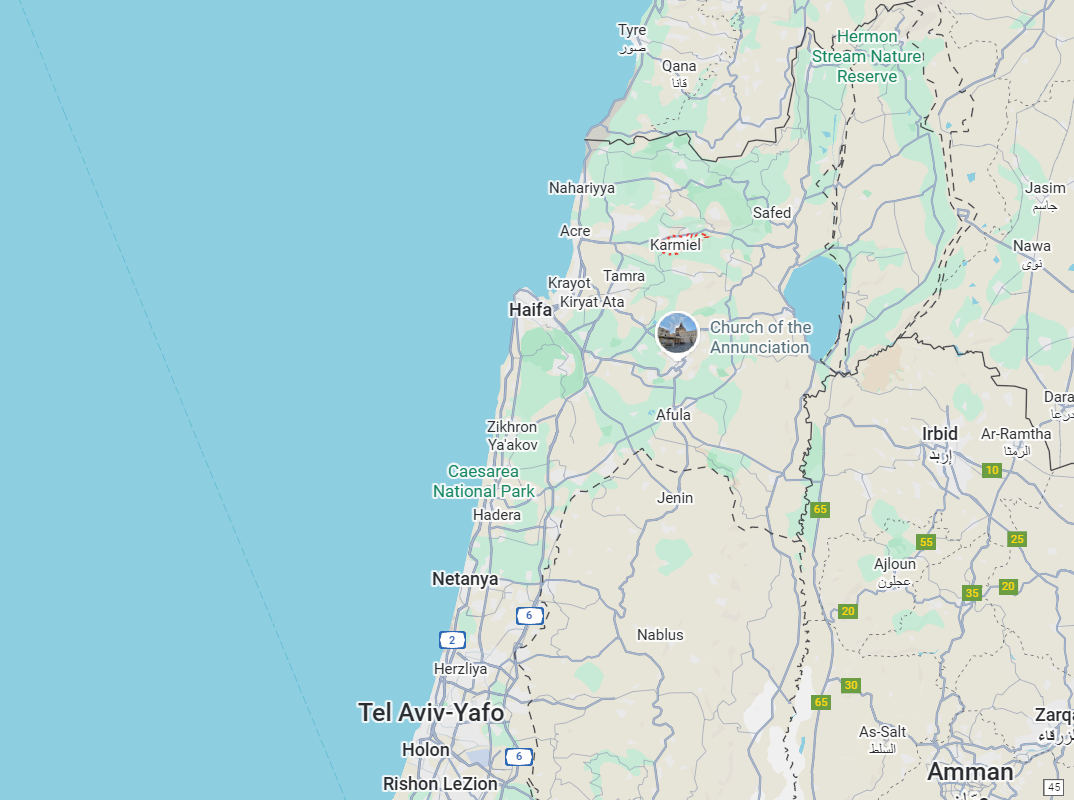
Left: Progression of Palestinian loss of land from 1946 to 2012, Right: Karmiel location
I would’ve been in Palestine instead of Israel. Somewhere between 1949 and 1967, Karmiel would have been called something else, perhaps the land of freedom where, after the Holocaust, Jewish folks would have been peacefully integrated into Arab culture.
In response to these universally peaceful reparations, there would have been an entirely different innovation economy organized around care, coexistence, and shared futures rather than defense and domination. Innovation would likely center on healing and shared stewardship, shaped by multilingual, multi-faith life. Technology would emerge to support care, movement, and collective well-being — rather than surveillance, borders, or permanent threat.
Potential Technologies if Palestine Were Free
Trauma-Informed Community Health Systems: Decentralized clinics, mobile diagnostics, and care technologies designed around collective trauma, long-term recovery, and trust supporting mixed urban — rural populations without framing care through conflict.
Environmental & Water Technologies: Shared water management, public sanitation, and climate-resilient health infrastructure rooted in regional ecological knowledge and cooperative governance.
Multilingual Health & Care Interfaces: Translation-first medical records, consent tools, and patient education systems built for pluralistic societies where language, culture, and access are inseparable from safety.
Civic Mediation & Conflict-Prevention Technologies: Participatory platforms and early-warning systems designed to surface social strain, mediate disputes, and prevent harm — prioritizing dialogue and repair over enforcement.
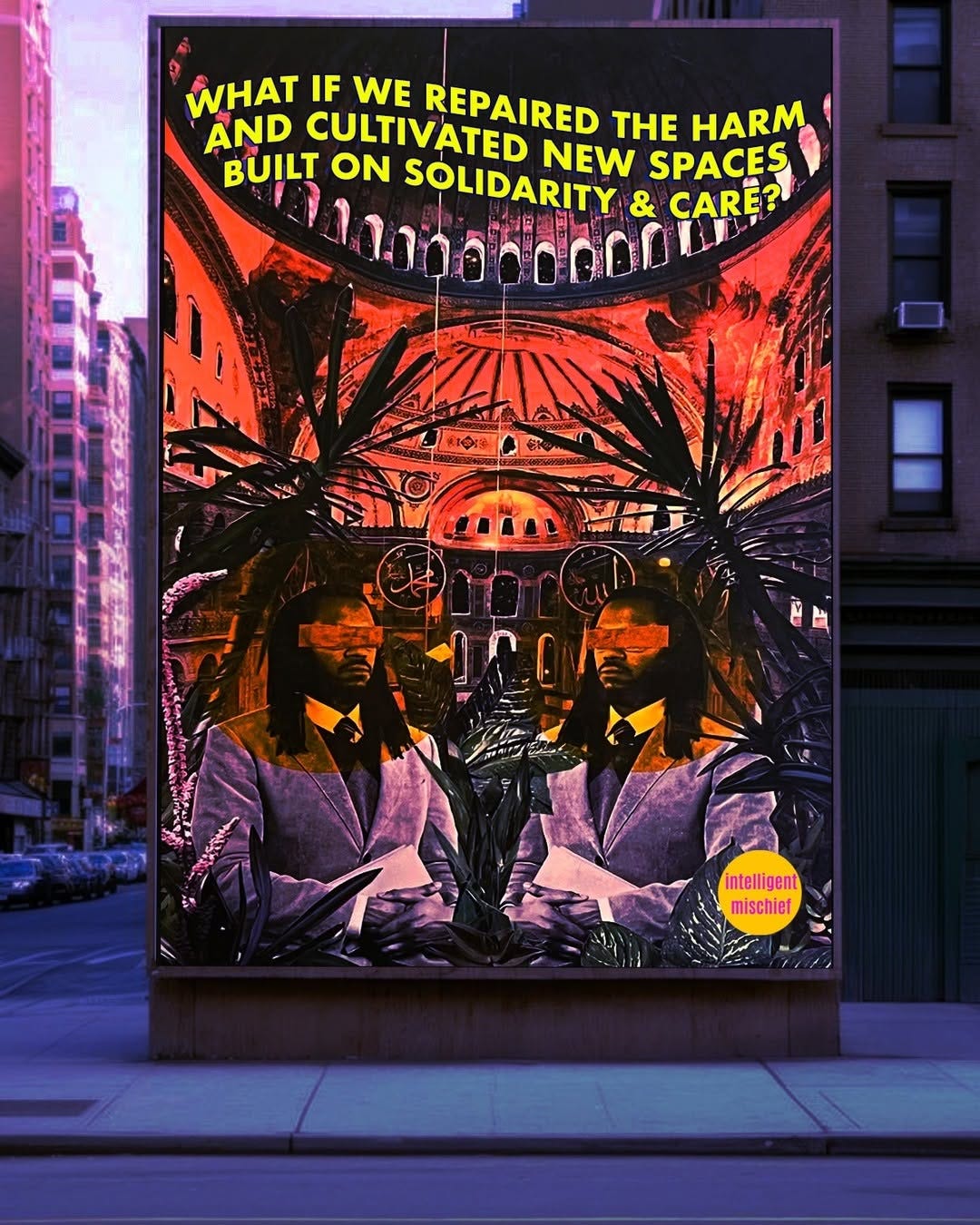
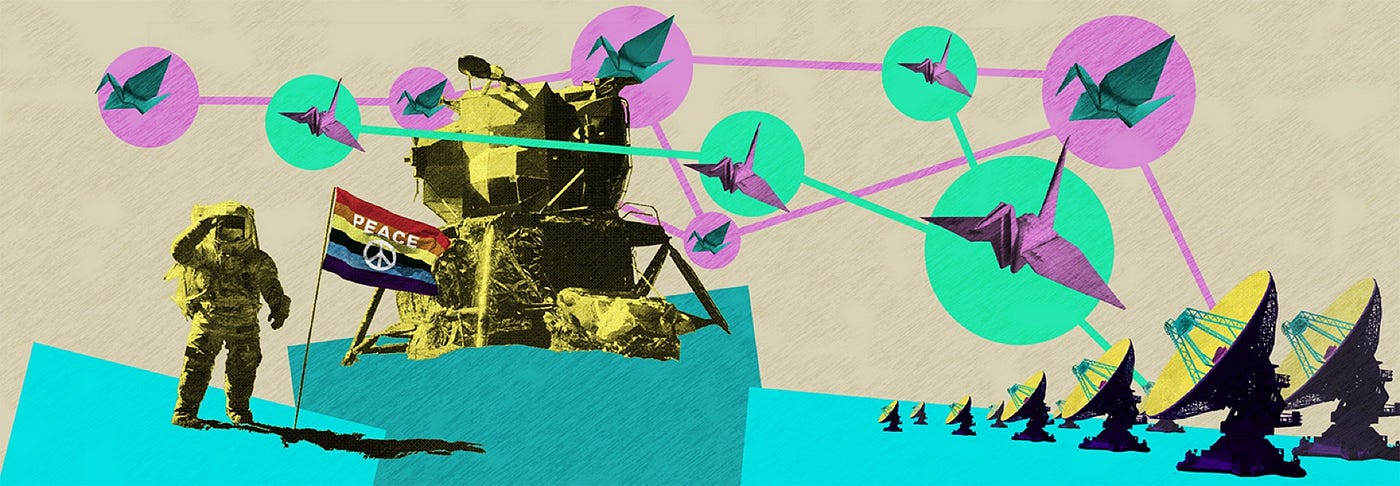
Mural titled, “What if we repaired the harm and cultivated new spaces built on solidarity & care?” by Intelligent Mischief
Building Towards a Peaceful Reality
I invite you to reflect once again, and speculate what technologies would exist in the case Palestine were free.
Not as a one-off thought exercise.
But because Palestine needs us. Along with DR Congo, Sudan, Venezuela, Nigeria, and the rest of the world.
The only way we are going to get free is if we can imagine what it looks like.
And then we build it.
*While I had lived with that discomfort quietly, others do not have the privileges of American citizenship and social ties to get them out of more violent situations. This is a call for us to consider what it would look like to innovate for all of us.
This article was originally published on May 1, 2026 on VanguardSTEM.com as part of our regular content.
If you enjoy our original content, consider donating to our parent not-for-profit, Mo-saIQ, to help support this work.
메타데이터
- post_id
- c2e828da9b79
- slug
- what-a-free-palestine-would-mean-for-the-future-of-innovation-c2e828da9b79
- url
- https://conversations.vanguardstem.com/what-a-free-palestine-would-mean-for-the-future-of-innovation-c2e828da9b79
- canonical_url
- https://conversations.vanguardstem.com/what-a-free-palestine-would-mean-for-the-future-of-innovation-c2e828da9b79
- author_url
- https://medium.com/@rene_35262
- status
- ok
- fetched_at
- 2026-06-15 20:49:13