Destiny 2 Pantheon 2.0 Guide: The Ultimate Raid Boss Marathon Returns
Pantheon is back. Bigger, meaner, and somehow even more determined to remind Destiny 2 players that raid mechanics are a language you…
Destiny 2 Pantheon 2.0 Guide: The Ultimate Raid Boss Marathon Returns
Pantheon is back. Bigger, meaner, and somehow even more determined to remind Destiny 2 players that raid mechanics are a language you either speak fluently or learn the hard way.
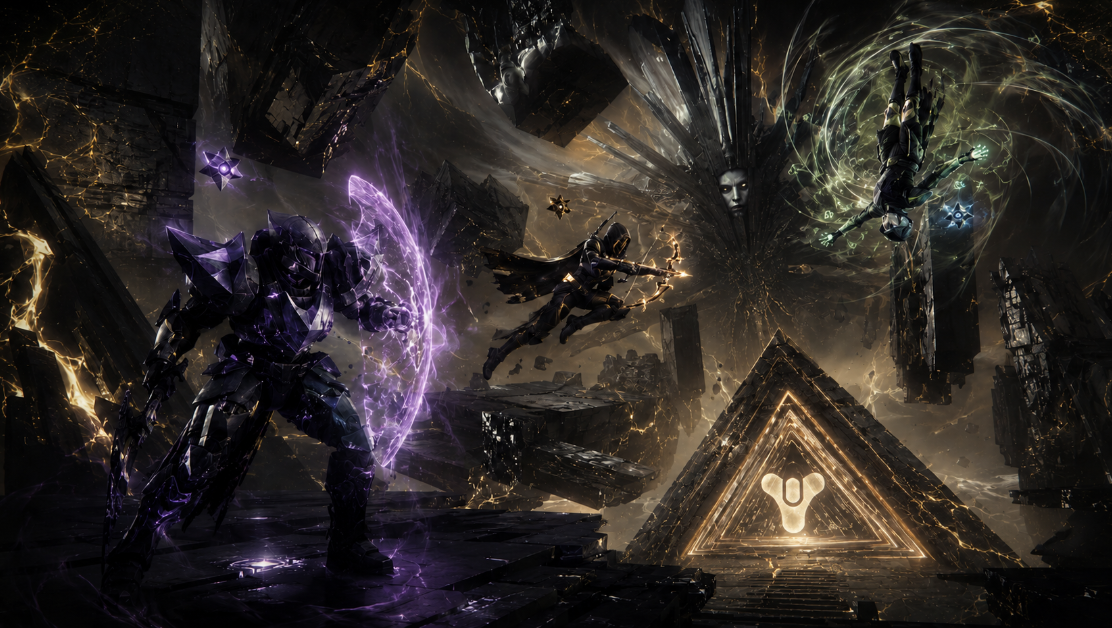
As part of the Monument of Triumph update, Pantheon 2.0 drags some of Destiny’s most memorable bosses out of retirement and throws them into a single endgame gauntlet. Calus is here. Argos is back. Gahlran returns with his favorite hobby — making entire fireteams panic over buff timers. Then there’s Morgeth, War Priest, Consecrated Mind, Queenswalk, and enough raid mechanics stacked together to make even veteran Sherpas double-check their callouts.
Thing is, Pantheon 2.0 isn’t really about learning a single encounter. It’s about proving you can juggle years of Destiny raid history without dropping the ball.
What Exactly Is Pantheon 2.0?
Think of it as Destiny 2’s greatest hits album, except every song is trying to wipe your team.
Pantheon 2.0 launched on June 9, 2026, and sits permanently inside the Raids and Dungeons section of the Director. Fireteams of up to six players can jump in, though matchmaking isn’t available. Bring friends. Or brave LFG. Good luck either way.
The activity pulls mechanics from multiple retired and active raids, forcing players to swap between symbol calls, relic handling, buff management, tether chains, Brand rotations, Vex Cranium lasers, and classic Last Wish communication puzzles.
And yes, all of that can happen within a single run.
The complete gauntlet opens on June 13, while weekly boss rotators begin on June 16, rotating two featured encounters at a time for targeted farming and practice sessions.
Activity Structure and Difficulty Options
Pantheon 2.0 comes in several flavors depending on how much punishment your fireteam enjoys.
Calus Resplendent combines mechanics from Leviathan, Eater of Worlds, and Crown of Sorrow. Players deal with Calus symbols, Argos cranium management, and Gahlran’s Witch’s Blessing system all in one activity.
Morgeth Surpassing shifts focus toward King’s Fall, Garden of Salvation, and Last Wish mechanics. Brand swaps, Totems, tether chains, Voltaic Overflow management, relic saves, and Queenswalk callouts all make appearances.
Then comes the Full Gauntlet, which simply asks players to clear everything back-to-back. No pressure.
For those interested in focused loot farming, Weekly Rotators spotlight two bosses at a time.
Adventure difficulty serves as the learning environment. Revives are unlimited, power restrictions disappear, and mechanic timing is much more forgiving. Rewards aren’t spectacular, but if your group never experienced Leviathan, Crown of Sorrow, or Garden of Salvation during their original runs, this is easily the best classroom Bungie has ever created.
Standard difficulty introduces weekly Tier 5 drops without requiring additional challenge modifiers.
Custom difficulty lets players activate Feats that increase reward quality. Higher Feat grades add more Tier 4 and Tier 5 loot, though the mechanics become significantly less forgiving. Risk versus reward in its purest form.
Why Adventure Difficulty Isn’t Just “Easy Mode”

A lot of players immediately dismiss Adventure as training wheels.
That’s a mistake.
Pantheon throws mechanics from several different eras of Destiny into a single activity. Veterans might remember Calus perfectly but completely forget Garden tether rotations. Returning players often remember symbols but struggle with relic timing. Newer Guardians may have never seen some of these mechanics at all.
Adventure gives teams room to learn without spending half the night staring at orbit.
One clean practice run often saves hours of frustration later.
Rewards Worth Chasing
Let’s be honest. Nobody signs up for Pantheon just to admire old mechanics.
The loot is the real attraction.
The Monument introduces four Tenet vendors located behind the Monument in the Tower Courtyard. Players spend Legendary Marks earned through Monument Triumphs to unlock exclusive rewards.
Tenet of Bravery acts as the entry point and must be unlocked before the others become available. It offers items like the new Skimmer, a universal helmet ornament, Heir Apparent, and the exotic linear fusion rifle Fafnir.
Devotion focuses on SRL cosmetics alongside the Gryphon Sparrow and Allstar Vector Skimmer.
Sacrifice contains the highly sought-after Superblack shader, Holochips, finishers, ships, and Ghost shells.
Death features some of the flashiest rewards in the update, including the Einherjar Coronet, Chatterwhite shader, random Exotic armor ornaments, and various raid cosmetics.
The flaming Einherjar helmet requires eight Triumph completions from Teamwork Raid Challenges.
The Immortal Legend armor ornament set sits even further up the mountain. Players need the Immortal title, earned through eight raid challenges and six dungeon challenges. Equip both the helmet and chest piece and your Guardian gains a holographic crown effect. Because apparently fashion remains Destiny’s true endgame.
Holofoil Weapons and Spoils Vendor Rerolls
Pantheon’s loot pool includes reprised raid weapons carrying a unique Pantheon Origin Trait along with fresh perk combinations.
The rarest versions come in Holofoil variants, making them immediate trophy pieces for dedicated grinders.
Each class also receives an entirely new armor set, and old raid ornament collections return as potential drops. Bungie specifically confirmed Leviathan ornaments can drop from Calus encounters for players who never unlocked them originally.
One particularly smart addition arrives at the end of multi-boss activities.
Final chests now function as Spoils vendors. After finishing a run, players can spend Spoils of Conquest to reroll items already obtained during that session.
Translation: full clears are finally worth farming repeatedly.
Team Composition Matters More Than Ever

Pantheon heavily rewards specialization.
The old “everyone does everything” approach works until it suddenly doesn’t.
Two dedicated add-clear players keep Calus, Gahlran, and Totem encounters under control before enemy pressure spirals out of control.
Two mechanics specialists handle relics, symbols, Brand transfers, Cranium management, and various encounter-specific jobs.
One support player anchors the team with survivability tools such as Well of Radiance or equivalent options.
The final slot belongs to a flexible player who understands every mechanic and can step into emergencies without needing a twenty-second explanation.
In other words, put your most experienced player there.
Best Weapons for Pantheon 2.0
There’s no universal loadout that dominates every encounter.
Calus favors burst damage. Rockets, grenade launchers, and linear fusion rifles all work well during plate-based DPS phases. Fast primary weapons help eliminate Psions in the Shadow Realm before they become a wipe mechanic.
Argos prefers sustained precision damage. DPS windows depend on successful Cranium execution rather than fixed timers, making consistent long-range accuracy much more valuable.
Gahlran rewards aggressive close-to-mid-range setups. Fast target acquisition becomes especially important during hand-shooting interruptions.
Consecrated Mind is basically a love letter to long-range precision weapons. Snipers and linears shine here because the boss constantly backs away during damage phases.
Morgeth remains all about burst damage. Save heavy ammo for Final Stand. Every experienced Last Wish player already knows why.
Across nearly every encounter, Divinity remains one of the strongest support options available. Giving up one damage slot often results in significantly higher team damage overall.
Calus Resplendent: Three Raids Collide
The Calus section combines three distinct raid experiences into one increasingly chaotic package.
During the Emperor Calus encounter, teams split between the Throne Room and Shadow Realm. Symbol communication remains the star of the show, with Cup, Sun, Axes, and Dog callouts determining progression.
After four successful rounds, players transition into the skull phase, building Force of Will stacks before finally opening a DPS window.
One of the easiest mistakes for new groups is accidentally activating damage plates too early. A single overeager Guardian can shorten the entire damage phase for everyone else.
Argos shifts focus toward elemental coordination.
Teams manage Arc, Solar, and Void Craniums simultaneously while defending plates, freeing trapped teammates, and opening damage windows through synchronized shield breaks.
Then comes Gahlran.
Witch’s Blessing timers constantly demand attention. Crystals need immediate destruction. Deceptions require careful positioning. Hands must be shot during damage phases. Ignore any one of those jobs and things tend to collapse very quickly.
Classic Crown of Sorrow energy.
Morgeth Surpassing: Communication Check
If Calus Resplendent tests execution, Morgeth Surpassing tests communication.
War Priest and Totems revolve around Brand rotations, Death Singer’s Power deposits, and precise timing. Players who lose track of Brand transfers usually don’t get a second chance.
Garden of Salvation mechanics return through Conflux defense, tether chains, Enlightened buffs, and Voltaic Overflow rotations.
The encounter remains one of Destiny’s best examples of organized chaos.
Then Pantheon finishes things off with Morgeth and Queenswalk.
Taken Strength management remains deadly. Relic users need accurate symbol callouts. Trapped players depend entirely on clear communication from teammates.
Panic is the real enemy here.
A calm “contained left side” callout saves more runs than frantic shouting ever will.
First-Clear Advice for LFG Groups
If you’re heading into Pantheon through LFG, keep expectations realistic.
Assign jobs before the encounter starts.
Establish symbol terminology immediately.
Decide who handles relics, who handles Brand transfers, and who manages Overflow rotations.
Most failed groups don’t wipe because their damage is too low. They wipe because six players assumed somebody else was doing the mechanic.
Also, avoid rebuilding your entire loadout halfway through a run during peak server hours. Lag spikes can cause all sorts of strange behavior, and losing a damage phase because your weapon suddenly decides reality is optional isn’t exactly a memorable experience.
The Bigger Picture

Pantheon 2.0 feels less like another seasonal activity and more like Bungie’s final raid victory lap.
Monument of Triumph is positioned as Destiny 2’s last planned live-service update, and Pantheon reflects that philosophy perfectly. It’s a celebration of years of raid design, boss encounters, community knowledge, and shared memories — compressed into one massive challenge.
Sure, it’s brutal at times.
Sure, LFG groups are going to produce some legendary disaster stories.
But that’s also why Pantheon works.
A few months from now, most players won’t remember the exact loot drop they got from a particular clear. They’ll remember the clutch relic save, the perfect symbol callout, the Morgeth kill with seconds remaining, or the Gahlran run that somehow survived absolute chaos.
That’s always been Destiny raiding at its best.
Pantheon 2.0 just turns that experience up to eleven.
메타데이터
- post_id
- c2eb770138c6
- slug
- destiny-2-pantheon-2-0-guide-the-ultimate-raid-boss-marathon-returns-c2eb770138c6
- url
- https://medium.com/@epiccarry/destiny-2-pantheon-2-0-guide-the-ultimate-raid-boss-marathon-returns-c2eb770138c6
- canonical_url
- https://medium.com/@epiccarry/destiny-2-pantheon-2-0-guide-the-ultimate-raid-boss-marathon-returns-c2eb770138c6
- author_url
- https://medium.com/@epiccarry
- status
- ok
- fetched_at
- 2026-08-06 02:07:37