Divorce Actions in Senegal: Why Proper Service Cannot Be Overlooked
Divorce is a legal procedure that formally ends a marriage through the courts or another legally authorised body. In Senegal, divorce…
Divorce Actions in Senegal: Why Proper Service Cannot Be Overlooked

Learn how Service of Process Senegal supports lawful divorce proceedings, why professional process servers matter, and how proper document service helps protect due process in both domestic and international cases.
Divorce is a legal procedure that formally ends a marriage through the courts or another legally authorised body. In Senegal, divorce proceedings are governed by the country’s family and civil procedural laws, which establish the legal grounds for divorce, the rights and obligations of each spouse, and the procedural steps that must be followed before a court can issue a final judgment.
One of the most important procedural requirements in any divorce case is ensuring that the other spouse receives official notice of the proceedings. This requirement exists to protect the legal rights of both parties and to ensure that each person has a fair opportunity to respond before any judicial decision is made.
This is where **Service of Process Senegal** becomes an essential part of the legal system. Proper delivery of court documents ensures transparency, fairness, and compliance with procedural rules. Whether the parties live in the same city or on different continents, accurate service of legal documents helps the court proceed with confidence that due process has been respected.
Professionals responsible for delivering legal documents play a vital role in helping courts, law firms, businesses, and individuals complete divorce proceedings lawfully. Their work helps prevent unnecessary delays, protects procedural integrity, and provides reliable evidence that legal documents were properly delivered.
Understanding the Importance of Service of Process Senegal in Divorce Proceedings
Every legal dispute begins with notice.
Before a court can hear evidence, issue orders, or dissolve a marriage, the respondent must first be informed that legal proceedings have started. This formal notification is not merely an administrative task — it is a fundamental principle of justice.
Throughout divorce proceedings, **Service of Process Senegal** ensures that:
- Both spouses receive fair notice.
- Legal deadlines begin correctly.
- The respondent has an opportunity to defend their interests.
- Court decisions are based upon proper legal procedure.
- The judicial process remains transparent and impartial.
Without valid service, courts may postpone hearings or require documents to be served again before moving forward.
How Process Servers Assist Throughout Divorce Matters
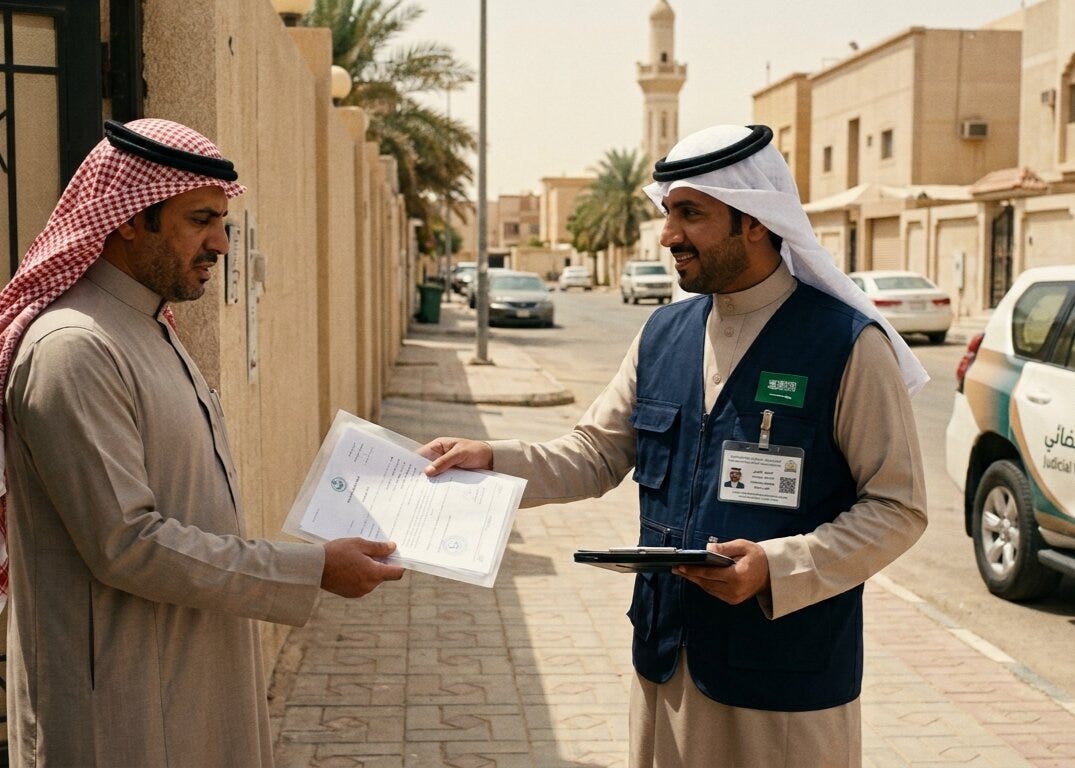
Individuals responsible for serving legal documents act as neutral professionals entrusted with delivering court papers according to applicable procedural requirements. Their objective is not to advocate for either spouse but to ensure legal documents reach the intended recipient in accordance with the law.
As part of **Service of Process Senegal**, these professionals commonly:
- Locate respondents.
- Verify identities before delivery.
- Personally deliver legal papers when required.
- Document every service attempt.
- Prepare affidavits or certificates confirming service.
- Coordinate with lawyers and court officials.
- Report unsuccessful delivery attempts.
- Follow court-authorised methods if personal delivery is unsuccessful.
Their documentation often becomes important evidence demonstrating that proper notice was provided.
Why Proper Delivery of Divorce Documents Matters
Formal service is one of the foundations of procedural fairness.
If divorce papers are delivered improperly, several issues may arise, including:
- Delayed hearings.
- Additional court costs.
- Repeated service attempts.
- Challenges to court jurisdiction.
- Requests to set aside judgments.
- Extended litigation.
Proper **Service of Process Senegal** helps avoid these procedural problems while protecting the rights of both spouses.
Courts rely upon documented proof that legal papers were served correctly before many aspects of the case can proceed.
Handling Local and Cross-Border Divorce Matters
Modern families frequently have international connections.
One spouse may continue living in Senegal while the other resides abroad for employment, education, or permanent relocation. These circumstances often introduce additional procedural complexities.
Professionals involved in **Service of Process Senegal** frequently coordinate with:
- Foreign legal professionals.
- International process servers.
- Translators.
- Court officials.
- Private investigators when necessary.
- Legal support agencies.
International divorce cases require careful planning because multiple legal systems may become involved during the service process.
Even where international cooperation exists, every jurisdiction maintains its own procedural requirements regarding document delivery.
Serving Divorce Documents in Senegal: Common Legal Papers
Numerous legal documents may require formal delivery throughout divorce proceedings.
Examples include:
Divorce Petition
This document officially begins the divorce case and explains the legal grounds relied upon by the filing spouse.
Court Summons
The summons notifies the respondent that legal proceedings have commenced and specifies deadlines for responding.
Notices of Hearings
Courts may issue notices informing parties of scheduled hearings, conferences, mediation sessions, or procedural appearances.
Applications for Temporary Orders
These documents may involve requests concerning:
- Child custody
- Parenting arrangements
- Child support
- Spousal maintenance
- Occupation of the family residence
- Preservation of marital assets
Financial Disclosure Documents
Many divorce cases require both spouses to exchange financial information before property or maintenance issues can be resolved.
Final Divorce Orders
After proceedings conclude, final judgments and related court orders may also require formal delivery.
Accurate **Service of Process Senegal** throughout every stage helps maintain procedural continuity and reduces the likelihood of disputes regarding notification.
Common Obstacles Encountered During Service
Serving legal documents is not always straightforward.
Professionals regularly face practical difficulties that require persistence, careful planning, and compliance with procedural requirements.
Some common challenges include:
Respondents Frequently Change Address
A spouse may relocate without informing the court or the other party.
Additional investigative work may become necessary before documents can be delivered.
Avoidance of Service
Some respondents deliberately avoid accepting legal papers.
Examples include:
- Refusing to answer the door.
- Changing work schedules.
- Providing inaccurate addresses.
- Staying temporarily with relatives.
- Ignoring known appointments.
Process servers must carefully document every attempt while remaining within legal boundaries.
Remote Locations
Certain areas may present logistical difficulties because of:
- Limited transportation.
- Rural geography.
- Seasonal weather.
- Distance from major population centres.
Scheduling successful delivery may require additional planning.
Language Barriers
International divorce proceedings sometimes involve individuals who do not understand the language used in the legal documents.
Documents frequently require professionally prepared legal translations before service can occur.
Simply sending paperwork overseas is rarely enough. **Serving divorce papers abroad** demand accurate legal translations, adherence to the applicable procedural requirements of each jurisdiction, and properly executed service methods to minimise delays or court rejections. Even a minor translation mistake may postpone proceedings for several months.
Practical Examples of Real-World Service Challenges
Real divorce cases often present unexpected situations.
Example One
A spouse files for divorce while the respondent has relocated to another country for employment.
Locating the individual, obtaining a verified address, arranging document translation where required, and coordinating lawful delivery all require careful planning.
Example Two
The respondent repeatedly avoids personal contact after learning divorce proceedings have started.
Multiple documented service attempts become necessary before alternative legal procedures can be considered.
Example Three
The petitioner provides an outdated residential address.
Additional investigation identifies the respondent’s current workplace, allowing successful delivery while complying with legal requirements.
These examples demonstrate why experienced professionals contribute significantly to effective **Service of Process Senegal**.
When the Respondent Does Not Reply
Receiving divorce papers does not automatically end a case.
If the respondent fails to file a response within the time permitted under applicable procedural rules, the court may allow the proceedings to continue.
However, before doing so, judges generally require confirmation that proper service occurred.
Failure to respond does not eliminate the respondent’s legal rights if service itself was defective.
General Steps Leading to a Default Divorce Decision
Although procedures differ depending on the specific circumstances, the general process often includes the following stages:
Step 1
The petitioner files the divorce application with the appropriate court.
Step 2
The court authorises issuance of the required legal documents.
Step 3
The respondent is formally notified through proper Service of Process Senegal.
Step 4
Proof of service is submitted to the court.
Step 5
The respondent is given the legally prescribed period to respond.
Step 6
If no response is received, the petitioner may request that the court proceed according to applicable procedural rules.
Step 7
The court reviews whether all procedural requirements — including proper service — have been satisfied before issuing any judgment.
This process highlights why accurate service documentation is indispensable.
Why Proof of Service Is So Important
Delivering documents alone is insufficient.
Courts generally require evidence demonstrating:
- Who received the documents.
- When service occurred.
- Where service occurred.
- How service was completed.
- Who completed the service.
- Whether identification was confirmed where appropriate.
Reliable documentation supports judicial confidence that procedural fairness has been maintained.
Without sufficient proof, proceedings may be delayed while additional service attempts are completed.
For this reason, maintaining comprehensive records remains one of the most valuable aspects of professional **Service of Process Senegal**.
Moving Forward with Experienced International Support
International divorce proceedings often involve multiple jurisdictions, language requirements, and strict procedural rules. Working with professionals experienced in cross-border document delivery can help minimise unnecessary delays and ensure that service is handled with care and accuracy.
Stellar Konsulting provides assistance with international service of process and certified legal translation services for law firms, businesses, and private individuals handling matters across borders.
**Contact Stellar Konsulting today:**
- Phone: +1 (213) 786 1161
- Website: https://stellarkonsulting.com/
- Email: operations@stellarkonsulting.com/
Whether you need support coordinating international document delivery or assistance with legally accurate translations, the team can help guide you through the process.
**SUBMIT YOUR PROCESS SERVICE REQUEST NOW**
Conclusion
Divorce proceedings require more than filing paperwork with a court. Every stage depends upon compliance with procedural rules that protect the rights of both spouses and preserve the integrity of the judicial process.
Professional **Service of Divorce Documents in Senegal** plays a central role in ensuring that legal documents are delivered properly, respondents receive adequate notice, and courts can proceed with confidence that due process has been respected. From local deliveries to complex international matters, experienced process servers provide the documentation and procedural support necessary for efficient legal proceedings.
By relying on knowledgeable professionals and following established legal procedures, individuals and legal practitioners can reduce avoidable delays while helping ensure that divorce cases move forward fairly and efficiently.
Disclaimer
This article is provided for informational purposes only and does not constitute legal advice. Divorce laws, procedural requirements, and service of process rules in Senegal may change or vary depending on the facts of a particular case. Individuals and organisations should consult a qualified legal professional for advice regarding their specific circumstances.
메타데이터
- post_id
- c30b6dec90d6
- slug
- divorce-process-senegal-c30b6dec90d6
- url
- https://medium.com/@internationalprocessservice/divorce-process-senegal-c30b6dec90d6
- canonical_url
- https://medium.com/@internationalprocessservice/divorce-process-senegal-c30b6dec90d6
- author_url
- https://medium.com/@internationalprocessservice
- status
- ok
- fetched_at
- 2026-08-29 09:54:01