Why Are So Many Autistic People Ending Their Own Lives?
My own experience — and what the research reveals about autism and suicide
Why Are So Many Autistic People Ending Their Own Lives?
My own experience — and what the research reveals about autism and suicide
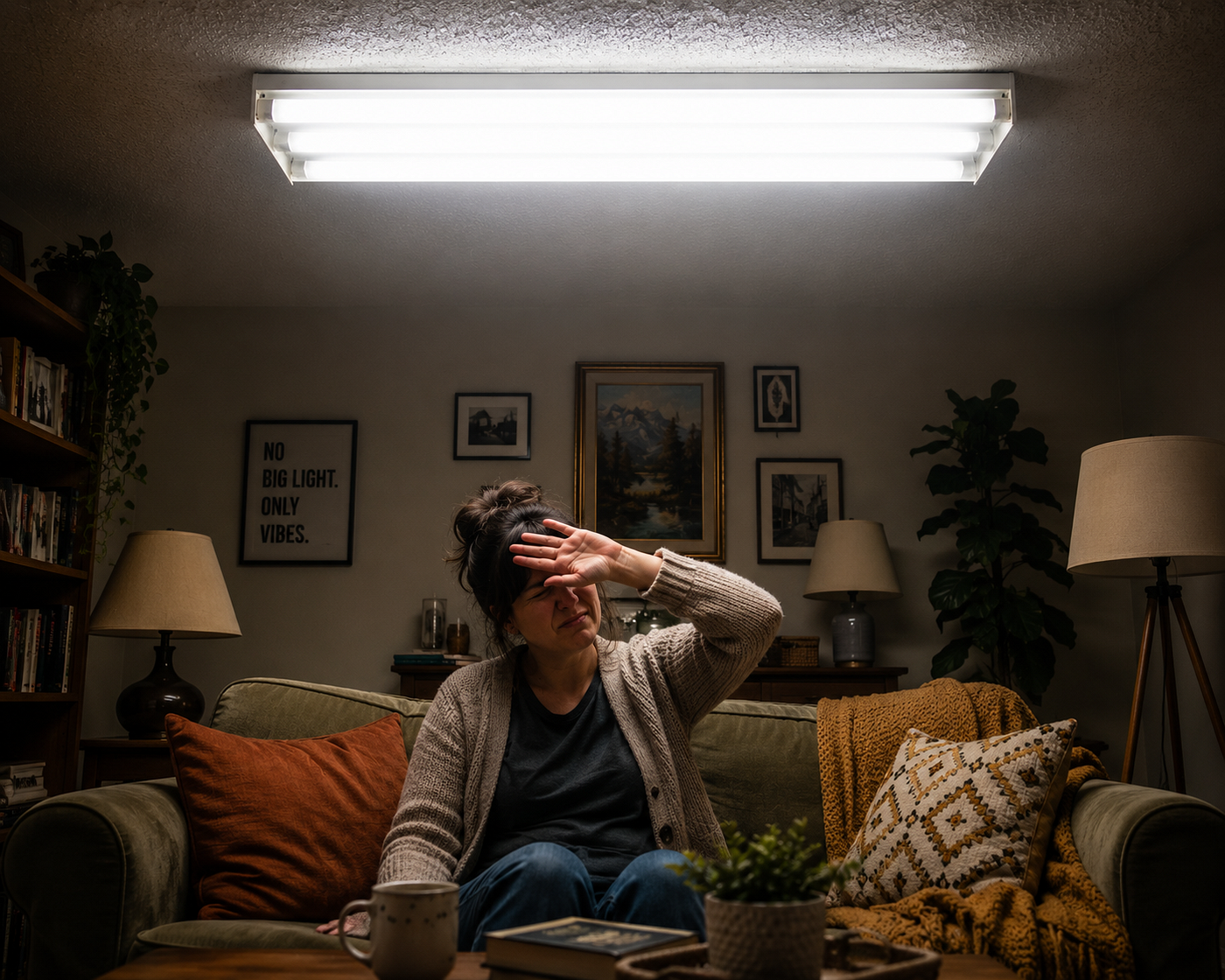
Photo by Cory Mogk on Unsplash
Content Warning: This article contains discussion of suicide, suicidal ideation, and mental health challenges among autistic people, including personal reflections. If you or anyone you know needs help, in the U.S. and Canada, you can call or text 988 to connect with a trained crisis counselor 24/7. You deserve support.
Yesterday, I was back at Denver Health again.
I’m there fairly often. It’s where I had surgery after breaking my leg two years ago. It’s where I was diagnosed with autism four years ago. And it’s where, every month, I meet with Ellen, the psychiatric nurse who’s overseen my medications for the past year.
We’ve spent that year experimenting — adjusting medications, fine-tuning dosages, trying to find the combination that would quiet a brain determined to destroy itself.
Though, to be accurate, during those first few months I barely spoke at all.
I cried so hard during our appointments that conversation was almost impossible.
Between gasps for breath, I’d tell Ellen that I thought about suicide nearly constantly. At almost every visit, I’d empty an entire box of those rough, institutional tissues, soaking one after another before tossing them into her rapidly filling wastebasket.
When I did manage to sleep, I told her, I dreamed about suicide, too.
There was talk of hospitalization. Had I not been sharing a home with my mom — who has remained constantly aware of my mental health — I think that probably would have been the safest way to keep me alive.
Over the past few months, maybe since April, I’ve become more stable. I can sit in Ellen’s office now and have a conversation without crying.
But the fear of ending up back there never really leaves.
I’ve spent so much of my life sharing a body with someone who wants to kill me.
Even when there’s a temporary ceasefire on the battlefield of my brain, I know my would-be murderer is still there, waiting. That awareness has followed me since I was eight years old, when I first began wondering what it would be like to simply…not exist.
For more than forty years, my mental health dictated almost every major decision I made. It held me hostage.
Then I was diagnosed with autism at forty-nine, and everything I thought I knew about myself changed.
Before that diagnosis, I had no idea that depression and anxiety are among the most common conditions that accompany autism.
Looking back, I’m not surprised I missed it. I believed the same stereotypes many other people do, and depression isn’t part of the popular image of autism. Television gives us quirky geniuses, rigid routines, encyclopedic knowledge, and charming eccentricities. It rarely shows autistic people fighting simply to stay alive.
Real life is considerably more complicated than television.
Research consistently shows that autistic people experience depression at far higher rates than neurotypical people. As it did for me, those struggles often begin early.
Studies have found a startlingly high rate of suicidal thoughts in autistic children as young as seven or eight years old.
Large international studies have found that autistic people are up to seven times more likely to die by suicide and six times more likely to attempt suicide than the general population. Suicide is the second leading cause of premature death among autistic people, and autistic women are 13 times more likely than non-autistic women to die by suicide.
Those statistics are heartbreaking, but they also raise an obvious question.
Why?
Is there something about autistic neurology itself that increases the risk? Or is depression largely the result of living in a world that constantly misunderstands, overwhelms, and excludes autistic people?
The answer isn’t straightforward.
One theory suggests that differences in neural pruning during childhood contribute to hyperconnectivity in autistic brains, resulting in them processing far more information at rest than non-autistic brains. For me, that fits the experience of feeling pursued by thoughts that never fully stop.
But biology is only part of the story.
Being autistic in a world that wasn’t designed for you can be profoundly traumatic.
There’s the double empathy problem, which makes communication between autistic and non-autistic people more difficult than either group often realizes. Studies have found that neurotypical people frequently form negative impressions of autistic people within seconds, even when they can’t explain why. Carry enough experiences like that, and it’s easy to begin believing you’re fundamentally unlikeable or that you simply don’t belong anywhere.
Then there’s the relentless sensory and emotional overload.
At the height of my depression last year, I cried and shook so violently that my teeth chattered most of the time I was awake. For months, I could barely leave the house because I was terrified I’d have a breakdown in public. That’s a miserable — and unsustainable — way to live.
There’s also the economic reality.
Estimates vary, but somewhere between 40 and 80 percent of autistic adults are unemployed or underemployed. Lack of stable employment often comes with financial instability, the loss of health insurance, and limited access to mental health care.
Taken together, it makes the suicide statistics seem devastatingly understandable.
As I was leaving Ellen’s office yesterday, she told me she was proud of me and of the work I’ve done over the past year.
I thanked her — for saying that, and for helping me climb out of the hole I was in when we first met.
But as I walked to my car, I realized there is one part of this experience that very few people can truly understand — what it’s like to struggle every day to suppress an inner murderer intent on your own demise. What it’s like to spend a lifetime sharing a body with a voice that’s trying to convince you not to survive.
Recovery doesn’t always mean that voice disappears.
Sometimes it simply means you become better at refusing to let it win.
메타데이터
- post_id
- c35e4e53369b
- slug
- why-are-so-many-autistic-people-ending-their-own-lives-c35e4e53369b
- url
- https://medium.com/invisible-illness/why-are-so-many-autistic-people-ending-their-own-lives-c35e4e53369b
- canonical_url
- https://medium.com/invisible-illness/why-are-so-many-autistic-people-ending-their-own-lives-c35e4e53369b
- author_url
- https://medium.com/@leahwelborn
- status
- ok
- fetched_at
- 2026-08-07 12:49:38