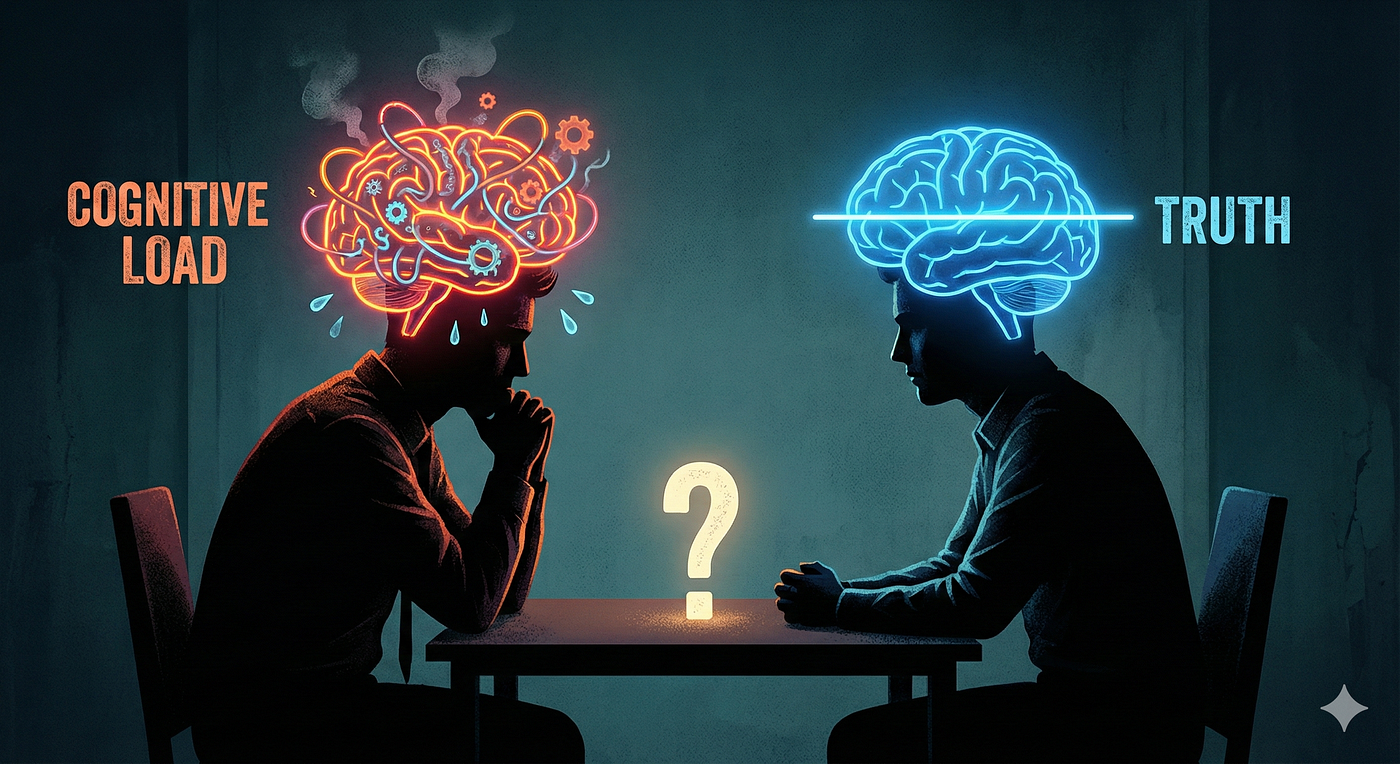
Dating, Gender Divide & Domestic Violence
A Framework for Reducing Relational Conflict Through Incentive Alignment, Emotional Intelligence, and Mutual Accountability
Dating, Gender Divide & Domestic Violence
A Framework for Reducing Relational Conflict Through Incentive Alignment, Emotional Intelligence, and Mutual Accountability

Author: Aaron Snyder
The Entire World
Abstract
Relational conflict between men and women has increasingly become framed through adversarial narratives in modern social discourse. Popular discussions often attribute relationship dysfunction to moral failure or inherent flaws within one gender or the other. While individual accountability remains important, such framing frequently obscures deeper systemic dynamics that contribute to relational instability.
This paper proposes that many modern dating and relationship conflicts emerge from misaligned social incentives, trauma-conditioned behavior patterns, and communication breakdowns rather than from inherent hostility between genders.
Contemporary cultural environments frequently reward behaviors that undermine long-term relational stability. Performative confidence may be socially rewarded over emotional maturity, strategic ambiguity may replace honest communication, and adversarial narratives between genders may be amplified through digital media ecosystems.
When such patterns become normalized, individuals adapt to the incentives present in their environment. Short-term strategies that provide validation or social advantage may ultimately undermine trust, safety, and long-term relationship stability.
This paper examines the structural factors contributing to the modern gender divide in dating and relationships, including media conditioning, trauma patterns, communication failures, and shifting social norms.
It further proposes a framework for reducing relational harm through incentive redesign, emotional intelligence development, mutual accountability, abuse prevention, and restorative repair practices.
The goal of this framework is not to assign blame to either gender but to promote relational environments that reward authenticity, responsibility, and healthy conflict resolution.
Healthy relationships require both individual maturity and supportive cultural norms. When societies reward emotional intelligence, mutual respect, and accountable repair processes, relational stability and safety improve for everyone involved.
1. Introduction
Romantic relationships have historically played a central role in human social organization. Long-term partnerships contribute to family formation, social stability, and individual psychological well-being. However, in recent years many societies have witnessed increasing levels of relational conflict, mistrust, and polarization between men and women.
Public discourse surrounding these issues often takes the form of perception wars, in which each gender highlights negative experiences with the other and interprets those experiences as representative of broader patterns.
Men may describe experiences of rejection, manipulation, or perceived lack of appreciation. Women may describe experiences of emotional neglect, coercion, or safety concerns. While many of these experiences are valid at the individual level, the resulting narratives can easily evolve into generalized hostility toward entire groups.
Digital media environments frequently amplify this dynamic. Social media platforms reward emotionally charged content, and extreme or sensational stories often receive greater visibility than balanced perspectives. As a result, individuals may encounter a disproportionate number of negative examples from the opposite gender, reinforcing adversarial beliefs.
However, framing the gender divide as a conflict between inherently incompatible groups risks oversimplifying a far more complex set of social dynamics.
Many relational problems emerge not from inherent malice but from feedback loops created by social incentives, trauma patterns, communication breakdowns, and cultural conditioning. When unhealthy behaviors receive short-term rewards — such as validation, attention, or social status — they may spread even when they ultimately undermine trust and stability.
Understanding these dynamics requires examining the broader systems that shape human relational behavior.
Importantly, this paper does not seek to assign blame to either gender. Harmful behaviors, relational misunderstandings, and abusive dynamics can occur across genders and across relationship structures. A productive approach to reducing relational conflict must therefore focus on incentive structures and behavioral patterns rather than gender-based moral judgments.
Additionally, while trauma and social conditioning can help explain certain behaviors, they do not excuse abusive conduct. Abuse — whether physical, emotional, psychological, financial, or coercive — remains unacceptable regardless of its origins. Ensuring safety and preventing harm must remain a central priority within any framework addressing relationship dynamics.
This paper therefore approaches the gender divide not as a competition between men and women, but as a systemic problem shaped by cultural incentives, communication patterns, and psychological conditioning.
The goal of this research is to identify mechanisms that contribute to relational conflict and to propose a framework for reducing harm through:
- improved emotional intelligence
- mutual accountability
- healthier communication norms
- early intervention and abuse prevention
- restorative repair processes where safe and appropriate
Healthy relationships are not built on competition, leverage, or social performance. They are built on safety, honesty, emotional maturity, and mutual effort.
Rebuilding those foundations requires examining not only individual behavior, but also the cultural incentives that shape how individuals learn to relate to one another.
2. Incentives and Social Conditioning
Human behavior is strongly shaped by the incentive structures present within social environments. Individuals rarely choose harmful relational strategies because they prefer conflict or dysfunction. Rather, they adopt behaviors that appear to produce success, validation, or protection within the environments they inhabit.
When those environments reward behaviors that undermine long-term relationship stability, individuals may unknowingly internalize patterns that contribute to conflict.
Modern dating environments are influenced by a complex combination of cultural narratives, media representations, economic conditions, and digital communication systems. Together, these forces shape expectations regarding attraction, status, gender roles, and emotional expression.
Understanding how these incentives operate is essential for addressing the relational conflicts that emerge from them.
2.1 Media and Cultural Conditioning
Media environments play a significant role in shaping expectations about romantic relationships. For many individuals, cultural narratives encountered through television, film, music, and digital media function as informal educational systems for understanding attraction and relational dynamics.
Social learning theory suggests that individuals often learn behaviors by observing models within their environment, particularly when those behaviors appear to be rewarded [1]. When romantic relationships are repeatedly portrayed through narratives emphasizing emotional volatility, dominance, or competition, audiences may internalize those dynamics as indicators of attraction.
Characters who display jealousy, emotional unavailability, or dominance are frequently portrayed as charismatic or desirable. Meanwhile, emotionally stable and communicative characters may be depicted as predictable or unexciting.
Although these portrayals are often intended for entertainment purposes, they can contribute to distorted perceptions of what healthy romantic relationships should look like.
Research on media influence suggests that repeated exposure to certain relationship patterns can shape expectations regarding gender roles, communication styles, and attraction cues [2].
2.2 Social Media as Behavioral Reinforcement
Digital platforms further intensify these dynamics by functioning as large-scale behavioral reinforcement systems.
Social media algorithms are designed to prioritize content that generates engagement, including reactions such as likes, comments, and shares. Emotionally provocative content often receives greater visibility within these systems, encouraging the amplification of conflict-driven narratives [3].
Within dating discourse, this dynamic can reward posts that frame interactions between men and women in highly polarized terms. Stories highlighting betrayal, manipulation, or extreme behavior may receive greater attention than discussions emphasizing cooperation or emotional growth.
While such narratives often originate from real experiences, their disproportionate visibility may lead individuals to perceive these examples as representative of typical relationship dynamics.
This phenomenon contributes to what communication researchers describe as availability bias, in which individuals estimate the prevalence of events based on how easily examples come to mind [4].
Repeated exposure to negative relational narratives may therefore reinforce distrust between genders even when those narratives represent a minority of interactions.
2.3 Shame Loops and Defensive Roles
Gender-specific social expectations can also create patterns of defensive behavior that complicate healthy communication.
Many men report experiencing social pressure to suppress emotional vulnerability. Research in gender psychology has shown that cultural norms surrounding masculinity often discourage the open expression of emotional pain or insecurity [5].
As a result, some men may adopt emotionally guarded or performative personas as protective strategies.
Women may encounter different but equally complex pressures. In many social environments, open expressions of sexual desire or assertiveness may carry social stigma, encouraging indirect communication strategies designed to preserve social acceptance.
These dynamics can create defensive relational roles, where individuals prioritize protecting themselves from potential rejection or social judgment rather than communicating openly.
Over time, these behaviors can create shame loops in which authenticity feels socially risky while strategic performance appears safer.
When both partners operate within defensive roles, relational misunderstandings become more likely.
2.4 Incentives That Reward Short-Term Strategy
Another challenge within modern dating environments involves the difference between behaviors that generate short-term attraction and those that support long-term relational stability.
Research in evolutionary psychology and relationship science suggests that traits associated with short-term attraction — such as confidence, risk-taking, or emotional intensity — may differ significantly from traits associated with long-term relationship success, such as emotional stability, reliability, and empathy [6].
Individuals conditioned by media narratives or previous relationship experiences may therefore misinterpret certain behaviors as indicators of compatibility when they actually reflect instability.
For example, emotional volatility may be mistaken for passion, while emotional steadiness may be perceived as a lack of excitement.
Over time, repeated reinforcement of these misinterpretations can contribute to cycles of unstable relationships and growing distrust between partners.
This dynamic illustrates a broader behavioral principle:
Individuals adapt to the strategies that appear to produce social reward.
When performative behaviors receive greater validation than authentic communication, those behaviors may become normalized.
3. Dating Dynamics and Relational Framing
In addition to behavioral incentives, the conceptual framing of romantic relationships plays a significant role in shaping relational outcomes.
Many contemporary discussions of dating emphasize competitive dynamics between genders rather than cooperative partnership. Such narratives may subtly influence how individuals approach romantic interaction.
Rather than viewing relationships as collaborative partnerships, individuals may begin to view them as strategic negotiations involving leverage, status, or emotional bargaining.
This shift in framing can significantly alter relational behavior.
3.1 “Prize” Versus “Partner” Framing
One of the most common narratives within modern dating culture involves framing one partner as the “prize” while the other assumes the role of pursuer.
While pursuit dynamics may create excitement during early attraction stages, they can also introduce structural imbalances that complicate long-term relational stability.
Social exchange theory suggests that individuals often evaluate relationships through perceived costs and benefits [7]. When relationships are framed through hierarchical or transactional lenses, individuals may focus more on status comparison than emotional connection.
If one partner is consistently treated as the prize, the other may feel pressure to maintain performance or compete for validation. This dynamic can generate anxiety, resentment, or feelings of inadequacy over time.
Healthy relationships tend to function more effectively when both partners view one another as collaborators rather than competitors.
3.2 Transactional Bonding
Another relational pattern that can undermine trust involves transactional bonding, in which affection, attention, or intimacy becomes conditional upon the fulfillment of expectations.
In such dynamics, emotional connection may function as a form of leverage rather than genuine expression.
Research on relationship satisfaction consistently demonstrates that stable partnerships are associated with mutual responsiveness, emotional support, and shared commitment rather than strategic exchange [8].
When relationships become transactional, trust often deteriorates. Individuals may begin to interpret acts of affection as negotiation rather than authentic care.
Over time, this dynamic can increase suspicion and reduce emotional safety within the relationship.
3.3 Short-Term Attraction Versus Long-Term Compatibility
Many dating environments emphasize rapid attraction and immediate chemistry. However, research in relationship psychology suggests that the traits associated with initial attraction often differ from those associated with long-term compatibility [9].
Characteristics such as emotional regulation, empathy, and reliability tend to play a larger role in long-term relationship satisfaction than traits associated with short-term excitement.
However, individuals conditioned by chaotic or high-intensity relational environments may interpret emotional volatility as evidence of strong connection.
Understanding this distinction between short-term attraction and long-term compatibility may help individuals make more informed relational decisions and reduce the likelihood of entering unstable partnerships.
4. Communication Failures
Communication is one of the most significant determinants of relationship stability. Healthy relationships require the ability to express needs, interpret emotional signals, negotiate differences, and repair misunderstandings when conflict occurs.
When communication breaks down, even relatively small disagreements can escalate into persistent resentment and distrust.
Research in relationship psychology consistently identifies communication patterns as one of the strongest predictors of both relationship satisfaction and relationship failure [10]. Poor communication does not necessarily indicate malicious intent; rather, it often reflects learned behavioral strategies that individuals adopt in response to past experiences, cultural expectations, or emotional stress.
However, when these strategies become normalized within relationships, they can create cycles of misunderstanding and escalating conflict.
Several recurring communication patterns frequently contribute to relational instability.
4.1 Reaction Replaces Explanation
One common communication failure occurs when individuals respond to emotional discomfort through reactive behavior rather than explanation.
Instead of clearly describing what caused emotional pain, individuals may withdraw, become defensive, or express anger without articulating the underlying concern.
For example, a partner may feel hurt by a specific interaction but struggle to express that feeling directly. Instead of explaining the experience, they may shut down emotionally, respond with sarcasm, or escalate into criticism.
This dynamic can create confusion for the other partner, who may not understand the source of the reaction.
Communication researchers note that unclear emotional signaling frequently leads partners to rely on interpretation rather than direct understanding [11]. When individuals are forced to guess the cause of their partner’s distress, they may misinterpret the situation and respond in ways that unintentionally worsen the conflict.
Over time, repeated misunderstandings can erode trust and increase emotional distance between partners.
Healthy communication requires shifting from reactive responses toward descriptive explanation. Partners must learn to articulate emotional experiences clearly rather than expecting others to infer them.
4.2 Silence as Punishment
Another common communication failure involves the use of silence as a form of emotional punishment or control.
In conflict situations, individuals may withdraw from communication entirely, refusing to discuss the issue or acknowledge their partner’s attempts at reconciliation. While temporary pauses can sometimes help individuals regulate emotional intensity, prolonged silence can function as a coercive tactic.
Relationship researchers often refer to this pattern as stonewalling, a behavior strongly associated with long-term relational distress [12].
When one partner refuses communication, the other may experience anxiety, frustration, or feelings of abandonment. Attempts to re-engage may be interpreted as pressure, which can further escalate tension.
Over time, this dynamic can create a pattern in which conflict becomes increasingly difficult to resolve because communication itself has become unsafe or unreliable.
Healthy relationships require the ability to pause conflict when necessary while maintaining a shared commitment to eventually address unresolved issues.
4.3 Boundary Versus Control Confusion
Another source of relational conflict arises from confusion between personal boundaries and controlling behavior.
A boundary describes an action an individual will take to protect their own well-being. For example, a person may state that they will leave a conversation if it becomes verbally abusive.
Control, by contrast, attempts to dictate another person’s behavior through demands or threats.
In practice, the distinction between these two concepts can become blurred during emotional conflict. Individuals may frame controlling behavior as a boundary, or they may interpret legitimate boundaries as attempts at domination.
For example, a request for respectful communication may be interpreted as an attempt to control emotional expression. Conversely, demands regarding another person’s friendships or activities may be justified as boundary-setting.
Clear communication about boundaries requires focusing on one’s own actions rather than attempting to enforce behavior changes in others.
Understanding this distinction can help reduce unnecessary power struggles within relationships.
4.4 Escalation Through Misinterpretation
Human communication relies heavily on interpretation. Tone of voice, facial expression, timing, and context all influence how messages are perceived.
When individuals enter conflict situations with preexisting emotional wounds or defensive expectations, they may interpret ambiguous signals as hostile or dismissive.
Psychological research on attribution bias shows that individuals in conflict often interpret their partner’s behavior as intentional while attributing their own behavior to external circumstances [13].
For example, a delayed text message may be interpreted as neglect or disinterest rather than the result of unrelated circumstances. Similarly, a brief comment made during stress may be interpreted as disrespect rather than emotional overload.
When such interpretations accumulate, partners may develop narratives about each other that reinforce mistrust.
Breaking these cycles often requires intentionally slowing communication, clarifying assumptions, and verifying interpretations before reacting emotionally.
4.5 Conflict Without Repair
Conflict itself is not necessarily harmful to relationships. In fact, many healthy relationships include frequent disagreement.
The critical difference lies in whether conflict is followed by repair.
Repair refers to the process through which partners acknowledge harm, clarify misunderstandings, and restore emotional connection after disagreement.
Relationship research suggests that successful couples often engage in repair attempts during or after conflict, including apology, humor, reassurance, or expressions of empathy [14].
When repair does not occur, unresolved conflict can accumulate over time. Each unresolved disagreement adds to a growing reservoir of resentment that may eventually lead to explosive arguments or emotional withdrawal.
In severe cases, repeated unresolved conflict can create conditions in which partners view each other as adversaries rather than allies.
Learning how to repair conflict effectively is therefore one of the most important relational skills individuals can develop.
4.6 Communication as a Learned Skill
A final challenge surrounding communication failures is that many individuals simply have not been taught effective relational communication skills.
Educational systems rarely provide training in emotional regulation, conflict resolution, or interpersonal communication. As a result, many people enter adult relationships relying primarily on the behavioral models they observed during childhood or in media representations of relationships.
If those models involved avoidance, aggression, or emotional suppression, individuals may replicate those patterns without realizing that healthier alternatives exist.
Improving relational communication therefore requires both individual learning and broader cultural change.
When societies normalize emotional literacy, constructive disagreement, and accountability for harm, communication patterns within relationships can gradually shift toward greater clarity and stability.
5. Childhood Trauma and Attachment Dynamics
A significant portion of relational conflict cannot be fully understood without examining the psychological development patterns that shape how individuals experience intimacy. Many behaviors that appear irrational, defensive, or contradictory within adult relationships originate from early attachment experiences and emotional conditioning formed during childhood.
Human attachment systems develop primarily during early caregiving relationships. These formative experiences influence how individuals perceive safety, trust, abandonment, and emotional closeness throughout their lives. When early caregiving environments are stable and responsive, individuals often develop secure attachment patterns that support healthy emotional regulation and communication.
However, when childhood environments involve instability, neglect, conditional affection, or emotional unpredictability, individuals may develop adaptive survival strategies that later complicate adult relationships.
Attachment research suggests that individuals who experience inconsistent or emotionally unavailable caregiving may develop patterns of anxiety, avoidance, or hypervigilance in intimate relationships [15]. These responses were often protective during childhood but can create misunderstanding and conflict when carried into adult partnerships.
Understanding these patterns does not remove personal responsibility for behavior. Rather, it helps explain why many individuals enter relationships with emotional responses shaped by earlier experiences that were outside their control.
5.1 Attachment Patterns and Relationship Behavior
Attachment theory describes several general patterns that individuals may develop in response to early caregiving experiences. These patterns influence how people respond to intimacy, conflict, and perceived emotional threats.
Individuals with secure attachment generally feel comfortable with emotional closeness and trust that disagreements can be resolved without threatening the stability of the relationship.
By contrast, individuals with anxious attachment patterns may experience strong fear of abandonment or rejection. In relationships, this may manifest as heightened sensitivity to perceived distance, emotional testing of partners, or attempts to secure reassurance through controlling or clingy behavior.
Individuals with avoidant attachment patterns may experience discomfort with emotional vulnerability and may respond to relational stress by withdrawing, minimizing emotional needs, or distancing themselves from conflict.
These patterns are not fixed personality traits. Rather, they represent learned coping strategies that can change through self-awareness, therapy, and supportive relational experiences.
However, when two individuals with unaddressed attachment wounds enter a relationship together, their coping strategies may interact in ways that escalate conflict.
For example, an anxiously attached partner may pursue reassurance while an avoidantly attached partner withdraws from emotional intensity. This pattern can create a self-reinforcing cycle in which each partner unintentionally triggers the other’s fears.
5.2 Trauma-Based Coping Strategies
In addition to attachment patterns, many individuals carry trauma responses that shape their relational behavior.
Psychological trauma occurs when experiences overwhelm an individual’s capacity to process emotional distress. These experiences may include childhood neglect, abuse, abandonment, or repeated emotional invalidation.
Trauma responses are often stored within the nervous system and may be activated during situations that resemble earlier experiences of threat.
Common trauma-based coping responses include:
Abandonment fear
Individuals who experienced inconsistent caregiving may develop intense fear of rejection. In relationships, this can manifest as jealousy, emotional testing, or attempts to control a partner’s behavior in order to maintain proximity.
Emotional shutdown
Individuals who learned that emotional expression was unsafe may respond to conflict by disconnecting emotionally. While this strategy may have protected them during earlier experiences, it can create confusion or emotional distance in adult relationships.
Hypervigilance
People who experienced unpredictable environments during childhood may develop heightened sensitivity to perceived threats. In relationships, they may constantly scan for signs of rejection, betrayal, or abandonment.
People-pleasing behaviors
Individuals who received affection conditionally may learn to prioritize others’ needs at the expense of their own. While this behavior may initially appear cooperative, it can eventually lead to resentment and suppressed emotional needs.
These strategies often represent attempts to maintain emotional safety rather than attempts to harm others. However, when these patterns remain unexamined, they can significantly destabilize intimate relationships.
5.3 Trauma as Explanation, Not Excuse
While trauma can explain certain relational behaviors, it cannot excuse harmful actions toward others.
Understanding psychological conditioning is important for developing empathy and effective healing strategies. However, individuals remain responsible for recognizing when their coping mechanisms begin harming others.
For example, jealousy driven by abandonment fear does not justify controlling a partner’s behavior. Emotional shutdown during conflict does not justify refusing communication indefinitely. Similarly, past experiences of betrayal do not justify retaliation or manipulation within current relationships.
Healthy relationships require a balance between compassion for psychological wounds and accountability for present behavior.
In practice, this means recognizing that healing is an ongoing responsibility. Individuals who become aware that their trauma responses are harming partners must actively pursue strategies for growth and self-regulation.
Such strategies may include therapy, emotional regulation training, communication skill development, or participation in structured relationship counseling.
Without this commitment to personal growth, trauma responses may continue to reproduce cycles of relational instability.
5.4 Trauma and the Gender Divide
Unprocessed trauma can also contribute to the broader gender divide observed in modern dating discourse.
When individuals repeatedly experience painful relationship outcomes, they may begin to interpret future interactions through the lens of past hurt. Over time, these experiences may shape generalized beliefs about the opposite gender.
For example, someone who has experienced repeated betrayal may develop defensive assumptions that partners cannot be trusted. Similarly, someone who has experienced emotional neglect may develop beliefs that vulnerability is unsafe or ineffective.
When these beliefs become widespread within social discourse, they can contribute to collective narratives portraying one gender as inherently manipulative, dangerous, or emotionally unreliable.
These narratives often arise from genuine experiences but become problematic when they evolve into sweeping generalizations.
Recognizing the role of trauma in shaping relational perception may help shift the conversation away from blame toward healing and understanding.
5.5 The Role of Self-Repair
A key insight emerging from trauma and attachment research is that healthy relationships require individual self-repair in addition to relational repair.
Partners can support one another through empathy and communication, but no relationship can fully compensate for unresolved psychological wounds.
Individuals who actively engage in self-reflection, therapy, or emotional growth often become better equipped to manage relational stress without projecting past trauma onto present partners.
This process does not require perfection. Instead, it requires a willingness to examine one’s own behavior patterns and take responsibility for growth.
In this sense, relational stability emerges not only from compatibility between partners but also from the psychological maturity of the individuals involved.
As societies place greater emphasis on emotional intelligence, trauma awareness, and self-reflection, the likelihood of stable and respectful relationships may increase.
6. Domestic Violence and Abuse
While many relationship conflicts arise from miscommunication, emotional wounds, or incompatible expectations, some dynamics escalate into patterns of abuse. Domestic violence represents one of the most serious forms of relational harm and requires clear boundaries, accountability, and safety-centered intervention.
Abuse can occur across genders and relationship structures. Although patterns of victimization vary across populations, research consistently shows that domestic violence includes a wide spectrum of behaviors beyond physical assault. Emotional, psychological, financial, and coercive abuse can produce long-term harm comparable to physical violence in their impact on mental health and personal autonomy [16].
Understanding the mechanisms through which abusive dynamics develop is essential for preventing escalation and protecting those at risk.
However, addressing domestic violence also requires acknowledging the social stigma and narrative conflicts that can distort public understanding of abuse. When discussions of domestic violence become polarized or politically weaponized, they can unintentionally discourage victims from seeking help and deepen mistrust between genders.
Effective prevention must therefore balance two priorities simultaneously: ensuring strong protection for victims while maintaining accurate and nuanced understanding of how abuse manifests across different situations.
6.1 Defining Abuse
Domestic violence is commonly associated with physical harm, but abusive dynamics often begin long before physical violence occurs.
Abuse can take several forms:
Physical abuse
Any act of violence, intimidation, or physical harm directed toward a partner.
Emotional and psychological abuse
Patterns of humiliation, manipulation, intimidation, or persistent verbal degradation intended to undermine a partner’s self-worth.
Coercive control
Attempts to dominate a partner’s autonomy through threats, isolation, monitoring, or restrictions on behavior.
Financial abuse
Control over a partner’s access to financial resources in ways that create dependency or restrict independence.
Sexual coercion
Pressure, manipulation, or force used to obtain sexual activity without full consent.
These forms of abuse often appear in combination rather than isolation. Psychological manipulation and control tactics frequently precede physical violence, gradually increasing a victim’s vulnerability.
Because many of these behaviors develop incrementally, individuals may struggle to recognize the severity of the situation until patterns have already become entrenched.
6.2 Escalation Pathways
Abusive dynamics often emerge through escalating cycles rather than immediate violence.
Several psychological and relational mechanisms frequently contribute to this escalation.
Unresolved insecurity and control attempts
Individuals experiencing intense fear of abandonment or betrayal may attempt to regulate their partner’s behavior in order to reduce anxiety. Over time, such attempts can evolve into controlling behavior.
Shame and humiliation cycles
Repeated experiences of perceived disrespect or rejection may trigger defensive aggression or retaliation. When shame is not processed constructively, it can escalate into hostile behavior.
Isolation strategies
Some abusive dynamics involve gradually separating a partner from supportive friends, family, or social networks. This isolation can increase dependency and reduce the victim’s access to outside perspective or assistance.
Group reinforcement
In some cases, friends or social groups may unintentionally reinforce abusive behavior by encouraging retaliation, validating harmful narratives, or escalating interpersonal conflict.
While not all controlling behavior becomes violent, these escalation patterns highlight the importance of early intervention before abuse intensifies.
6.3 Gender, Statistics, and Public Perception
Research consistently shows that domestic violence remains a significant public health concern. In the United States, studies from the Centers for Disease Control and Prevention estimate that approximately one in four women and one in seven men experience severe physical violence from an intimate partner during their lifetime [17].
Women are more likely to experience severe physical injury or homicide within intimate partner violence contexts, particularly when violence escalates over time.
However, research also indicates that men experience substantial rates of psychological abuse and physical violence in relationships, though these experiences are often underreported due to social stigma and lack of support resources [18].
Public discussion of domestic violence sometimes becomes polarized around gender narratives, which can inadvertently obscure the complexity of the issue.
For example, some public narratives portray domestic violence as exclusively male-perpetrated, while others frame it as symmetrical across genders. In reality, patterns of victimization vary depending on the type of violence being examined, the context of the relationship, and reporting practices.
When discussions of domestic violence become framed primarily through ideological conflict rather than harm prevention, several negative outcomes may occur:
- victims may hesitate to seek help if they feel their experiences will not be believed or taken seriously
- social stigma may discourage individuals from reporting abuse
- communities may become divided over competing narratives rather than cooperating to protect vulnerable individuals
Recognizing the full scope of domestic violence requires acknowledging that harm can occur across genders while still recognizing differences in severity, context, and vulnerability.
6.4 Stigma and Reporting Barriers
One of the most significant challenges in addressing domestic violence is the stigma associated with reporting abuse.
Victims may fear disbelief, social judgment, retaliation from partners, or damage to their personal reputation. These concerns can be particularly strong in situations where social narratives appear to minimize or invalidate certain experiences.
Men who experience domestic violence often face additional barriers due to cultural expectations regarding masculinity and emotional resilience. Many male victims report fear of ridicule or dismissal when attempting to seek assistance [19].
Women facing abuse may encounter different forms of stigma, including fears of being blamed for provoking violence or concerns about financial stability if they leave an abusive relationship.
These reporting barriers contribute to significant underreporting of domestic violence incidents across all demographics.
Addressing domestic violence effectively therefore requires creating support systems that prioritize safety, confidentiality, and nonjudgmental assistance for anyone experiencing abuse.
6.5 Non-Negotiable Safety Standards
While relational conflict can often be addressed through communication and repair, abuse represents a boundary beyond which reconciliation may not be appropriate or safe.
Several behaviors should be considered non-negotiable indicators that immediate intervention or separation may be necessary:
- physical intimidation or violence
- threats of harm toward a partner or their loved ones
- coercion or forced isolation
- persistent humiliation or psychological degradation
- patterns of controlling behavior that restrict autonomy
When such behaviors occur, the priority must shift from relationship repair to ensuring safety and preventing further harm.
Support systems such as domestic violence shelters, crisis hotlines, legal protections, and counseling services play a critical role in protecting victims during these situations.
6.6 Distinguishing Conflict from Abuse
It is also important to distinguish between intense relational conflict and abusive behavior.
Arguments, emotional disagreements, and communication failures can occur even within otherwise healthy relationships. These situations may require improved communication skills, counseling, or structured mediation.
Abuse, however, involves patterns of behavior intended to dominate, intimidate, or harm a partner.
Confusing these categories can create two separate problems. On one hand, minimizing abusive behavior as ordinary conflict can leave victims without adequate protection. On the other hand, labeling every interpersonal disagreement as abuse may reduce the ability to identify genuinely dangerous situations.
Effective prevention strategies require recognizing these distinctions while maintaining a strong commitment to protecting individuals from harm.
6.7 Prevention Through Early Intervention
Many abusive relationships follow patterns that begin with relatively small warning signs before escalating.
Early intervention strategies may therefore reduce the likelihood that conflict will evolve into violence.
Examples include:
- relationship education programs focused on emotional regulation and communication skills
- accessible counseling services for couples experiencing escalating conflict
- community support systems that encourage accountability and de-escalation
- public education campaigns promoting healthy relationship norms
By identifying and addressing harmful dynamics early, societies may reduce the likelihood that relational conflict escalates into abuse.
7. Mutual Accountability
A recurring theme in modern discussions of relationships and gender dynamics is the concept of accountability. In many cases, individuals emphasize the importance of accountability when discussing the harmful behaviors of others. However, meaningful accountability requires more than assigning blame to opposing groups. It requires a willingness to examine one’s own behavior, recognize personal contributions to relational dynamics, and take responsibility for change.
When accountability becomes one-directional — focused exclusively on the perceived failures of the other partner or the other gender — it can deepen resentment rather than resolve conflict. This dynamic often contributes to the adversarial narratives that dominate many contemporary discussions about dating and relationships.
Mutual accountability offers an alternative framework. Rather than framing relational problems as battles between opposing sides, mutual accountability encourages individuals to evaluate both their own actions and the broader patterns that shape relational conflict.
This approach does not imply that responsibility is always evenly distributed between partners. In cases involving abuse or coercion, responsibility lies clearly with the person causing harm. However, in many relational conflicts, both partners may contribute to escalating dynamics through miscommunication, defensive behavior, or unresolved emotional wounds.
Encouraging mutual accountability allows individuals to focus on constructive change rather than adversarial blame.
7.1 Individual Responsibility
At the core of mutual accountability lies individual responsibility. Each person in a relationship is responsible for their own actions, reactions, and communication patterns.
This principle applies even when someone has been hurt by a partner’s behavior. Experiencing harm does not justify retaliatory harm, manipulation, or emotional punishment.
Healthy accountability involves recognizing when one’s own behavior contributes to relational instability. This may include:
- acknowledging communication patterns that escalate conflict
- recognizing defensive reactions rooted in past trauma
- taking responsibility for emotional outbursts or harmful language
- examining expectations placed on partners
Self-reflection can be challenging because it requires confronting uncomfortable truths about one’s own behavior. However, individuals who engage in honest self-assessment often develop stronger emotional regulation and healthier relational patterns.
Importantly, self-accountability does not require accepting blame for actions committed by others. Instead, it involves recognizing areas where personal growth can reduce future conflict.
7.2 Accountability Without Retaliation
Another challenge in relational conflict arises when accountability becomes intertwined with retaliation.
When individuals feel wronged by a partner, they may attempt to restore emotional balance by inflicting comparable harm. This behavior can take many forms, including verbal attacks, social shaming, manipulation, or intentional emotional withdrawal.
While these responses may temporarily relieve feelings of injustice, they often intensify the original conflict.
Escalation cycles frequently develop when both partners attempt to punish one another rather than address the underlying issue.
Constructive accountability differs from punishment. Its purpose is to recognize harm, understand the factors that contributed to it, and prevent similar situations from recurring.
This process often involves several steps:
- acknowledging the harm that occurred
- expressing sincere accountability or apology
- identifying behavioral changes necessary for repair
- establishing boundaries that prevent future harm
When both partners participate in this process, relational trust may gradually be restored.
7.3 The Role of Social Circles
Relationships rarely exist in isolation. Friends, family members, and social communities often influence how individuals interpret and respond to relational conflict.
Support networks can provide valuable perspective, emotional support, and guidance during difficult relationship experiences. However, social circles can also unintentionally amplify conflict when they encourage adversarial thinking or immediate judgment.
In some cases, friends may instinctively defend one partner without seeking a complete understanding of the situation. While this response may arise from loyalty or concern, it can sometimes reinforce one-sided narratives that prevent constructive resolution.
Social media environments can further intensify this dynamic. Public discussion of relationship disputes may expose private conflicts to large audiences, encouraging judgment and polarization rather than thoughtful reflection.
Healthy social support systems should encourage both empathy and accountability. Rather than acting as judges or enforcers, friends and communities can play a constructive role by encouraging honest reflection, respectful dialogue, and responsible decision-making.
7.4 Avoiding Group Polarization
Group polarization occurs when individuals interacting within like-minded communities gradually adopt more extreme views than they might hold independently.
Within discussions about gender dynamics, this phenomenon can lead to increasingly hostile narratives about the opposite sex. Communities formed around shared negative experiences may unintentionally reinforce beliefs that all members of the opposing group behave similarly.
Such environments can deepen distrust and make constructive dialogue more difficult.
Reducing polarization requires encouraging individuals to distinguish between personal experiences and universal assumptions about entire groups.
Recognizing the diversity of behaviors within both genders can help reduce the tendency to generalize negative experiences.
7.5 Accountability as Cultural Norm
Mutual accountability is not only an individual practice; it is also a cultural norm that can be reinforced through social expectations.
When societies reward honesty, emotional maturity, and responsible conflict resolution, individuals may feel greater encouragement to adopt those behaviors within their relationships.
Conversely, when cultural narratives reward revenge, humiliation, or public shaming, relational conflict may become more destructive.
Encouraging mutual accountability therefore requires broader cultural shifts that emphasize empathy, responsibility, and respect.
These changes can occur through education, community leadership, and the normalization of emotionally intelligent communication practices.
Ultimately, mutual accountability does not eliminate conflict. Instead, it provides a framework through which conflict can be addressed constructively rather than destructively.
8. Repair Framework
While conflict is an inevitable part of human relationships, the long-term health of those relationships is often determined by how conflict is addressed after it occurs. Disagreements, misunderstandings, and emotional injuries can accumulate over time if they are not acknowledged and repaired.
Relationship research consistently demonstrates that successful partnerships are not defined by the absence of conflict but by the presence of effective repair mechanisms [20]. Partners who learn to address harm constructively are far more likely to maintain trust and emotional stability over time.
Repair does not mean ignoring wrongdoing or forcing reconciliation where safety has been compromised. Instead, repair refers to the process through which individuals acknowledge harm, take responsibility for their actions, and work collaboratively to rebuild trust where appropriate.
Developing effective repair practices can reduce resentment, prevent escalation into abusive dynamics, and strengthen relational resilience.
8.1 Re-Reward Emotional Maturity
One of the central ideas of this framework is that relationship culture often rewards behaviors that undermine long-term stability while overlooking behaviors that support healthy connection.
For example, dramatic displays of passion, dominance, or emotional volatility may be perceived as exciting or attractive in early stages of dating. However, these same behaviors frequently create instability in long-term relationships.
By contrast, emotional maturity — expressed through honesty, accountability, and consistency — may appear less dramatic but plays a critical role in sustaining healthy partnerships.
Re-rewarding emotional maturity involves shifting cultural expectations so that traits such as patience, reliability, empathy, and self-reflection become recognized as indicators of relational strength rather than weakness.
Individuals who demonstrate these traits should be socially valued rather than overlooked in favor of more performative or attention-seeking behaviors.
Over time, cultural reinforcement of emotional maturity can help reshape relational norms.
8.2 Consent-Based Communication
Repair processes rely heavily on communication practices that allow both partners to express concerns without escalating conflict.
One useful framework involves consent-based communication, in which individuals communicate their needs clearly while respecting the autonomy and dignity of their partner.
This approach involves several principles:
- expressing feelings without accusations
- describing specific behaviors rather than making character judgments
- asking for changes without issuing threats
- remaining open to hearing the other partner’s perspective
For example, instead of saying “You never care about how I feel,” a partner might say “I felt hurt when that conversation ended abruptly, and I would like us to talk about it.”
Although such communication may initially feel unfamiliar or vulnerable, it significantly reduces the likelihood that conversations will escalate into defensive conflict.
Consent-based communication allows both partners to remain participants in the conversation rather than opponents.
8.3 Structured Repair After Conflict
Repair often requires intentional steps following a conflict. When partners attempt to move forward without addressing the underlying harm, unresolved tension can persist beneath the surface.
Structured repair may include several components:
Acknowledgment of harm
One partner recognizes that their behavior caused pain or misunderstanding.
Accountability and apology
The individual responsible for the harm expresses genuine accountability and a willingness to change behavior.
Clarification of misunderstandings
Both partners discuss the event in order to identify how miscommunication or emotional triggers contributed to the conflict.
Behavioral adjustments
Concrete changes are agreed upon to prevent similar issues in the future.
This process may take time and may require multiple conversations. However, engaging in repair strengthens relational trust by demonstrating that both partners value the stability of the relationship.
8.4 Restorative Approaches to Conflict
In some cases, conflicts between partners escalate to the point where direct conversation becomes difficult. When this occurs, structured mediation or restorative dialogue may provide a pathway toward resolution.
Restorative approaches focus on understanding harm, restoring communication, and rebuilding trust where possible.
These approaches often involve a neutral third party — such as a counselor, mediator, or therapist — who facilitates conversation between partners and helps them identify underlying issues contributing to conflict.
Restorative dialogue can be particularly helpful when partners struggle to communicate without escalating emotional reactions.
However, restorative processes are appropriate only when both partners feel safe and willing to participate. In situations involving coercion, intimidation, or violence, safety must remain the primary priority rather than reconciliation.
8.5 Exit Pathways When Repair Fails
Not all relationships can or should be repaired.
In situations where trust has been repeatedly broken, where one partner refuses accountability, or where abusive behavior persists, continuing the relationship may cause greater harm.
Healthy relationship frameworks must therefore include clear exit pathways that allow individuals to leave relationships without shame or unnecessary barriers.
Ending a relationship can be difficult, particularly when emotional attachment, shared history, or social pressure complicate the decision.
However, recognizing when repair is no longer possible is an important aspect of relational maturity.
Providing individuals with access to counseling, support networks, and safe separation resources can reduce the risk that individuals remain trapped in harmful relational dynamics.
8.6 Repair as Cultural Practice
Ultimately, repair should not be viewed solely as an individual skill but as a cultural practice.
Societies that normalize accountability, apology, and emotional growth create environments where individuals feel safer acknowledging mistakes and repairing harm.
Conversely, cultures that emphasize humiliation, retaliation, or permanent social condemnation may discourage individuals from admitting wrongdoing or attempting repair.
Encouraging a culture of repair therefore requires reinforcing values such as empathy, responsibility, and constructive dialogue.
When individuals believe that mistakes can be addressed through accountability and growth rather than permanent condemnation, they may be more willing to engage honestly in the process of relational repair.
9. Implementation Path
Addressing the gender divide and reducing relational harm requires more than individual behavioral change. While personal accountability and emotional growth play an important role, broader cultural systems also influence how individuals learn to approach relationships.
Education systems, media environments, social institutions, and community norms all shape expectations regarding attraction, communication, and conflict resolution. If these systems fail to model healthy relational behavior, individuals may struggle to develop the skills necessary for stable partnerships.
For this reason, meaningful progress requires structural efforts that promote emotional intelligence, conflict resolution skills, and early intervention resources.
The following implementation path outlines several phases through which societies can gradually strengthen relational stability and reduce harm within intimate relationships.
9.1 Phase One: Emotional Intelligence and Relationship Education
One of the most effective long-term strategies for improving relationship outcomes involves expanding education related to emotional intelligence and interpersonal communication.
Most individuals enter adulthood with little formal training in how to manage emotional conflict, communicate boundaries, or repair relational harm. Instead, many people rely on behavioral patterns learned from family environments, peer interactions, or media representations.
Integrating relationship education into school curricula can provide individuals with foundational skills that support healthier interactions throughout their lives.
Key educational topics may include:
- emotional regulation and self-awareness
- communication techniques for expressing needs and concerns
- boundary setting and consent-based interaction
- recognition of unhealthy relationship patterns
- constructive conflict resolution strategies
Programs that teach these skills early may help individuals avoid relational patterns that later contribute to resentment, manipulation, or abusive dynamics.
Research in social-emotional learning suggests that individuals who develop stronger emotional regulation and empathy skills often experience improved relationship outcomes and reduced interpersonal conflict [21].
9.2 Phase Two: Expanding Access to Therapy and Mediation
While education can prevent many relational difficulties, individuals who have already experienced trauma or repeated relational conflict may require additional support.
Expanding access to mental health services, couples counseling, and mediation resources can provide individuals with opportunities to address unresolved emotional patterns before they escalate into more serious harm.
Unfortunately, therapy and counseling services remain financially inaccessible for many people. Cultural stigma surrounding mental health treatment may also discourage individuals from seeking help.
Policies that increase the accessibility of mental health services — such as expanded insurance coverage, community counseling programs, and affordable mediation services — may reduce barriers to support.
Early intervention programs that assist couples during periods of conflict may prevent escalation into patterns of emotional or physical abuse.
9.3 Phase Three: Strengthening Abuse Prevention and Safety Systems
While many relational conflicts can be addressed through communication and repair, situations involving abuse require immediate safety-centered intervention.
Strengthening domestic violence prevention systems is therefore a critical component of any comprehensive framework addressing relationship harm.
Effective safety systems include:
- accessible domestic violence hotlines and crisis support services
- emergency housing and protective shelters for victims
- legal protections such as restraining orders and emergency protective measures
- specialized counseling services for survivors of abuse
- rehabilitation programs for individuals seeking to change abusive behavior patterns
Ensuring that these resources are available to all victims — regardless of gender — helps reduce barriers to reporting and support.
At the same time, public education campaigns can increase awareness of early warning signs associated with abusive dynamics, allowing individuals and communities to intervene before violence escalates.
9.4 Phase Four: Cultural Incentive Shifts
Long-term relational stability ultimately depends on cultural norms that reward emotional maturity, accountability, and respectful communication.
Many modern cultural environments reward attention-grabbing behaviors that emphasize dominance, emotional manipulation, or adversarial conflict between genders.
Shifting these incentives requires broader cultural change.
Media creators, educators, community leaders, and social institutions all influence how relationship behaviors are perceived and rewarded.
Encouraging narratives that highlight emotional intelligence, healthy conflict resolution, and mutual respect can gradually reshape expectations regarding romantic relationships.
Such shifts do not require eliminating entertainment that explores relational drama. Rather, they involve broadening cultural representations so that healthy relationship behaviors receive visibility and recognition alongside more dramatic narratives.
Over time, when emotional maturity becomes socially valued rather than overlooked, individuals may feel greater encouragement to adopt healthier relational strategies.
10. Conclusion
The growing divide between men and women in modern dating culture is often framed as a moral conflict between opposing groups. Such framing, however, overlooks the complex systems that shape relational behavior.
Many relationship difficulties arise from feedback loops created by social incentives, trauma conditioning, communication breakdowns, and cultural narratives that reward short-term strategies over long-term stability.
As this framework makes clear, many of the patterns we describe as “normal” are not necessarily healthy or intentional. They are often adaptations to the environments people were shaped within. When those environments reward emotional instability, miscommunication, or defensive behavior, those patterns can become normalized even when they produce long-term harm.
This becomes especially important in the context of abuse. Conversations often focus on protection in the moment, which is necessary and non-negotiable when harm is occurring. Immediate safety must always remain the priority. However, when the focus remains only on reacting to individual incidents, it becomes easier to overlook how those outcomes are continuously being produced.
Abuse rarely emerges in isolation. It is often the result of layered factors, including unresolved trauma, learned behavior, environmental conditioning, and emotional development patterns formed over time. Recognizing this does not excuse harmful behavior, nor does it reduce the importance of intervention. It clarifies that without addressing underlying causes, the same patterns are likely to repeat across different individuals and relationships.
When harmful behavior is viewed only at the level of the individual, it can lead to a cycle where responsibility is assigned, but the conditions that produced the behavior remain unchanged. In that sense, a purely reactive approach may unintentionally allow the broader cycle to continue.
If protection is understood more broadly, it must include prevention. That requires improving the conditions that contribute to emotional instability, neglect, and psychological harm, particularly during early development where many of these patterns are formed. Without this, intervention remains limited to managing outcomes rather than reducing their frequency.
Addressing these dynamics requires moving beyond blame-based narratives toward a framework focused on incentive alignment, emotional intelligence, and mutual accountability. Healthy relationships depend on several foundational elements: clear communication, respect for personal boundaries, willingness to repair harm, and commitment to personal growth.
When these elements are absent, relational conflict may escalate into cycles of resentment, manipulation, or abuse. However, when individuals and communities actively support emotional maturity and constructive conflict resolution, relationships can become sources of safety, trust, and personal growth.
Reducing relational harm therefore requires both individual responsibility and cultural change. Individuals must cultivate self-awareness and accountability for their own behavior, while societies must create environments that reward authenticity, empathy, and respectful partnership.
For meaningful change to occur, accountability must extend beyond isolated incidents. It must include the environments that shape behavior, the patterns that become normalized, and the ways individuals and communities participate in sustaining or disrupting those patterns over time.
The goal of this framework is not to produce victory for one gender over the other. The goal is to reduce harm, rebuild trust, and encourage relational environments where men and women can approach one another as partners rather than adversaries.
Healthy relationships are not built on leverage, performance, or competition. They are built on safety, clarity, mutual effort, and accountable repair.
Reducing harm is not only about responding when something goes wrong. It is about taking responsibility for whether the systems and environments we maintain are producing those outcomes in the first place.
Strengthening those foundations may help close the growing divide between genders and foster more stable, respectful connections in the future.
References
[1] A. Bandura, Social Learning Theory. Englewood Cliffs, NJ: Prentice-Hall, 1977.
https://psycnet.apa.org/record/1977-25733-000
[2] N. Signorielli, “Television and Adolescents’ Perceptions About Work,” Journal of Broadcasting & Electronic Media, 1993.
https://doi.org/10.1080/08838159309364234
[3] S. Zuboff, The Age of Surveillance Capitalism: The Fight for a Human Future at the New Frontier of Power. PublicAffairs, 2019.
https://www.hup.harvard.edu/books/9781610395694
[4] A. Tversky and D. Kahneman, “Judgment Under Uncertainty: Heuristics and Biases,” Science, vol. 185, no. 4157, 1974.
https://doi.org/10.1126/science.185.4157.1124
[5] R. Levant and Y. Wong, “The Psychology of Men and Masculinities,” American Psychological Association Handbook of Psychology, 2017.
https://doi.org/10.1037/0000037-008
[6] D. Buss, Evolutionary Psychology: The New Science of the Mind. Routledge, 2019.
[7] P. Blau, Exchange and Power in Social Life. Wiley, 1964.
https://archive.org/details/exchangepowerins0000blau
[8] J. Gottman and N. Silver, The Seven Principles for Making Marriage Work. Crown Publishing, 2015.
https://www.gottman.com/seven-principles/
[9] C. Hazan and P. Shaver, “Romantic Love Conceptualized as an Attachment Process,” Journal of Personality and Social Psychology, vol. 52, 1987.
https://doi.org/10.1037/0022-3514.52.3.511
[10] J. Gottman, “Predicting Divorce Among Newlyweds from the First Three Minutes of a Marital Conflict Discussion,” Family Process, 1994.
https://doi.org/10.1111/j.1545-5300.1994.00221.x
[11] M. Rosenberg, Nonviolent Communication: A Language of Life. PuddleDancer Press, 2015.
https://www.nonviolentcommunication.com
[12] J. Gottman and R. Levenson, “Marital Processes Predictive of Later Dissolution,” Journal of Personality and Social Psychology, 2002.
https://doi.org/10.1037/0022-3514.82.2.221
[13] F. Heider, The Psychology of Interpersonal Relations. Wiley, 1958.
https://archive.org/details/psychologyofinte00heid
[14] J. Gottman, “Repair During Marital Conflict,” Journal of Family Psychology, 1999.
https://doi.org/10.1037/0893-3200.13.3.396
[15] J. Bowlby, Attachment and Loss: Vol. 1. Attachment. Basic Books, 1982.
https://www.basicbooks.com/titles/john-bowlby/attachment/9780465005437/
[16] World Health Organization, Violence Against Women Prevalence Estimates, 2021.
https://www.who.int/publications/i/item/9789240022256
[17] Centers for Disease Control and Prevention, National Intimate Partner and Sexual Violence Survey (NISVS), 2018 Report.
https://www.cdc.gov/violenceprevention/intimatepartnerviolence/nisvs/index.html
[18] J. Hines and E. Douglas, “A Closer Look at Men Who Sustain Intimate Terrorism by Women,” Partner Abuse, 2010.
https://doi.org/10.1891/1946-6560.1.3.286
[19] D. Dutton and T. Nicholls, “The Gender Paradigm in Domestic Violence Research and Theory,” Aggression and Violent Behavior, 2005.
https://doi.org/10.1016/j.avb.2005.02.001
[20] J. Gottman, “What Predicts Divorce? The Relationship Between Marital Processes and Marital Outcomes,” Lawrence Erlbaum Associates, 1994.
[21] Collaborative for Academic, Social, and Emotional Learning (CASEL), Social and Emotional Learning: Research Overview.
메타데이터
- post_id
- c374b0e87ef0
- slug
- dating-gender-divide-domestic-violence-c374b0e87ef0
- url
- https://medium.com/@arigsnyder/dating-gender-divide-domestic-violence-c374b0e87ef0
- canonical_url
- https://medium.com/@arigsnyder/dating-gender-divide-domestic-violence-c374b0e87ef0
- author_url
- https://medium.com/@arigsnyder
- status
- ok
- fetched_at
- 2026-06-29 02:33:43