Speed Healing for Pickleball Players: Treating Injuries with Stem Cell Therapy
Pickleball’s popularity has exploded in recent years. This fast-paced racquet sport combines elements of tennis, badminton, and ping pong…
Speed Healing for Pickleball Players: Treating Injuries with Stem Cell Therapy

Pickleball Injuries with Stem Cell Therapy
Pickleball’s popularity has exploded in recent years. This fast-paced racquet sport combines elements of tennis, badminton, and ping pong. It provides fun, social interaction along with great exercise for players of all ages. However, with quick starts, stops, lunges, and swings, injuries are common. For enthusiastic pickle ballers sidelined by damage, innovative stem cell therapy could help them bounce back faster.
What is Pickleball and Why Do Players Get Hurt?
Pickleball is played on a badminton-sized court with a lowered net using solid paddles to hit a perforated plastic ball over the net. Matches are usually doubles although singles play also exists.
The game involves rapid side-to-side movement as partners switch positions to cover the court area. The quick accelerations and decelerations — like what you see in tennis — put stress on joints and tissues, especially in the lower body.
Common pickleball injuries include:
- Knee pain — from osteoarthritis or tears in cartilage or meniscus
- Achilles tendonitis — inflammation of the Achilles tendon
- Plantar fasciitis — heel and arch pain from overuse
- Rotator cuff tears — shoulder instability and pain
- Tennis elbow — elbow pain from repetitive stress
For many players, these overuse injuries cause nagging pain that gradually worsens over time. Eventually, their enjoyment of the game declines while the risk of more severe injury rises.
How Can Stem Cell Therapy Help Alleviate Pain and Heal Injuries?
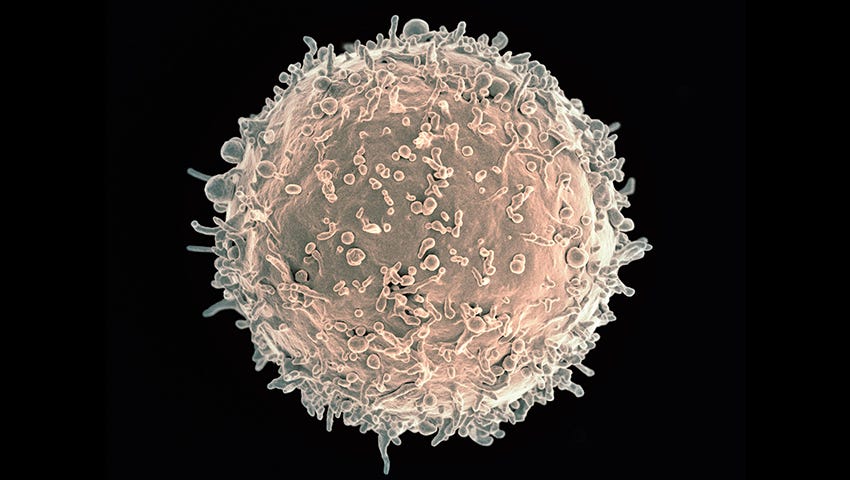
Exciting regenerative techniques like stem cell therapy offer new hope for healing common sports injuries. Stem cells are unique cells that can transform into other cell types. For example, if you lose cartilage in your knee from osteoarthritis, stem cells can become new cartilage cells to replace those lost.
Here’s a quick overview of how stem cell therapy works:
- Cells are harvested from the patient’s own bone marrow or fat
- The stem cells are isolated and concentrated
- Millions of stem cells are then injected into the injured area like the knee, shoulder, heel, or elbow
- The stem cells start multiplying and turn into the cell types needed to heal the specific damage
- Additional stem cells are available to continue repairing the injury as needed
This natural process taps into your body’s innate capacity to fix itself. The extra stem cells provide building blocks to regenerate tissue while reducing inflammation and pain.
It’s like calling in reinforcements when injuries persist and your body needs help to finish healing.
What Are the Benefits of Stem Cell Therapy for Pickleball Players?
Research and clinical experience show stem cell therapy offers many advantages over traditional treatments for persistent sports injuries:
- Avoids surgery — For conditions like knee arthritis, stem cell injections often delay or eliminate the need for joint replacement. Surgery is still required for complete tears.
- Quick recovery — Patients regain function and return to activities weeks to months sooner than with just rest, ice, medication, bracing, or physical therapy.
- Less risk — The minimally invasive injections have a low complication rate compared to surgery.
- Natural healing — By utilizing your body’s repair processes, there is less chance of rejection or side effects.
- Improved function — In addition to pain relief, stem cell therapy restores stability and strength to damaged joints and tissues.
- Lasting benefits — Studies show benefits from stem cell therapy can persist years after treatment.
- High patient satisfaction — Over 80% of patients report significant improvement in symptoms and quality of life.
So for pickleball players who have tried conventional treatments without success, stem cell therapy can offer renewed hope of finding relief from injury and getting back in the game.
What Conditions Can Be Treated?
Doctors currently use stem cell therapy to treat all types of orthopedic and degenerative conditions. Those most relevant for pickleball players include:
Arthritis
The anti-inflammatory effects of stem cells can ease osteoarthritis in the knee, hip, ankle, shoulder, elbow, and spine. Injections into the joint stimulate the regeneration of cartilage to cushion impacts and provide smooth motion.
Rotator Cuff Tears
Partial and complete tears in the rotator cuff muscles of the shoulder cause pain and weakness. Stem cell injections can help shrink tears and heal tendon damage to improve function.
Tennis Elbow
Repetitive stress to the tendons of the elbow from pickleball leads to pain and tendon degeneration. Stem cells reduce inflammation while repairing the damaged tissue.
Achilles Tendonitis
Stem cell therapy eases inflammation and repairs frayed tendon fibers to treat persistent Achilles pain and stiffness. Ultrasound guidance improves accuracy.
Plantar Fasciitis
Inflammation of the plantar fascia ligament along the bottom of the foot causes heel and arch pain. Stem cells calm inflammation and reinforce the ligament to allow normal movement.
Meniscus Tears
Small tears in the cartilage pads between the knee bones often enlarge over time. Stem cell injections may help stabilize meniscus tears and delay the need for trimming or removal.
So whether you have shoulder instability, recurring elbow pain, stiff arthritic knees, or nagging heel pain, regenerative medicine may offer a healing solution to get you back on the courts.
What is Involved in Stem Cell Therapy Treatment?
Stem cell therapy follows three basic steps:
Step 1 — Harvest: Your provider will collect stem cells from either bone marrow aspirate from the hip or pelvic bone, or liposuction of belly fat. Both methods are outpatient procedures done under local anesthesia. The cells are then processed to concentrate the stem cells.
Step 2 — Inject: Using imaging guidance like ultrasound or fluoroscopy for accuracy, the stem cells are injected into the injured area. For example, into an arthritic knee joint or damaged rotator cuff. Only mild sedation is needed for joint injections. Several million stem cells are often used.
Step 3 — Heal: Over the next few weeks, the stem cells multiply and stimulate healing by forming new tissue and blood vessels and reducing inflammation. You’ll work with your provider on post-procedure activity modification and physical therapy to optimize results.
Multiple treatments may further enhance outcomes. Patients can usually return to normal activities within 1 to 2 weeks with most pain relief in 1 to 2 months. Lasting improvements continue over the next 3 to 6 months.
Are There Any Risks with Stem Cell Therapy?
As with any medical treatment, there are some risks to consider:
- Mild injection-related pain, swelling, bruising, or bleeding
- Joint stiffness for a few days after injection into joints
- Infection risk less than 1% with proper sterile technique
- Allergic reaction risk is very low using your stem cells
However, studies show stem cell therapy has a very high safety profile with minimal adverse events. Your provider will review all the pros and cons to help determine if it’s right for you.
How to Find a Clinic and Provider for Stem Cell Therapy
If you think stem cell therapy may help alleviate your lingering sports injury, make sure to find an experienced provider. Here are some tips on finding a stem cell therapy clinic:
- Search for providers specifically experienced in regenerative treatments who offer both bone marrow and fat-derived stem cell procedures.
- Choose a clinic focused on effective treatment plans and consistent patient outcomes rather than promoting stem cell injections as a cure-all.
- Ask about the number of stem cell procedures they have performed and how many years of experience the physicians have.
- Look for providers who culture and expand stem cell counts in their lab for maximum cell potency.
- Inquire about integrating physical therapy and aftercare protocols tailored to each patient for optimal recovery.
- Seek referrals from like-minded integrative and regenerative medicine doctors who value a holistic approach.
One clinic that meets the above criteria is **r3stemcell**, with over 10 years of stem cell therapy experience across the United States and multiple international locations.
R3 Stem Cell providers offer both bone marrow and fat-derived stem cell treatments. Their highly-trained doctors have performed thousands of successful stem cell procedures for a range of orthopedic conditions.
R3 has an on-site lab to ensure quality control and maximize stem cell counts for each patient. Treatments are customized based on your needs after a thorough diagnostic evaluation. Therapeutic exercise programs optimize the benefits of stem cell therapy during recovery as well.
Consulting with R3 Stem Cell
***R3 Stem Cell*** understands how debilitating orthopedic injuries can be for enthusiastic pickleball competitors. Their non-surgical, injection-based stem cell treatments aim to help patients restore joint stability, regain mobility, manage pain, and return to active play.
메타데이터
- post_id
- c388cd5a7a52
- slug
- speed-healing-for-pickleball-players-treating-injuries-with-stem-cell-therapy-c388cd5a7a52
- url
- https://medium.com/@sanjoy_40879/speed-healing-for-pickleball-players-treating-injuries-with-stem-cell-therapy-c388cd5a7a52
- canonical_url
- https://medium.com/@sanjoy_40879/speed-healing-for-pickleball-players-treating-injuries-with-stem-cell-therapy-c388cd5a7a52
- author_url
- https://medium.com/@sanjoy_40879
- status
- ok
- fetched_at
- 2026-06-13 07:35:29