Why Beverage Brands Are Launching More SKUs Than Ever — And What That Means for Packaging
Walk through the beverage aisle of almost any supermarket today and one thing becomes immediately clear: consumers have more choices than…
Why Beverage Brands Are Launching More SKUs Than Ever — And What That Means for Packaging
Walk through the beverage aisle of almost any supermarket today and one thing becomes immediately clear: consumers have more choices than ever before.
A decade ago, most beverage categories were dominated by a relatively small number of core products. Brands focused on a handful of flagship offerings and concentrated their efforts on producing those products at scale.
Today, the landscape looks very different.
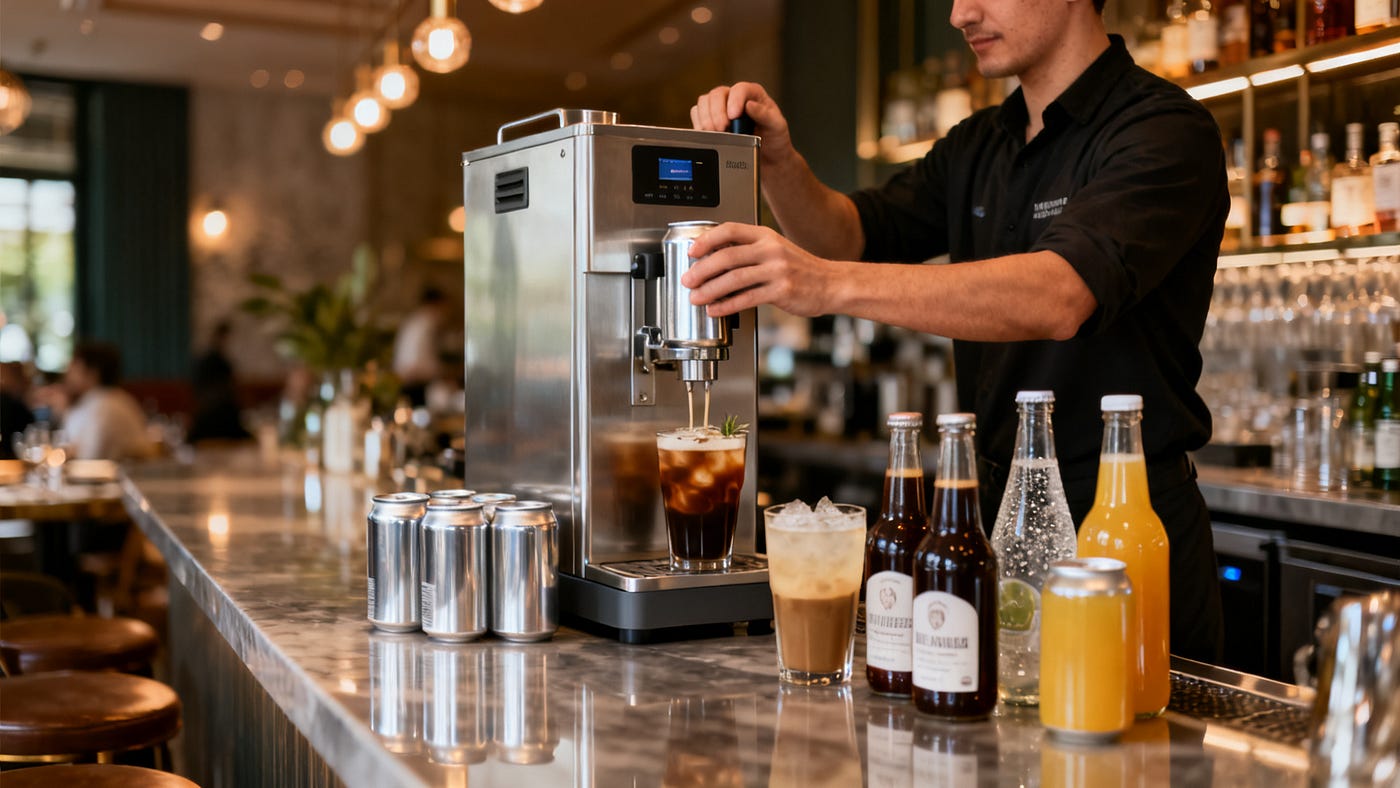
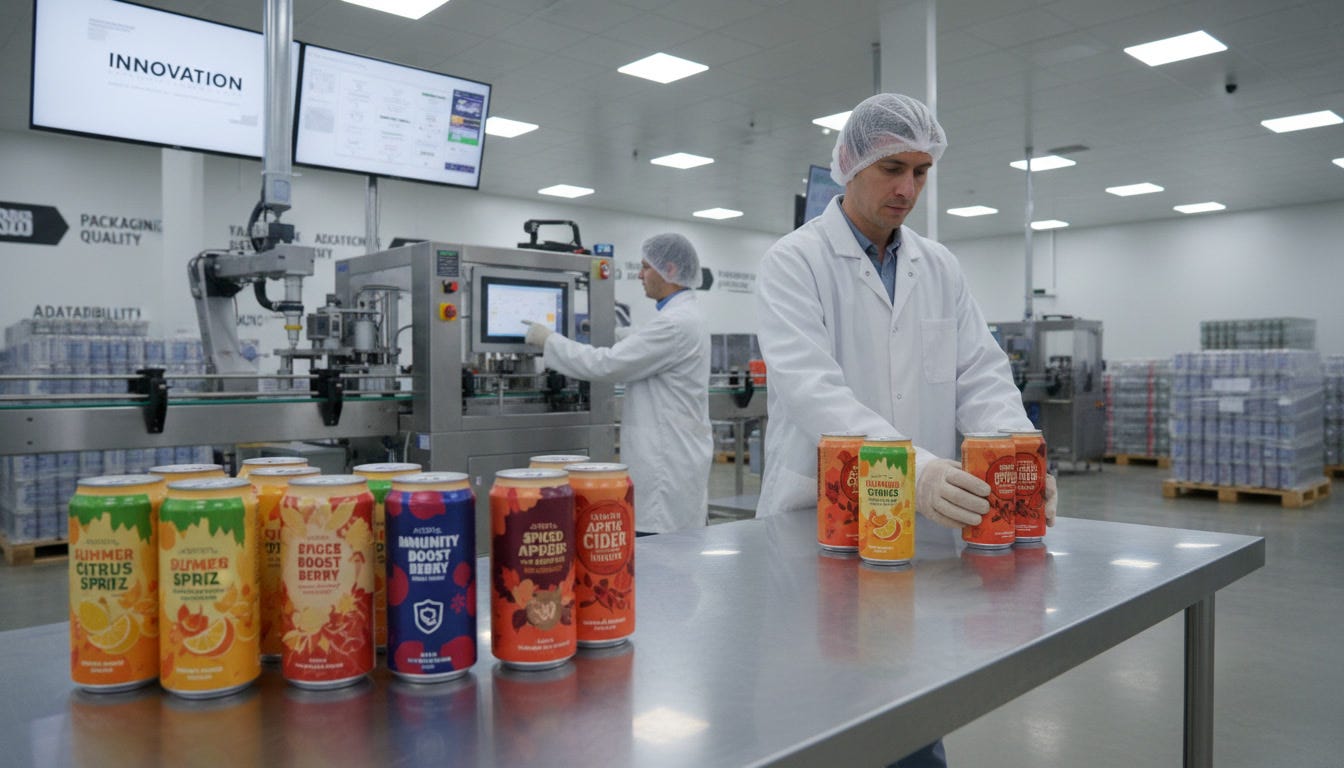
Craft sodas release seasonal flavors. Functional beverage companies introduce new formulations targeting specific consumer needs. Breweries experiment with limited editions. Coffee brands launch specialty varieties. Ready-to-drink products regularly expand into new flavor profiles and package formats.
Consumers have come to expect variety, and beverage companies are responding.
This shift has created exciting opportunities for innovation and growth. It has also introduced a new operational challenge that many producers are still learning to navigate. The challenge is no longer simply producing beverages efficiently. The challenge is producing a growing number of different beverages while maintaining consistent packaging quality across every product.
As SKU counts increase, packaging operations become increasingly important to business success.
The Explosion of Beverage SKU Diversification
Several factors have contributed to the rapid growth of product variety in the beverage industry.
Consumer preferences evolve quickly. Social media accelerates trends. Health and wellness categories continue to expand. Retailers are constantly looking for new products that can attract attention and differentiate their shelves.
As a result, brands are launching products at a pace that would have been difficult to imagine just a few years ago.
A single beverage company may now offer:
- Seasonal flavors
- Limited releases
- Sugar-free versions
- Functional variants
- Regional offerings
- Collaborative products
- Test market launches
This diversification creates new revenue opportunities. It also creates complexity.
Every new SKU introduces additional production planning, inventory management, quality control requirements, and packaging considerations.
The more products a company offers, the more important operational flexibility becomes.
Why Seasonal and Limited Releases Are Becoming Standard
Limited-edition beverages were once viewed primarily as marketing campaigns. Today, they are becoming a core business strategy.
Consumers increasingly seek novelty. They enjoy discovering new flavors, ingredients, and experiences. Beverage brands have learned that limited releases can generate excitement while creating valuable opportunities to test new concepts.
A seasonal beverage can provide immediate market feedback. A limited release can help a company evaluate demand before making a larger investment. A niche product can reveal an entirely new customer segment.
These launches create valuable learning opportunities. They allow brands to experiment without committing to long production cycles. The challenge is that every new product requires packaging systems that can adapt quickly.
When product changeovers become more frequent, operational flexibility becomes a competitive advantage.
The Operational Challenges of Frequent Product Changeovers
Introducing additional SKUs may sound simple from a marketing perspective, but production teams understand the reality.
Each new product adds complexity. Different formulations may behave differently during filling. Carbonation levels may vary. Foaming characteristics can change. Packaging materials may require adjustments. Production schedules become more complicated Inventory planning becomes more demanding. Quality control procedures expand.
Every changeover creates opportunities for inefficiency if the production process is not designed for flexibility. For operations managers, this creates an important balancing act. They must maintain quality standards while supporting a growing number of products. Consumers may see variety on the shelf.
Behind the scenes, production teams see a growing network of variables that must be managed carefully.
Packaging Flexibility Has Become a Strategic Asset
As beverage portfolios expand, packaging flexibility is becoming increasingly valuable.
The ability to move efficiently between different products allows brands to respond more quickly to market opportunities.
Flexible packaging operations support:
- Faster product launches
- Smaller production runs
- Seasonal offerings
- Product testing
- Market experimentation
- Inventory optimization
This flexibility reduces risk.
Instead of committing to large production volumes, brands can introduce products gradually and learn from real-world customer feedback. This approach aligns with how modern beverage businesses operate.
Many successful companies today view product development as an ongoing process rather than a one-time event. Their packaging systems must support that mindset.
Why Smaller Production Runs Are Becoming More Common
Historically, beverage production emphasized long runs and maximum throughput.
That model made sense when product portfolios were smaller and consumer demand was more predictable.
Today’s market is different. Many brands benefit from shorter production runs that provide greater agility.
Smaller runs allow producers to:
- Test new products
- Reduce inventory risk
- Respond to trends faster
- Improve forecasting accuracy
- Gather customer feedback sooner
This approach is particularly valuable for startup beverage brands and emerging producers. Smaller production runs create faster learning cycles.
Companies can identify what works, make adjustments, and return to market more quickly. The result is a more responsive business model. However, this approach places greater demands on packaging consistency.
When production runs are smaller and more frequent, maintaining repeatable quality becomes essential.
Quality Must Remain Consistent Across Every SKU
Consumers may appreciate variety, but they still expect consistency. Whether they purchase a flagship product or a seasonal release, they expect the same level of quality. This expectation creates an important responsibility for beverage producers.
Every product must meet the same packaging standards. Seam quality must remain reliable. Fill levels must remain accurate. Carbonation must remain protected. Shelf stability must remain consistent.
As SKU counts increase, maintaining these standards becomes more challenging.
The companies that succeed are often those that build strong packaging processes capable of supporting product diversity without compromising quality. Consistency creates trust. Trust creates repeat purchases. Repeat purchases support long-term growth.
Supporting Innovation Through Packaging Discipline
Innovation is often associated with product development.
New flavors, ingredients, and concepts attract attention. Yet innovation depends heavily on operational execution.
A great idea has limited value if the packaging process cannot support it effectively. This is why packaging discipline has become increasingly important for modern beverage companies. Strong packaging processes allow brands to experiment confidently. They create an environment where new products can be introduced without creating unnecessary operational risk. Equipment selection plays an important role in this process.
Many producers are seeking solutions that support flexibility while maintaining professional packaging standards.
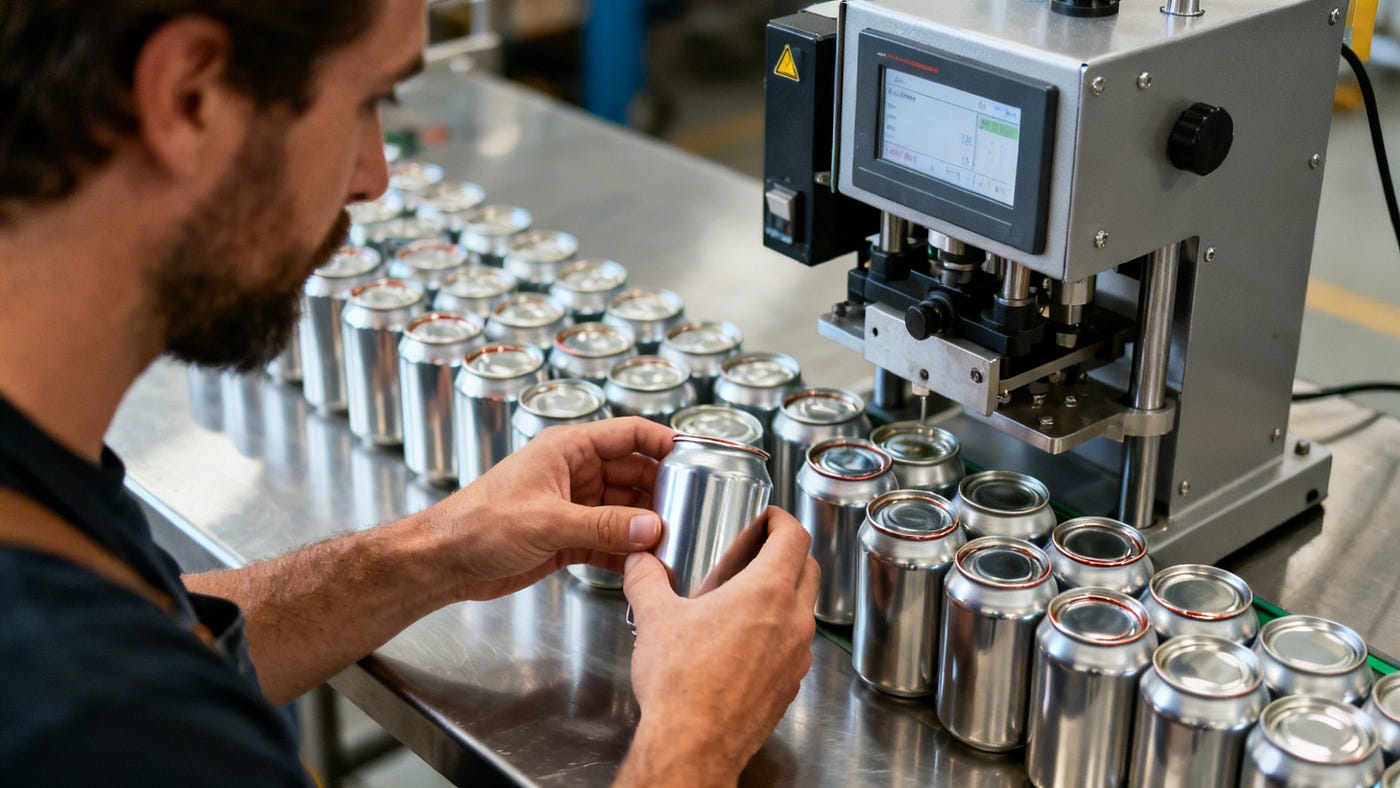
Systems such as **EazyCanning**’s iKAN reflect this broader industry trend. Compact seaming solutions provide producers with the ability to package multiple products throughout the year while maintaining seam consistency and operational control.
For brands managing growing product portfolios, this type of flexibility can support innovation without sacrificing quality.
The Future Belongs to Adaptable Producers
The beverage industry is becoming more dynamic every year. Consumer preferences change quickly. Product lifecycles are becoming shorter. Competition continues to increase across nearly every category.
In this environment, adaptability matters.
Brands that can develop, package, test, and refine products efficiently gain a significant advantage. This does not mean abandoning quality standards in pursuit of speed.
In fact, the opposite is true.
As SKU counts increase, packaging consistency becomes even more important. The companies that thrive will be those that combine flexibility with discipline. They will launch new products confidently because their packaging processes remain reliable. They will respond to market opportunities quickly because their operations support change. They will build stronger customer relationships because every product meets the same quality expectations.
Final Thoughts
The growth of SKU diversification represents one of the most significant shifts in modern beverage manufacturing.
Consumers want variety. Retailers want innovation. Brands want opportunities to grow. Meeting these demands requires more than creative product development.
It requires packaging systems and processes capable of supporting a rapidly evolving product portfolio. As seasonal releases, functional beverages, and niche products continue to gain momentum, packaging flexibility will become increasingly valuable.
The future of beverage production belongs to companies that can adapt quickly while maintaining consistent quality. Because in a market filled with new ideas, the brands that succeed will be the ones that deliver both innovation and reliability in every can.
메타데이터
- post_id
- c3a8938b4a7d
- slug
- why-beverage-brands-are-launching-more-skus-than-ever-and-what-that-means-for-packaging-c3a8938b4a7d
- url
- https://medium.com/@eazycanning/why-beverage-brands-are-launching-more-skus-than-ever-and-what-that-means-for-packaging-c3a8938b4a7d
- canonical_url
- https://medium.com/@eazycanning/why-beverage-brands-are-launching-more-skus-than-ever-and-what-that-means-for-packaging-c3a8938b4a7d
- author_url
- https://medium.com/@eazycanning
- status
- ok
- fetched_at
- 2026-07-09 20:10:33