The Hidden Costs of Food Delivery: What Customers Should Know
You open the app. You pick your favorite restaurant. The dish you want is listed at ₹180 — same as it’s always been. You add it to your…
The Hidden Costs of Food Delivery: What Customers Should Know
You open the app. You pick your favorite restaurant. The dish you want is listed at ₹180 — same as it’s always been. You add it to your cart, feeling good about your choice.
Then you get to checkout.
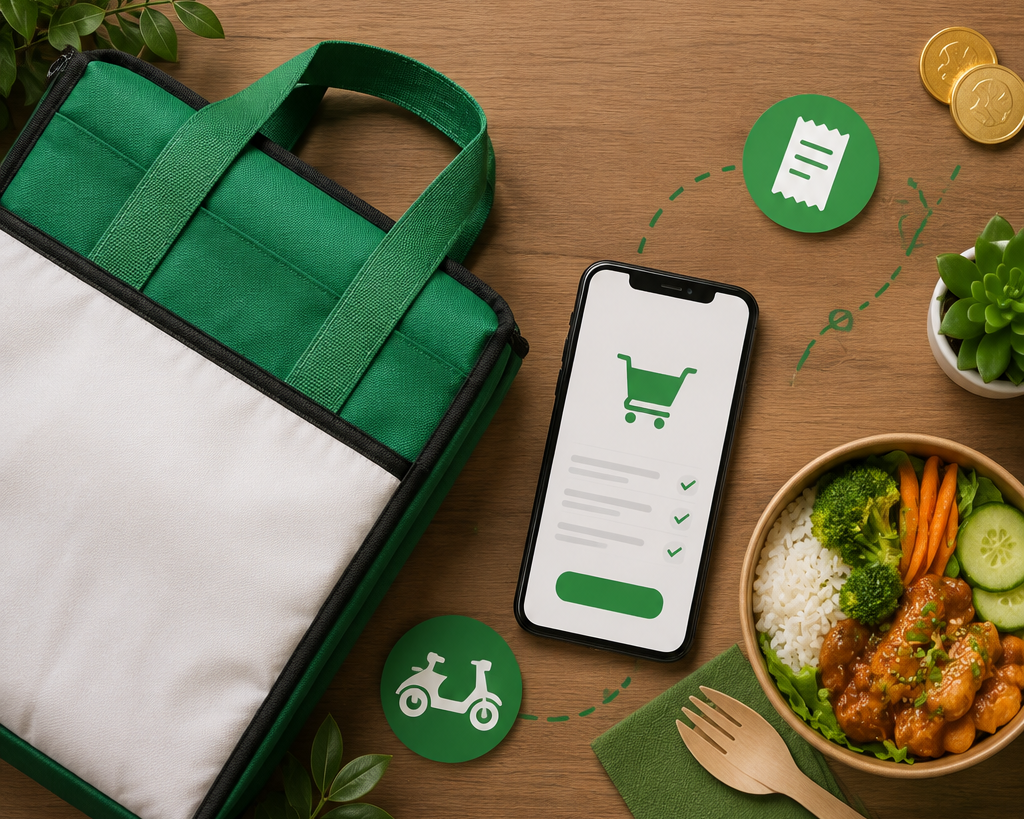
Suddenly there’s a delivery fee. A platform fee. A “surge” fee because it’s raining. GST on top of all of it. A “small order” fee because you didn’t order enough. By the time you’re done, that ₹180 dish has quietly become a ₹260 dish — and you’re left wondering what exactly you just paid for.
If this feels familiar, you’re not imagining things. It’s one of the most common frustrations with food delivery today, and it’s worth understanding why it happens — and what you can actually do about it.
Where the Extra Money Actually Goes
Food delivery apps don’t just connect you to a restaurant. They run an entire logistics operation — riders, route optimization, customer support, marketing, technology. All of that costs money, and platforms have to recover it somehow. So the charges usually break down into a few buckets:
Delivery fee — This covers (in theory) the cost of getting your food from the restaurant to your door. It often changes based on distance, demand, or weather.
Platform fee — A flat charge added by the app itself, regardless of order size, essentially a cost of using the service.
Packaging charges — Restaurants often add this separately, and it’s rarely optional even if you’re eating at home with your own plates.
Surge or peak-time pricing — Similar to ride-hailing apps, delivery costs can spike during high-demand windows like dinnertime, weekends, or bad weather.
Small order fee — A penalty, essentially, for not ordering “enough.”
Taxes — GST is applied on top of most of the above, which means you’re often paying tax on fees, not just food.
Individually, each charge might seem small and justifiable. Stacked together, they can add 20–40% to your final bill — often more than the tip you’d leave at a sit-down restaurant.
The Real Problem: Lack of Transparency
The issue isn’t that delivery costs money. Riders deserve to be paid fairly, and logistics isn’t free — that part is completely reasonable.
The real problem is when customers find out. Menu prices are advertised as one number, but the checkout screen tells a different story. Fees appear late in the process, are often unclear in what they actually cover, and vary order to order in ways that are hard to predict. That inconsistency is what erodes trust — not the existence of fees, but the feeling of being surprised by them every single time.
How to Actually Save on Food Delivery
A few habits can meaningfully cut down what you pay:
- Order during off-peak hours when surge pricing is less likely — think early afternoon over 8 PM Friday.
- Combine orders with friends or family to spread the delivery and platform fees across a bigger cart instead of a small one.
- Check for restaurant-specific deals — some restaurants offer discounts for direct pickup or their own ordering channels.
- Compare the final checkout price across apps before confirming — the listed menu price rarely tells the full story.
- Watch for subscription fatigue — “free delivery” memberships can be worth it if you order often, but not if they just replace one fee with a recurring one.
Why This Matters for the Industry, Not Just Your Wallet
As food delivery becomes a daily habit rather than an occasional treat for more people, pricing transparency stops being a nice-to-have — it becomes the thing that decides which platforms customers actually trust long-term. People don’t mind paying for good service. They mind not knowing what they’re paying for until the very last screen.
This is exactly the gap a next generation of delivery platforms is trying to close — showing the real price upfront, matching what the restaurant itself charges, and being upfront about what (if anything) is added on top. In Vadodara, that’s the idea behind Scoobix: the same menu, the same price, every time — no surprise math at checkout.
The bigger lesson for customers everywhere, though, is simple: read the checkout screen before you assume the menu price is the real price. A little awareness goes a long way toward making sure food delivery stays a convenience — not a hidden expense.
메타데이터
- post_id
- c3cc86a3dfa0
- slug
- the-hidden-costs-of-food-delivery-what-customers-should-know-c3cc86a3dfa0
- url
- https://medium.com/@scoobix.info/the-hidden-costs-of-food-delivery-what-customers-should-know-c3cc86a3dfa0
- canonical_url
- https://medium.com/@scoobix.info/the-hidden-costs-of-food-delivery-what-customers-should-know-c3cc86a3dfa0
- author_url
- https://medium.com/@scoobix.info
- status
- ok
- fetched_at
- 2026-07-26 09:46:03