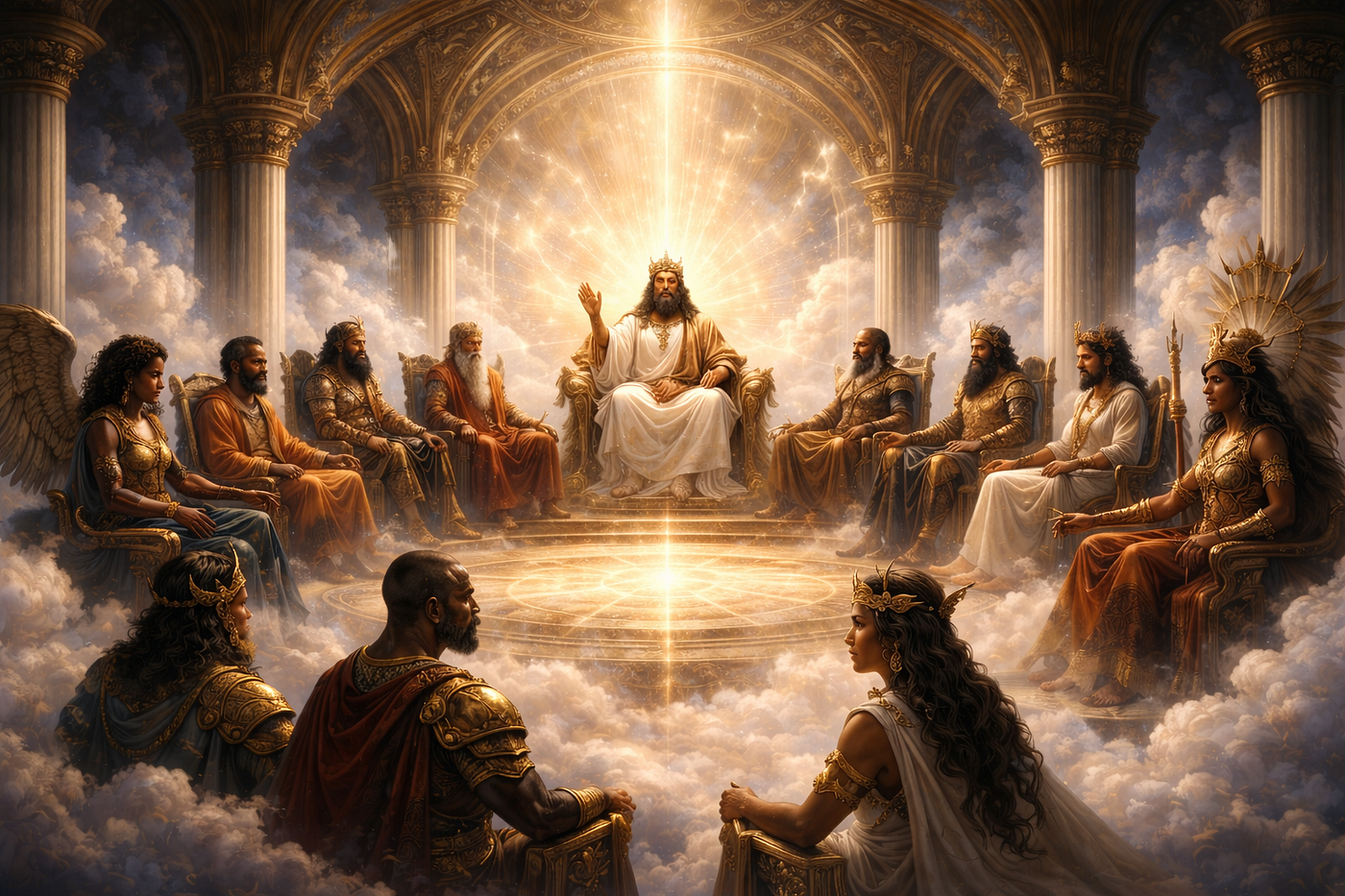
Is Valentines, Just About Roses?
Every year, February 14th arrives wrapped in red.
Is Valentines, Just About Roses?
Every year, February 14th arrives wrapped in red.
Shops flood with hearts. Restaurants fill up. Social media turns into a parade of roses, chocolate, and carefully staged affection. We’re told it’s a harmless celebration of love.
But very few people stop to ask a simple question:
Where did this day actually come from?
Before it was a romantic holiday, before it was linked to a Christian saint, mid-February was marked by something far older and far more primal. The roots of Valentine’s Day trace back to ancient rituals, wolf symbolism, fertility rites, and blood ceremonies tied to a Roman festival known as Lupercalia.
What we celebrate today looks soft and commercial.
Its origins were anything but.
Before It Was “Valentine’s Day”
Long before greeting cards and candlelit dinners, Rome celebrated Lupercalia, a festival held from February 13th to the 15th.
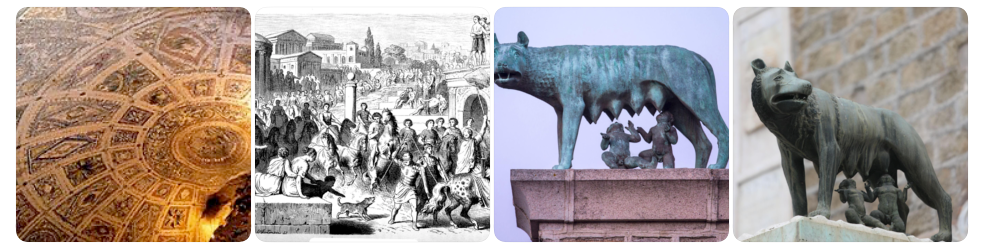
The ritual centered around the Lupercal Cave, where Roman legend says Romulus and Remus were nursed by a she-wolf. Rome’s founding story begins with a wolf. That detail is not random.
The priests of the festival were called the Luperci. During the ceremony, they sacrificed goats and a dog. Blood was smeared on their foreheads. They stripped nearly naked, wore animal skins, and ran through the city striking people with strips of goat hide.
To modern minds, that sounds chaotic.
To the ancient world, it was symbolic.
Nudity, blood, and animal skins in Indo-European traditions signified transformation. Man stepping into animal nature. Civilization meeting the wild. Order crossing into controlled chaos.
The wolf symbolism runs deep:
- Latin lupus means wolf
- Greek lykos means wolf
- Lycanthropy means wolf-man
Roman writers like Pliny the Elder even recorded legends of ritual wolf transformations.
Lupercalia happened mid-February, a seasonal threshold. Winter shifting toward spring. Death yielding to fertility. A liminal space.
The Hunter Archetype
In Genesis 10:9, Nimrod is described as “a mighty hunter before the Lord.”
That title carries weight.
Across ancient cultures, the hunter archetype appears again and again. Some traditions connect Nimrod, king of Babylon and builder of the Tower of Babel, to later fertility and lord figures.
The Romans honored Lupercus, the wolf-hunter.
The Greeks had Pan.
Semitic traditions reference Baal.
Different names. Similar patterns.
The hunter.
The strong one.
The fertility power.
The sun-linked ruler.
Valentinus in Latin means strong or powerful. Some see parallels there, arguing that the February 14th observance absorbed earlier traditions tied to hunter and fertility archetypes.
Whether viewed as direct continuity or overlapping myth systems, the connections are part of the broader discussion around the day’s origin.
February 14th and the 40-Day Pattern
Valentine’s Day falls on February 14th. Lupercalia began the evening of the 14th and peaked on the 15th.
Some traditions trace this timing back to older cycles. In certain ancient calendars, the winter solstice aligned with January 6th. Forty days after January 6th is February 15th. In antiquity, mothers purified themselves forty days after childbirth.
In this framework, February 15th carries symbolic significance tied to fertility and rebirth.
As Christianity spread across Rome, Lupercalia was eventually banned. A Christian martyr named Valentine became associated with February 14th. Over centuries, layers merged.
Ritual shifted into remembrance.
Blood rite softened into romance.
Symbols often survive by changing form.
The Heart Symbol

The heart shape we exchange every February does not resemble a human heart.
One theory traces it to Silphium, an extinct plant used in the ancient world as birth control. Its seed pod appeared on Greek coins and closely resembles the modern heart icon.
Fertility. Desire. Romance.
Other interpretations link the word “Bal” to ancient Babylonian language roots associated with Baal. In that perspective, the heart symbol becomes connected to older lordship and fertility themes.
Cupid, meaning desire, also fits into this pattern of longing and attraction.
Whether symbolic or literal, the imagery tied to February 14th consistently circles back to fertility and desire.
Wolf Power and Cultural Inversion
Lupercalia literally translates to wolf festival.
Rome’s founders were wolf-raised. The Luperci embodied wolf nature through ritual action.
When Christianity absorbed Rome, wolf symbolism gradually shifted in cultural meaning. What had once symbolized vitality and protection became associated in later folklore with curses and fear. Medieval writers reframed transformation myths within a different moral lens.
Symbols evolve.
They rarely disappear.
So What Is Valentine’s Day?
For many, it is simply a day to celebrate love.
For others, it sits on layers of older ritual, fertility symbolism, hunter archetypes, and wolf mythology.
Lupercalia.
Mid-February rites.
Blood symbolism.
Transformation rituals.
Some celebrate without thinking about origins.
Others choose to look deeper.
What is clear is that February 14th did not begin as a modern commercial holiday. It stands on centuries of cultural evolution, mythic overlap, and religious transition.
The past leaves fingerprints.
And sometimes the symbols we exchange casually carry stories far older than we realize.
메타데이터
- post_id
- c3ea8685a74e
- slug
- is-valentines-just-about-roses-c3ea8685a74e
- url
- https://medium.com/@kutesir/is-valentines-just-about-roses-c3ea8685a74e
- canonical_url
- https://medium.com/@kutesir/is-valentines-just-about-roses-c3ea8685a74e
- author_url
- https://medium.com/@kutesir
- status
- ok
- fetched_at
- 2026-07-13 06:23:13