Call Me By Your Name:A Summer That Never Truly Ended
The Anatomy of a Summer That Never Truly Ended
Call Me By Your Name:A Summer That Never Truly Ended
The Anatomy of a Summer That Never Truly Ended
Some films ask to be watched. Call Me By Your Name asks to be remembered. It is not because it tells an extraordinary story, but because it finds beauty in the ordinary. A lingering glance across the breakfast table. Conversations that seem insignificant until they become unforgettable. The unbearable weight of realizing that happiness can exist while already knowing it will end. Without demanding attention, the film quietly teaches that love does not always arrive with certainty, nor does it leave without taking something from those who experienced it.
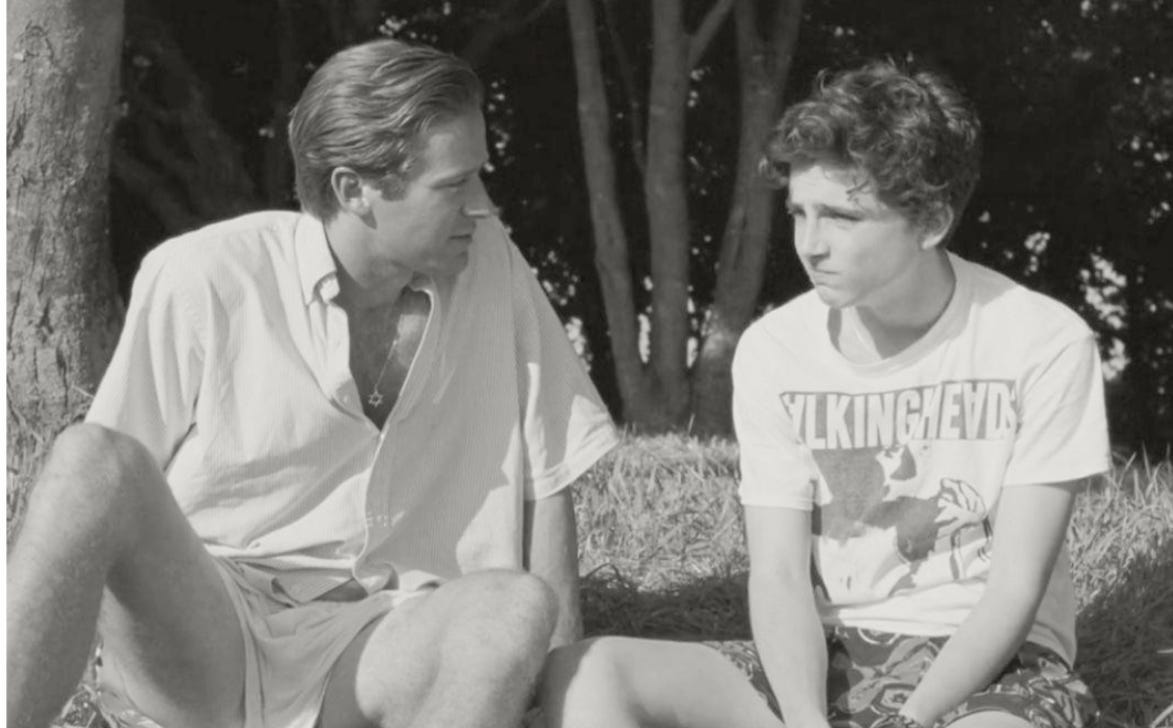
Rather than chasing dramatic declarations, director Luca Guadagnino allows emotion to unfold through silence, distance, and time. Every pause carries meaning, every unsaid word becomes part of the conversation. What emerges is not simply a romance, but a portrait of how deeply another person can alter one’s understanding of affection, desire, and self. Perhaps that is why Call Me By Your Name continues to linger years after its release. It reminds audiences that the most unforgettable love stories are not always those that last forever, but those that forever change the people who lived them.
The Arrival: Where Everything Begins
Where Oliver shows up, Elio adjusts, and everything had to change.
Oliver arrived not as a disruption. At first, he was simply another guest welcomed into the Perlman home. Nothing appeared extraordinary about his arrival, and perhaps that is precisely the point. The moments that reshape our lives seldom introduce themselves as such.
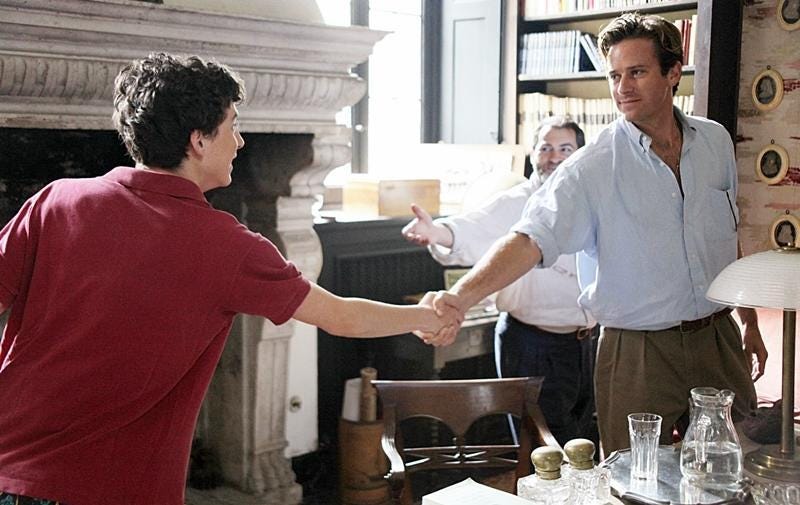
The distance between Oliver and Elio is neither hostile nor immediate. It is marked by curiosity, hesitation, and an unspoken awareness that neither of them fully understands. Guadagnino allows their connection to unfold patiently, resisting dramatic declarations in favor of shared conversations, lingering glances, and the comfort of simply occupying the same spaces.
Perhaps that is what makes their bond feel authentic. It is not built through grand gestures but through the accumulation of ordinary moments that slowly become unforgettable. Much like the archaeological work surrounding them, their relationship is uncovered layer by layer, revealing that the deepest connections are often those discovered with patience rather than certainty.
Summer Afternoons: The Language of Companionship
Connection and intimacy are discovered.
Love is not born from dramatic gestures.
It grows quietly through bicycle rides beneath the Italian sun, archaeological expeditions, shared meals, late afternoon swims, and conversations that wander effortlessly between literature, philosophy, and everyday life. These ordinary moments become extraordinary precisely because they are shared.
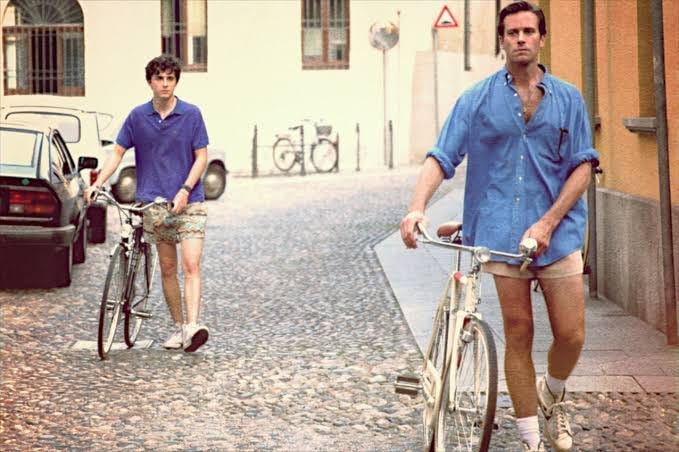
As Elio slowly recognizes the feelings developing within him, he is haunted by a question borrowed from Marguerite de Navarre:
“Is it better to speak or to die?”
The question captures the emotional burden of vulnerability. Sometimes the greatest risk is not rejection itself, but allowing another person to know what has long remained unspoken. Silence offers safety, yet it also threatens regret.
Guadagnino suggests that intimacy is rarely created by declarations. It is built through repeated presence — the quiet comfort of choosing the same company every day until absence becomes unimaginable.
Harmony: When Music Meets Literature
Oliver often expresses himself through books, while Elio most naturally reveals himself through music.
Not every conversation in Call Me By Your Name is spoken. Some unfold through piano keys, borrowed books, and the quiet comfort of two people learning each other’s language. Where Oliver finds meaning in literature, Elio reveals himself through music. Neither asks the other to translate.

The piano becomes Elio’s confession; Oliver’s silence becomes his response.
Perhaps that is why their connection feels effortless. It is built not on similarity, but on the willingness to understand what the other loves. Every performance, every conversation, and every shared silence becomes another way of saying what neither is yet ready to admit. Their exchange is deceptively simple.
“I know myself.”
Elio answers, “Because you wanted to.”
Between those few words lies one of the film’s quietest truths. We spend much of our lives believing that identity is something we discover, yet love often reveals that it is also something we choose to become.
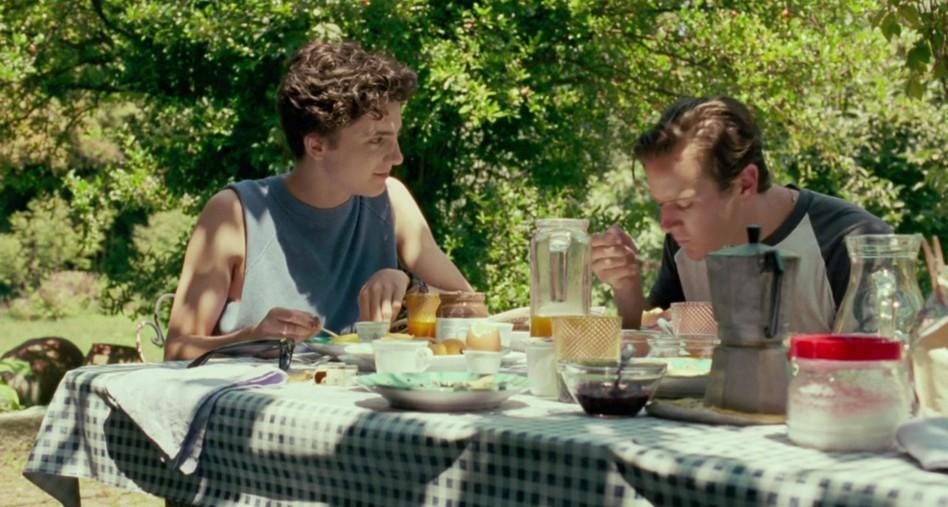
Their relationship flourishes because each understands the other’s language: Oliver speaks through books, while Elio answers through music. Between intellect and emotion, they find one another.
The Peach: Beyond Desire
More than just desire, but discovery.
Few moments in modern cinema have been reduced as frequently as the peach scene. Beneath its intimacy, however, lies something far more fragile than desire. It is a portrait of vulnerability — the quiet terror of allowing another person to witness the parts of ourselves we struggle to accept.
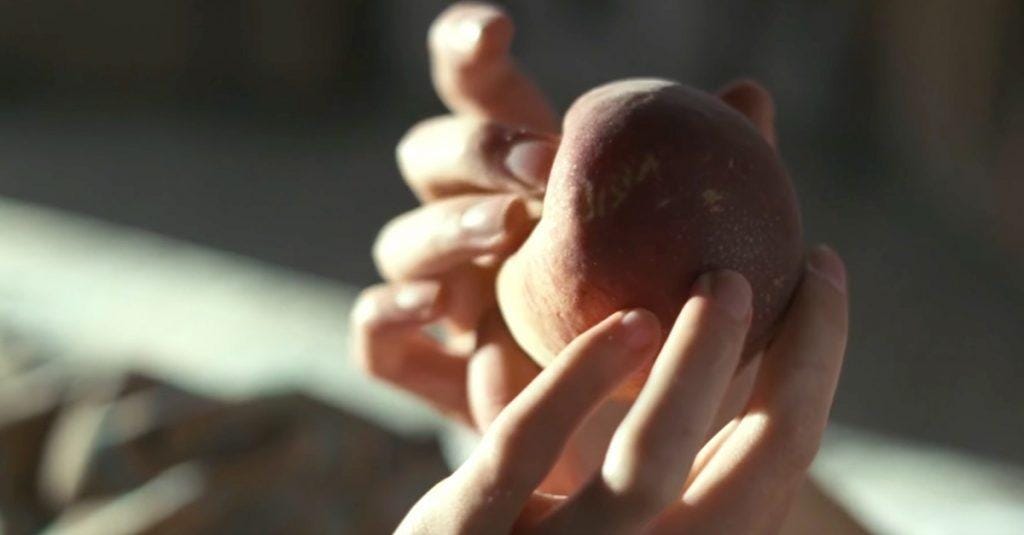
A simple peach transforms into one of cinema’s most enduring metaphors for vulnerability and acceptance.
That vulnerability finds its fullest expression in the film’s defining line.
“Call me by your name, and I’ll call you by mine.”
The exchange is neither novelty nor spectacle. It is surrender. Not the loss of identity, but the recognition that genuine love changes how we understand ourselves. Between “I” and “you” emerges something shared, where affection becomes less about possession than about recognition.
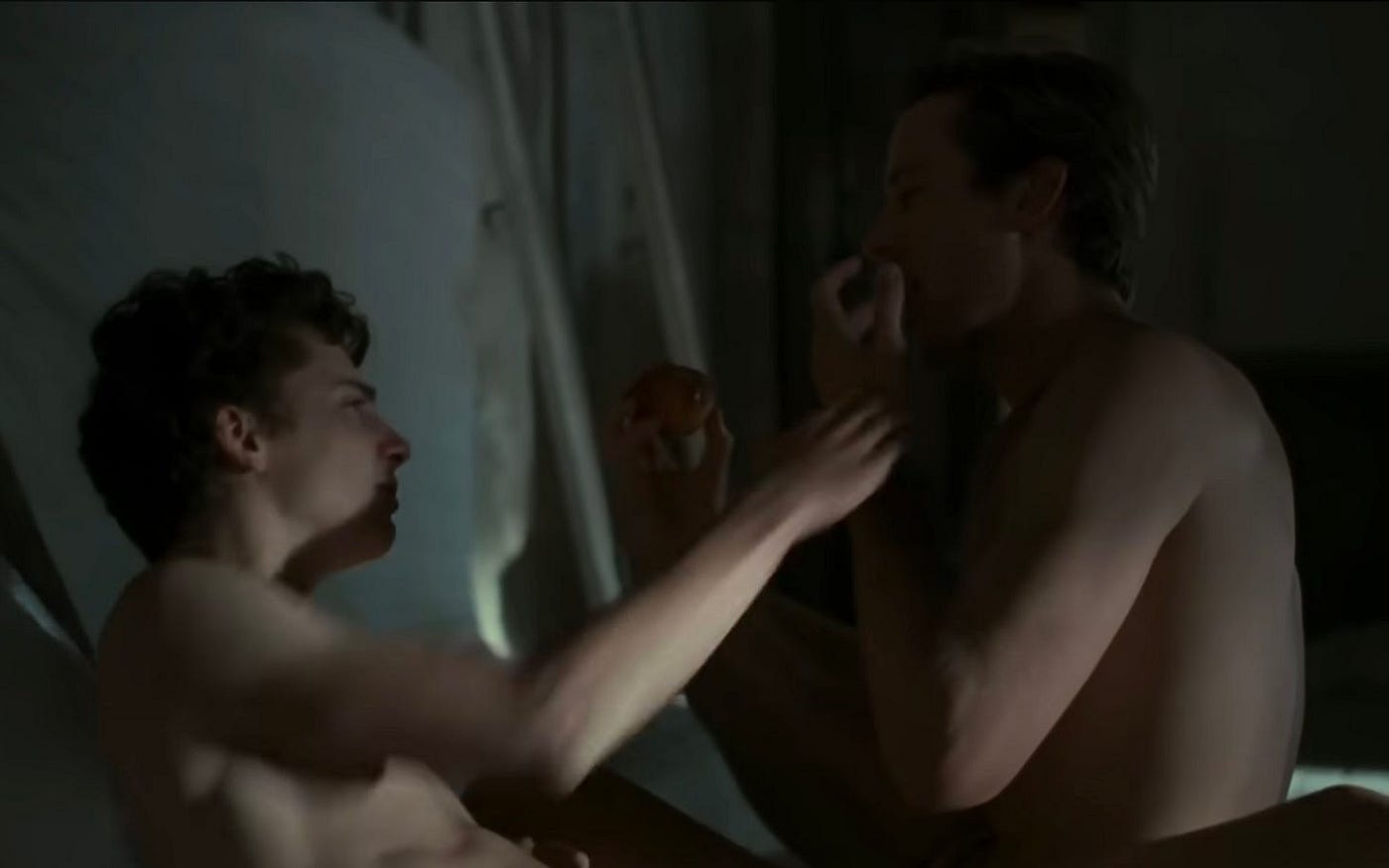
Oliver’s quiet gestures gradually dissolve the emotional distance between them, allowing affection to emerge without the need for explanation.
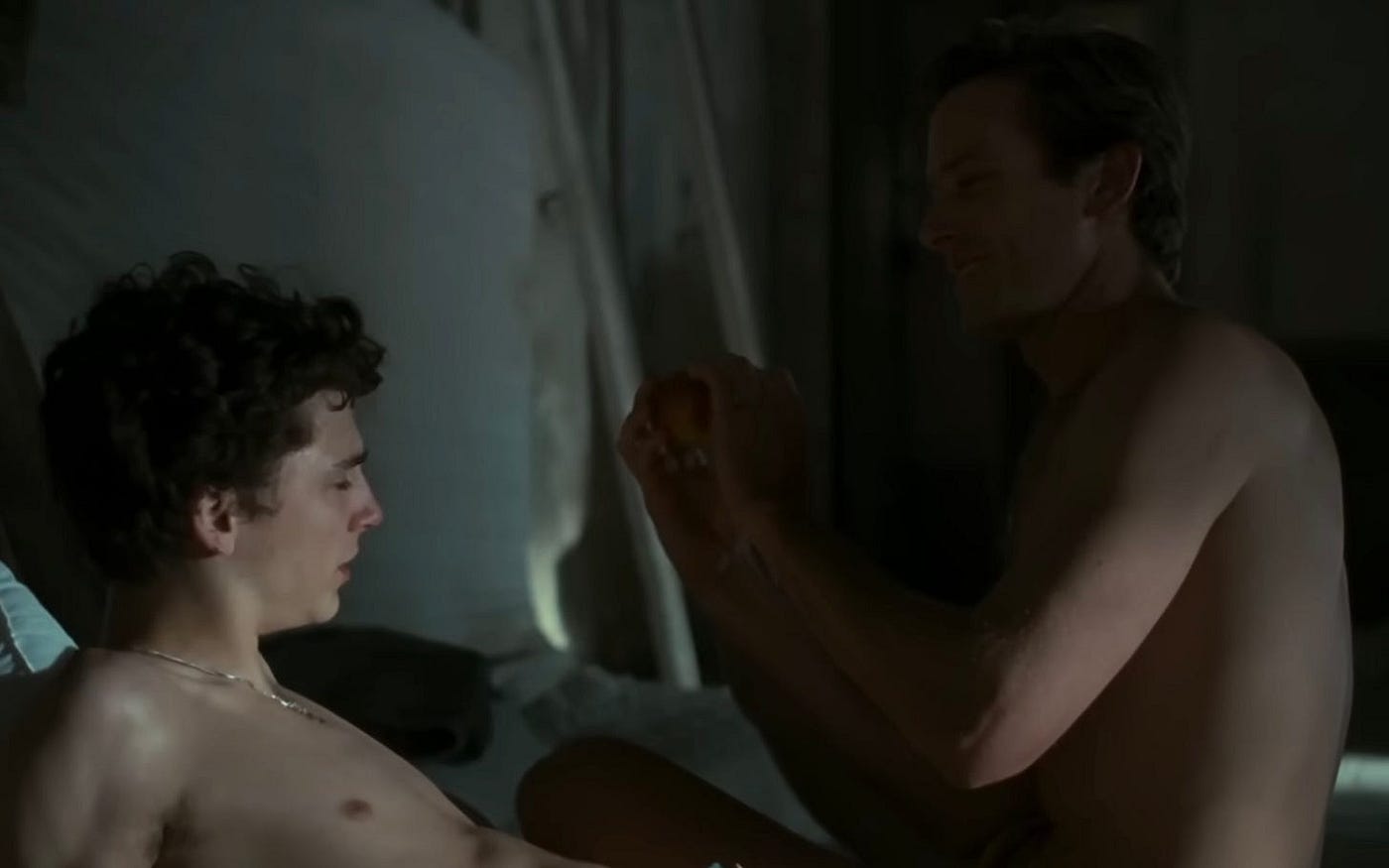
Between hesitation and certainty, they learn that intimacy begins with being truly seen.
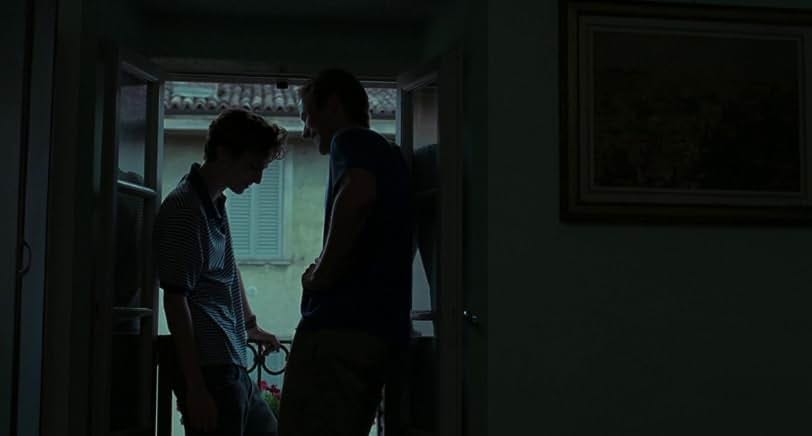
Love often lingers in what remains unspoken. Even in silence, their connection speaks louder than words.
The Journey Away
Some endings drift drastically long before goodbye is even posted.
Oliver has not left yet. They are still together — wandering unfamiliar streets, riding buses, sharing quiet conversations that neither wishes to end. Yet beneath every smile lingers the quiet certainty that summer is slipping away. Time, once generous, suddenly feels impossibly brief.
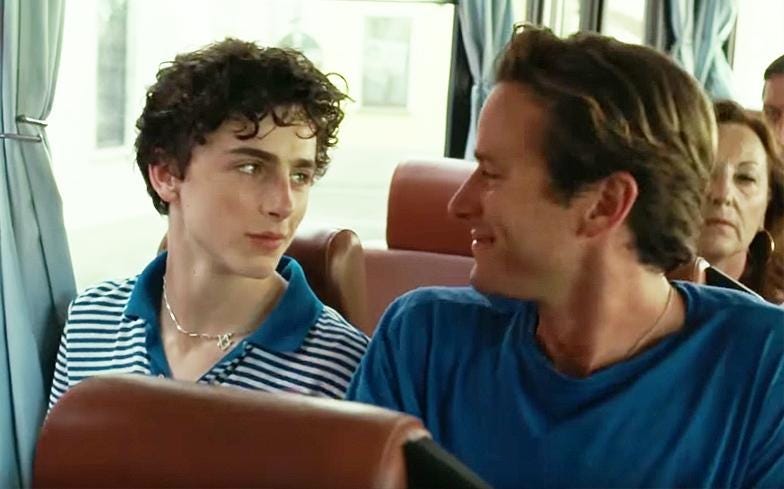
Perhaps that is what makes their final journey together so heartbreaking. Nothing extraordinary happens. They simply continue to love each other, knowing that every passing moment is one they cannot keep. The ordinary becomes unforgettable because it is already becoming a memory.
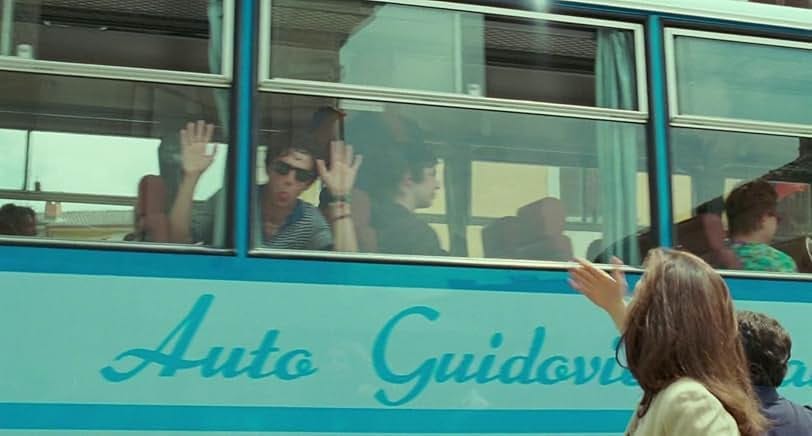
When Oliver quietly admits, “We wasted so many days.”, it is less an expression of regret than an acknowledgment of time’s quiet cruelty. Love rarely ends all at once. Sometimes it begins saying goodbye long before anyone has the courage to speak the words.
The Fireplace: Learning to Remember
Some endings end with pain and gets forgotten, while some need to and asks to be remembered
Summer was never meant to last. And perhaps that is the film’s quietest heartbreak: amid the intimacy they had carefully built, Elio could only love Oliver for a season, while carrying the memory of him for a lifetime. As Oliver prepares to leave, Elio is left with one final embrace before watching the train carry him away. No grand declarations are made.
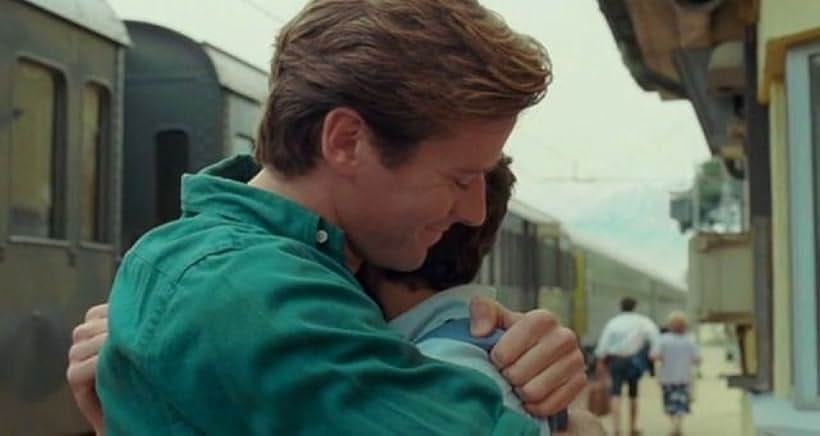
There is only the quiet acceptance that some goodbyes arrive even when love has not yet run out. Every goodbye arrives eventually. For Elio and Oliver, it comes quietly at a train station, where words seem too small for everything they are about to lose. Their embrace is brief, their farewell restrained, and yet it carries the weight of a summer that changed them both. There is no dramatic declaration, only the quiet understanding that some departures cannot be undone.
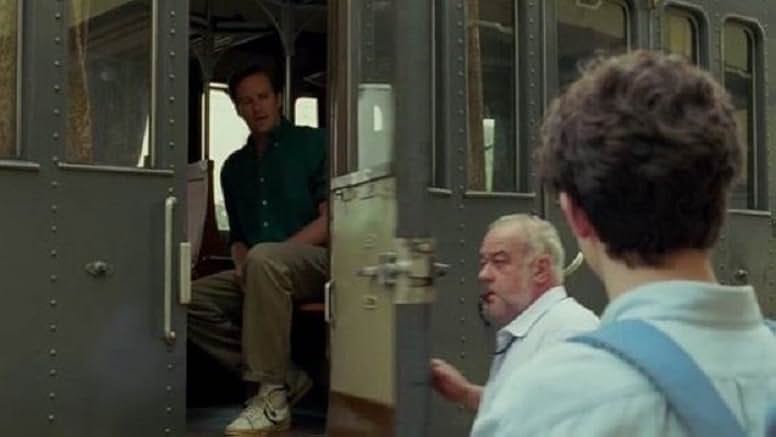
Elio could only watch Oliver load the train and return back to his reality
Weeks later, the telephone rings. Oliver calls to share that he is engaged. Before the conversation ends, they return, one last time, to the language that had belonged only to them
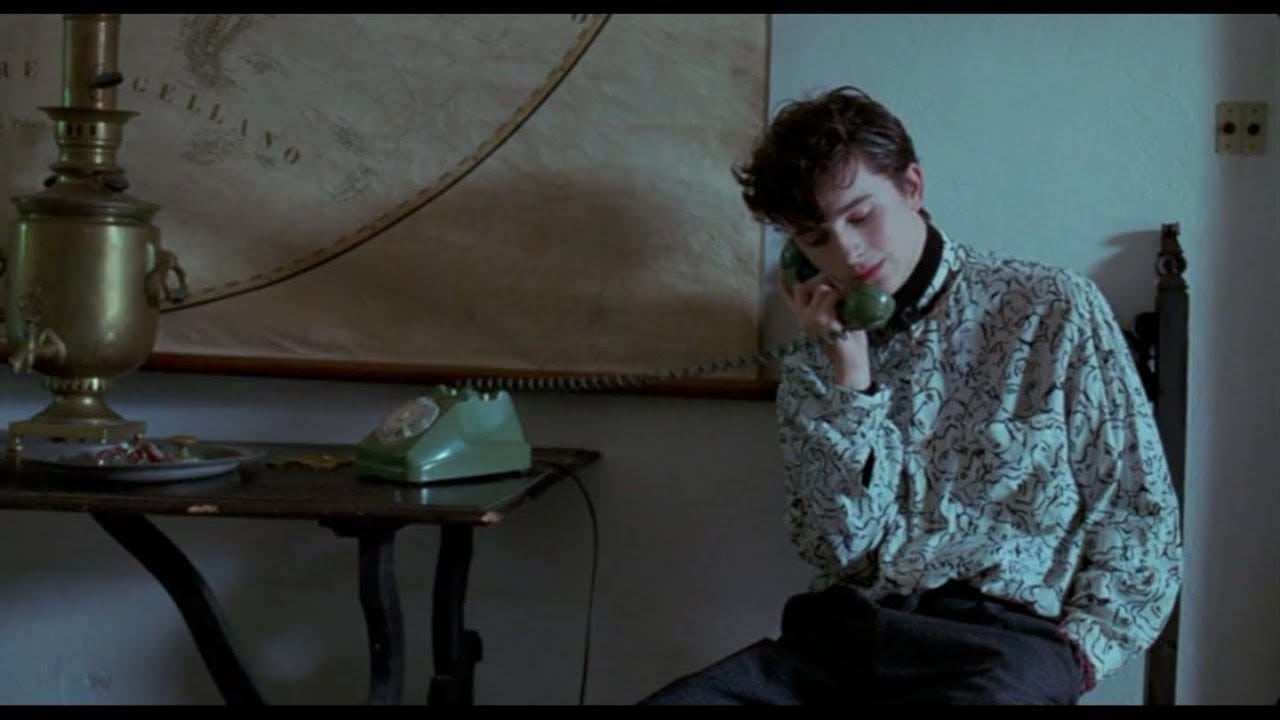
. “Elio, Elio, Elio, Elio, Elio, Elio, Elio, Elio… Oliver… I remember everything”
The exchange lasts only a few moments, yet it carries an entire summer within it. It is neither an attempt to hold on nor a promise that they will find each other again. Instead, it becomes a quiet acknowledgment that what they shared remains real, even if it can no longer be lived. Before the film reaches its unforgettable final frame, Samuel Perlman offers his son one of cinema’s most compassionate reflections on love: “To feel nothing so as not to feel anything — what a waste!” Rather than asking Elio to move on, he encourages him to remember. Heartbreak, he reminds his son, is not evidence that love has failed. It is evidence that love existed at all.
As Elio sits before the fireplace while tears quietly gather in his eyes, Call Me By Your Name refuses to offer the comfort of easy closure. Instead, it leaves us with a gentler truth: some love stories are never meant to last forever. Yet their endings do not diminish what they once were. They endure in memory, quietly becoming part of the people who lived them.
The summer ended. The memory never did.
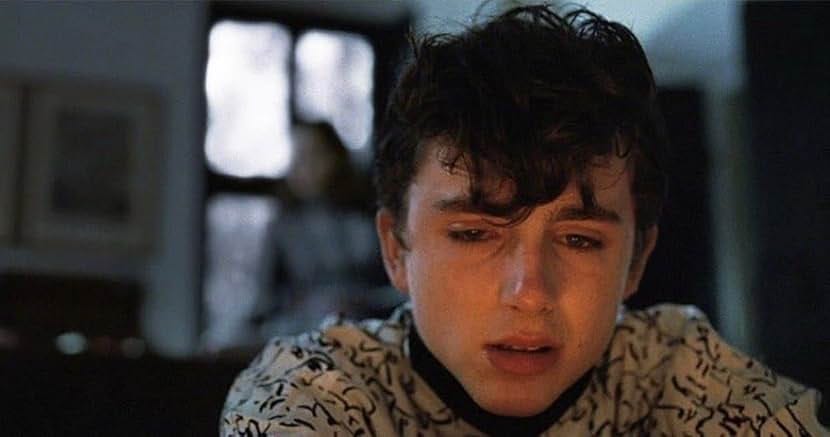
Elio could only reminisce, relive, and revisit the memories of what once was between him and Oliver.
The Sound of Vulnerability

Sufjan Stevens’ Mystery of Love and Futile Devices do more than accompany the film — they give voice to everything Elio and Oliver struggle to say aloud. Like the peach, the music reminds us that vulnerability and intimacy are never instantaneous. They are discovered, quietly and patiently, through shared moments that gradually become impossible to forget. Love does not arrive all at once; it unfolds one conversation, one glance, one silence at a time.
“Is it better to speak or to die?”
“Is it better to speak or to die?”
Perhaps no question captures the heart of Call Me By Your Name more completely. It asks whether we should risk revealing what we feel or allow silence to preserve us from rejection. Yet the film gently suggests that silence carries its own sorrow. Love cannot flourish when left unspoken, and some opportunities disappear the moment we choose not to take them.
“We wasted so many days.”
“We wasted so many days.”
“You didn’t give me a sign.”
“I did.”
These few exchanges express regret with such quiet honesty. The tragedy lies not in the absence of love, but in the hesitation that delayed its recognition. By the time certainty arrives, time itself has already begun to slip away. The film reminds us that the moments we postpone are often the ones we long for most once they have passed.
The Summer Lives On

Call Me By Your Name is not remembered simply because it tells a love story. It endures because it understands that some relationships remain with us long after they have ended. They shape the people we become, teaching us that love is not measured by permanence but by its capacity to transform. The summer ended, as all summers do. The memory never did.
메타데이터
- post_id
- c42e4fec92d1
- slug
- call-me-by-your-name-a-summer-that-never-truly-ended-c42e4fec92d1
- url
- https://medium.com/@lrdwntbr/call-me-by-your-name-a-summer-that-never-truly-ended-c42e4fec92d1
- canonical_url
- https://medium.com/@lrdwntbr/call-me-by-your-name-a-summer-that-never-truly-ended-c42e4fec92d1
- author_url
- https://medium.com/@lrdwntbr
- status
- ok
- fetched_at
- 2026-07-08 23:38:59




