Fashion Week Isn’t a Philanthropic Gathering. But Maybe It Should Be.
New York Fashion Week reveals fashion’s $2.5T paradox: massive cultural power, minimal philanthropy infrastructure.
Fashion Week Isn’t a Philanthropic Gathering. But Maybe It Should Be.
Fashion Week proves the paradox every season. The industry moves $2.5 trillion globally. Individual shows generate millions in media value. But the giving infrastructure for fashion creatives? Practically nonexistent.
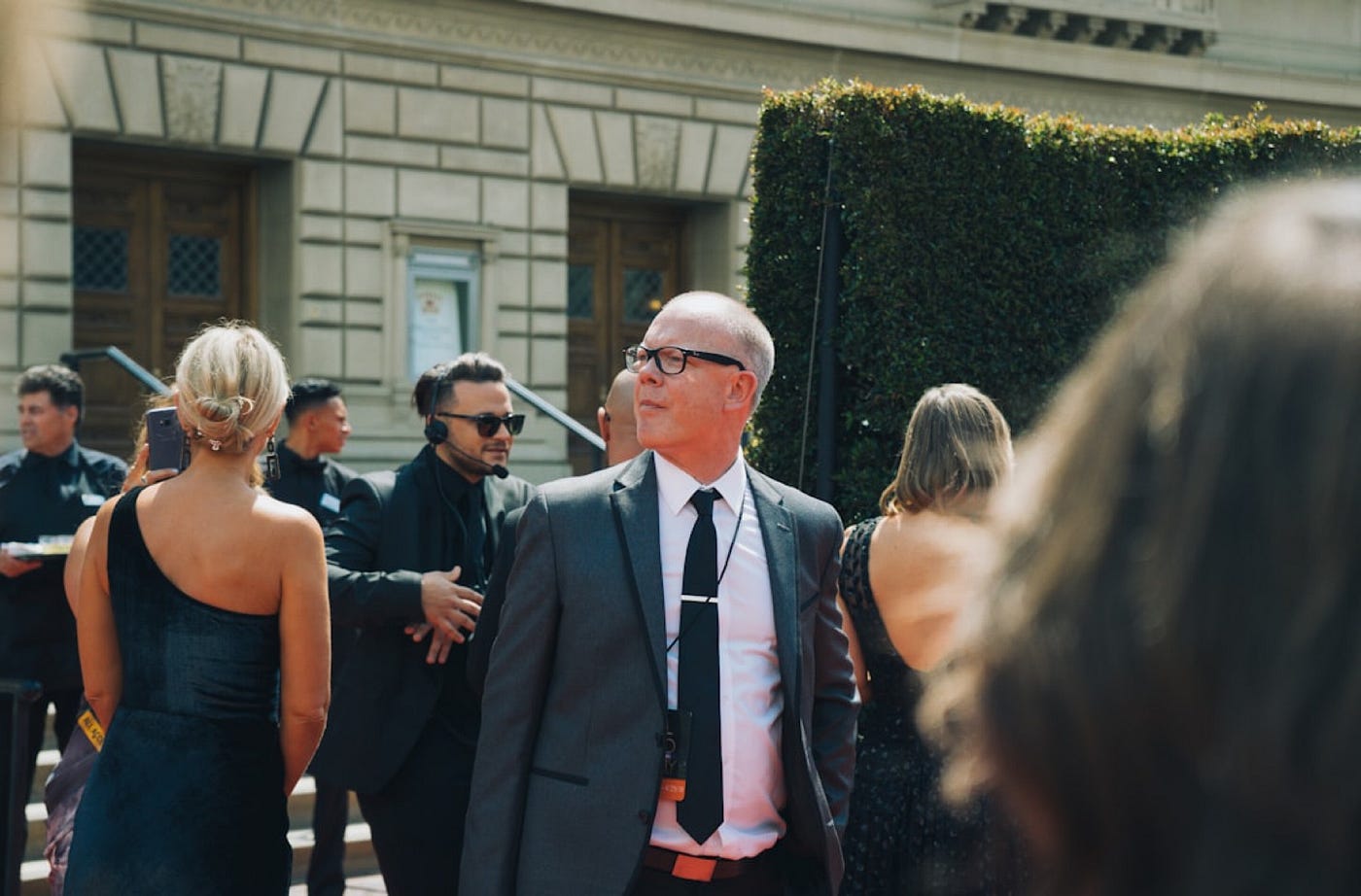
Photo by Michael Lee on Unsplash
New York Fashion Week just wrapped. But here’s what nobody’s talking about, the philanthropic gap between fashion’s cultural power and its actual philanthropic impact.
Gen Z expects brands to have values. They’re willing to pay more for sustainable products. They’ll boycott you over labor practices. But when it comes to the people actually building fashion’s cultural capital , the designers, models, stylists, and creatives driving billions in economic value, the philanthropy system looks like it was designed for oil executives in 1955.
Arts philanthropy is one of the most underfunded sectors in charitable giving, even as creative industries generate outsized cultural and economic returns.
The $24.9 Billion Question
Americans gave $24.9 billion to arts, culture, and humanities organizations in 2024 , just 4% of total charitable giving. That’s less than what went to other major causes, despite the fact that cultural institutions employ millions and generate far more economic activity.
Only 10% of arts funding comes from individuals. The rest comes from corporations and foundations. Simply put the people creating culture have almost no advisor support for strategic personal giving, while corporations use arts philanthropy as a marketing line item.
Fashion creatives face a brutal equation. A designer might generate $50 million in brand value during a single Fashion Week season through press coverage, social media reach, and cultural cachet. But that designer is probably working contract-to-contract, managing irregular income, dealing with exploitative licensing agreements, and has zero access to the donor-advised funds or family foundation structures that tech founders use to manage their giving.
The model doesn’t fit.
ESG Is Dead, But Fashion Philanthropy Isn’t
Corporate ESG, Environmental, Social, and Governance metrics , was supposed to make fashion brands more accountable. It failed spectacularly. Companies gamed the ratings. Greenwashing became an art form. Investors realized ESG funds underperformed. By 2024, ESG was essentially dead as a corporate accountability framework.
But here’s what survived, consumer expectations.
Gen Z still expects brands to care about labor practices, sustainability, and social impact. They just don’t trust corporate ESG theater anymore. A 2024 study found that 73% of Gen Z consumers will pay more for sustainable fashion, but only 31% trust brand sustainability claims.
The trust deficit creates an opening. Not for more corporate commitments, nobody believes those anymore. But for individual creatives to build authentic philanthropic systems that reflects their actual values and community connections.
Fashion creatives have something corporations can never manufacture, authentic cultural authority. When a designer from Lagos creates a collection celebrating West African textile traditions and then funds education programs in Nigerian craft communities, that’s not ESG performance. That’s cultural power deployed strategically.
When a model who grew up in the Bronx uses Fashion Week visibility to fund arts programs in under-resourced New York public schools, Gen Z doesn’t see that as a PR stunt. They see someone who made it back helping the community that shaped them.
The infrastructure just needs to catch up to the opportunity.
The Media Hub Problem
Fashion Week operates as a concentrated media moment, brands spend millions to capture attention during a single week in February and September. The earned media value is staggering. A single runway show can generate $5–10 million in media impressions.
That media machinery is built entirely for commercial messaging. Sustainability gets a panel. Diversity gets a statement. Social impact gets a sponsored Instagram story. Then everyone moves on.
What if Fashion Week operated as a philanthropy hub with the same intensity it operates as a media hub?
Not charity fashion shows, those have existed forever and mostly function as expensive galas for wealthy patrons. Something different. A concentrated moment when the creatives driving fashion’s cultural value come together to deploy their philanthropic capital strategically.
This is already happening in other cultural industries. Art Basel has become a philanthropy convening point, with collectors and artists coordinating major gifts around fair week. Cannes Film Festival anchors significant film preservation and education funding. Coachella weekend triggers music education giving.
Fashion Week could operate the same way. The right people in the right spaces exists. You’ve already got designers, models, photographers, stylists, and industry executives in one place. The cultural attention is already focused. The question is whether the philanthropy sector builds tools that actually work for how fashion creatives earn, give, and measure impact.
What Fashion Philanthropy Actually Needs
Traditional philanthropy assumes:
- Steady, predictable income (fashion creatives have project-based, seasonal, royalty-driven compensation)
- Long-term wealth accumulation (many fashion careers peak early and fade fast)
- Desire for public visibility (many creatives want impact without exploitation)
- Domestic giving only (fashion is global — designers often give to home countries)
- Simple cash donations (fashion creatives hold equity, IP rights, royalty streams)
None of those assumptions fit.
A creative director from Mumbai working in New York might want to fund textile preservation programs in India. Traditional charitable structures make international grantmaking complicated and expensive. But domestic-only giving ignores the designer’s actual community connections.
These aren’t edge cases. This is how social impact in fashion actually works.
Legacy Weekends as Philanthropy Hubs
Active Cause positions major cultural moments Fashion Week, Art Basel, music festivals as Legacy Weekends. Not charity events. Not fundraising galas. Strategic philanthropy convening points where creatives already gathering for cultural reasons can also coordinate giving.
The concept recognizes something important, that fashion creatives don’t have time for traditional philanthropy conferences. They’re not going to block out three days for a donor convening in Aspen. But they’re already in New York for Fashion Week. They’re already in Miami for Art Basel. They’re already in Los Angeles for award season.
Meet them where they are. Build infrastructure that works with their schedules, not against them.
During New York Fashion Week, this could mean:
- Curated giving opportunities aligned with fashion industry values (textile preservation, garment worker support, arts education)
- Peer learning sessions where designers share strategies for international giving, complex asset donations, privacy management
- Advisory support for creatives navigating first major income moments
- Community building among fashion professionals who want impact without exploitation
Not a gala. Not a panel on “purpose-driven fashion.” An actual infrastructure moment where people with cultural power and compressed earning windows can deploy capital strategically.
The Advertising Angle Nobody’s Using
Fashion Week generates billions in advertising impressions. Brands pay enormous sums for runway placement, celebrity seating, influencer partnerships. The entire ecosystem runs on attention.
But philanthropic messaging during Fashion Week is almost entirely corporate. Brand sustainability initiatives, diversity commitments, vague “giving back” statements. The individual creatives generating the actual cultural value are invisible in the philanthropy narrative.
This is backwards.
Gen Z trusts individuals over institutions. They trust creatives over corporations. A brand’s ESG report means nothing to them. But a designer they follow using their platform to fund community programs? That’s credible.
The media infrastructure exists to amplify individual creative philanthropy during Fashion Week. It’s just not being used that way yet. When a model posts about a show, that content reaches millions. If that same post mentioned strategic giving not a one-off donation, but structured long-term impact , the reach is identical. The credibility is higher.
Fashion Week operates as an advertising hub. It could simultaneously operate as a philanthropy visibility hub, showcasing how cultural leaders deploy capital beyond the runway.
What This Looks Like in Practice
Imagine a designer who had a breakout year. Revenue hit $5 million, enormous by independent designer standards. But half of that is already committed to production costs, team salaries, and next season’s line. The designer wants to fund textile education programs in their home country of Ghana, but doesn’t know how to structure giving that survives income volatility.
Traditional options:
- Private foundation: $50,000+ in setup costs, ongoing governance requirements, public disclosure. Doesn’t fit irregular income or desire for privacy.
- One-off donations: Simple but not strategic . No long-term structure, no tax optimization, no ability to give when cash flow is good and distribute when income drops.
- Corporate foundation through fashion house: Requires signing over control, dealing with brand politics, public performance of giving.
Better option:
- DAF structured for creative income: Contribute $500,000 now when revenue is high. Get immediate tax benefit. Distribute $50,000 annually for 10 years to Ghanaian textile programs. Accept future contributions if income stays strong. Private. Flexible. Survives career volatility.
That’s not theoretical. That’s how fashion philanthropy should work. The infrastructure just needs to exist.
The Arts Funding Crisis
Meanwhile, the economic value of creative industries keeps growing. Fashion alone employs 4.6 million people in the US. The arts contribute $1.01 trillion to the US economy — 4.3% of GDP.
We’ve got a sector generating massive economic value, employing millions, shaping culture globally, and it’s philanthropically underfunded by every metric. Not because people don’t care about the arts. Consumption of creative content is at all-time highs. But because the giving infrastructure doesn’t match how creatives actually earn and want to give.
Fashion creatives are uniquely positioned to change this. They have cultural authority. They have earned media platforms. Many have significant (if volatile) income. They have authentic connections to communities and causes.
What they don’t have is infrastructure built for their reality.
Why This Matters Now
Fashion Week just demonstrated again that cultural moments create concentrated attention. Brands will spend millions for a fraction of that attention. But philanthropic infrastructure treats Fashion Week like any other week on the calendar.
Gen Z is watching. They expect authenticity. They can smell ESG theater from miles away. They trust individuals over institutions. And they’re entering their peak earning and giving years.
The opportunity is building philanthropy infrastructure that works like fashion actually works:
- Global, not domestic-only
- Flexible around volatile income
- Private when desired, visible when strategic
- Built for complex assets (equity, IP, royalties)
- Community-driven, not institution-driven
- Accessible during compressed earning windows
Fashion Week could anchor this. Not as a charity gala. As a strategic philanthropy hub where cultural leaders coordinate impact the same way they coordinate collections.
The cultural power is already there. The economic value is already there. The desire to give back is already there.
Only the infrastructure is missing.
Fashion creatives face unique philanthropic challenges including compressed careers, volatile income, global giving needs, and complex assets. Active Cause provides donor-advised fund infrastructure built for how culture-makers actually earn and give, with international grantmaking, complex asset acceptance, and privacy controls designed for public figures.
Explore Strategic Giving for Creatives →
Cultural power deserves philanthropic infrastructure that actually fits.
FAQ
Does this mean fashion brands’ sustainability commitments are worthless?
Not worthless, just insufficient. Corporate commitments can improve supply chains and reduce environmental harm. That’s valuable. But they’re marketing-driven and easily gamed, which is why consumer trust collapsed. Individual creative philanthropy operates differently. It’s personal capital deployed toward authentic community connections, not brand messaging. Both can exist, but they’re not substitutes for each other.
What happened to ESG and why does it matter for fashion?
ESG (Environmental, Social, Governance) metrics were supposed to hold corporations accountable. Instead, they became a rating game companies learned to manipulate.
Investors realized ESG-labeled funds often underperformed, leading to massive outflows and the framework’s effective collapse by 2024. For fashion, this matters because brands can no longer credibly claim “purpose-driven” status through ESG scores. The accountability vacuum creates opportunity for individual creatives to demonstrate authentic impact through structured personal giving.
How is Fashion Week different from other philanthropic events?
Traditional philanthropy events are galas, conferences, donor convenings and they operate on their own calendars and require dedicated travel.
Fashion Week is already happening. The creatives are already there. The media attention is already focused. The concept of legacy weekend means building philanthropy infrastructure around existing cultural moments rather than expecting busy creatives to add another event to their calendars. It’s meeting people where they are, not where traditional philanthropy thinks they should be.
Why do fashion creatives need different philanthropic infrastructure than other donors?
Fashion careers are often short (peak earning years might be ages 22–32 for models, 30–45 for designers), income is project-based and volatile (huge year followed by lean year), compensation includes non-cash assets (equity, royalty streams, IP rights), and giving is often international (designer from Lagos working in New York funding programs in Nigeria). Traditional foundations and even standard DAFs weren’t built for this reality. They assume steady income, long time horizons, simple cash donations, and domestic giving.
What percentage of charitable giving goes to arts and culture?
Just 4% of total US charitable giving goes to arts, culture, and humanities — $24.9 billion out of $592.50 billion total in 2024. This is despite creative industries contributing $1.01 trillion to the US economy (4.3% of GDP). The disparity reveals a massive infrastructure gap between the economic value creatives generate and the philanthropic support available to cultural institutions.
Can a donor-advised fund accept equity in a private fashion company?
Most traditional DAF sponsors won’t accept stock in private companies because they’re difficult to value and liquidate. But specialized DAF platforms (like Active Cause) can work with complex assets including private equity, intellectual property rights, and royalty streams. This matters enormously for fashion creatives whose primary wealth might be tied up in brand equity or licensing deals rather than cash or publicly-traded stocks.
What does “Active Gatherings” mean in practice?
Our gatherings at legacy weekends means strategically scheduling philanthropic infrastructure including advisory sessions, peer learning, giving coordination around major cultural events where creatives are already gathering.
During New York Fashion Week, this could include curated giving opportunities focused on textile preservation or garment worker support, strategy sessions for designers navigating international grantmaking, and community building among fashion professionals who want impact without exploitation.
Not a gala. Not an add-on event. Infrastructure that works with schedules, not against them.
Why don’t more fashion creatives have foundations?
Private foundations require $50,000+ in setup costs, ongoing governance and legal compliance, public disclosure of all grants, and complex administrative management.
For a designer with one breakout year who might return to modest income, that overhead doesn’t make sense. For creatives who value privacy and want to avoid the “performance” aspect of visible giving, public disclosure is a dealbreaker.
For people working multiple projects simultaneously, foundation governance becomes another job. DAFs provide similar tax benefits and grantmaking flexibility without those barriers.
Active Cause is a private philanthropy membership app exclusively for athletes, creatives, and entertainers. We provide donor-advised fund infrastructure, charity discovery tools, fundraising campaign management, philanthropic insights, and community through Active Gatherings.
Private membership. Impact over optics. Built for compressed careers and cultural power that drives social change.
References
- Business of Fashion & McKinsey & Company. (2024). The State of Fashion 2024. McKinsey & Company.
- Indiana University Lilly Family School of Philanthropy. (2025). Giving USA 2025: The Annual Report on Philanthropy for the Year 2024. Giving USA Foundation.
- Americans for the Arts. (2024). Arts and Economic Prosperity 6. Americans for the Arts.
- Bloomberg Intelligence. (2024). ESG Assets Poised for 10% Drop in 2024 After Outflows. Bloomberg.
- First Insight & Wharton School. (2024). The State of Consumer Spending: Gen Z Influencing All Generations. First Insight, Inc.
- Launchmetrics. (2024). The State of Influencer Marketing in Fashion 2024. Launchmetrics.
- Joint Economic Committee, US Congress. (2024). The Economic Contribution of the US Fashion Industry. US Senate Joint Economic Committee.
- Bureau of Economic Analysis, US Department of Commerce. (2024). Arts and Cultural Production Satellite Account. US Bureau of Economic Analysis.
- National Council of Nonprofits. (2024). Private Foundations vs. Donor-Advised Funds. National Council of Nonprofits.
메타데이터
- post_id
- c44f9ea920cc
- slug
- fashion-week-isnt-a-philanthropic-gathering-but-maybe-it-should-be-c44f9ea920cc
- url
- https://medium.com/active-cause-insights/fashion-week-isnt-a-philanthropic-gathering-but-maybe-it-should-be-c44f9ea920cc
- canonical_url
- https://medium.com/active-cause-insights/fashion-week-isnt-a-philanthropic-gathering-but-maybe-it-should-be-c44f9ea920cc
- author_url
- https://medium.com/@yonishassanAC
- status
- ok
- fetched_at
- 2026-06-14 16:15:44