A wild crocodile was put down in Singapore recently
Is it justifiable?
A wild crocodile was put down in Singapore recently
Is it justifiable?
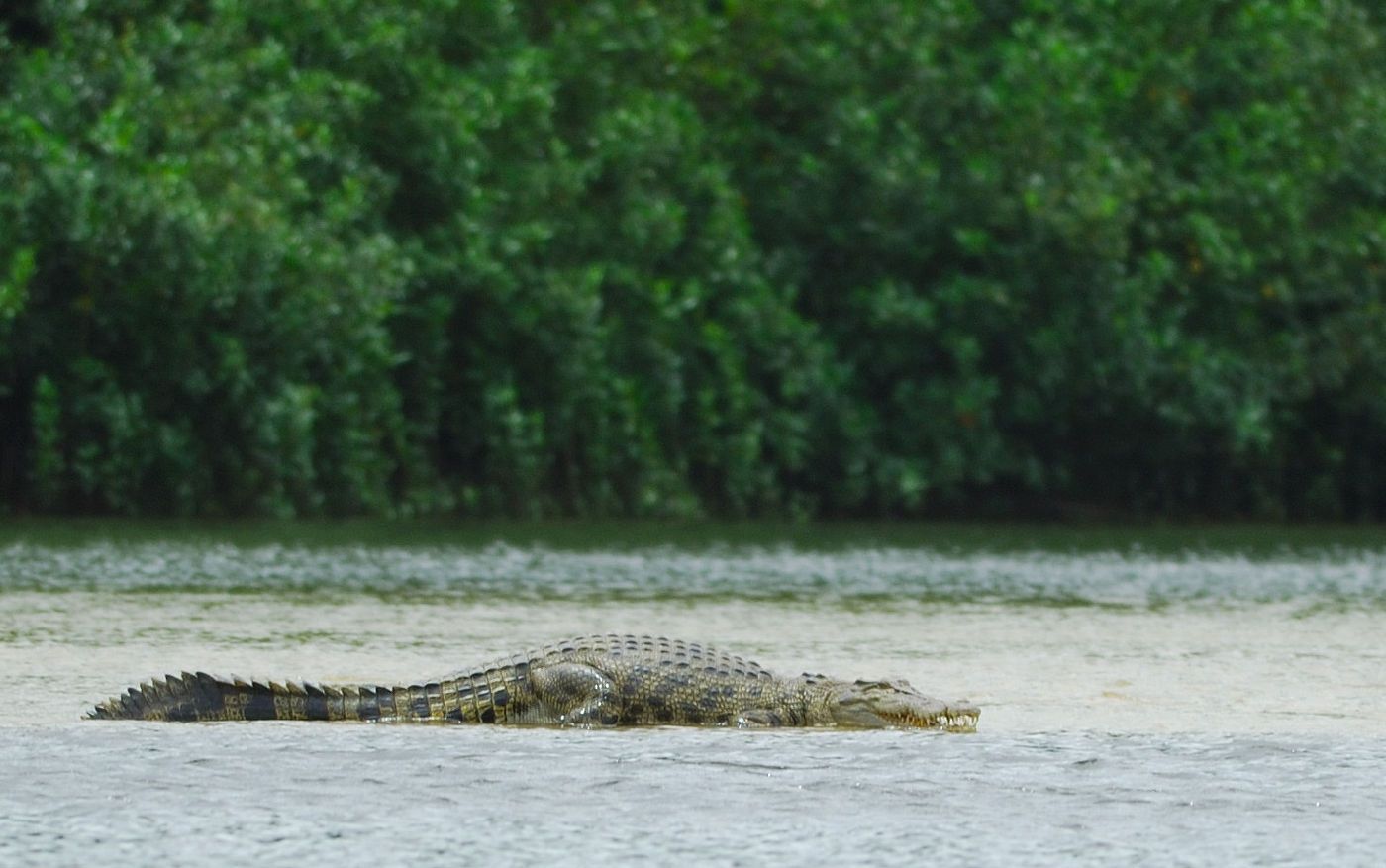
Photo By Richard Fisher on Flick
The Saltwater Crocodile (Crocodylus porosus), or saltie, is one of the most infamous reptiles alive today. Capable of growing up to 6 m (20 ft) in length and weighing up to 1,500 kg (3,300 lbs), this animal breaks several records, including being the largest crocodilian alive, and possesses one of the strongest bites in the animal kingdom. Salties are also known to be one of the few animals that actively hunt humans. Salties range from Northern Australia throughout Southeast Asia to the coasts of India. Thanks to their high tolerance for salinity, salties are able to cross small patches of saltwater, allowing them to traverse between islands. They mainly inhabit murky swamps and mangroves, where they ambush prey that get too close to the water’s edge, including humans who may rely on these water bodies for their livelihood.
With the local extinction of the Malayan Tiger (Panthera tigris jacksoni) in 1930 in Singapore, salties have become the apex predators of this island. However, thanks to the rapid development and urbanization of this country, locals have had access to clean water without the need to approach river banks and water bodies. Coupled with the effective barricading and habitat management by the Singapore National Parks Board (NParks), conflicts between man and crocodile have been extremely rare, with the last fatality reported in 1962 and the last attack reported in 1989.
However, recently on 6 May 2026, a 2m long saltwater crocodile was spotted at Sentosa Cove, a residential area that was located near popular tourist beaches. This sighting caused authorities to suspend all water activities in nearby beaches until the situation was dealt with. Later that night , NParks contractors would successfully trap the crocodile, which was then humanely euthanised.
On May 7, NParks released a statement, claiming that they had exhausted all alternatives before coming to this difficult decision. Relocation to local nature reserves was not possible since these creatures were highly territorial — the relocated crocodile would likely get driven out and return to where it was originally captured. NParks had also contacted local zoos and crocodile farms, but unfortunately neither was able to take in another crocodile.
The decision to euthanise the animal sparked mixed reactions online, with some agreeing that the saltie was too dangerous, while others argued that the crocodile was simply minding its own business in its own natural habitat and did not deserve to be put down.
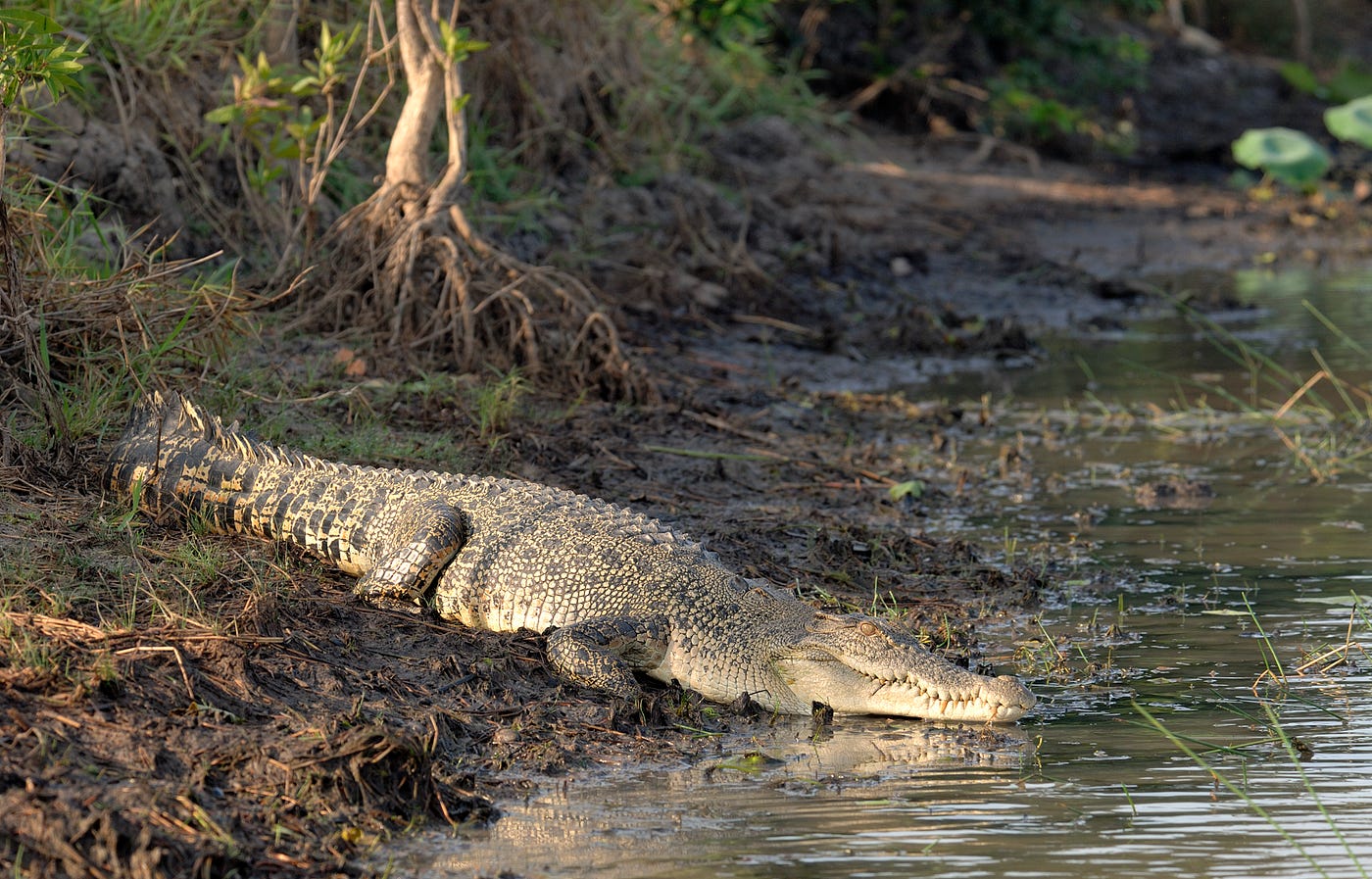
By Djambalawa at en.wikipedia — Transferred from en.wikipedia to Commons by User:Bidgee using CommonsHelper., Public Domain, https://commons.wikimedia.org/w/index.php?curid=4305115
In recent years, the number of saltie sightings near human establishments has increased. Just earlier this year, another 3m saltie was also spotted near Sentosa, causing nearby beaches to be shut down. Fortunately, this crocodile was never seen again. In March 2023, another saltie was spotted at East Coast Park, another popular beach in Singapore. That crocodile was also caught and put down.
While the Singapore population and demand for housing have increased significantly over the years, NParks and the Singapore Government have ensured that there is sufficient wild space for local wildlife to thrive, so what is the cause of the increased crocodile sightings? The answer may lie in a Facebook video post.
Recently, on 10 May 2026, a Facebook post blew up showing a wild crocodile eating what looked like a store-bought chicken in Sungei Buloh Wildlife Reserve, a nature reserve in Singapore where salties are regularly sighted. In the post, the poster claimed that the crocodile was already eating the chicken when he got there, and theorized that it was likely someone snuck in a grocery bought chicken to feed the reptile for the sake of amusement. While this unauthorized feeding might seem harmless at first glance, it actually leads the crocodiles to associate humans with food: “If I travel into a human territory , I will get free food.” The consequences of this habituation have already been seen in other cases, such as the macaques in India and the baboons in Cape Town.
All these conflicts between humans and wildlife started with the seemingly innocent offering of food, and when the animal is an apex predator that already sees humans as food, the stakes are so much higher.
It doesn’t even have to be the feeding of crocodiles directly. Salties in Singapore primarily prey on multiple native fish species. The feeding of those fish would habituate them to humans and, in turn, attract the crocodiles to move closer to human settlements.
In conclusion, neither the authorities nor the animal are really at fault here. Both were simply caught in a lose-lose situation created by the ignorance of humans. One of the most dangerous things a wild animal can do is to lose their fear of humans, and one of the easiest way to get them to do that is to offer them food. Thankfully, the crocodile was captured before it could cause any casualties, or authorities may even have been forced to take something more extreme, such as mass cullings. If there is one lesson to take away from this, it’s that wild animals are perfectly capable of getting their own food, and it is important that we respect their ability to do so. Offering food to wild animals, either out of kindness or amusement, may seem harmless at first, but is actually a death sentence to the animal.
메타데이터
- post_id
- c4694fbaa1ae
- slug
- a-wild-crocodile-was-put-down-in-singapore-recently-c4694fbaa1ae
- url
- https://medium.com/the-environment/a-wild-crocodile-was-put-down-in-singapore-recently-c4694fbaa1ae
- canonical_url
- https://medium.com/the-environment/a-wild-crocodile-was-put-down-in-singapore-recently-c4694fbaa1ae
- author_url
- https://medium.com/@yarzsjd
- status
- ok
- fetched_at
- 2026-06-20 20:29:01