How Netflix Originally Offered to Sell to Blockbuster: A 5000-Word Deep Dive into One of the…
In the ever-evolving world of business and technology, few stories capture the imagination quite like the tale of Netflix’s humble…
How Netflix Originally Offered to Sell to Blockbuster: A 5000-Word Deep Dive into One of the Biggest Missed Opportunities in Business History
In the ever-evolving world of business and technology, few stories capture the imagination quite like the tale of Netflix’s humble beginnings and its now-legendary offer to sell to Blockbuster. At the turn of the millennium, one company was a video rental titan, with thousands of stores worldwide and billions in revenue. The other was a scrappy startup with a fledgling business model and mounting debt. Yet within a few short years, the roles reversed dramatically. Netflix would become a global entertainment powerhouse, while Blockbuster would fade into near-obscurity.
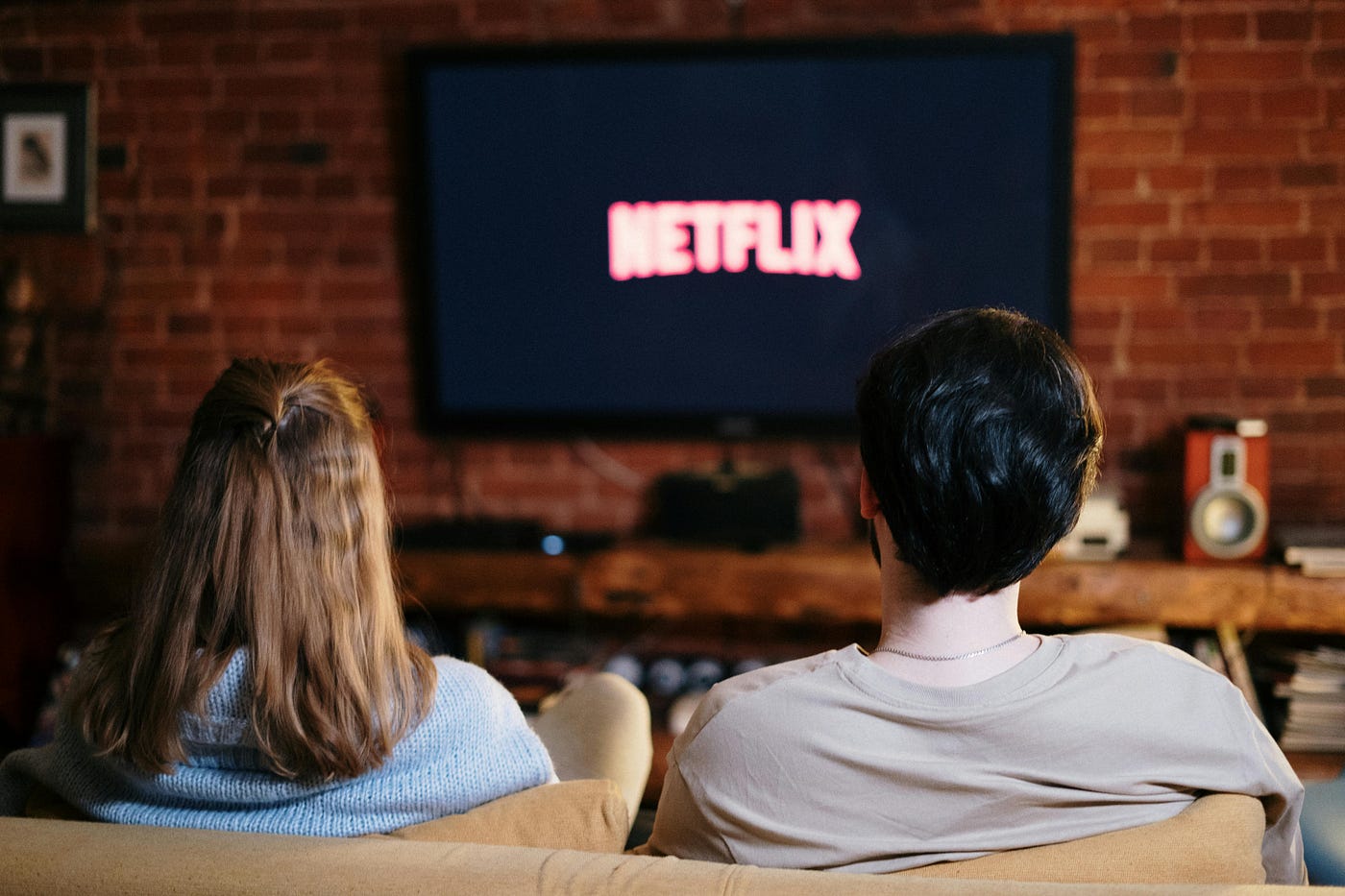
In the ever-evolving world of business and technology, few stories capture the imagination quite like the tale of Netflix’s humble beginnings and its now-legendary offer to sell to Blockbuster.
At the heart of this dramatic reversal lies a pivotal moment: the time when Netflix’s co-founders offered to sell the entire company to Blockbuster for $50 million — and were turned down.
This article explores that infamous meeting, the conditions that led to it, the strategic missteps, and how Netflix transformed itself into the streaming juggernaut it is today. We’ll look at the people, the technology, the culture of Silicon Valley versus corporate America, and the broader lessons about innovation, hubris, and timing.
Chapter 1: The Rise of Blockbuster
To understand the gravity of Netflix’s offer, we first need to appreciate the size and scope of Blockbuster at its peak.
The Blockbuster Empire
Founded in 1985 by David Cook, Blockbuster was built on the idea of standardizing the video rental business. While mom-and-pop video stores existed throughout the 1980s, they were often disorganized and regionally focused. Blockbuster brought a clean, family-friendly aesthetic, deep inventory, and consistent branding to the video rental experience.
By the late 1990s, Blockbuster had become a household name. It boasted more than 9,000 stores worldwide and over 60,000 employees. In 1994, it was purchased by Viacom for $8.4 billion, which added more fuel to its expansion. Movies, snacks, game rentals, and late fees made Blockbuster an immensely profitable enterprise.
However, cracks were already beginning to form.
The Late Fee Problem
Blockbuster’s late fee policy became one of its most hated features. Customers who returned movies late were often hit with hefty fees, sometimes even exceeding the cost of the movie itself. Though these fees generated significant revenue — about $800 million a year — they also alienated consumers and created negative sentiment around the brand.
While this model worked in the pre-digital age, it became increasingly vulnerable as internet technology improved.
Chapter 2: The Birth of Netflix
Origins and Inspiration
Netflix was founded in 1997 by Reed Hastings and Marc Randolph in Scotts Valley, California. The story goes that Hastings came up with the idea after being charged a $40 late fee by Blockbuster for a VHS copy of Apollo 13. Whether apocryphal or not, it symbolizes the consumer frustration Netflix would ultimately capitalize on.
The company’s initial model wasn’t streaming. It was DVD rentals by mail. At the time, DVDs were a relatively new format, but they were small, durable, and could be mailed easily — something VHS tapes couldn’t manage as efficiently.
The Subscription Model
What set Netflix apart was its innovative subscription model. For a monthly fee, users could rent an unlimited number of DVDs, one at a time, with no due dates or late fees. Once a DVD was returned, the next one on the customer’s queue was shipped out.
This model removed the most painful aspects of the rental experience — due dates, late fees, and the need to drive to a store — replacing them with convenience and personalization.
Chapter 3: David Meets Goliath
The 2000 Meeting
In 2000, Netflix was struggling. The company had fewer than 300,000 subscribers and was losing money rapidly. The dot-com bubble was bursting, and venture capital was drying up. Hastings and Randolph knew they needed a lifeline.
That year, they secured a meeting with Blockbuster CEO John Antioco in Dallas, Texas. Their pitch? Netflix would become the online division of Blockbuster, leveraging its distribution system and brand name. In return, Blockbuster would buy Netflix for $50 million.
Antioco and his team reportedly laughed at the offer. Blockbuster was a multi-billion-dollar company. Why would they buy a small, unprofitable startup?
Hastings and Randolph were escorted out.
Why Blockbuster Said No
In retrospect, Blockbuster’s refusal seems monumentally shortsighted. But at the time, it wasn’t entirely irrational. Blockbuster was the market leader with huge brand recognition. Netflix’s DVD-by-mail model seemed like a niche offering. There were also internal political struggles at Viacom, which owned Blockbuster at the time, making major strategic shifts difficult to approve.
Most critically, Blockbuster saw itself as a retail business, not a tech company. This misalignment in vision made it hard to recognize Netflix’s potential.
Chapter 4: Netflix’s Resilience
Pivoting and Persevering
After the failed sale, Netflix continued to hemorrhage money. But Hastings and his team doubled down. They improved their logistics, refined their recommendation algorithm (which would become a key differentiator), and focused on customer experience.
In 2002, Netflix went public, raising $82 million. The capital infusion allowed it to expand its DVD library and reach more subscribers.
The Death of Late Fees
One of Netflix’s most disruptive moves was eliminating late fees entirely. This created a dramatic contrast with Blockbuster, whose late fee policy remained in place for years. Netflix’s approach appealed to a new generation of users who valued convenience, transparency, and control.
Chapter 5: Blockbuster’s Counterattack (Too Little, Too Late)
Blockbuster Online
In 2004, seeing Netflix’s growth, Blockbuster launched its own DVD-by-mail service, Blockbuster Online. It was similar in design and function, even offering some additional perks, like in-store returns.
Though it gained some traction, Blockbuster was playing catch-up. Netflix had already optimized its logistics and user interface, and had a growing, loyal subscriber base.
Internal Turmoil
John Antioco recognized the need to change, but his efforts were stymied by internal conflict. Blockbuster was still part of Viacom until 2004, and investor Carl Icahn began pressuring the company to focus on short-term profitability over long-term innovation.
Icahn eventually ousted Antioco, replacing him with Jim Keyes, a former 7-Eleven CEO. Keyes reversed many of Antioco’s initiatives, including deprioritizing the online strategy in favor of brick-and-mortar locations.
The company’s chance to adapt had passed.
Chapter 6: The Streaming Revolution
Netflix’s Second Big Bet
In 2007, Netflix made another audacious move: streaming. Rather than sending physical DVDs, users could now watch content instantly online.
The initial library was limited, but the implications were enormous. It marked a fundamental shift in how people consumed media — from ownership and physical formats to access and digital delivery.
Netflix gradually acquired licenses for popular TV shows and movies, further enhancing its value proposition. By 2010, streaming had become the core of its business model.
Original Content
To reduce its reliance on licensing deals, Netflix began producing its own content. In 2013, House of Cards debuted as the company’s first major original series. It was a critical and commercial success, and a harbinger of things to come.
Soon, Netflix was releasing dozens of original series, documentaries, and films annually, reshaping the entire entertainment industry.
Chapter 7: Blockbuster’s Collapse
Bankruptcy
In 2010, Blockbuster filed for Chapter 11 bankruptcy. It had amassed over $1 billion in debt and had been outmaneuvered at nearly every turn. Dish Network acquired its remaining assets in 2011, and by 2014, the last company-owned Blockbuster stores were closed.
Only one franchise-operated Blockbuster remains open, in Bend, Oregon — a nostalgic relic and tourist attraction.
Chapter 8: The Netflix Empire
Global Expansion
Netflix’s rise didn’t stop at the U.S. border. It rapidly expanded internationally, first to Canada, then Latin America, Europe, Asia, and beyond. By 2025, Netflix boasts over 260 million global subscribers, with content available in nearly every country.
Awards and Recognition
From an upstart DVD mailer to an Oscar-winning studio, Netflix’s evolution is remarkable. It has won Academy Awards, Emmy Awards, and disrupted every major studio in Hollywood.
The company’s data-driven approach to content creation, along with its willingness to invest heavily in original programming, has kept it ahead of the curve — even as competitors like Disney+, HBO Max, and Amazon Prime Video entered the space.
Chapter 9: Lessons from a Missed Opportunity
Innovation vs. Complacency
One of the biggest takeaways from the Netflix-Blockbuster story is the danger of complacency. Blockbuster had the resources, the brand, and the infrastructure to dominate digital entertainment. But it failed to recognize the threat and opportunity posed by Netflix.
Timing and Vision
Netflix wasn’t just lucky — it had vision and grit. Hastings and Randolph believed in their model, iterated on it relentlessly, and made bold moves (like streaming) long before the industry caught up.
The Cost of Arrogance
Blockbuster didn’t just ignore Netflix — they laughed at them. That arrogance, rooted in past success, proved fatal. Today, the “Netflix offered to sell to Blockbuster” story is taught in business schools as a cautionary tale of hubris.
Conclusion
The story of Netflix’s failed attempt to sell to Blockbuster for $50 million is more than a quirky footnote in tech history. It’s a profound lesson in innovation, disruption, and the perils of underestimating the future.
Blockbuster could have been Netflix. Instead, it became a symbol of what happens when businesses fail to adapt. Netflix, meanwhile, embraced change, took risks, and ultimately transformed not just its industry, but global entertainment itself.
In a world where the next disruption is always around the corner, perhaps the most important lesson is this: never stop evolving.
메타데이터
- post_id
- c4867ec2fc88
- slug
- how-netflix-originally-offered-to-sell-to-blockbuster-a-5000-word-deep-dive-into-one-of-the-c4867ec2fc88
- url
- https://medium.com/@factspheremedia/how-netflix-originally-offered-to-sell-to-blockbuster-a-5000-word-deep-dive-into-one-of-the-c4867ec2fc88
- canonical_url
- https://medium.com/@factspheremedia/how-netflix-originally-offered-to-sell-to-blockbuster-a-5000-word-deep-dive-into-one-of-the-c4867ec2fc88
- author_url
- https://medium.com/@factspheremedia
- status
- ok
- fetched_at
- 2026-07-11 12:10:32