How I Became a Realistic Idealist
What Brook Farm, Concord, and a Sunday in a New Hampshire field taught me about finishing strong
How I Became a Realistic Idealist
What Brook Farm, Concord, and a Sunday in a New Hampshire field taught me about finishing strong

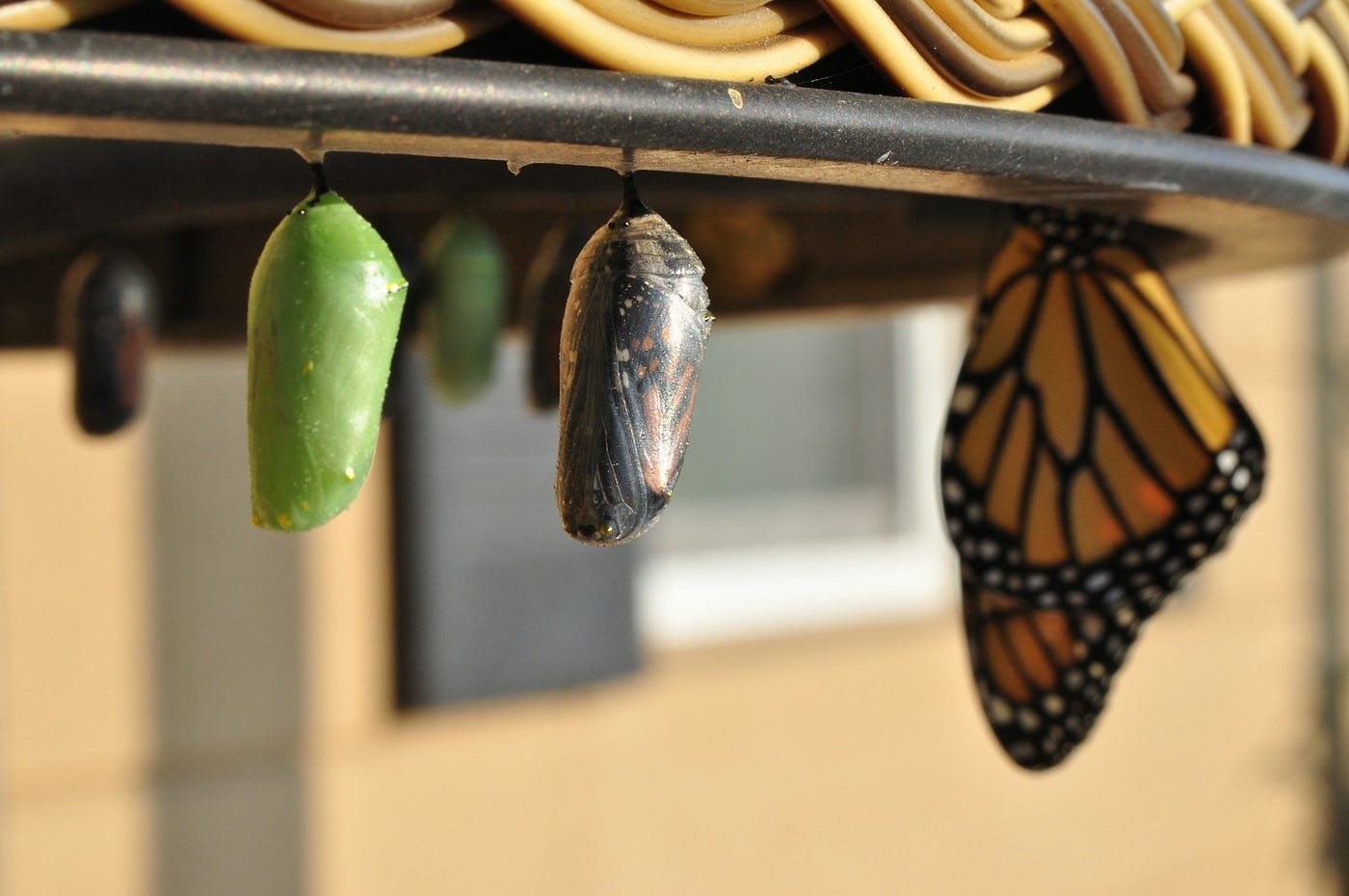
Image crediit: author.
When I was younger, I believed the good guys would win. I believed hard work mattered. Integrity mattered. Kindness mattered. I assumed honesty would eventually rise to the top and that people who tried to do the right thing would somehow come out ahead.
Then life happened.
I watched decent people struggle while manipulative people prospered. I watched institutions disappoint us. I watched image outperform substance, charisma outperform character, and luck quietly shape outcomes far more than most people want to admit.
Somewhere along the way, many of us become realists. But I have learned over the years that sometimes realism is simply disappointment wearing a suit.
A field after Sunday Mass
I spent my early childhood in a suburb outside Boston, not far from Concord, Massachusetts. Something about that town stirred me even as a child. I could not have explained it then.
I only remember a feeling. It was a strange mix of curiosity, awe, and quiet reverence. The old homes. The trees. The stillness. A sense that humans had asked important questions long before I arrived.
Around the time I was eight or nine, my family moved north to Laconia, New Hampshire, where my father had taken a partner role in a hospitality business. One Sunday after morning Mass, I found myself sitting beside him in a lush, green field near our home.
The mountains rose around us, dotted with tall white pines. Lake Winnipesaukee below caught the late morning light. Puffy white clouds floated above us, the way they do in late summer before the first cool breath arrives.
I asked my father how he knew there was a God. I was confused, the way kids get confused when faith and the world refuse to line up neatly.
He thought for a moment, and then he said, quietly, the way he said most things: “Clifford, I don’t know for sure. But I have a good sense of it when I think about my love for you, your sister, brother, and mother. And when I look at those white pines, and the lake down there, and those clouds.”
My father was a good man. He worked hard, trusted people, and tried to build something honorable in business. He was, in the language of Dostoevsky, something of an Idiot. This idiot is not foolish, but open-hearted in a world that rarely rewards open hearts without also breaking them.
My father was my first human hero. And like many decent men, he often found himself outmatched by rogue players, bad timing, and a world less fair than he hoped it would be.
He was an idealist who learned, slowly and at some cost, to become a realist too. Watching him do that shaped everything that followed for me.
Brook Farm and the beautiful dream
Years later, after raising a family, chasing my entrepreneurial and creative whims through business, setbacks, disappointment, psychology, metaphysics, and the long search for meaning, I finally began to understand why Concord had stayed with me.
The early Transcendentalists, such as George Putnam, Ralph Waldo Emerson, and Frederic Henry Hedge, were wrestling with questions that would quietly follow me for the rest of my life. What makes a meaningful life? Can human beings grow beyond suffering? How do we remain fully human in a world that often rewards ambition more than integrity?
They found the answers not only in institutions, but within. Nature mattered. Solitude mattered. Reflection mattered. The soul mattered. External success meant very little if a person lost themselves along the way.
Then, an experiment happened
One of the most fascinating expressions of this philosophy was Brook Farm, an idealistic social experiment founded outside Boston in 1841. Influenced by the Transcendentalists, its founders believed that human beings, given the right conditions, might become better versions of themselves. It was a community in which meaningful work, education, equality, and cooperation could replace competition and social climbing.
It was a beautiful dream. And like many beautiful dreams, it collided with reality. Money problems surfaced. Personality conflicts emerged. Human ego entered the room. Eventually, Brook Farm collapsed. We’ve witnessed countless attempts to live in paradise fail. But that is not all.
In my early years, I would have viewed that story only through the lens of failure. I see it differently now. Brook Farm may have failed economically, but it succeeded philosophically. Its founders asked questions that still matter. Can human beings grow? Can we build lives rooted in meaning instead of status?
Most of us wrestle with those same questions, whether we admit it or not. These were humans who, hundreds of years ago, showed us the way to the interior life.
The shadow of realism
I know I have wrestled with the big questions. For decades, I trusted too easily. Wanted to believe the best in people. Assumed sincerity mattered more than strategy. Believed competence and integrity would eventually rise to the surface.
Sometimes they did. Often they did not.
There were countless moments when disappointment tempted me toward cynicism. Cynicism, like revenge, feels intelligent after betrayal. Safe after loss. Protective as a result of too much broken trust. You stop expecting much from people. You stop getting hurt. You call it realism.
But realism has a shadow. Too much of it quietly hardens into bitterness. And bitterness, in my experience, is wounded idealism that never healed. I catch myself becoming bitter now, and I can more easily shift into the higher gear of acceptance.
What compounds quietly
The older I get, the more I believe wisdom lives somewhere in the middle. I can now easily summarize my philosophy:
“Not too high, not too low. Not too left, not too right. The middle way is the best way to go.”
A realistic idealist sees the world clearly without surrendering hope. Understands human flaws but still believes growth is possible. We know institutions fail, markets fluctuate, and some people manipulate and take shortcuts. Yet still chooses integrity, not because integrity guarantees success, but because character matters. They trust, but verify. Care deeply, but notice patterns. Remain hopeful, but not naïve.
I learned something the Transcendentalists understood long ago. The interior life matters.
External success fluctuates. Money comes and goes. Business fortunes rise and fall. Sometimes the good people lose. I know this because I watched it happen to my father.
I lived it myself.
The interior life quietly compounds. The ability to sit alone in peace. To remain curious. To deepen spiritually. To understand yourself. To become less reactive, less resentful, more forgiving. To walk in nature and feel awe.
No rogue player can take that from you. No recession can erase it. No betrayal can bankrupt it.
Maybe that is what it means to finish strong. It’s not competing against all odds, finishing first, winning every battle, or escaping disappointment. But arriving later in life with your integrity intact, your spirit still alive, and an inner life richer than anything the outer world could ever offer.
It’s akin to the end of competition, and the acceptance of cooperation for the survival of the emotionally fit among us. It’s wealth beyond measure.
Serenity becomes sustainable, an inner peace, and knowing that we are souls living in a school called life. Who would not want to study this domain, wondering how it is possible to find heaven here?
These days, I no longer expect life to be fair. But I still believe civility, mutual respect, and kindness matter. I still believe integrity compounds quietly over time and is more valuable than wealth on paper.
And while the good guys may not always finish first, I have learned something better. If they cultivate the interior life, the way my father did in that field, without quite knowing that’s what he was doing, they can still finish strong.
Thanks for reposting this article if you found it helpful.
메타데이터
- post_id
- c48dbca49678
- slug
- how-i-became-a-realistic-idealist-c48dbca49678
- url
- https://medium.com/a-little-stoic-wisdom/how-i-became-a-realistic-idealist-c48dbca49678
- canonical_url
- https://medium.com/a-little-stoic-wisdom/how-i-became-a-realistic-idealist-c48dbca49678
- author_url
- https://medium.com/@clifford-jones
- status
- ok
- fetched_at
- 2026-06-14 16:15:44