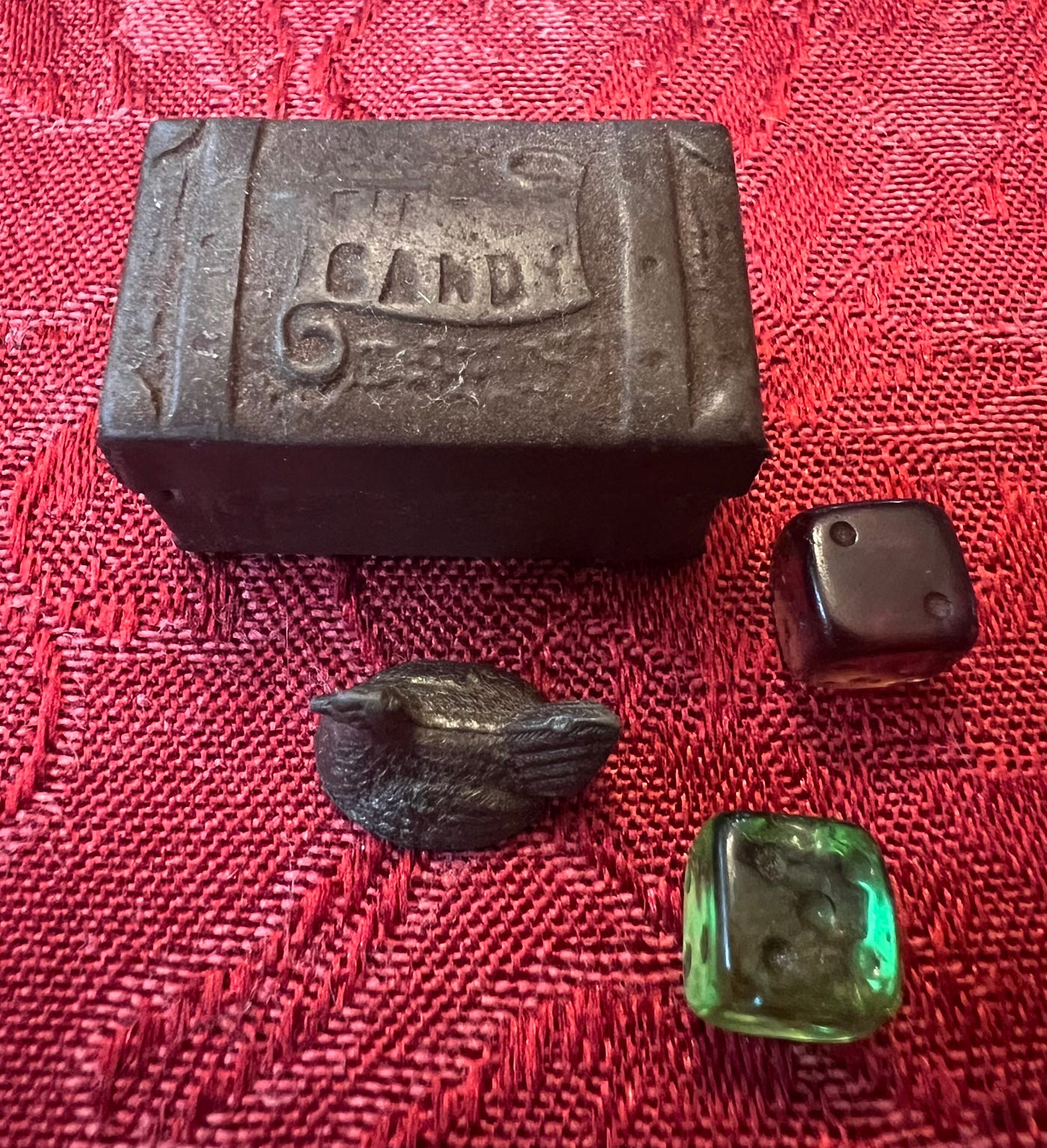
“Japan’s Atlantis? Reconsidering Yamatai”
Reconsidering the Location of Yamatai:A Tsunami-Induced Loss Model for Coastal Settlements in Hyūga
“Japan’s Atlantis? Reconsidering Yamatai”
Reconsidering the Location of Yamatai:A Tsunami-Induced Loss Model for Coastal Settlements in Hyūga
What if Yamatai was never found… because it was physically erased?
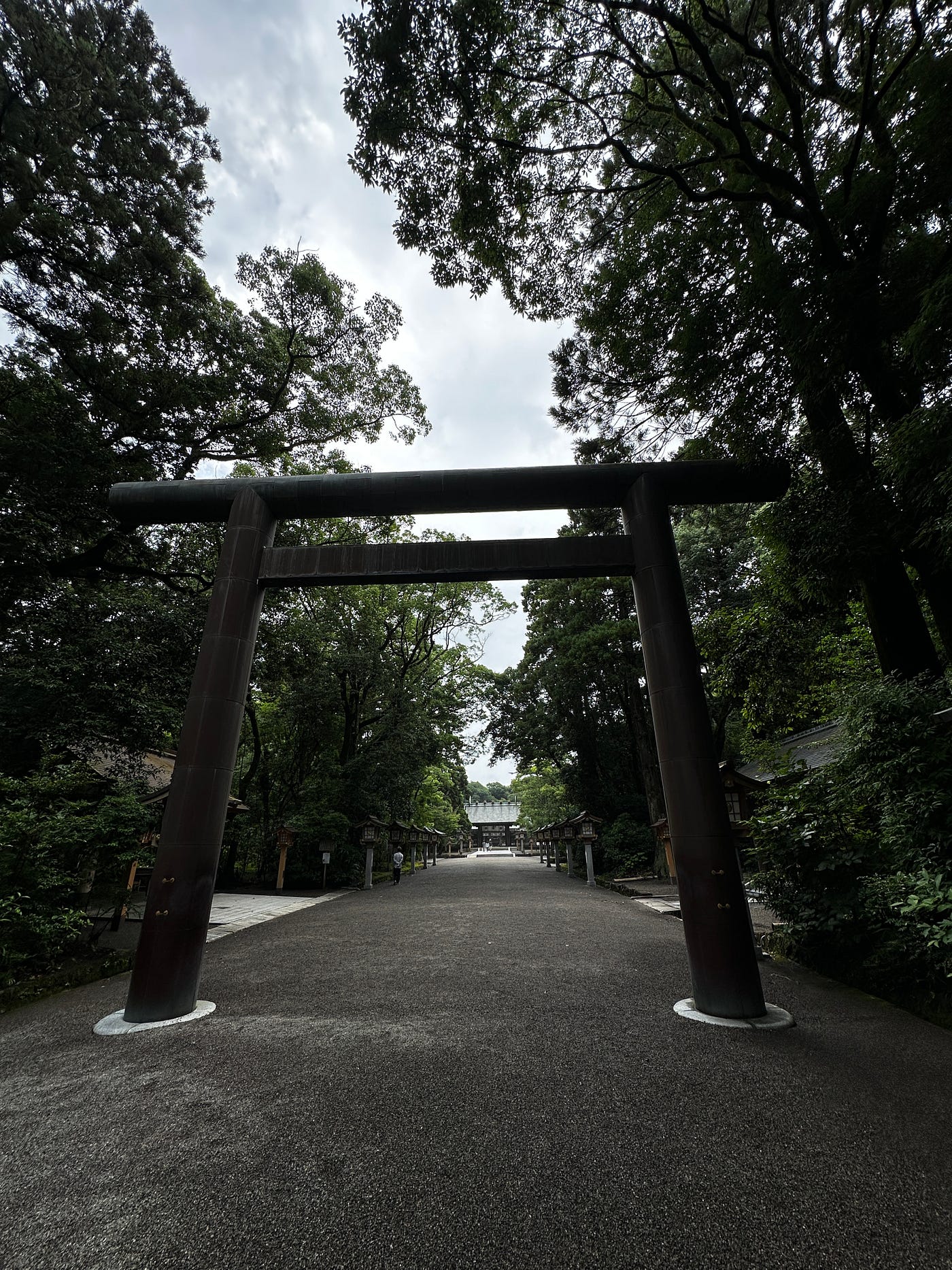
Miyazaki-jingu Torii
■ Abstract
This study proposes a supplementary hypothesis to the Takachiho theory of Yamatai, suggesting that large-scale settlements along the Hyūga-nada coastal lowlands may have been lost due to repeated tsunami events. While major archaeological sites remain preserved in inland and elevated areas, the apparent absence of large-scale settlements in coastal regions — particularly around northern Miyazaki — has been considered a critical weakness of the Hyūga-based model.
By integrating geological evidence of tsunami deposits, historical records such as the 1662 Hyūga-nada earthquake, and the spatial distribution of archaeological sites across varying elevations, this paper argues that the “absence of evidence” in coastal zones may instead reflect site destruction or burial processes, rather than non-existence.
■ 1. Introduction
The location of Yamatai, described in the Records of Wei (Wei Zhi), remains one of the most debated topics in ancient Japanese history.
Two dominant models have traditionally been proposed:
The Kinai (Yamato Basin) theory The Northern Kyushu theory
A third hypothesis — the Takachiho (Hyūga) theory — has gained attention due to its mytho-historical alignment with early Japanese traditions. However, a major criticism persists:
The lack of large-scale archaeological remains in coastal northern Miyazaki (e.g., Nobeoka region).
This paper addresses that issue by proposing a coastal loss model caused by tsunami activity.
■ 2. Geological Context: Hyūga-nada and Tsunami Risk
The Hyūga-nada region faces the Pacific Ocean and is directly influenced by seismic activity along the Nankai Trough megathrust system.
Historical evidence indicates repeated large-scale tsunami events.
Key Case: 1662 Hyūga-nada Earthquake Tsunami deposits identified as marine sand layers containing shells Significant damage recorded in the Nobeoka region
These findings demonstrate that:
Coastal lowlands in Hyūga are highly susceptible to erosion, burial, and destruction of surface structures.
■ 3. Archaeological Distribution and Elevation
A notable pattern emerges when examining site locations:
Inland / Elevated Sites (Preserved) Saitobaru Burial Mounds → Located on a plateau (~70m elevation) Ikime Kofun Cluster → Located on the Atoe plateau (~25m elevation) Coastal-Adjacent but Elevated Site Shimonaka Site → Situated on a hill (~45m elevation), near the coast but above lowland flood risk Missing Layer Coastal lowlands (0–10m elevation) → No large-scale settlement remains identified Interpretation
This distribution suggests:
Archaeological preservation is strongly correlated with elevation and distance from tsunami impact zones.
■ 4. The Coastal Loss Hypothesis
This paper proposes the following model:
Two-Layer Structure Model Coastal Lowlands: Political and economic center (lost)
Inland Plateaus: Ritual and burial sites (preserved) Implications Central settlements may have existed in coastal plains These areas were later destroyed or buried by tsunami activity Only elevated ceremonial and burial sites remain visible today
■ 5. Reinterpreting the Absence of Evidence
Traditional archaeological logic assumes:
“No remains = no settlement.”
However, in tsunami-prone coastal environments, this assumption becomes problematic.
The absence of archaeological evidence may not indicate absence of civilization, but the consequence of environmental destruction.
Instead, we propose:
“No remains = potential destruction or burial.”
■ 6. Consistency with the Records of Wei
Descriptions in the Records of Wei (Wei Zhi) indicate:
Maritime routes (water travel dominance) Coastal accessibility A centralized political entity
These characteristics align with a coastal settlement model, even if physical evidence is currently absent.
■ 7. Comparative Perspective: Lost Coastal Civilizations
While often associated with myth, the concept of lost coastal settlements is not unique.
The case of Atlantis reflects a broader human tendency to remember vanished maritime cultures.
However, this study emphasizes:
The Hyūga model is grounded not in mythology, but in geological and archaeological plausibility.
■ 8. Future Research Directions
To evaluate this hypothesis, the following approaches are necessary:
Coastal sediment core analysis (identification of tsunami layers) Subsurface surveys in coastal plains Underwater archaeology in Hyūga-nada
Particularly critical is the verification of:
Tsunami deposits dating to the 3rd century CE
■ 9. Conclusion
The absence of large-scale archaeological remains in coastal Hyūga should not be interpreted as definitive evidence against its candidacy as Yamatai.
Instead, it may indicate:
A landscape where history was physically erased by natural forces.
■ Final Statement
If Yamatai existed in Hyūga, it may not be a “missing kingdom,” but a “lost coastal civilization.”
Yamatai may not be hidden. It may be gone.
References
・Historical records of the 1662 Hyūga-nada earthquake and tsunami damage in northern Miyazaki ・Geological surveys identifying tsunami deposits (marine sand and shell layers) in coastal plains ・Archaeological reports on: ・Saitobaru Burial Mounds ・Ikime Kofun Cluster ・Shimonaka Site ・Records of Wei (Wei Zhi)
Fantasy,Fantasy Romance Sumi Kazama“Lost Light” : Link→Inkspired
Lost Light The Mystery of Yamatai The greatest unsolved mystery of ancient Japan comes to life. A tale of the lost kingdom of Yamatai, the legendary shaman queen Himiko, and a light that vanished into history. Synopsis: A boy from the modern world falls into ancient Japan after uncovering a mysterious mirror. In a sacred valley on the edge of war, Isshin meets Himuka, a young priestess destined to become a queen. As visions deepen and alliances begin to fracture, the bond between them grows into something neither of them can escape. But in a world shaped by ritual, duty, and blood, love can never remain simple. Lost Light is a historical fantasy romance about war, memory, destiny, and the fragile light people try to carry into the future.
✨Cross-Media Project Link 🎵
Theme Song: “Lost Light” 🎧 Listen: [Music Link]
YouTube : LOST LIGHT — IYO | 30s Trailer
Sumika Kazama Official Website:
📝 NOTE Site
메타데이터
- post_id
- c4a22040ad86
- slug
- japans-atlantis-reconsidering-yamatai-c4a22040ad86
- url
- https://medium.com/@info_94105/japans-atlantis-reconsidering-yamatai-c4a22040ad86
- canonical_url
- https://medium.com/@info_94105/japans-atlantis-reconsidering-yamatai-c4a22040ad86
- author_url
- https://medium.com/@info_94105
- status
- ok
- fetched_at
- 2026-06-26 21:52:29