Childhood Eating Behaviors May Influence Adult Weight and Eating Patterns
Can the way children eat affect their health decades later? Research suggests that early eating behaviors may play a role in shaping future…
Childhood Eating Behaviors May Influence Adult Weight and Eating Patterns
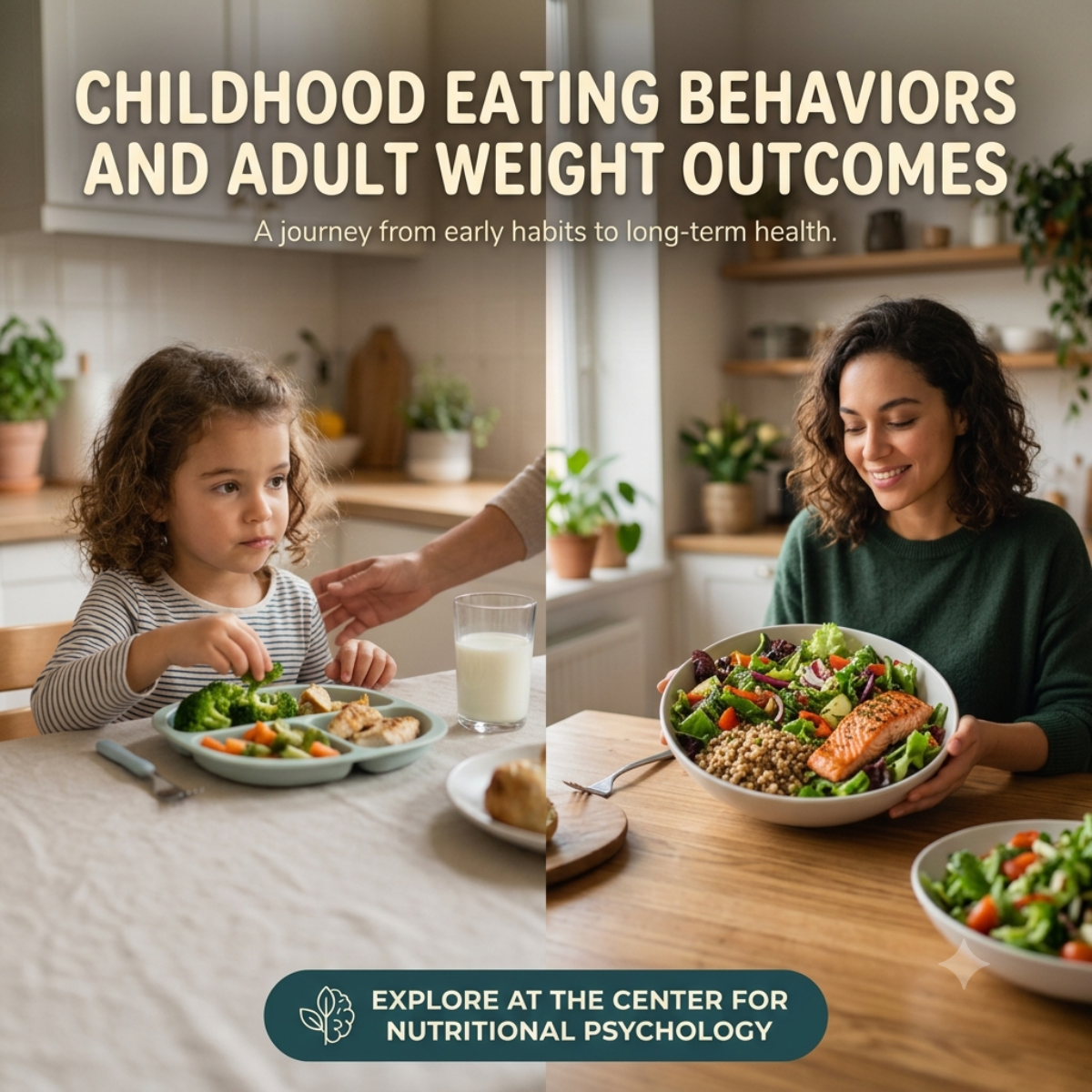
Childhood Eating Behaviors May Influence Adult Weight and Eating Patterns
Can the way children eat affect their health decades later? Research suggests that early eating behaviors may play a role in shaping future dietary habits, appetite regulation, and weight outcomes.
A longitudinal study by Dubois et al. examined how childhood eating behaviors, particularly overeating and food fussiness, are associated with eating patterns and weight status in adulthood.
How Childhood Eating Habits Were Studied
The researchers analyzed data from 698 young adults aged 22 years who participated in the Quebec Longitudinal Study of Child Development, a study that has followed individuals from infancy.
Caregivers reported children’s eating behaviors between the ages of 2 and 6 years, including tendencies such as:
- Overeating beyond feelings of fullness
- Food fussiness or picky eating
When participants reached adulthood, they completed questionnaires about their:
- Eating behaviors
- Dietary patterns
- Height and weight measurements
The researchers then explored whether early childhood eating habits were connected to adult eating behaviors and weight status.
Childhood Overeating Linked to Higher Adult Weight Risk
The findings showed that childhood overeating was associated with greater weight-related risks later in life.
Adults who frequently overate during childhood were 1.44 times more likely to experience overweight or obesity compared with those who did not display this behavior.
These individuals also reported lower satiety, meaning they experienced less fullness after eating and may have had more difficulty recognizing signals that indicate they had eaten enough.
Adult Dietary Patterns and Eating Behaviors
Researchers identified four major dietary patterns among participants:
- Healthy dietary pattern
- Beverage-rich dietary pattern
- High-energy-density dietary pattern
- Protein-rich dietary pattern
Adults following a healthier dietary pattern generally:
- Enjoyed food more
- Were less likely to be picky eaters
- Reported slightly stronger hunger signals
On the other hand, individuals who consumed more high-energy-density foods tended to experience:
- Lower feelings of fullness
- Greater food fussiness
These findings suggest that dietary choices and eating behaviors often influence each other over time.
The Connection Between Eating Behaviors and Appetite Regulation
The study also highlighted important relationships between different eating behaviors.
People who enjoyed food more and responded strongly to food cues were more likely to report higher hunger levels. Meanwhile, slower eaters often experienced fullness sooner and were less likely to eat excessively during emotional situations.
These patterns show that eating behaviors are complex and influenced by appetite regulation, emotional responses, and learned habits.
Childhood Picky Eating Does Not Predict Adult Obesity
Unlike childhood overeating, picky eating was not associated with increased risk of adult overweight or obesity.
However, children who were picky eaters were more likely to continue being selective about food as adults. They were also slightly less likely to follow a healthy dietary pattern.
The researchers also observed some gender differences:
- Women who were picky eaters in childhood showed higher levels of emotional overeating in adulthood.
- Men who were picky eaters reported slightly lower enjoyment of food.
What This Means for Long-Term Health
This study highlights the importance of developing healthy eating behaviors during childhood. Early habits, such as overeating, may influence appetite regulation and weight outcomes later in life.
However, the researchers emphasized that these relationships were modest, meaning childhood eating behaviors do not determine someone’s future health.
Eating patterns can change throughout life. Building a positive relationship with food, improving awareness of hunger and fullness signals, and encouraging balanced dietary habits can support healthier outcomes at any age.
Key Takeaway
Childhood eating behaviors may influence adult dietary habits and weight status, but they are not fixed predictors of future health. Supporting healthy eating environments during childhood while encouraging positive changes throughout life can contribute to better nutrition and overall well-being.
Read full research article here: https://www.nutritional-psychology.org/children-prone-to-overeating-are-more-likely-to-be-overweight-as-adults/.
메타데이터
- post_id
- c52fb05b48aa
- slug
- childhood-eating-behaviors-may-influence-adult-weight-and-eating-patterns-c52fb05b48aa
- url
- https://medium.com/@aasmakausar786/childhood-eating-behaviors-may-influence-adult-weight-and-eating-patterns-c52fb05b48aa
- canonical_url
- https://medium.com/@aasmakausar786/childhood-eating-behaviors-may-influence-adult-weight-and-eating-patterns-c52fb05b48aa
- author_url
- https://medium.com/@aasmakausar786
- status
- ok
- fetched_at
- 2026-07-13 06:23:13