Can Robots Machine Advanced Materials? CFRP, Aluminum & Recycled Composites Explained
Robotic-machining-advanced-materials
Can Robots Machine Advanced Materials? CFRP, Aluminum & Recycled Composites Explained
Robotic-machining-advanced-materials

Robotic Hi-Tech Solutions
Can Robots Machine Advanced Materials? CFRP, Aluminum & Recycled Composites Explained
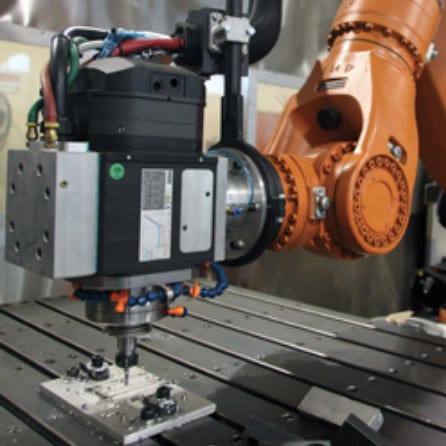
Advanced materials are everywhere: electric vehicles, aerospace panels, drones, furniture, wind turbines, and even consumer products. These materials — CFRP, aluminum alloys, hybrid laminates, thermoplastics, and recycled substrates — behave differently under cutting forces. Robots handle some of them exceptionally well… and others with limitations.
A 2025 Springer study confirmed: robots are increasingly used for trimming and milling advanced materials, especially composites, but struggle with heavy-duty cuts compared to CNC machines.
Where Robots Perform Best
👉 CFRP & Composites Robots excel in trimming and drilling because composites have lower cutting forces. Aerospace factories widely use robotic trimming cells for large CFRP parts.
👉 Thermoplastics ABS, PC, and PEKK cut cleanly at high spindle speeds. Robots maintain good accuracy and reach.
👉 Recycled Plastics With force control and multi-pass toolpaths, robots handle inconsistent-density materials efficiently.
Where They Struggle
👉 Aluminum & Light Alloys Robots can machine aluminum, but only with:
- Shallow passes
- High-rigidity mounts
- Adaptive toolpaths
CNC machines outperform robots in heavy stock removal.
Tools Matter
- Diamond-coated → composites
- Carbide → aluminum
- Dust extraction → CFRP
- No coolant needed for composites
Robots are ideal for lightweight and composite materials. CNC machines remain the standard for dense metals or tight tolerances. Matching the right material to the right machine ensures optimal performance.
❓FAQs
Q: What advanced materials are highlighted in the article as examples for robotic machining?
A: The article highlights CFRP (Carbon Fiber Reinforced Polymer), aluminum, and recycled composites as key examples of advanced materials that robots can machine
Q: Why is robotic machining considered suitable for advanced materials like CFRP and composites?
A: Robotic machining is considered suitable because it offers flexibility, precision, and adaptability when dealing with complex geometries and delicate materials. Robots can adjust cutting strategies to minimize damage, reduce waste, and improve efficiency compared to traditional methods
This article expands technical concepts from: 👉 “How Accurate Is Robotic Milling Compared to CNC?”
메타데이터
- post_id
- c592af38bba2
- slug
- can-robots-machine-advanced-materials-cfrp-aluminum-recycled-composites-explained-c592af38bba2
- url
- https://medium.com/@robotichitechsolutions/can-robots-machine-advanced-materials-cfrp-aluminum-recycled-composites-explained-c592af38bba2
- canonical_url
- https://medium.com/@robotichitechsolutions/can-robots-machine-advanced-materials-cfrp-aluminum-recycled-composites-explained-c592af38bba2
- author_url
- https://medium.com/@robotichitechsolutions
- status
- ok
- fetched_at
- 2026-07-22 05:12:34