Multipolarity & the formative world order
Changing global dynamics, fracturing power and renewing hegemony?
Multipolarity & the formative world order
Changing global dynamics, fracturing power and renewing hegemony?
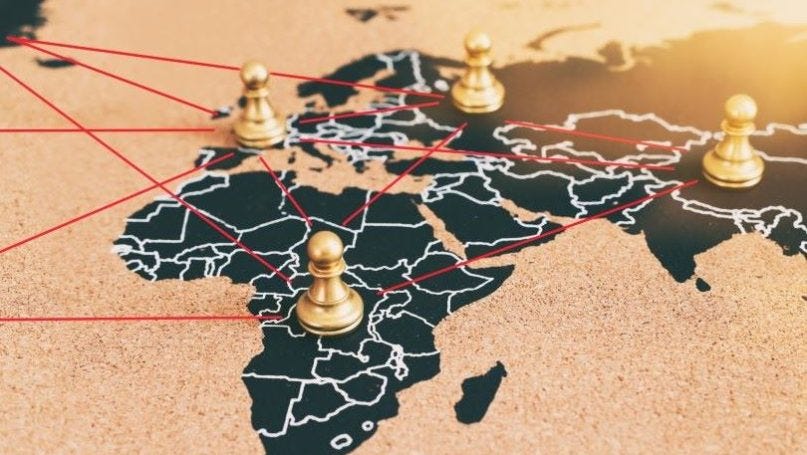
To say that 2026 has gotten off to a tumultuous and chaotic start is not exaggeration. The stir of 2026 started with Maduro Capture, Greenland take over outrage, Trade War, World Economic Forum: Global Leaders spilling tea on the fragmented unity in global stage to which the POTUS and his handling of US-Israel and Iran war with NATO alliances appearing to be accurate as days progress. We have seen a number of remarkable things happen since the start of the New Year and an avant-garde impearlist scale of regime shopping. All of these occurrences would have been practically unimaginable just a few years ago, but they all occurred in first three months of 2026.
Mark Carney boldy quoting “It seems that every day we’re reminded that we live in an era of great power rivalry, that the rules based order is fading, that the strong can do what they can, and the weak must suffer what they must.” is a strong remark of how the things might unravel with Geopolitics and the shifting world powers. Carney’s answer is stronger coordination among “middle powers” such as Canada, Australia, Japan, and similar countries that are influential but not dominant superpowers. He has said these countries must act together because otherwise they risk being sidelined, and he has framed this as building coalitions around common values, security, critical minerals, defense capacity, and economic resilience.
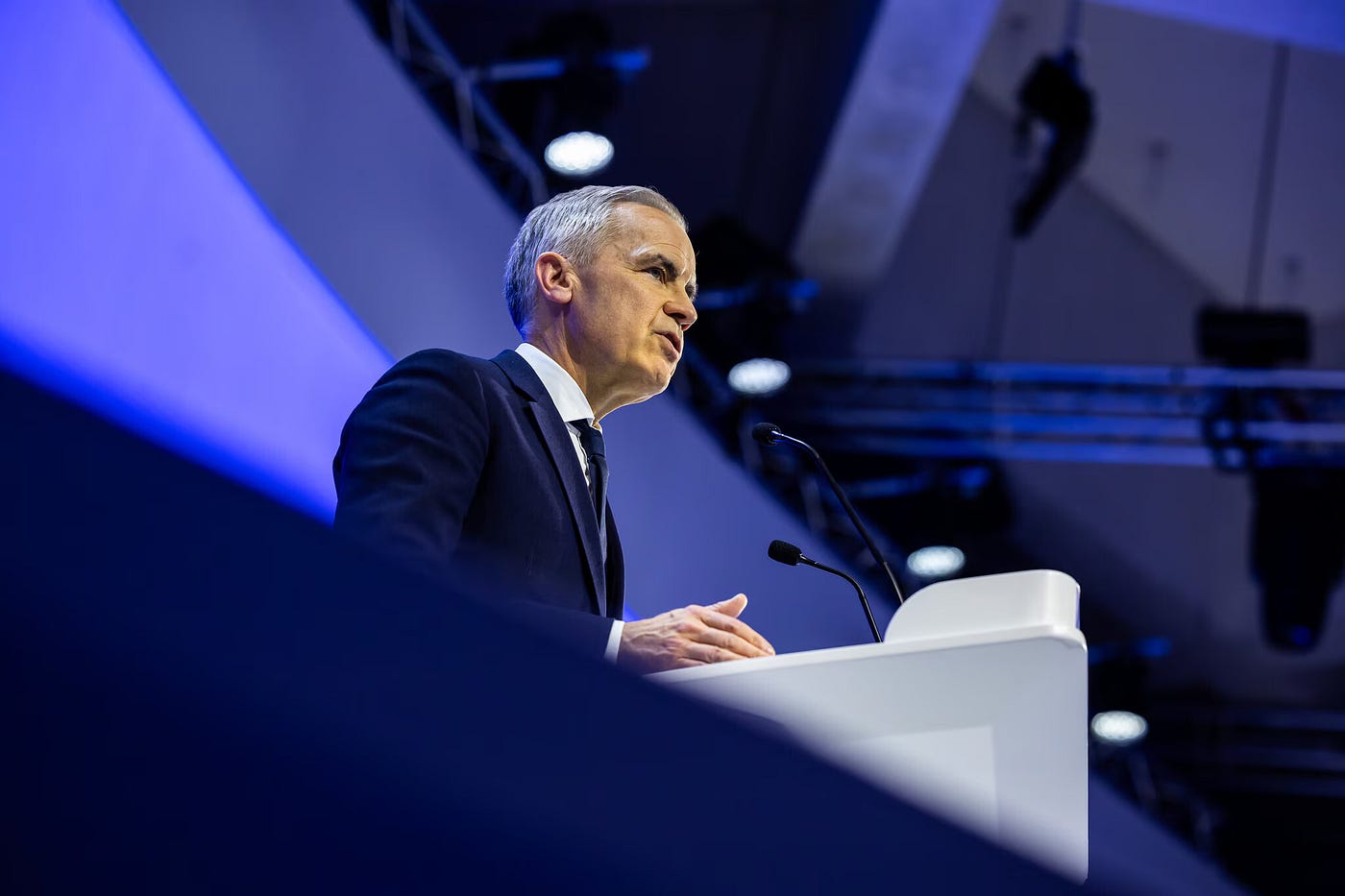
Mark Carney during the World Economic Forum at Davos 2026.
On the other hand, the global economy became more cohesive after the end of the Cold War. Though shaky and despised, a consensus developed that economies might expand more easily through integration than through self-isolation. The post-Cold War system is not simply weakening; it is being replaced by a more fragmented, transactional, and issue-based order in which the United States is less reliable, China is too mistrusted to lead, and middle powers are forced to improvise coalitions around specific interests rather than shared universal rules. The economy will keep fragmenting not because trade is ending, but because trade and finance are being reorganized along geopolitical lines rather than purely efficiency-based ones. Countries are still trading, but they are doing more of it with political allies, while businesses face rising geopolitical, climate, and policy risk that makes global supply chains less efficient and more defensive.
A central feature of the emerging order is that neither superpower can stabilize the system in the old way. The US remains dominant in finance and the dollar system, but it is described as increasingly unpredictable and less trustworthy even to allies, while China wants more leadership space but faces deep mistrust because other countries fear overdependence and industrial displacement from Chinese exports. That is why this is not a clean transition to a China-led order. Instead, it is a vacuum-filled multipolarity where power is more dispersed, but legitimacy and trust are weaker. Furthermore, not just Chinese and American businesses are changing their ways in response to the growing animosity they encounter in each other’s nations. As businesses seek to operate their supply chains via friendlier nations that have improved ties with their home countries, global trade in intermediate commodities, final consumer products, and even technology is changing. In a similar vein, financial capital flows are shifting in tandem with geopolitical divisions, widening rather than narrowing them.
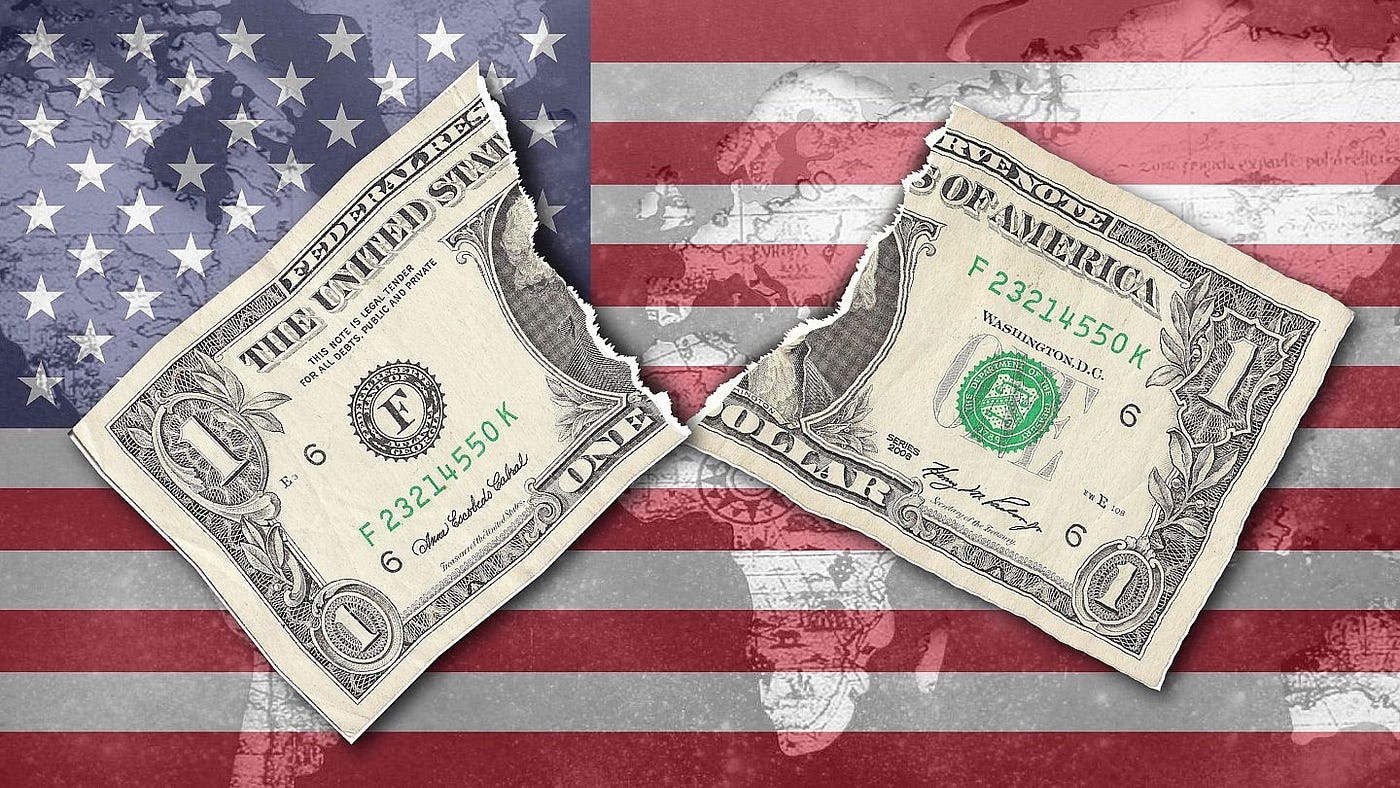
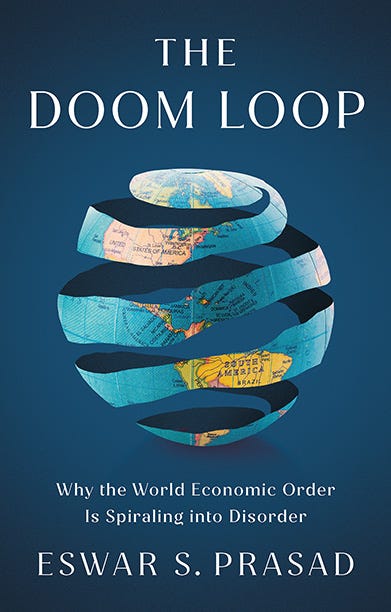
The Doom Loopl by Eswar S. Prasad, Tolani Senior Professor of Trade Policy & Professor of Economics at Cornell University
So the new order is less about blocs with fixed loyalties and more about flexible alignments. Countries will cooperate on trade, security, technology, or climate in overlapping and shifting combinations depending on the issue at hand. In order to improve the functioning of the new system, many nations even gave up some of their sovereignty. As the General Agreement on Tariffs and Trade (GATT) evolved into the World Trade Organization (WTO) in 1995, a binding framework for resolving trade disputes was created, one of the improvements that America is currently undermining. Even in this fractured order, the dollar remains central. Prasad notes that the US share of global GDP has declined to about 25 percent, but the dollar still accounts for well over half of key global financial functions such as reserves and payments, which means financial multipolarity is lagging geopolitical multipolarity.
The feedback loop between domestic politics, geopolitics, and economics is currently out of control, destructive on all fronts, and devolving into a doom loop. It has become clear that the advantages of globalization have not been shared equally, leading to debt-driven financial crises in emerging nations and the demise of industrial companies in certain sectors of wealthy economies. Leaders who have weakened democratic institutions and are antagonistic to globalization have come to power as a result of the subsequent populist backlash. These populists have depicted international commerce as a phenomena that only benefits one nation at the detriment of others rather than promoting shared prosperity. Furthermore, the set of regulations that supported the post-World War II global order is in danger of deteriorating or, worse, becoming obsolete.
This matters because fragmentation is not producing an orderly replacement currency system. Instead, the world wants diversification, but alternatives such as the euro and renminbi remain constrained, but Iran’s move to let the trade happen through the Strait of Hormuz on Renmibi could signal the other way not yet there in short term but in long term is where the world could head. As nations use their power constructively out of fear of losing influence, the transition from a unipolar world where the United States and its Western allies dominate in every area of global competition and influence to one where new powers like China and India assert their presence should offer opportunities for greater stability. That’s the theory, anyway. The real world is turning out to be very different.
Ray Dalio quoting “All Comes Down to Who Controls the Straight of Hormuz: The “Final Battle”
Ray Dalio, a billionaire investor has been very vocal on the declining US Dominance, a famous newsletter titled *“ It’s Official: The World Order Has Broken Down” and book titled “Principles for Dealing with the Changing World Order” *and continuous threads commenting on the world order.
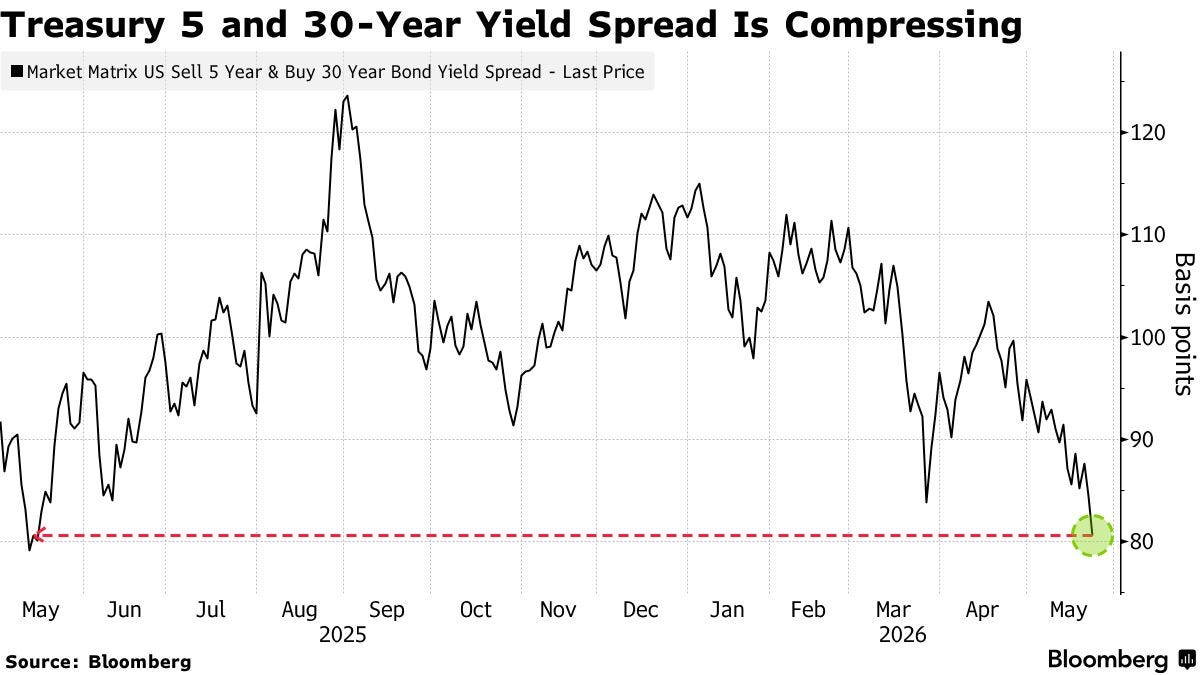
Furthermore, Dalio’s stance is that U.S. dominance is not collapsing from one event alone, but from the interaction of debt strain, domestic division, and geopolitical overreach; in his latest warning, he argues that a failure to secure the Strait of Hormuz could become the kind of visible loss that accelerates that broader decline. Dalio says the U.S. sits inside a larger “Big Cycle” in which dominant powers weaken when they become financially overextended, internally divided, and less able to enforce the geopolitical order that underpins confidence in their currency and debt. In his framework, declining U.S. dominance means not just slower growth or lower prestige, but erosion of the pillars that support American power: trust in Treasury debt, trust in the dollar, alliance confidence, and military credibility.
In Dalio’s recent Substack post, he argues that control of the Strait of Hormuz is a decisive test because it is a critical global oil chokepoint, and if Iran can control or bargain over passage, the U.S. would be seen as having failed to uphold the order it leads. He compares that kind of failure to Britain’s 1956 Suez Crisis, which he presents as a historical example of how an empire’s weakness can suddenly become undeniable to allies, creditors, and markets. Dalio claimed that the United States is presently in the most perilous stage of his well-known “Big Cycle” theory regarding the rise and fall of empires. He listed three crucial elements that could lead to collapse:
- Economic Deadlock: Excessive debt surapassing $39T and deficits can pressure governments to debase money or undermine confidence in the reserve currency.
- Internal Fragility: Political and social polarization can weaken state capacity and make hard sacrifices harder to sustain.
- Unnecessary Miltary use in Wars: Costly, drawn-out conflicts can expose military and financial limits, especially when public tolerance for pain is low.
Dalio’s specific concern is not simply higher oil prices; it is that a geopolitical loss could trigger a shift in global confidence away from the dollar-based order. He warns that if oil flows through Hormuz increasingly clear in yuan rather than dollars, that would symbolize and reinforce weakening demand for the dollar, with possible spillovers into U.S. debt markets, reserve-currency status, and gold demand. Dalio stressed that the current global order is “cracking” and that it would be incorrect to see this as only a geopolitical crisis because it is also a period of significant wealth transfer. The billionaire investor emphasized that diversified portfolios and genuine assets are essential for investors to survive systemic shifts and breakdowns of this size.
Dalio is not arguing that U.S. collapse is automatic or immediate; he presents it as a risk path that depends on whether American power is seen as credible in this confrontation. He also says the opposite outcome is possible: if the U.S. reopens Hormuz and demonstrates strength, that could bolster confidence in American leadership, the dollar, and U.S. assets rather than weaken them.
Connect with me further on:
- LinkedIn: https://www.linkedin.com/in/youbeshdhdl/
- Website: https://youbesh.com/
Socials:
- Facebook: https://www.facebook.com/youbesh.dhaubhadel/
- X/ Twitter: https://x.com/youbesh_dhdl
-Instagrams:
- Photography: https://www.instagram.com/youbesh.dhdl/
- Official: https://www.instagram.com/youbeshhh/
- Travel: https://www.instagram.com/firantayy/
- Food Blog: https://www.instagram.com/youbesh.eats/
- Tiktok: https://www.tiktok.com/@firantayy
메타데이터
- post_id
- c5dfd0aa411b
- slug
- multipolarity-the-formative-world-order-c5dfd0aa411b
- url
- https://medium.com/@youbeshdhdl/multipolarity-the-formative-world-order-c5dfd0aa411b
- canonical_url
- https://medium.com/@youbeshdhdl/multipolarity-the-formative-world-order-c5dfd0aa411b
- author_url
- https://medium.com/@youbeshdhdl
- status
- ok
- fetched_at
- 2026-07-29 05:21:41