Gene Therapy for STXBP1 Epileptic Encephalopathy: What Can Families Expect?
6 min read
Gene Therapy for STXBP1 Epileptic Encephalopathy: What Can Families Expect?
6 min read

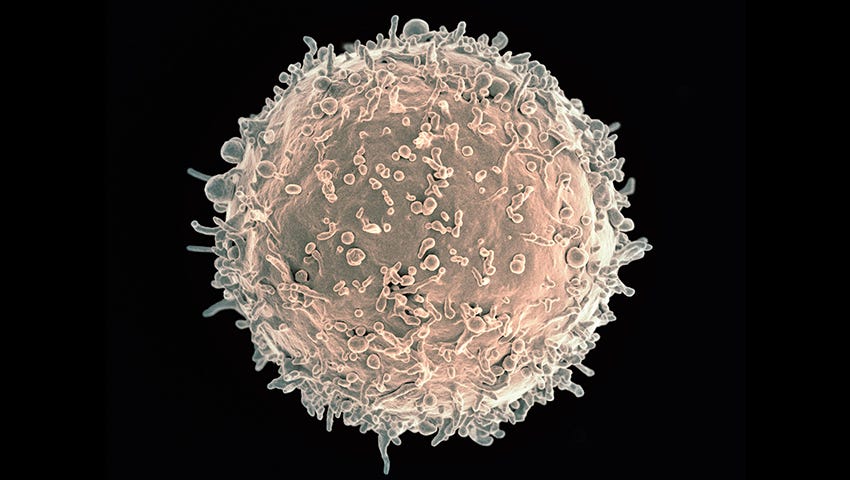
Representation of Gene Therapy
Introduction: A Rare Disease with Immense Challenges
Epileptic encephalopathy associated with mutations in the STXBP1 gene (STXBP1-DEE) is a rare, severe, and genetic neurological condition. It affects approximately 1 in every 26,000 to 30,000 births worldwide (López-Rivera et al., 2020) and is characterized by early-onset epileptic seizures, severe intellectual disabilities, global developmental delay, motor disorders, communication difficulties, and an increased risk of sudden unexpected death in epilepsy (SUDEP).
Until now, treatment has only been palliative: antiepileptic drugs, physical therapy, speech therapy, and other supportive interventions. There are no therapies that modify the course of the disease. However, advances in biotechnology are now opening a real window of hope for our children: gene therapy.
What Is Gene Therapy and What Can It Do for STXBP1-DEE?
Gene therapy involves introducing functional genetic material (in this case, a healthy copy of the STXBP1 gene) into neurons using safe viral vectors, with the goal of restoring the normal function of the affected protein. This protein is essential for synaptic communication between neurons.
The most advanced approach to date is CAP-002, developed by Capsida Biotherapeutics. This treatment is administered intravenously (IV), aiming to achieve widespread STXBP1 gene expression throughout the brain after a single infusion. Unlike conventional gene therapies, CAP-002 uses a next-generation AAV viral vector (engineered capsid) with unprecedented ability to cross the blood-brain barrier and transduce up to 70% of neurons in non-human primate models.
What Does “First-in-Class Gene Therapy” Mean?
The term first-in-class refers to therapies that address a disease with a completely novel mechanism of action. In the case of CAP-002, it is the first intravenous gene therapy specifically designed to cross the blood-brain barrier and avoid off-target organs such as the liver and dorsal root ganglia (DRG), thereby reducing side effects and toxicity compared to other vectors like AAV9.
What Are the Preclinical Results?
Studies in mice carrying the Stxbp1+/- mutation and in primates have shown highly promising results:
- Correction of epileptic seizures (significant reduction of epileptiform discharges and myoclonias).
- Improvement in motor coordination (reduced dystonia and better performance in behavioral tests).
- Enhanced object recognition, an indicator of functional memory.
- Neuronal transduction greater than 70% in key regions such as the thalamus and cortex.
The levels of STXBP1 protein achieved were equivalent to or even higher than baseline levels in healthy individuals, which is a strong indicator of functional efficacy.
Explanation of Transduction:
In the context of gene therapy and molecular biology, transduction is the process by which genetic material (such as DNA or RNA) is introduced into a cell using a vector, generally a modified virus (for example, an adeno-associated virus or AAV). This term differs from simple gene transfer because it involves the viral vector delivering its genetic cargo into the host cell, often resulting in functional expression of the material within the cell.
Is It Ready for Clinical Use? When Might It Be Available?
In May 2025, the FDA authorized the start of a phase 1/2a clinical trial called SYNRGY with CAP-002. This is the first human trial of an intravenous gene therapy for this condition. The trial will initially take place in the United States with a small group of pediatric patients. The estimated duration for this phase is between 1 to 2 years, followed by an additional five-year follow-up to assess long-term safety and efficacy.
What does this mean for families? If everything progresses as planned and results are positive, we could see this treatment become available for a broader group of children towards the end of this decade (2028–2029).
Who Will Be Eligible for the Clinical Trial?
The first clinical trials will likely include:
- Children with genetically confirmed STXBP1 diagnosis.
- Age ranges yet to be defined, but likely limited at first.
- Absence of pre-existing antibodies against the AAV vector used (an important criterion).
- Intensive medical follow-up for 2 years, followed by monitoring for 5 years.
Enrollment will be managed directly by Capsida and is not dependent on participation in natural history studies like STARR.
What About Other Therapies Such as CRISPR?
Although CRISPR is a revolutionary genetic editing technology, it is not currently used in CAP-002. Gene editing (such as CRISPR-Cas9) seeks to directly correct the patient’s DNA, while CAP-002 gene therapy uses a gene supplementation strategy: it adds a functional copy of the STXBP1 gene without editing the patient’s original DNA.
This strategy is not only safer in pediatrics, but also more technically accessible and, in theory, faster to implement clinically. The cost and complexity of full gene editing (such as “first-in-class” CRISPR) is currently much higher and carries greater risks in pediatric populations.
What Are the Limits and Ethical Considerations?
While CAP-002 represents a hopeful option, there are points that must be objectively considered:
- It is not a cure, but rather a potentially disease-modifying therapy.
- Long-term effects in humans are still unknown.
- Not all children with STXBP1 will be eligible for this treatment, at least in early phases.
- The decision to participate in a clinical trial should be made with specialized medical advice and a full understanding of the risks and benefits.
Conclusion: Hope Based on Evidence, but with Informed Patience
CAP-002 gene therapy is not an empty promise. It is a scientifically robust advance with a clinical approach that prioritizes safety, efficacy, and genuine improvement in quality of life. Families should not be swayed by triumphalist messages, but neither should they be paralyzed by fear. We are facing a truly unprecedented opportunity to treat this devastating form of epileptic encephalopathy.
Staying informed, organizing within family networks, connecting with organizations like the STXBP1 Foundation, and closely monitoring clinical trial announcements are the most responsible steps we can take at this time.
References Consulted for This Article
Abramov, D., Guella, I., Liao, C., Andrade, D. M., Wennberg, R., & Valente, K. D. (2020). Postzygotic mosaicism in STXBP1-related disorders. Neurology Genetics, 6(5), e457. https://doi.org/10.1212/NXG.0000000000000457
Capsida Biotherapeutics. (2025). CAP-002 Program Overview. Retrieved from https://capsida.com
Chen, W., et al. (2024). AAV gene therapy corrects neurological phenotypes with clinically relevant doses in a mouse model of STXBP1-related developmental and epileptic encephalopathy. ASGCT Abstract #38
Gaj, T., Gersbach, C. A., & Barbas, C. F. (2013). ZFN, TALEN, and CRISPR/Cas-based methods for genome engineering. Trends in Biotechnology, 31(7), 397–405. https://doi.org/10.1016/j.tibtech.2013.04.004
Hocquemiller, M., Giersch, L., Audrain, M., Parker, S., & Cartier, N. (2016). AAV-based gene therapy for central nervous system diseases. Human Gene Therapy, 27(7), 478–496. https://doi.org/10.1089/hum.2016.087
López-Rivera, J. A., et al. (2020). A catalogue of new incidence estimates of monogenic neurodevelopmental disorders caused by de novo variants. Brain, 143(4), 1099–1105
Mendell, J. R., Al-Zaidy, S., Shell, R., Arnold, W. D., Rodino-Klapac, L. R., Prior, T. W., … & Kissel, J. T. (2017). Single-dose gene-replacement therapy for spinal muscular atrophy. New England Journal of Medicine, 377(18), 1713–1722. https://doi.org/10.1056/NEJMoa1706198
NeurologyLive. (2025). FDA clears IND to study gene therapy CAP-002 in STXBP1 developmental epileptic encephalopathy. Retrieved from https://www.neurologylive.com
Saitsu, H., Kato, M., Mizuguchi, T., Hamada, K., Osaka, H., Tohyama, J., … & Matsumoto, N. (2008). De novo mutations in the gene encoding STXBP1 (MUNC18–1) cause early infantile epileptic encephalopathy. Nature Genetics, 40(6), 782–788. https://doi.org/10.1038/ng.150
Stamberger, H., Nikanorova, M., Willemsen, M. H., Accorsi, P., Angriman, M., Baier, H., … & Weckhuysen, S. (2016). STXBP1 encephalopathy: A neurodevelopmental disorder including epilepsy. Neurology, 86(10), 954–962. https://doi.org/10.1212/WNL.0000000000002455
Wang, D., Tai, P. W. L., & Gao, G. (2019). Adeno-associated virus vector as a platform for gene therapy delivery. Nature Reviews Drug Discovery, 18(5), 358–378. https://doi.org/10.1038/s41573-019-0012-9
메타데이터
- post_id
- c5efc7ce0180
- slug
- gene-therapy-for-stxbp1-epileptic-encephalopathy-what-can-families-expect-c5efc7ce0180
- url
- https://medium.com/stxbp1-insights/gene-therapy-for-stxbp1-epileptic-encephalopathy-what-can-families-expect-c5efc7ce0180
- canonical_url
- https://medium.com/stxbp1-insights/gene-therapy-for-stxbp1-epileptic-encephalopathy-what-can-families-expect-c5efc7ce0180
- author_url
- https://medium.com/@fsanta
- status
- ok
- fetched_at
- 2026-07-19 21:04:01