Inside Nike Pegasus’ Pro Performance Formula
For most runners, there comes a point when the search for the “perfect shoe” turns into a cycle of experimentation. One week it is a…
Inside Nike Pegasus’ Pro Performance Formula
For most runners, there comes a point when the search for the “perfect shoe” turns into a cycle of experimentation. One week it is a max-cushioned trainer. The next week it is a lightweight speed shoe. Somewhere in between, however, sits a model that has quietly survived every trend, every technological shift, and every debate within the running community.
That model is Nike Pegasus.
I have always found it fascinating that while dozens of running shoes have appeared and disappeared over the last four decades, the Nike Pegasus has remained a constant. Since its debut in 1983, the shoe has evolved through more than forty generations while retaining its core identity as a dependable daily trainer. What makes this longevity even more remarkable is that the Pegasus has managed to stay relevant in an era dominated by carbon-plated racers, ultra-soft midsoles, and increasingly specialized footwear.
The answer lies in what I like to call Nike Pegasus’ pro performance formula — a combination of biomechanics, material science, athlete feedback, and engineering consistency.
In this article, I will break down the components behind that formula and explain why the Nike Pegasus continues to be one of the most trusted running shoes on the market.
The Foundation: A Shoe Built for Every Runner
Most performance shoes today are designed for a specific purpose.
Some are built exclusively for race day. Others target recovery runs or long-distance training. The Nike Pegasus takes a different approach.
Nike designed the Pegasus as a shoe capable of handling multiple training demands. Whether someone is running a 5K, preparing for a marathon, or simply jogging through a neighborhood park, the shoe aims to provide a balanced experience.
This versatility is not accidental.
Research conducted across decades of athlete testing has consistently shown that runners value three qualities above almost everything else:
- Cushioning
- Stability
- Durability
The Pegasus has historically prioritized these three elements instead of chasing extreme performance metrics.
As a result, it has become one of the few shoes that can comfortably fit into nearly every training rotation.
The Role of Nike Air Zoom Technology
One of the defining components of the Nike Pegasus is its use of Nike Air Zoom technology.
Unlike traditional foam-based cushioning systems, Air Zoom units contain pressurized air and tensile fibers that compress and rebound during movement.
What does that mean in practical terms?
When a runner lands, the Air Zoom unit absorbs part of the impact force. As the foot pushes off the ground, that stored energy is released back into the stride.
This creates a sensation many runners describe as “responsive” rather than simply “soft.”
The distinction is important.
Soft cushioning can reduce impact, but responsiveness helps maintain running efficiency. Over long distances, that efficiency can contribute to reduced muscular fatigue.
Recent Pegasus models combine Air Zoom units in both the forefoot and heel, creating a more balanced ride across different running styles.
For heel strikers, the rear cushioning helps absorb impact.
For midfoot and forefoot runners, the front Zoom unit contributes to smoother transitions and stronger toe-offs.
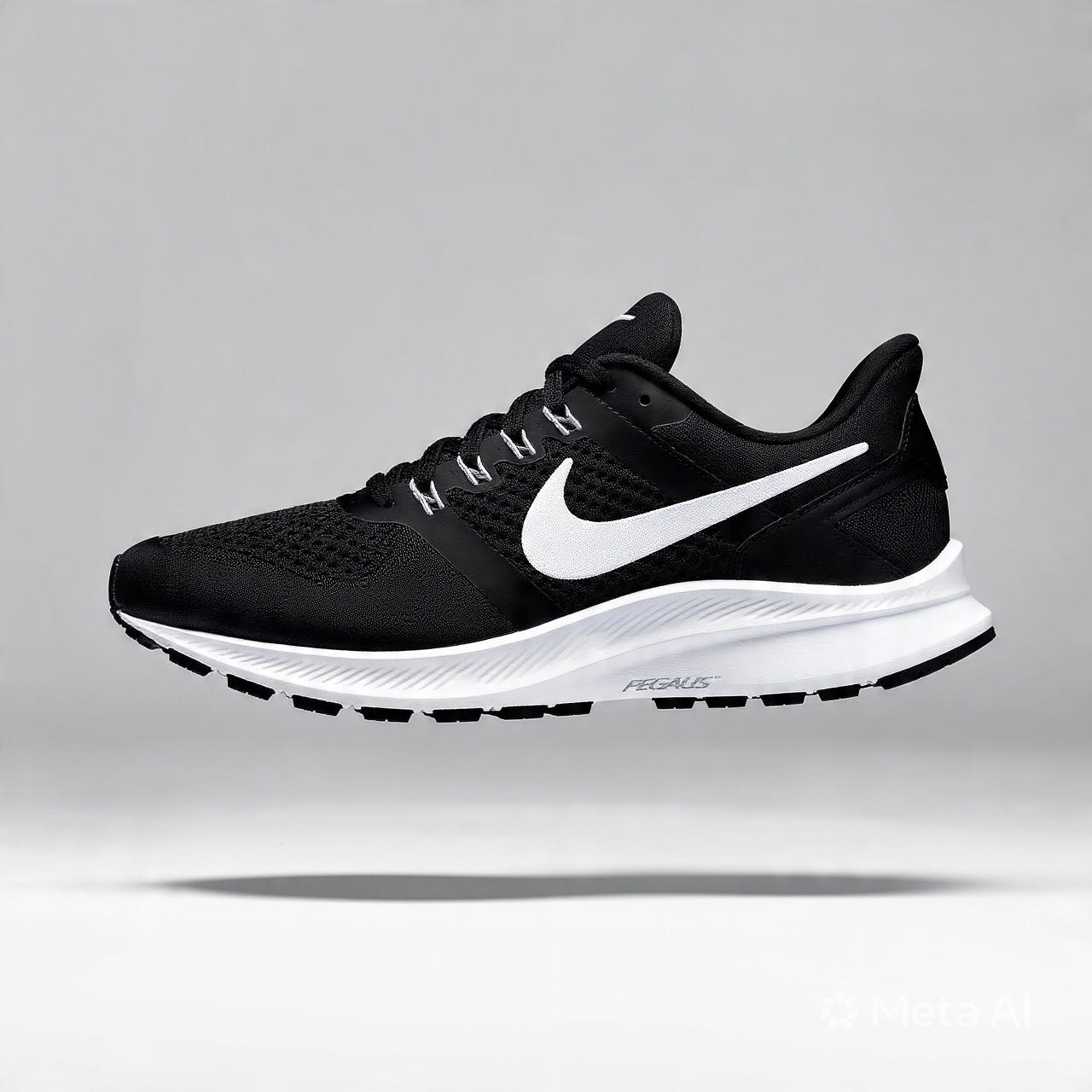
Nike Air Zoom Pegasus 42
ReactX Foam: The Biggest Evolution in the Formula
If Air Zoom represents the heart of the Pegasus, the midsole foam represents its engine.
The latest generation of Nike Pegasus shoes introduced ReactX foam, a significant advancement over the earlier React material.
According to Nike’s published performance data, ReactX delivers over 13% greater energy return than the previous React foam while also reducing the carbon footprint associated with midsole production by at least 43%.
Those numbers may sound like marketing claims at first glance.
However, from a performance standpoint, increased energy return means the foam loses less energy during compression.
Imagine bouncing a tennis ball.
A ball that rebounds higher returns more stored energy.
The same principle applies to running shoe midsoles.
A higher-performing foam can help maintain efficiency throughout longer runs while reducing the feeling of “dead” cushioning that often develops as shoes age.
For runners logging high weekly mileage, this improvement can be particularly valuable.
Why Durability Remains a Competitive Advantage
One topic that rarely receives enough attention in the running industry is durability.
Many high-performance shoes feel incredible during their first 100 kilometers but begin losing responsiveness soon afterward.
The Nike Pegasus has traditionally taken a different path.
The outsole uses strategically placed rubber patterns designed to withstand repeated impact cycles. The midsole density is engineered to maintain structural integrity over extended usage periods.
This focus on durability explains why many runners continue to use Pegasus models for daily training while reserving more expensive race-day shoes for competition.
From a cost-per-kilometer perspective, the Pegasus often provides substantial value.
When evaluating running shoe technology, longevity matters just as much as speed.
Athlete Feedback Drives Development
One aspect of the Nike Pegasus story that often goes unnoticed is the amount of athlete input involved in product development.
Modern running shoe design relies heavily on wear-testing programs.
Before a model reaches consumers, runners with different body types, foot shapes, and training backgrounds provide extensive feedback.
For the Pegasus 41, Nike specifically highlighted feedback from everyday runners when refining the engineered mesh upper and introducing the Dynamic Midfoot Fit system.
This process helps explain why Pegasus updates are usually evolutionary rather than revolutionary.
Nike tends to refine proven features instead of completely reinventing the shoe each year.
From a product development perspective, this strategy reduces risk while maintaining user trust.
The Biomechanics Behind Daily Training Success
When discussing running shoe technology, it is easy to focus exclusively on materials.
However, geometry plays an equally important role.
The Nike Pegasus is designed around a balanced heel-to-toe transition.
The combination of stack height, cushioning placement, and outsole shape helps guide the foot through the gait cycle efficiently.
In biomechanical terms, a running stride consists of three primary phases:
- Initial contact
- Mid-stance
- Toe-off
The Pegasus attempts to optimize each phase without overly influencing natural movement patterns.
This is one reason why many coaches recommend it to beginner runners.
The shoe supports movement without forcing runners into a highly specific stride mechanic.
That balance can reduce adaptation challenges and improve overall comfort.
Why Elite Athletes Still Value the Pegasus
A common misconception is that elite runners only wear carbon-plated super shoes.
While those shoes dominate race day, daily training often requires something different.
Many professional athletes use traditional trainers during base-building periods because they prioritize consistency and durability.
The Nike Pegasus occupies this category effectively.
Its cushioning is sufficient for high mileage.
Its responsiveness supports faster workouts.
Its durability makes it practical for repeated training sessions.
For elite runners, these qualities matter just as much as raw speed.
Training adaptations happen over months, not minutes.
The best daily trainers are the ones that keep athletes healthy enough to continue training.
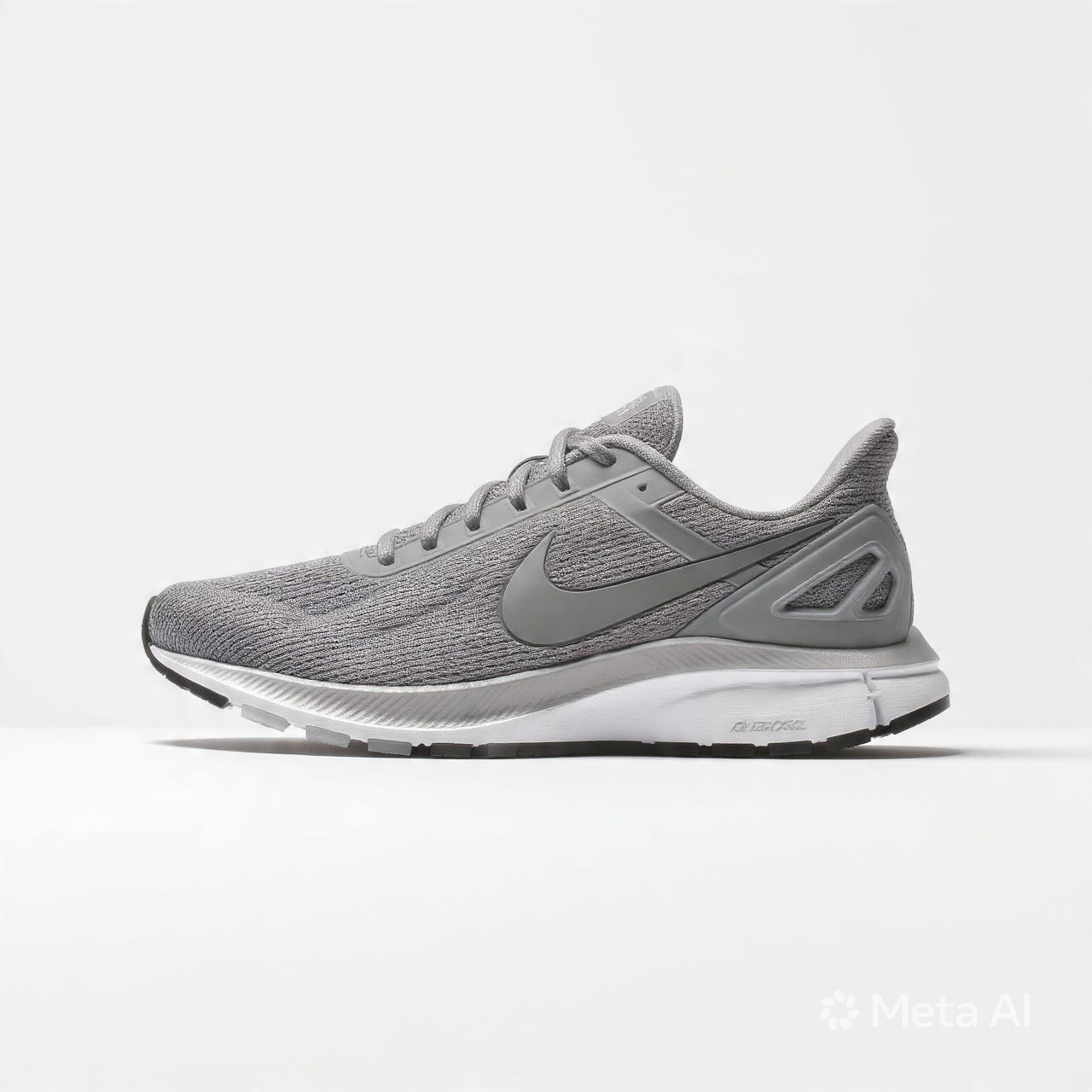
Nike Air Zoom Pegasus 39
The Psychology of Consistency
There is another dimension to the Nike Pegasus that statistics cannot fully capture.
Trust.
Many runners purchase successive generations of Pegasus shoes because they know what to expect.
In sports psychology, familiarity reduces uncertainty.
A familiar shoe allows runners to focus on training rather than equipment adjustments.
This mental benefit is often overlooked.
When athletes trust their gear, decision fatigue decreases.
Confidence increases.
Training becomes more consistent.
Consistency, in turn, produces better long-term results.
The Nike Pegasus has built that trust over decades.
Few running products can make the same claim.
The Future of the Nike Pegasus
The running shoe market continues to evolve rapidly.
Manufacturers are experimenting with new foams, sustainability initiatives, advanced geometry, and increasingly sophisticated energy-return systems.
Yet the core challenge remains unchanged.
Runners need footwear that balances comfort, efficiency, durability, and reliability.
The Nike Pegasus appears well-positioned to meet that challenge.
Recent developments such as ReactX foam, improved energy return systems, enhanced breathability, and sustainability-focused manufacturing indicate that Nike is continuing to invest heavily in the franchise.
Rather than chasing short-term trends, the Pegasus continues to evolve through incremental improvements backed by research and athlete feedback.
That philosophy may be its greatest strength.
Conclusion
After studying the history and engineering behind the Nike Pegasus, I believe its success comes down to one simple principle: balance.
The shoe is not the softest.
It is not the lightest.
It is not the most aggressive racing shoe on the market.
Instead, it excels at combining multiple performance attributes into a single package.
Its Air Zoom system enhances responsiveness.
Its ReactX foam improves energy return.
Its durable construction supports long-term use.
Its athlete-driven design ensures practical functionality.
Together, these elements form the pro performance formula that has allowed the Nike Pegasus to remain relevant for more than four decades.
In an industry constantly searching for the next breakthrough, the Nike Pegasus proves that consistent refinement can be just as powerful as radical innovation.
메타데이터
- post_id
- c5fd2c0f244d
- slug
- inside-nike-pegasus-pro-performance-formula-c5fd2c0f244d
- url
- https://medium.com/@kanishks086/inside-nike-pegasus-pro-performance-formula-c5fd2c0f244d
- canonical_url
- https://medium.com/@kanishks086/inside-nike-pegasus-pro-performance-formula-c5fd2c0f244d
- author_url
- https://medium.com/@kanishks086
- status
- ok
- fetched_at
- 2026-06-20 20:29:01