Advancements in Prosthetic and Bionic Legs: A New Era of Mobility and Integration
In recent years, prosthetic and bionic leg technology has entered a transformative phase, driven by breakthroughs in robotics, artificial…
Advancements in Prosthetic and Bionic Legs: A New Era of Mobility and Integration
In recent years, prosthetic and bionic leg technology has entered a transformative phase, driven by breakthroughs in robotics, artificial intelligence, neural interfaces, materials science, and biomedical engineering. Far beyond the traditional static artificial limbs of the past, modern prosthetic legs are increasingly becoming intelligent, adaptive, and seamlessly integrated extensions of the human body.
Smarter, More Natural Movement Through Sensors and AI
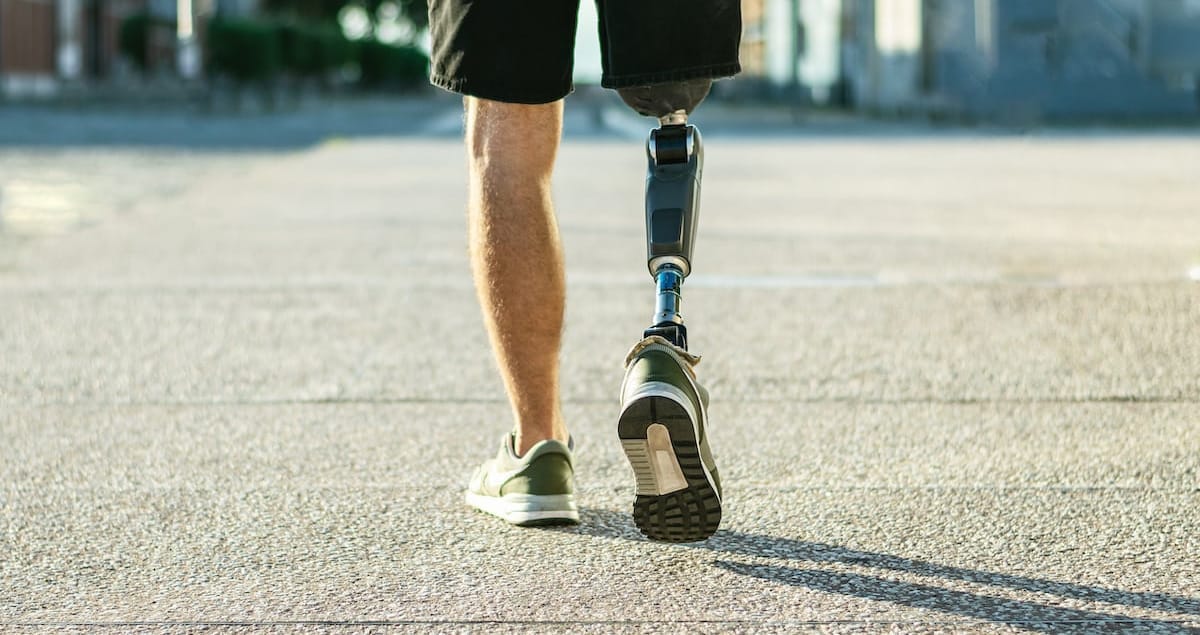
Contemporary bionic legs now utilize advanced sensors, microprocessors, and artificial intelligence to mimic natural walking patterns and react in real time to changing terrains or user intentions. Sensors embedded in joints capture motion, force, and pressure data, which microprocessors analyze and translate into smooth, adaptive movement. These systems can adjust the stiffness and torque of joints on-the-fly, improving balance and reducing fatigue for the user.
AI plays a pivotal role by learning a user’s unique gait and behavior over time, making movement increasingly intuitive and reducing the effort required from the wearer. This adaptability greatly enhances everyday functionality, from climbing stairs to navigating uneven ground.
Neural Interfaces: Direct Mind-Machine Integration
One of the most exciting frontiers in prosthetic technology is neural control, where the user’s nervous system directly interfaces with the prosthetic for more natural and responsive movement.
Researchers have developed systems in which neural signals from the residual limb or even the brain are decoded in real time to command a bionic leg. This allows wearers to control their prosthetic limb as though it were part of their own body, enabling smoother gait, better balance, and a stronger sense of embodiment. Studies have shown that those using neural-controlled bionic legs can walk more quickly and navigate obstacles more easily than with traditional prosthetics.
Enhanced Integration with the Body
Beyond control, newer bionic legs are designed for better physical integration with the user’s anatomy. For example, bone-anchored prosthetic systems implant a titanium rod directly into the femur, which then secures the prosthetic externally. This method improves stability, reduces skin irritation, and allows for direct skeletal loading, making movement feel more natural and less like wearing a separate device.
These osseointegrated designs are part of a broader shift toward making prosthetics feel not just like tools but true extensions of the body.
Materials and Customization: Comfort Meets Durability
Advances in materials science have made modern prosthetic legs lighter, stronger, and more comfortable than ever. High-performance carbon fiber, titanium, and smart polymers reduce weight while enhancing durability for daily activities, sports, and more demanding physical tasks.
3D printing has also revolutionized the industry by enabling custom-fit limbs that match an individual’s anatomy precisely, reducing discomfort and increasing function. This technology also lowers production costs and speeds up delivery, expanding access to advanced prosthetics.
Real-World Applications and Personal Impact
These technological advances are already making a measurable impact on users’ lives. New prosthetic leg models and supportive facilities, such as those incorporating 3D printing labs for custom artificial limb production, are being established to enhance mobility and inclusion for amputees and disabled individuals.
Patients fitted with water-resistant prosthetic legs, for example, can now participate in everyday activities like showering or swimming with greater confidence and freedom.
The Future: Towards Fully Integrated Bionics
Looking ahead, prosthetic research aims to deliver even more seamless integration:
- Full sensory feedback, allowing users to feel pressure, texture, or temperature through their artificial limb.
- Cloud connectivity and remote updates, enabling performance monitoring and automatic optimization.
- Rehabilitation with VR and AR improves adaptation to prosthetic use.
By 2030 and beyond, these technologies could make prosthetic and bionic legs virtually indistinguishable from biological limbs in terms of functionality, comfort, and sensory experience.
The rapid evolution of prosthetic and bionic leg technology is reshaping what mobility means for amputees worldwide. By combining AI, neural control, advanced materials, and personalized design, scientists and engineers are driving toward a future where prosthetic limbs are not just replacements but true, intelligent extensions of the human body — restoring freedom, independence, and quality of life in unprecedented ways.
메타데이터
- post_id
- c640d39abbea
- slug
- advancements-in-prosthetic-and-bionic-legs-a-new-era-of-mobility-and-integration-c640d39abbea
- url
- https://medium.com/@woltmann/advancements-in-prosthetic-and-bionic-legs-a-new-era-of-mobility-and-integration-c640d39abbea
- canonical_url
- https://medium.com/@woltmann/advancements-in-prosthetic-and-bionic-legs-a-new-era-of-mobility-and-integration-c640d39abbea
- author_url
- https://medium.com/@woltmann
- status
- ok
- fetched_at
- 2026-07-13 12:20:31