The impact of customs and security polices on air cargo delivery times
The impact of customs and security polices on air cargo delivery times
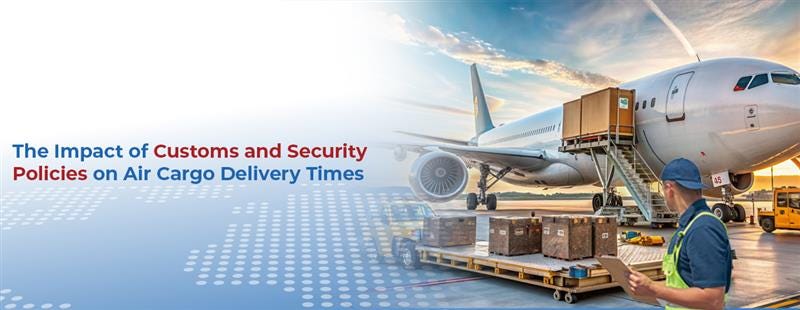
In today’s fast-paced global economy, air cargo is a cornerstone of international trade. From critical medical supplies to high-value electronics, businesses depend on air freight for speed and reliability. Yet, customs and security protocols — while vital for safety and compliance — can introduce delays that ripple across supply chains, affecting inventory planning and customer satisfaction.
This article examines the impact of regulatory measures on air cargo timelines and provides strategies for effective management.
Customs Regulations: Key Checkpoints
Customs authorities act as gatekeepers of international commerce, ensuring shipments meet legal, fiscal, and safety standards. While essential, these checks can slow cargo movement — especially when documentation is incomplete or rules change unexpectedly.
Common causes of customs delays include:
- Documentation errors: Missing or inaccurate invoices, certificates of origin, or permits.
- Tariff disputes: Misclassified goods may incur unexpected duties or penalties.
- Regulatory changes: Sudden updates to trade laws or sanctions can catch shippers off guard.
For time-sensitive deliveries, these setbacks can be costly. Working with knowledgeable logistics partners helps ensure compliance and reduces the risk of customs-related delays.
Security Protocols: Balancing Safety and Speed
Security measures protect nations from threats such as terrorism, smuggling, and illegal trade. However, they often slow down cargo processing at airports.
Key procedures include:
- Cargo screening: X-rays, physical inspections, and canine checks.
- Personnel vetting: Background checks and credential requirements for staff.
- Restricted zones: Limited access to cargo areas, reducing handling efficiency.
Recent security upgrades at major airports — driven by geopolitical tensions — have led to longer screening times and stricter documentation requirements. Businesses have responded by adjusting schedules and rerouting shipments to less congested hubs.
Cascading Impact on Supply Chains
Delays at customs or security checkpoints don’t stop at the point of inspection — they cascade through the entire logistics network.
Consequences include:
- Missed flight connections.
- Warehouse congestion and higher storage costs.
- Customer dissatisfaction due to late deliveries.
To mitigate these risks, businesses should build contingency plans and use tools that provide accurate delivery estimates, factoring in potential delays.
The Role of Logistics Partners
Experienced logistics providers are critical in managing cross-border shipments. They coordinate with carriers, handle documentation, and ensure compliance.
Why they matter:
- Local expertise to expedite clearance.
- Global reach with end-to-end solutions.
- Real-time digital platforms for pricing and transit visibility.
Whether moving electronics from Asia or textiles from South India, a skilled logistics partner can make the difference between on-time delivery and costly delays.
Alternatives to Air Freight
When air cargo becomes too risky or expensive due to regulatory delays, businesses often turn to other modes:
- **Ocean freight:** Slower but cost-effective for bulk shipments.
- LCL (Less Than Container Load): Flexible option for smaller consignments.
- Maritime specialists: Manage port customs and security efficiently.
For example, seasonal goods may be shipped via LCL to balance cost and timing, offering reliability even if speed is reduced.
Technology: Streamlining Global Logistics
Digital innovation is transforming international shipping.
Key tools include:
- Electronic Air Waybills (e-AWB): Reduce paperwork errors and speed clearance.
- Blockchain tracking: Improves cargo visibility and prevents tampering.
- Automated quoting platforms: Provide real-time pricing and transit estimates.
By integrating these technologies, companies can respond quickly to disruptions and maintain customer satisfaction.
Best Practices for Businesses
To minimize the impact of customs and security policies on air cargo delivery, businesses should:
- Partner with experienced logistics providers.
- Monitor regulatory changes proactively.
- Diversify transport modes.
- Build buffer time into schedules.
- Use digital tools to streamline operations.
- Ensure full compliance with customs and security requirements.
Conclusion
Customs and security policies are essential for safe and lawful trade, but they can challenge air cargo delivery. By understanding these impacts and collaborating with skilled logistics partners, businesses can strengthen supply chains and maintain reliability — even in complex regulatory environments.
메타데이터
- post_id
- c66c7703a405
- slug
- the-impact-of-customs-and-security-polices-on-air-cargo-delivery-times-c66c7703a405
- url
- https://medium.com/@eship2024/the-impact-of-customs-and-security-polices-on-air-cargo-delivery-times-c66c7703a405
- canonical_url
- https://medium.com/@eship2024/the-impact-of-customs-and-security-polices-on-air-cargo-delivery-times-c66c7703a405
- author_url
- https://medium.com/@eship2024
- status
- ok
- fetched_at
- 2026-07-13 15:46:03