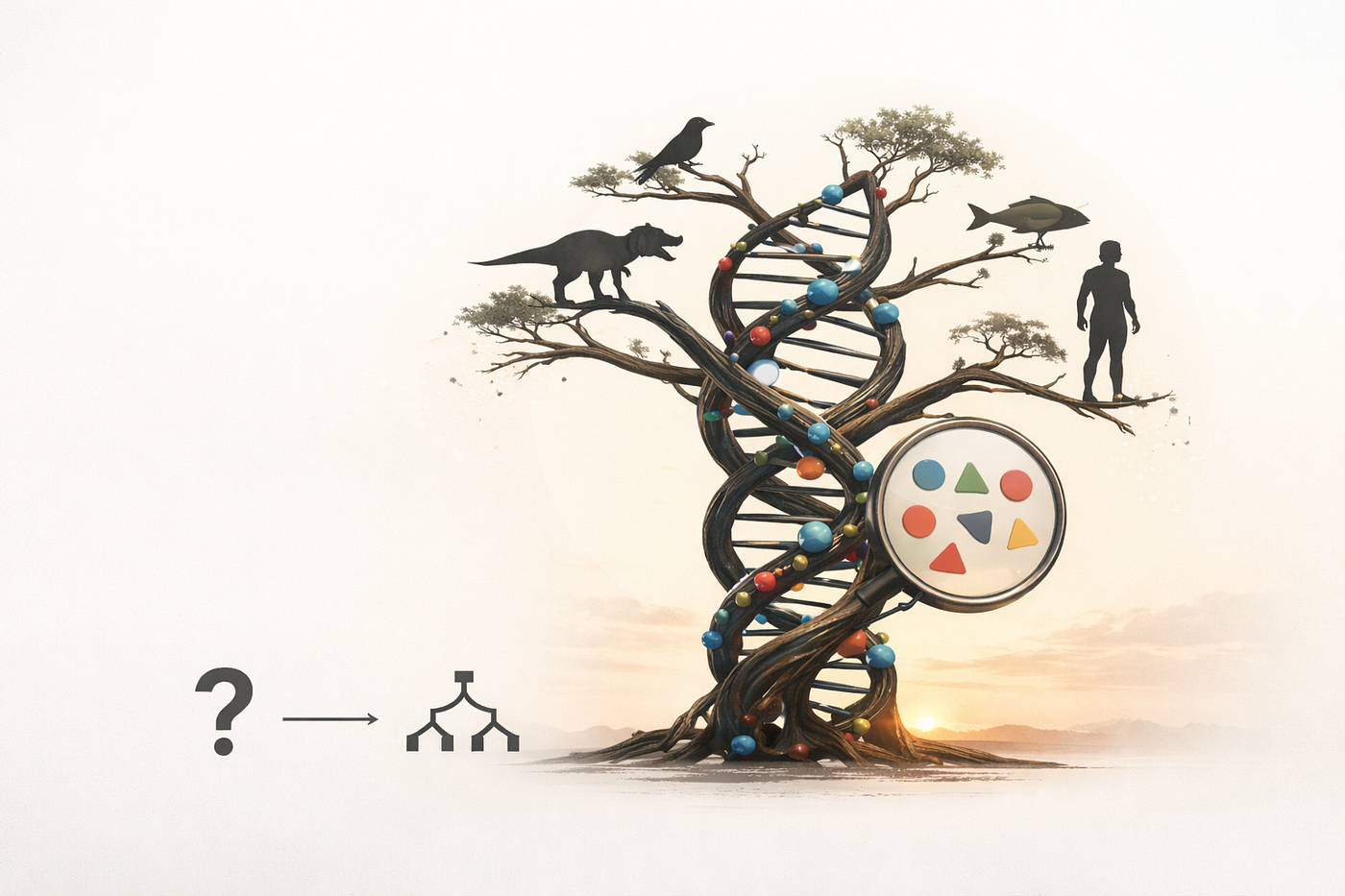
Alzheimer’s Disease and APOE: How Genetics May Point to New Treatment Directions
In January 2026, reports suggested that APOE, a gene long discussed in Alzheimer’s research, may be involved in a larger share of…
Alzheimer’s Disease and APOE: How Genetics May Point to New Treatment Directions

In January 2026, reports suggested that APOE, a gene long discussed in Alzheimer’s research, may be involved in a larger share of Alzheimer’s disease risk than many people assumed. The news was widely described as “shocking,” not only within research circles but also among general audiences.
What drew particular attention was this: Alzheimer’s risk has often been associated most strongly with APOE ε4, but the reports highlighted that APOE ε3 — the most common type — might also be linked to risk depending on how it is compared and interpreted.
What does the APOE gene do?
APOE is a gene that codes for a protein involved in transporting fats (lipids), such as cholesterol, throughout the body. In the brain, APOE is thought to be related to several important processes, including the “delivery of materials” needed for nerve cells, the balance of inflammation, and the environment surrounding blood vessels.
The three main APOE types: ε2 / ε3 / ε4
APOE is commonly discussed in terms of three major variants: ε2, ε3, and ε4.
An important point here is that genes do not determine everything. APOE is generally considered one factor among many that can influence susceptibility. Lifestyle, vascular health, and other biological and environmental factors are also thought to play meaningful roles.
1) ε2: Often described as relatively “protective”
ε2 is often explained as being associated with a lower Alzheimer’s risk compared with other types. That said, it is not accurate to say “ε2 means you’re safe” — individual biology and overall risk profiles vary greatly.
2) ε3: The most common type, long treated as the “standard”
ε3 is the most common APOE type in the population and has often been described as relatively “neutral” (having less impact). However, the January 2026 reports raised the idea that if ε2 is treated as a more protective reference point, then ε3 may still contribute to risk, which many people found surprising.
3) ε4: Often associated with higher risk
ε4 is widely known as the APOE type most clearly associated with higher genetic risk for Alzheimer’s disease. Even so, many people with ε4 do not develop Alzheimer’s. Risk is thought to reflect a combination of factors, including lifestyle, blood pressure, glucose metabolism, and other health conditions.
A quick genetics primer: you inherit two copies (one from each parent)
Because APOE is a gene, you inherit one copy from each parent, resulting in two alleles in total (for example: ε3/ε3, ε3/ε4, ε4/ε4, ε2/ε3, and so on).
It is often explained that the presence of ε4 is associated with a higher likelihood of developing Alzheimer’s, but it is also important to remember that genetics alone does not dictate the future.
Why has attention shifted from “amyloid” alone to APOE as a target?
For many years, the dominant approach in Alzheimer’s treatment focused on reducing amyloid-β (Aβ). This strategy has had scientific value and has led to important advances. At the same time, some amyloid-targeting therapies have been associated with side effects such as brain swelling or small brain bleeds (ARIA), which can require careful MRI monitoring.
Against this background, APOE-focused strategies have gained attention because they may offer a broader perspective. Two ideas are often discussed:
1) APOE may relate to overall “brain condition,” not just amyloid
APOE is thought to be involved not only in lipid transport but also in areas that can influence brain function more broadly — such as inflammatory balance and the vascular environment. For that reason, it is sometimes argued that targeting APOE could, at least in theory, have wider downstream effects than approaches focused only on amyloid-β.
2) The “shape” of safety risks may differ
Depending on how APOE is targeted, these approaches may be designed differently from therapies that directly remove amyloid. As a result, it is sometimes suggested that the side-effect profile could look different.
At the same time, APOE is an important protein for the body, so it is generally thought that strategies must be carefully calibrated — avoiding overly strong suppression and aiming for precision in how the target is approached.
What the “January shock” may mean
The January reports may have helped shift the public conversation about APOE from something that sounded like it applied mainly to “a subset of people (ε4 carriers)” toward a topic that could be relevant to a much broader group, including those with ε3.
In treatment development as well, focusing not only on amyloid-β but also on APOE has increasingly been discussed as a way to pursue broader potential benefits and possibly different safety trade-offs.
That said, at this stage, many questions remain. Which approach benefits which stage of disease, and how the balance of benefits and risks will look in real-world use, are areas that will likely become clearer as further evidence accumulates.
※Disclaimer: This article is a general-audience commentary based on publicly available information and the author’s own analysis and synthesis, and it does not guarantee the performance of any specific product or service or what may be offered in the future.
메타데이터
- post_id
- c67153df35e7
- slug
- alzheimers-disease-and-apoe-how-genetics-may-point-to-new-treatment-directions-c67153df35e7
- url
- https://medium.com/@kosaku.okamoto/alzheimers-disease-and-apoe-how-genetics-may-point-to-new-treatment-directions-c67153df35e7
- canonical_url
- https://medium.com/@kosaku.okamoto/alzheimers-disease-and-apoe-how-genetics-may-point-to-new-treatment-directions-c67153df35e7
- author_url
- https://medium.com/@kosaku.okamoto
- status
- ok
- fetched_at
- 2026-06-27 07:40:21