Secondary clevis powers Venezuela’s oil rebound
Venezuela’s PDVSA is preparing to resume operations at its joint ventures on terms comparable to Biden-era permits. In recent years, the…
Secondary clevis powers Venezuela’s oil rebound
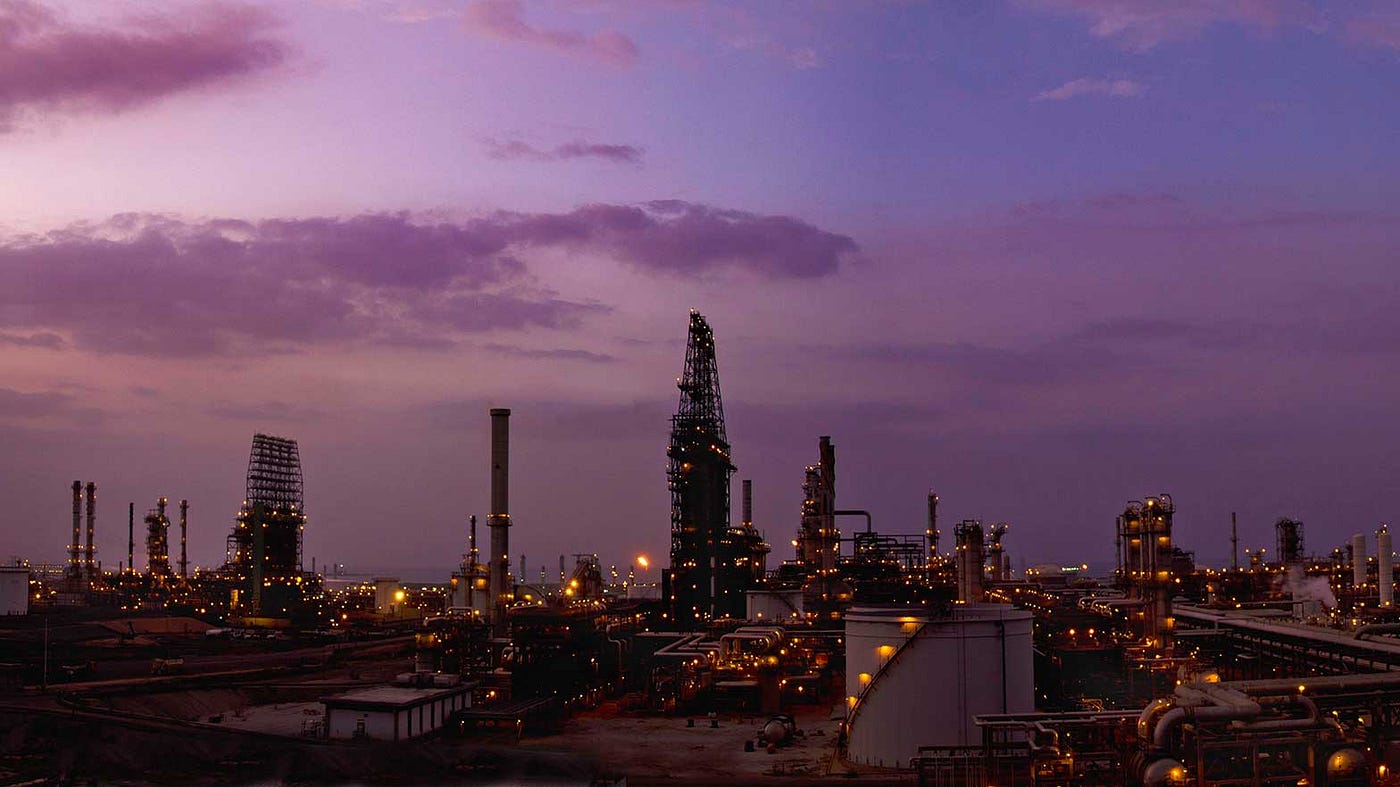
Oil Recovery and Resumption Efforts
Venezuela’s PDVSA is preparing to resume operations at its joint ventures on terms comparable to Biden-era permits. In recent years, the OPEC country’s production has been stable at roughly 1 million barrels per day. Foreign partners such as Chevron may quickly resume production, trade via swap mechanisms, and import critical inputs under terms similar to those given under the Biden administration. The reinstatement may assist alter Venezuela’s troubled energy sector. Foreign partners’ re-entry provides access to maintenance equipment, diluents, and skilled manpower. These are critical for improving pipeline, refinery, and storage infrastructure. Swap agreements would enable Venezuela to import refined fuels, reducing outages and fuel shortages in rural areas. PDVSA and its partners can help stabilize operations by paying suppliers and contractors. The secondary clevis plays a crucial role in oil production resuming operation in wellhead and surface equipment maintenance.
The secondary clevis is a load-bearing mechanical link that connects important components including valves, chokes, and pipelines. This maintains structural integrity even under tremendous pressure. Following maintenance or repairs, wellhead valves and pressure control systems must be securely reattached. The secondary clevis is useful for suspending or repositioning heavy equipment like blowout preventers and tube heads. A well-placed clevis ensures that bolted connections are secure and prevents leakage. PDVSA is dealing with aged infrastructure, which necessitates the use of dependable hardware. Faulty clevises can cause output to be delayed, highlighting their relevance in addressing operational bottlenecks. This makes it a critical component in reassembling and safeguarding wellhead systems. This is also crucial as PDVSA seeks to restore oil production amid infrastructure decline and sanctions.
Secondary clevis in PDVSA’s energy and oil operations
A secondary clevis is crucial for sustaining and stabilizing overhead electrical systems during the restoration of oil operations. A secondary clevis is a metal fitting used in overhead line systems to link insulators, conductors, and crossarms for power distribution. It serves in low-voltage distribution lines that carry power from substations to end-use locations. The secondary clevis guarantees that electrical power is delivered safely, consistently, and reliably. Reinforcing these components is critical for preventing operational bottlenecks, minimizing equipment damage, and ensuring grid dependability. Its responsibilities include:

Secondary Clevis
Enabling stable power distribution to oil fields — PDVSA’s upstream operations, including pumps, sensors, and drilling equipment. They rely heavily on a stable, low-voltage power supply. Secondary clevises ensure that the distribution lines remain secure and maintain electrical continuity under harsh weather.
Supporting electrification of refineries — secondary clevises suspend insulators and wires that carry power across refinery zones exposed to heat, vibration, and pollutants.
Reinforcing resilience against grid failures — proper use of high-quality clevis fittings reduces the risk of line collapse or disconnection in localized distribution. This is crucial for critical infrastructure such as crude oil upgraders and power substations that feed PDVSA’s facilities.
Enabling quick repairs and modernization — the secondary clevis fitting allows for modular assembly, which makes it easier for crews to replace damaged components, reduce downtime, and hurry re-electrification of idle oil sites.
Easing safe energy transition projects — secondary clevises will help in installing and supporting new low-voltage transmission setups.
Impacts on oil resumption of Venezuela’s energy sector
The restart of oil production and refinery operations in Venezuela through joint ventures between PDVSA and international partners. The development is a watershed moment for a country whose energy infrastructure has suffered from years of underinvestment, sanctions, and mismanagement. The following are the most significant impacts in the country.

Oil Extraction and Production
Revitalization of crude oil output — Venezuela holds the world’s largest proven oil reserves but has been operating far below capacity. Increased oil output restores Venezuela’s role in global supply chains and bolsters its influence in OPEC+ dynamics.
Reactivation of idle refineries — refinery reactivation means improved domestic fuel availability. It eases critical shortages that cripple public transport, agriculture, and daily life. This reduces the need for expensive fuel imports and improves trade balances.
Job creation and industrial recovery — reopening wells and refining complexes creates jobs in rich-oil states. It also revives supporting sectors such as transport, maintenance, electrical supply, and equipment manufacturing.
Stabilization of the power sector — refineries and oil-fired power plants will gain access to refined fuel products. This helps stabilize Venezuela’s thermoelectric generation, which supplements hydroelectric plants during dry seasons.
메타데이터
- post_id
- c6ace2e6bd4f
- slug
- secondary-clevis-powers-venezuelas-oil-rebound-c6ace2e6bd4f
- url
- https://medium.com/@vanessangethe393/secondary-clevis-powers-venezuelas-oil-rebound-c6ace2e6bd4f
- canonical_url
- https://medium.com/@vanessangethe393/secondary-clevis-powers-venezuelas-oil-rebound-c6ace2e6bd4f
- author_url
- https://medium.com/@vanessangethe393
- status
- ok
- fetched_at
- 2026-06-23 21:39:52