Hotel Occupancy Improvement: Proven Strategies to Increase Bookings and Maximize Revenue…
Hotel Occupancy Improvement: Proven Strategies to Increase Bookings and Maximize Revenue
Hotel Occupancy Improvement: Proven Strategies to Increase Bookings and Maximize Revenue…
Hotel Occupancy Improvement: Proven Strategies to Increase Bookings and Maximize Revenue
The hospitality industry has become more competitive than ever. Travelers have countless accommodation options, online travel agencies (OTAs) have changed booking behavior, and guest expectations continue to evolve. For hotel owners and managers, maintaining high occupancy is no longer about lowering room rates — it requires a well-planned commercial strategy that combines revenue optimization, marketing, sales, guest experience, and technology.
Hotels with consistently high occupancy don’t rely on luck. They use data-driven decision-making, dynamic pricing, targeted promotions, and exceptional guest experiences to attract the right guests at the right price.
This is where hospitality consulting firms like **THE IVAR** help hotels transform their business. Through revenue optimization, business intelligence, branding, sales strategy, CRS implementation, and online reputation management, THE IVAR assists hotels in improving occupancy while increasing profitability — not just filling rooms.
Why Hotel Occupancy Matters
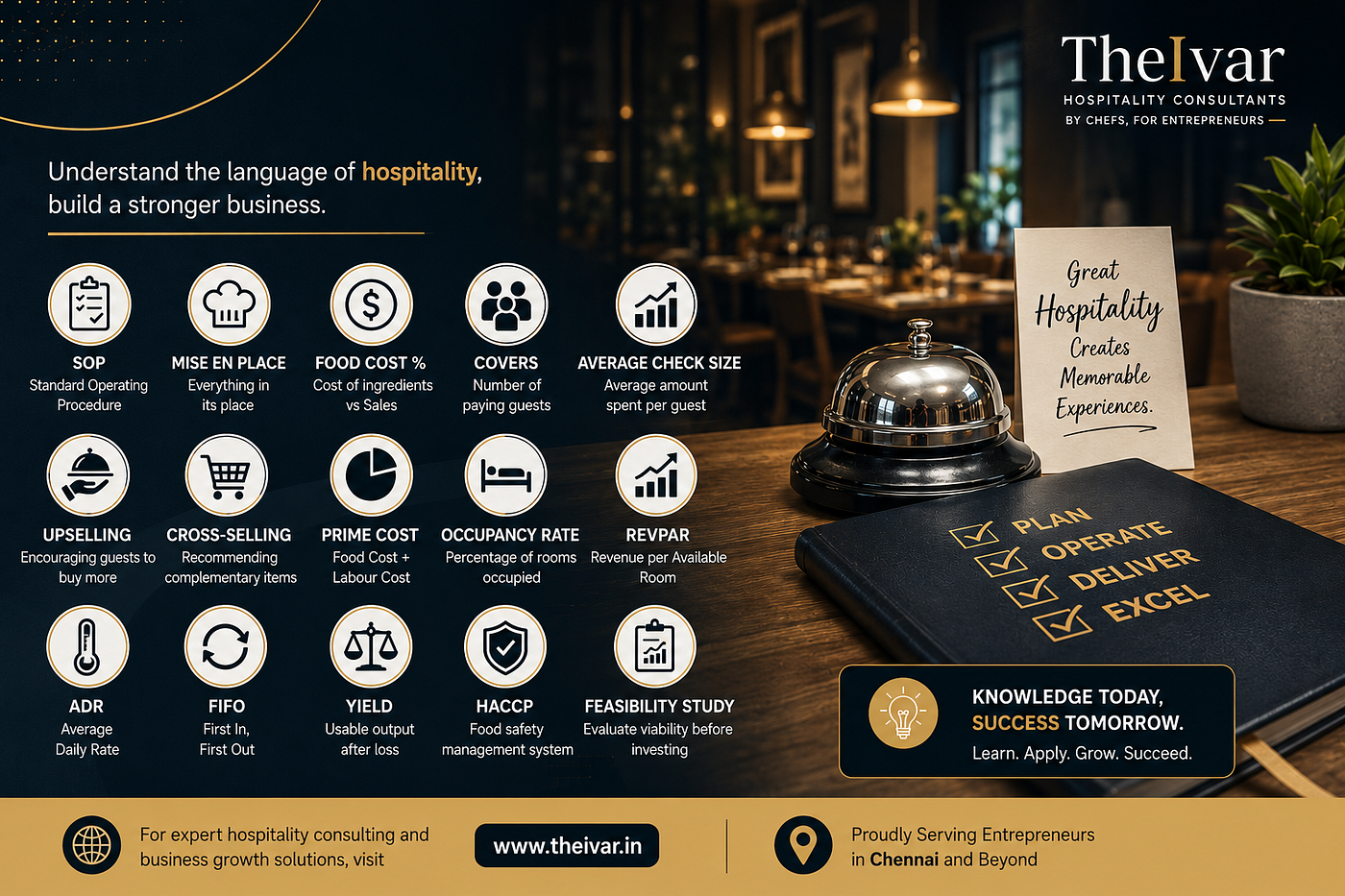
Occupancy rate represents the percentage of available rooms that are sold during a specific period.
For example:
- 100 available rooms
- 75 rooms sold
Occupancy Rate = 75%
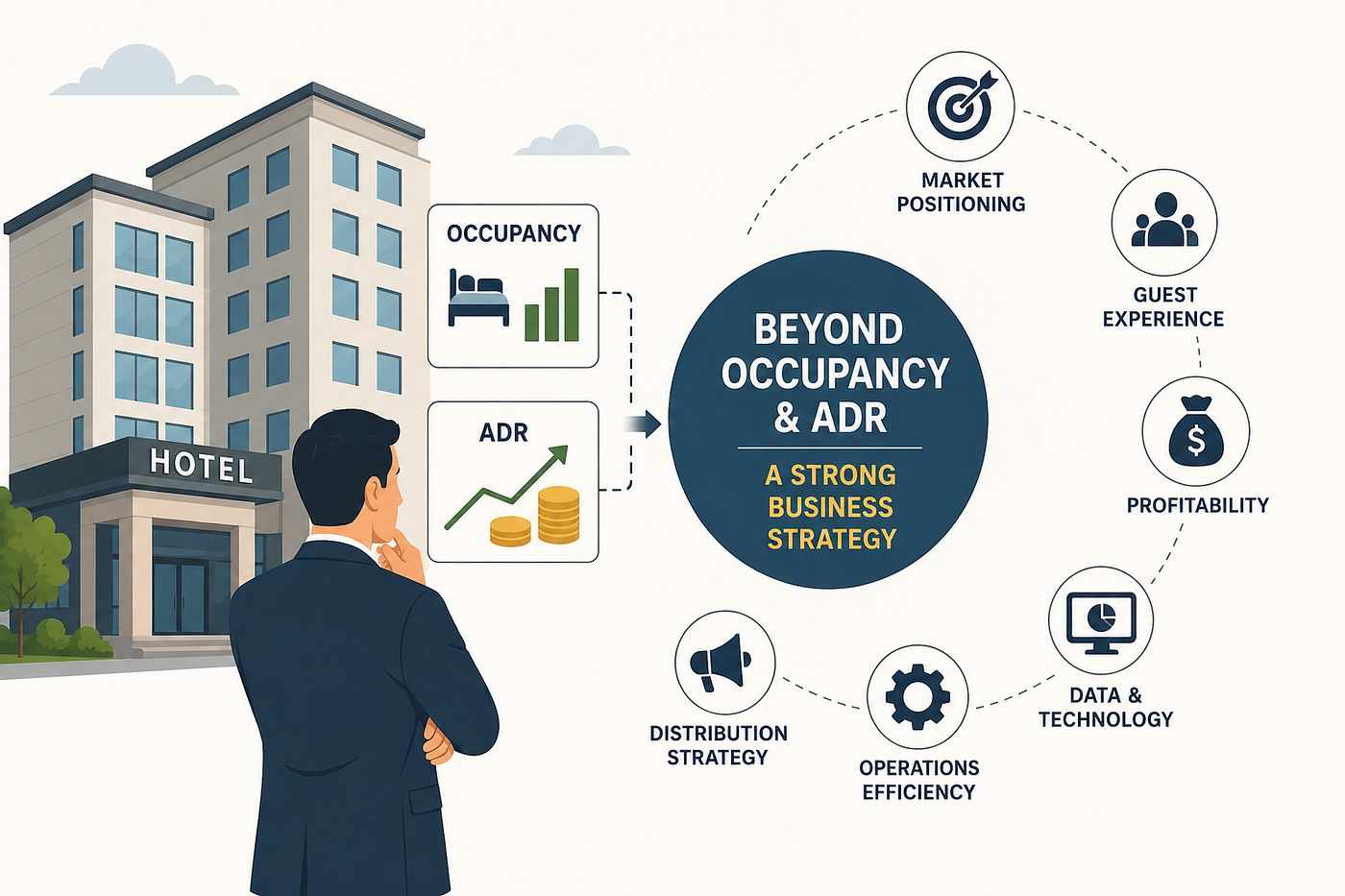
While occupancy is an important metric, successful hotels balance it with:
- Average Daily Rate (ADR)
- Revenue Per Available Room (RevPAR)
- Gross Operating Profit
- Direct Booking Ratio
- Guest Satisfaction
- Repeat Business
A hotel operating at 95% occupancy through heavy discounting may actually earn less profit than one operating at 80% occupancy with better pricing and higher-value guests.
Common Reasons Hotels Experience Low Occupancy
Many hotels struggle not because demand is low, but because their commercial strategy needs improvement.
Some common issues include:
- Static room pricing
- Poor online visibility
- Weak branding
- Heavy dependence on OTAs
- Low direct bookings
- Negative online reviews
- Poor distribution strategy
- Lack of corporate sales
- Ineffective digital marketing
- Weak revenue management
- Inconsistent guest experience
Identifying these gaps is the first step toward sustainable occupancy growth.
1. Implement Dynamic Pricing
One of the biggest mistakes hotels make is charging the same room rate every day.
Demand changes constantly because of:
- Weekends
- Holidays
- Festivals
- Local events
- Conferences
- School vacations
- Weather
- Competitor pricing
Dynamic pricing adjusts room rates based on real-time demand, helping hotels maximize revenue while maintaining healthy occupancy.
Hotels that adopt demand-based pricing often achieve stronger RevPAR without relying on blanket discounts.
2. Improve Your Online Presence
Today’s travelers begin their booking journey online.
A hotel’s digital presence should include:
- Professional website
- Mobile-friendly design
- Fast loading speed
- High-quality photography
- Virtual tours
- Updated room information
- Local attraction guides
A professional online presence builds trust before guests even visit.
3. Encourage Direct Bookings
OTAs provide visibility but also reduce profitability through commissions.
Hotels should actively encourage guests to book directly by offering:
- Best rate guarantee
- Free breakfast
- Flexible cancellation
- Complimentary upgrades
- Loyalty rewards
- Early check-in
- Late checkout
Increasing direct bookings improves both occupancy quality and profit margins.
4. Strengthen Online Reputation
Online reviews heavily influence booking decisions.
Guests regularly compare ratings before making reservations.
Hotels should:
- Respond to every review
- Address complaints professionally
- Thank satisfied guests
- Resolve operational issues quickly
- Encourage happy guests to leave reviews
A higher review score improves visibility and booking conversion across multiple platforms.
5. Target the Right Market Segments
Every hotel attracts different types of travelers.
Examples include:
- Business travelers
- Families
- Couples
- Medical tourists
- Pilgrims
- Weekend travelers
- Long-stay guests
- Event attendees
- International tourists
Instead of marketing to everyone, hotels should create tailored packages for each segment.
6. Optimize OTA Listings
OTA listings should never remain outdated.
Regularly update:
- Room photos
- Amenities
- Policies
- Descriptions
- Seasonal offers
- Local experiences
An optimized OTA profile improves visibility and booking conversion.
7. Build Corporate Partnerships
Corporate bookings provide consistent occupancy throughout the year.
Hotels can partner with:
- IT companies
- Manufacturing firms
- Hospitals
- Educational institutions
- Government organizations
- Event planners
Corporate contracts reduce dependence on seasonal leisure demand.
8. Use Revenue Management Effectively
Revenue management involves much more than changing room prices.
It includes:
- Demand forecasting
- Competitor analysis
- Booking pace monitoring
- Distribution management
- Market segmentation
- Inventory control
- Length-of-stay strategies
Modern revenue management aligns pricing with demand patterns to maximize both occupancy and profitability.
9. Create Attractive Packages
Guests often prefer value-added offers over simple discounts.
Examples include:
- Stay + Breakfast
- Weekend Getaways
- Family Vacation Packages
- Honeymoon Offers
- Workcation Packages
- Spa Packages
- Festival Specials
- Long Stay Discounts
These packages increase perceived value while protecting room rates.
10. Invest in Guest Experience
Satisfied guests become repeat customers.
Focus on:
- Faster check-in
- Personalized service
- Clean rooms
- Friendly staff
- Comfortable amenities
- Quick complaint resolution
- Memorable experiences
Happy guests also generate positive reviews and referrals.
11. Leverage Digital Marketing
A comprehensive digital marketing strategy helps hotels reach potential guests before competitors.
Effective channels include:
- Google Search
- Google Hotel Ads
- Social media marketing
- Email marketing
- Content marketing
- SEO
- Local search optimization
- Remarketing campaigns
Consistent digital visibility increases both awareness and bookings.
12. Monitor Competitors
Successful hotels continuously study competing properties.
Monitor:
- Room rates
- Occupancy trends
- Promotions
- Guest reviews
- Packages
- Distribution channels
- Social media activities
Competitive intelligence supports smarter pricing and positioning decisions.
13. Focus on Repeat Guests
Retaining existing guests is often more cost-effective than acquiring new ones.
Ways to encourage repeat visits include:
- Loyalty programs
- Personalized offers
- Birthday discounts
- Exclusive member rates
- Email campaigns
- Recognition of returning guests
Repeat customers also tend to spend more and book directly.
14. Train Your Sales Team
An effective sales team contributes directly to occupancy growth.
Training should cover:
- Corporate sales
- Group bookings
- Banquet sales
- Negotiation
- Upselling
- Relationship management
A proactive sales strategy creates long-term demand instead of relying solely on online bookings.
15. Use Business Intelligence
Hotels generate valuable operational data every day.
Analyzing metrics such as:
- Occupancy trends
- Booking pace
- Lead time
- Cancellation rates
- Channel performance
- ADR
- RevPAR
helps managers make informed commercial decisions rather than relying on assumptions.
How THE IVAR Helps Hotels Improve Occupancy
Improving occupancy requires more than isolated marketing efforts. It demands a coordinated strategy that aligns pricing, sales, distribution, reputation, and guest experience.
THE IVAR specializes in hospitality consulting services designed to help hotels unlock sustainable growth. Their expertise includes:
- Revenue Optimization
- Business Development Strategy
- Hospitality Consulting
- Business Intelligence
- Online Reputation Management
- CRS Setup & Implementation
- Branding & Online Promotions
- Sales Strategy Development
By identifying revenue leakage, refining commercial strategies, and optimizing hotel operations, THE IVAR helps properties increase occupancy while improving overall profitability.
Final Thoughts
Increasing hotel occupancy is no longer about offering the lowest room rate. The most successful hotels combine dynamic pricing, targeted marketing, exceptional guest experiences, strong sales strategies, and data-driven revenue management to achieve consistent results.
When these elements work together, hotels can improve occupancy, strengthen their market position, increase direct bookings, and maximize long-term profitability.
For hotel owners looking to unlock their property’s full potential, partnering with experienced hospitality consultants like **THE IVAR** can provide the strategic guidance needed to turn occupancy growth into sustainable business success.
메타데이터
- post_id
- c6b0ef324d72
- slug
- hotel-occupancy-improvement-proven-strategies-to-increase-bookings-and-maximize-revenue-c6b0ef324d72
- url
- https://medium.com/@katrina052026/hotel-occupancy-improvement-proven-strategies-to-increase-bookings-and-maximize-revenue-c6b0ef324d72
- canonical_url
- https://medium.com/@katrina052026/hotel-occupancy-improvement-proven-strategies-to-increase-bookings-and-maximize-revenue-c6b0ef324d72
- author_url
- https://medium.com/@katrina052026
- status
- ok
- fetched_at
- 2026-07-30 21:09:24