The Spice That Built Empires: A Short History of Ceylon Cinnamon
There’s a reason wars were fought over a strip of coastline in the Indian Ocean. A reason the Dutch once considered their colony in Sri…
The Spice That Built Empires: A Short History of Ceylon Cinnamon
There’s a reason wars were fought over a strip of coastline in the Indian Ocean. A reason the Dutch once considered their colony in Sri Lanka among the most valuable pieces of real estate on the planet. That reason was cinnamon.
Not the bland, mass-produced stuff that gets shaken onto supermarket pastries, but the real thing. The kind that grew wild and fragrant in the low country forests of what the world once called Ceylon.
Before Columbus, There Was Cinnamon
Ceylon cinnamon’s story stretches back at least 3,000 years. Ancient Egyptians used it in embalming rituals. The Old Testament references it as a sacred ingredient. Arab traders controlled its supply routes for centuries, deliberately keeping the origins secret and the prices astronomical, because the moment the world knew where cinnamon came from, the monopoly was over.
When Portuguese sailors finally arrived in Sri Lanka in the early 1500s, they found cinnamon growing in coastal forests. They established a trading post. Then they built a fort. Then the Dutch arrived and took it from them. Then the British took it from the Dutch. For three hundred years, the cinnamon forests of Ceylon were arguably the most fought-over agricultural land in the world.
What Made It Worth Fighting For?
Ceylon cinnamon was and still is genuinely unlike any other spice. The narrow coastal strip of southwestern Sri Lanka, with its unique soil composition, humidity, and rainfall patterns, produces cinnamon bark with a complexity that no other region on Earth has been able to replicate. Growers have tried in India, Jamaica, and Brazil. The trees grow. But the flavour never quite matches.
There’s a word for this in the culinary world: terroir. It’s the French concept, usually applied to wine, of a place expressing itself through what grows in it. Ceylon cinnamon has terroir in abundance.
Still Made the Same Way
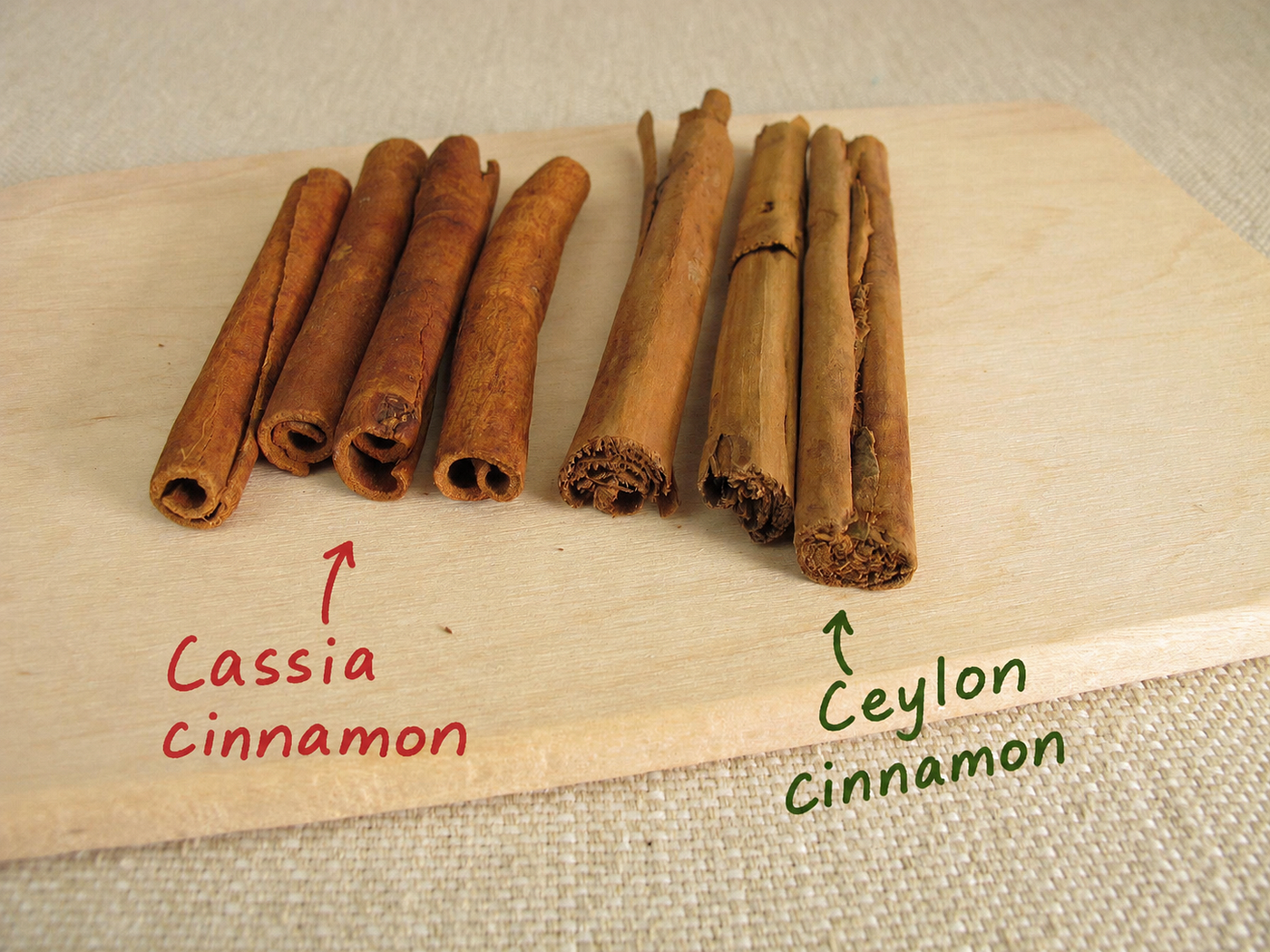
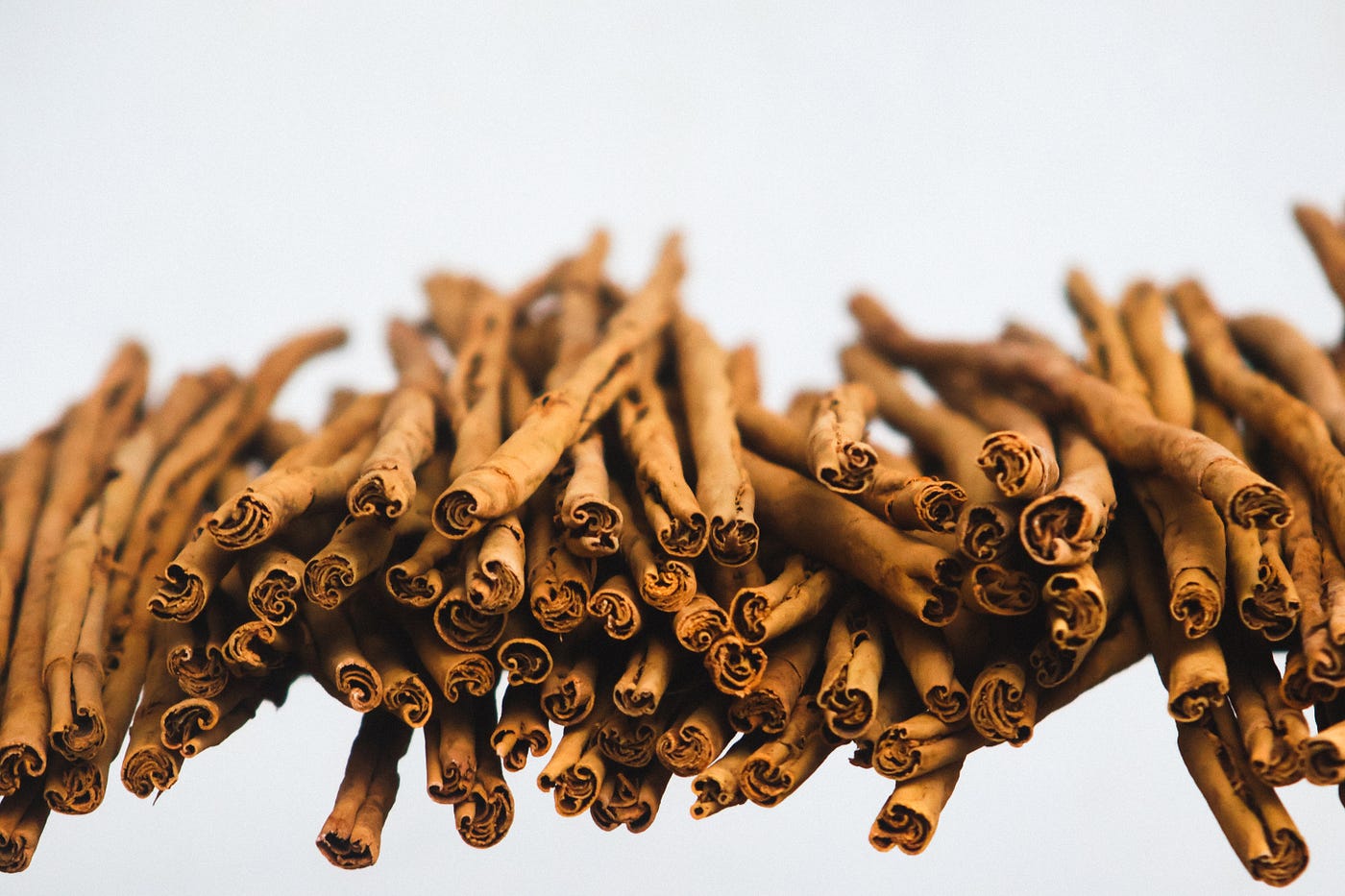
What’s remarkable is that the process of producing Ceylon cinnamon has barely changed in centuries. Skilled peelers — known locally as chaliya — strip the outer bark, then use a special curved knife to peel away the inner bark in long sheets. Left to dry, these sheets curl naturally into the quills we recognise. It takes years to train properly. Machines can’t do it.
Every stick of **authentic Ceylon cinnamon** you buy is the result of an entirely human craft — one that connects directly back to those ancient forests and the traders who once risked everything to bring this spice to the world.
History, as it turns out, tastes incredibly good.
메타데이터
- post_id
- c6bdbbf509b6
- slug
- the-spice-that-built-empires-a-short-history-of-ceylon-cinnamon-c6bdbbf509b6
- url
- https://medium.com/@lokuliyanaaa/the-spice-that-built-empires-a-short-history-of-ceylon-cinnamon-c6bdbbf509b6
- canonical_url
- https://medium.com/@lokuliyanaaa/the-spice-that-built-empires-a-short-history-of-ceylon-cinnamon-c6bdbbf509b6
- author_url
- https://medium.com/@lokuliyanaaa
- status
- ok
- fetched_at
- 2026-07-10 21:04:09