Breaking Ground in Glioblastoma Research: How Advanced Tissue Analysis Reveals New Treatment…
Research Article Digest
Breaking Ground in Glioblastoma Research: How Advanced Tissue Analysis Reveals New Treatment Possibilities
Research Article Digest
Original Article: Hexosaminidase B-driven cancer cell-macrophage co-dependency promotes glycolysis addiction and tumorigenesis in glioblastoma
Journal: Nature Communication
Affiliations: Zhu, C., Chen, X., Liu, TQ. et al. Department of Neurosurgery, Shengjing Hospital of China Medical University, Shenyang, China

Summary
A groundbreaking study published in Nature Communications has unveiled how a protein called HEXB (Hexosaminidase B) acts as a master regulator in glioblastoma (GBM), the most aggressive form of brain cancer. Using cutting-edge tissue analysis technology, researchers discovered that HEXB drives cancer progression through dual mechanisms: enhancing cancer cells’ sugar metabolism and recruiting specific immune cells that support tumor growth.
Why This Research Matters
Glioblastoma remains one of the deadliest cancers, with patients facing a median survival of only 14.6 months despite aggressive treatments including surgery, chemotherapy, and radiotherapy. Understanding how cancer cells interact with their environment is crucial for developing more effective treatments.
Research Design and Advanced Technology
The study employed a comprehensive approach combining multiple analytical methods:
- Analysis of multiple GBM patient cohorts
- Single-cell RNA sequencing
- Complex tissue imaging and analysis
- Laboratory experiments with GBM cells and immune cells
- Mouse models to validate findings
Central to this research was the use of advanced multiplexed immunofluorescence (mIHC) imaging and analysis platforms from TissueGnostics. The researchers employed two sophisticated mIHC panels:
Basic Characterization Panel:
- HEXB
- GFAP (glial cell marker)
- IBA1 (macrophage/microglia marker)
- CCR2 (peripheral blood macrophage marker)
- CX3CR1 (microglia marker)
- CD163 (M2 macrophage marker)
- CD86 (M1 macrophage marker)
Tumor Response Panel:
- ITGB1
- ILK
- YAP1
- HIF1α
- CCR2
- CX3CR1
- GLUT3
- HK2
The Power of Advanced Tissue Analysis
TissueGnostics’ TissueFAXS Spectra Systems and StrataQuest analysis software played crucial roles in unlocking the complexity of tumor biology. Here’s what makes this technology special:
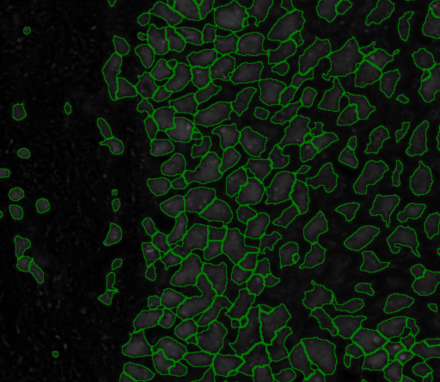
Precise Cell Identification:
- Dual approach using parameter-based and deep learning methods for accurate nuclei identification
- Sophisticated cytoplasmic mask recognition for complete cell analysis
- Advanced pre-processing capabilities for challenging tissue samples
Sophisticated Data Analysis:
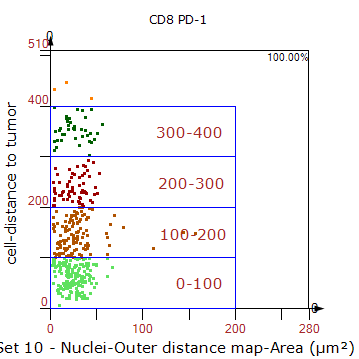
- Unique FACS-like scatter plots for intuitive visualization and quality control
- AI-powered tissue classification for complex microenvironment analysis
- Powerful spatial analysis tools for studying cell-cell interactions
- Real-time backward and forward connections between images and data points
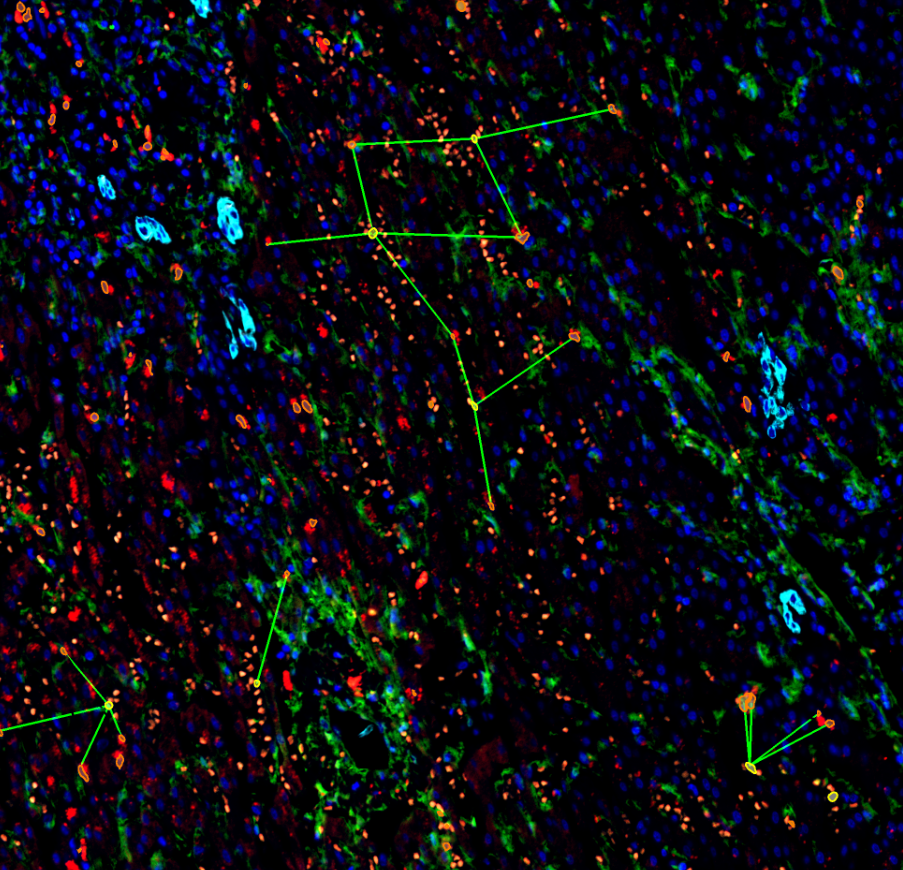
Multiplexed Analysis Benefits:
- Simultaneous visualization of multiple proteins
- Precise identification of different cell types
- Detailed analysis of cell-cell interactions
- Comprehensive evaluation of the tumor microenvironment
Key Findings and Impact
The research revealed HEXB as a promising therapeutic target for GBM treatment, particularly in patients with wild-type IDH1 tumors. The findings suggest that targeting HEXB could:
- Reduce cancer cell metabolism
- Modify the immune environment around the tumor
- Enhance the effectiveness of immunotherapy
The study demonstrates how advanced tissue analysis technologies are essential for understanding complex cancer biology. The combination of multiplexed imaging and sophisticated analysis tools allowed researchers to uncover intricate cellular relationships that wouldn’t be visible with conventional methods.
Looking Forward
This research represents a significant step forward in understanding GBM biology and showcases the power of advanced tissue analysis in modern cancer research. By revealing HEXB’s dual role in cancer metabolism and immune response, the study opens new possibilities for treatment strategies. The sophisticated analysis capabilities of platforms like StrataQuest are proving invaluable in translating complex biological data into meaningful therapeutic insights.
The findings could lead to more effective treatments for this devastating disease, highlighting how cutting-edge tissue analysis technology continues to drive advances in cancer research and treatment development.
This comprehensive study exemplifies how modern tissue analysis platforms can help researchers unravel complex cellular interactions in the tumor microenvironment, potentially leading to breakthrough treatments for one of medicine’s most challenging cancers.
메타데이터
- post_id
- c6c859acb328
- slug
- breaking-ground-in-glioblastoma-research-how-advanced-tissue-analysis-reveals-new-treatment-c6c859acb328
- url
- https://medium.com/@TGAP_Blog/breaking-ground-in-glioblastoma-research-how-advanced-tissue-analysis-reveals-new-treatment-c6c859acb328
- canonical_url
- https://medium.com/@TGAP_Blog/breaking-ground-in-glioblastoma-research-how-advanced-tissue-analysis-reveals-new-treatment-c6c859acb328
- author_url
- https://medium.com/@TGAP_Blog
- status
- ok
- fetched_at
- 2026-07-15 08:12:24