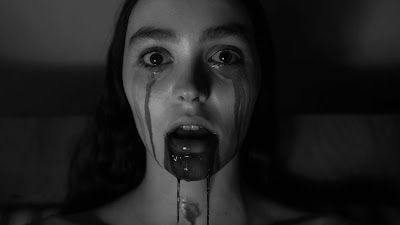
Nosferatu: A Haunting Metaphor for Abuse and the Silence of Trauma
Created for JP Ramos
Nosferatu: A Haunting Metaphor for Abuse and the Silence of Trauma

Robert Eggers, the filmmaker responsible for the eloquent The Witch and The Lighthouse, and for adapting a darker, "gypsy" version of Hamlet with The Northman, has returned. In Nosferatu, an adaptation of the 1922 black-and-white classic, Eggers embraces melancholy, blasphemy, and sexuality in darker tones than ever before. Here, the vampire Count Orlok is not merely a demonic creature bent on destroying the world and its inhabitants for his bloodlust and gore-drenched domains. Instead, Nosferatu functions as a terrifying visual metaphor for abuse.

Ellen, portrayed viscerally by Lily-Rose Depp, has been marked since childhood by a "nature" that causes her melancholy, convulsions, and fragility, eventually yielding to a dark presence to satiate her agonies. This dark presence, Count Orlok, justifies his actions through Ellen’s own nature, appearing merely as a craving of the girl herself. He does not just haunt her physically; he invades her mind. These abuses continue until Ellen meets Thomas, a real estate agent who offers her a healthy and true love. However, Orlok refuses to accept this reality and seeks to perpetuate his "destiny" with Ellen.

As the vampire, Orlok manipulates Ellen by invading her thoughts and dreams. The sensation that the abuser is everywhere, controlling her mind and isolating her from reality, perfectly mirrors the cycles of domestic abuse, utilizing her fragility to dominate her. To maintain control, the Count deconstructs the girl’s identity by claiming her nature is the very justification for the abuse—a "call" he simply answered to fulfill Ellen’s own "foul desires." This is the cruelest level of abuse: making the victim believe they are the problem or that they secretly desired the situation. He turns everyone against her by making her friends and husband doubt her sanity. Orlok ensures Ellen has nowhere to run. If no one believes in your pain, your only reality becomes your abuser. In the dawn of the conclusion, as the demon’s plague begins to slaughter the townspeople and Ellen’s friends suffer terrible fates, the girl discovers the only way to reap the vampire’s life is to let him take her and wait until the cock crows. In many narratives of extreme abuse, the victim feels the aggressor has become part of their own identity. By sacrificing herself to kill her oppressor in a sexual and mortal act, Ellen delivers one of the most human and terrifying endings: the idea that for some wounds, the world of that era offered no cure, only the final silence.

By labeling trauma as "nature," he strips away the possibility of healing or change. If it is intrinsic to who she is, why fight it? In the film, the sacrifice serves to kill the demon and the vampire plaguing that world. Metaphorically, Ellen finds in death the only way to end her agony. Eggers develops an alarming and lamentable commentary on how the world fails traumatized women and children, leaving them alone to fight "demons" that others refuse to believe are real.

메타데이터
- post_id
- c6f0c4da12e7
- slug
- nosferatu-a-haunting-metaphor-for-abuse-and-the-silence-of-trauma-c6f0c4da12e7
- url
- https://medium.com/@jp.ramos2008p/nosferatu-a-haunting-metaphor-for-abuse-and-the-silence-of-trauma-c6f0c4da12e7
- canonical_url
- https://medium.com/@jp.ramos2008p/nosferatu-a-haunting-metaphor-for-abuse-and-the-silence-of-trauma-c6f0c4da12e7
- author_url
- https://medium.com/@jp.ramos2008p
- status
- ok
- fetched_at
- 2026-07-08 12:17:00