Maximize Efficiency: Hybrid Workspace Planning for GCCs
The Global Capability Center (GCC) has fundamentally evolved. No longer mere back-office cost centers, today’s GCCs are strategic hubs for…
Maximize Efficiency: Hybrid Workspace Planning for GCCs
The Global Capability Center (GCC) has fundamentally evolved. No longer mere back-office cost centers, today’s GCCs are strategic hubs for innovation, digital transformation, and specialized talent integral to the multinational corporation (MNC)’s global strategy. As the world of work undergoes its most profound shift, the hybrid workplace model is emerging not just as a preference, but as a strategic imperative for GCCs to maintain their competitive edge.
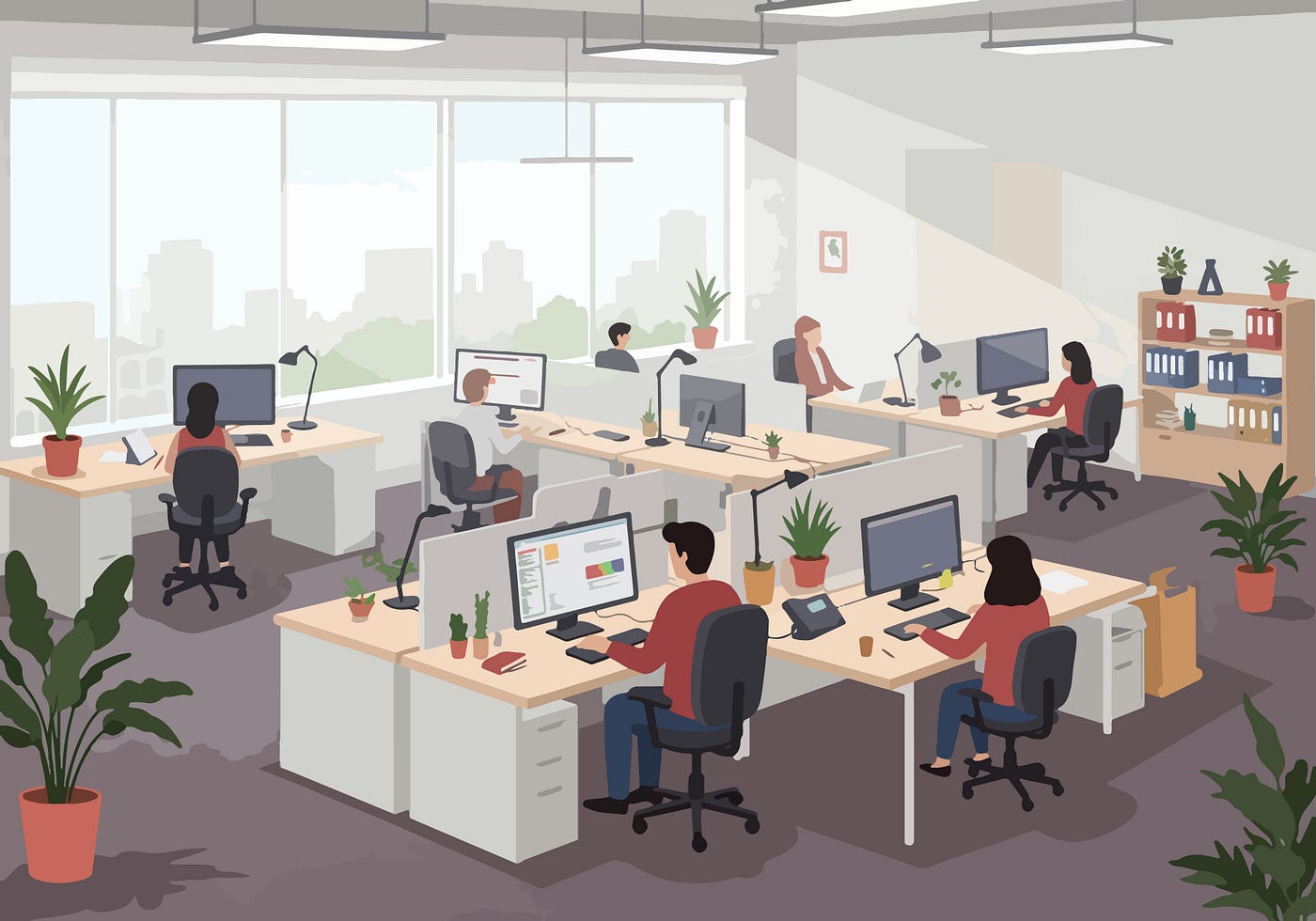
The successful GCC of the future must master the delicate balance between the flexibility employees demand and the organizational cohesion, security, and compliance that global operations necessitate. This requires a comprehensive and intentional hybrid workspace planning strategy that addresses technology, talent, culture, and physical space with equal rigor. For any GCC aiming for sustainable growth and value creation, this is the time to move beyond tactical, short-term solutions and embrace a truly transformative approach.
The New GCC Mandate: Why Hybrid is Non-Negotiable
The adoption of the hybrid model across GCCs, with approximately 77% already embracing it, is driven by a confluence of market dynamics and talent expectations. The decision to shift is a direct response to optimizing three critical pillars: Talent Acquisition and Retention, Operational Efficiency, and Innovation.
The Talent Magnet: Attracting and Retaining Specialized Skills
In highly competitive talent markets like India which hosts over 1,600 GCCs and is projected to exceed 2,400 by 2030 flexibility is now a core employee expectation.
- Expanded Talent Pool: The hybrid model detaches talent from geography. GCCs are no longer limited to sourcing talent in Tier-1 cities; they can tap into highly skilled professionals in Tier-2 and Tier-3 hubs, or even across different countries. This not only widens the talent funnel but also allows the recruitment of specialized skills like AI engineers or cybersecurity analysts who prioritize work-life balance. This flexibility is a powerful talent magnet.
- Enhanced Employee Experience (EX): A well-executed hybrid workspace planning strategy directly contributes to a positive employee experience (EX). It offers autonomy, reduces commute stress, and supports work-life integration, leading to higher job satisfaction and improved employee well-being. This translates into better talent retention rates, especially for critical roles, often seeing a 12–15% productivity uplift reported by some firms.
- Global Mobility and Diversity: For global teams, the hybrid approach supports cross-border collaboration without requiring constant physical relocation, enhancing the overall global mobility strategy of the parent organization. It also naturally fosters greater diversity and inclusion by accommodating different working styles and life circumstances.
Driving Operational Efficiency and Cost Optimization
While talent remains a primary driver, the hybrid model also offers significant operational advantages.
- Real Estate Optimization: With fewer employees in the office simultaneously, GCCs can achieve substantial real estate optimization. This means potentially consolidating office spaces, reducing the overall physical footprint, or reconfiguring existing spaces for higher-value activities. Strategic hybrid workspace planning can lead to significant cost savings on rent, utilities, and maintenance, with some organizations reporting up to a 25% reduction in office space costs.
- Scalability and Agility: The hybrid model provides inherent scalability. As GCCs grow, they can onboard new teams and expand operations with less immediate pressure on physical office space. This business agility is crucial for rapidly evolving markets and quick responses to changing project demands, allowing for faster time-to-market for new initiatives.
- Business Continuity and Resilience: The distributed nature of a hybrid workforce inherently builds business continuity and center resilience. Local disruptions (e.g., natural disasters, public health crises) are less likely to cripple entire operations if teams are not solely reliant on a single physical location. This operational resilience was proven during the pandemic when many GCCs rapidly became operational through remote work models.
The Three Pillars of Hybrid Workspace Planning
Effective hybrid workspace planning is a holistic exercise, intricately balancing three core elements: Space, Technology, and Policy.
1. Reimagining the Physical Space: From Office to Destination
The office’s role has fundamentally transformed. It is no longer just a place to work; it’s a carefully curated destination for specific, high-value activities.
- Adaptive Workplaces: GCCs are moving towards adaptive workplaces that offer a variety of zones. This includes collaborative spaces for team projects, focus zones for deep individual work, and social hubs for informal connection. The design emphasizes flexibility and modularity, allowing spaces to be reconfigured quickly, moving away from rows of fixed desks.
- Activity-Based Working (ABW): Implementing Activity-Based Working (ABW) is a key strategy. Instead of assigned desks, employees choose spaces best suited for their current task (e.g., a quiet pod for focused writing, a lounge area for creative brainstorming). This maximizes space utilization and employee choice and is critical for managing a revolving workforce.
- Designing for Equity: Critically, the physical space must be designed for inclusivity. Meeting rooms must feature hybrid-meeting technology like high-definition cameras with intelligent framing, crystal-clear audio, and large displays to ensure remote participants are seen and heard as if they were in the room. This combats proximity bias and fosters a sense of belonging for all, ensuring the in-office experience does not confer an unfair advantage.
- Sustainable Design: Hybrid workspace planning also presents an opportunity for sustainable design. Reducing the overall footprint, optimizing energy consumption through smart building systems, and using eco-friendly materials align with broader ESG (Environmental, Social, and Governance) goals, which are increasingly important for MNCs.
2. The Digital Connect: Technology as the Unifying Force
Technology is the backbone of any successful hybrid model, providing the seamless collaboration and communication essential for a distributed workforce.
- Robust Digital Infrastructure: A high-performing digital infrastructure is non-negotiable. This includes ultra-reliable high-speed internet, secure cloud access for all applications, and a unified communications platform (video conferencing, chat, file sharing) that functions flawlessly both in-office and remotely. The shift demands massive investment in digital capabilities.
- Intelligent Infrastructure and IoT: GCCs are leveraging intelligent infrastructure components and IoT platforms to gather real-time data on space utilization sensors. This data can inform cleaning schedules, optimize energy use, and guide future workplace design. Features like smart lockers, wayfinding, and touchless interfaces enhance the overall employee experience and efficiency.
- Smart Workplace Solutions: Implementing smart workplace solutions allows employees to easily book desks, meeting rooms, and other resources via mobile apps. These systems often provide occupancy analytics, giving employees real-time information about available spaces and enabling facility managers to make data-driven decisions on space configuration and service provision.
- Cybersecurity and Data Privacy: With a distributed workforce, cybersecurity becomes paramount. Hybrid workspace planning must integrate robust security protocols, secure VPNs, multi-factor authentication, regular phishing drills, and strict data privacy compliance across all devices and locations to protect sensitive corporate data and intellectual property. This is particularly crucial for GCCs handling critical functions like Finance, R&D, and IT.
3. Crafting the Culture and Policy Framework
Policies and cultural norms are the invisible architecture of the hybrid workplace, guiding behaviour and ensuring fairness.
- Clear Hybrid Policies: GCCs need unambiguous policies on expected in-office presence (e.g., “three days a week”), core collaboration hours, and manager guidelines for supporting hybrid teams. This prevents confusion and ensures equitable treatment.
- Manager Training and Coaching: Managers are key to the success of hybrid teams. Training focuses on managing remote workers effectively, fostering inclusive meetings, setting clear expectations for deliverables, and recognizing contributions regardless of location. The manager’s role shifts from an administrator to a coach and mentor.
- Focus on Outcomes and Trust: Shifting to outcome-based metrics rather than hours spent in the office is crucial. Policies should empower teams with flexibility and autonomy over how and where they achieve results, fostering trust and accountability. A culture of trust is the bedrock of a successful hybrid model.
- Building Cultural Cohesion: Hybrid workspace planning must incorporate strategies for maintaining cultural cohesion and a shared purpose. This includes regular virtual and in-person team-building events, leadership engagement, and nurturing informal connections. For a GCC in the APAC region, understanding local cultural sensibilities is vital for policy adoption and integration with the parent company’s global brand language.
The Continuous Evolution: Future-Proofing Hybrid Workspace Planning
Hybrid workspace planning is not a one-time project, but an ongoing process of adaptation and refinement. The future of work is dynamic, and GCCs must remain agile.
- Continuous Feedback Loops: Regularly gather feedback from employees through surveys, pulse checks, and focus groups. Combine this qualitative data with quantitative occupancy analytics from IoT platforms to understand how spaces are being used and identify areas for improvement.
- Iterative Design: Embrace an iterative approach to workplace design. Based on feedback and data, make incremental adjustments to space layouts, technology deployments, and policy guidelines. This allows the GCC to fine-tune its hybrid model continuously, much like an agile software development cycle.
- Anticipating Future Trends: Stay abreast of emerging workplace technology trends, such as the integration of AI-powered tools for task management and automation, shifts in global talent expectations, and changes in regulatory landscapes. This proactive stance ensures that hybrid workspace planning always positions the GCC for future success, making it truly future-proof.
By strategically embracing comprehensive hybrid workspace planning, GCCs can not only meet the demands of the modern workforce but also unlock new levels of productivity, innovation, and resilience, cementing their role as indispensable strategic assets for global enterprises.
메타데이터
- post_id
- c77b95ff9f40
- slug
- maximize-efficiency-hybrid-workspace-planning-for-gccs-c77b95ff9f40
- url
- https://medium.com/@karan.bhagath/maximize-efficiency-hybrid-workspace-planning-for-gccs-c77b95ff9f40
- canonical_url
- https://medium.com/@karan.bhagath/maximize-efficiency-hybrid-workspace-planning-for-gccs-c77b95ff9f40
- author_url
- https://medium.com/@karan.bhagath
- status
- ok
- fetched_at
- 2026-07-26 14:51:09