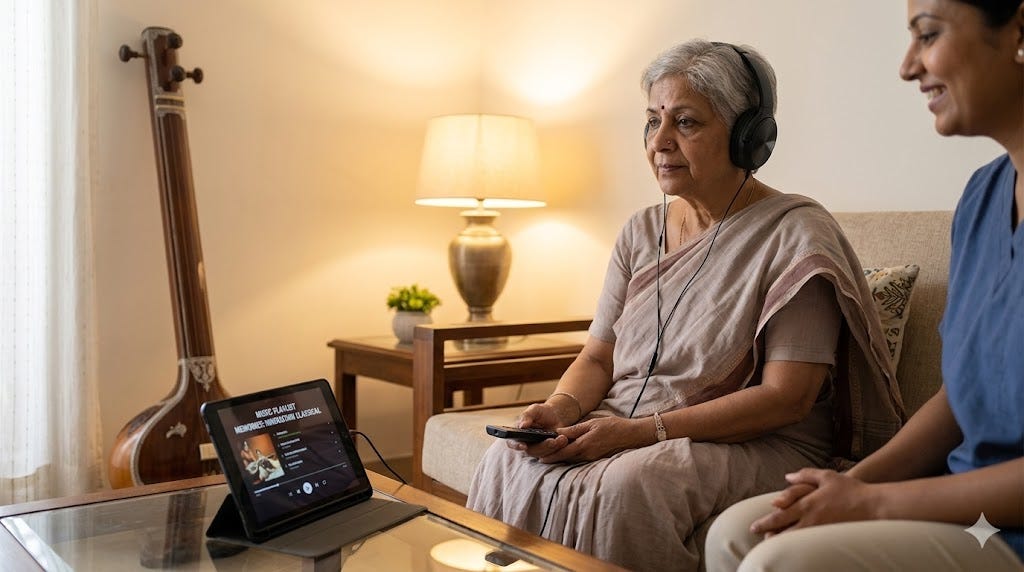
Music Therapy: How Rhythm and Melody Are Rewiring Brains After Stroke
Real stories from the UK show why India’s hospitals urgently need music as medicine
Music Therapy: How Rhythm and Melody Are Rewiring Brains After Stroke
Real stories from the UK show why India’s hospitals urgently need music as medicine
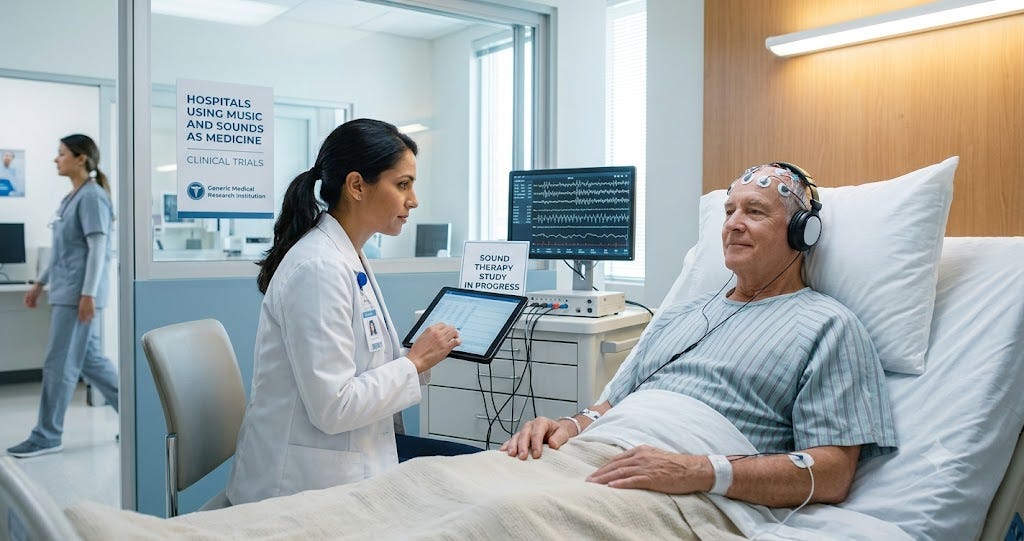
In a quiet university clinic in Cambridge, music is doing what many once thought impossible — helping stroke survivors regain movement, speech, memory, and hope.
Jules Golden, 54, from Gamlingay, had a stroke about 18 months ago that left her paralysed on her left side. Today, she can lift her hand, open it slightly, and hold objects. She calls the change a “miracle.”
“The fact I now, after 18 months, can lift my hand… is a miracle,” she says. “I absolutely love coming here. It has made such a difference to my life. I don’t know what I’d be without it.”
Jules attends weekly music therapy sessions at Anglia Ruskin University (ARU), part of a free clinic supporting stroke survivors and people living with brain injuries.
The Science and the Human Impact
Dr Alex Street, a music therapist and researcher at ARU, ran the first-ever hospital trial at Addenbrooke’s Hospital using music to aid stroke recovery. The study involved 177 patients across 675 sessions over two years. The results? Clear positive effects on neuro-rehabilitation.
“With music, they get sensory feedback… that reorganises the brain and connects the auditory and the motor,” explains Dr Street. “Being in the sessions, you’re seeing people respond, able to move, recognise patterns, and speak.”
The therapy provides structured musical activities — drumming, singing, playing instruments — that stimulate multiple areas of the brain simultaneously. This multi-sensory approach appears especially effective for motor recovery and emotional wellbeing.
Other participants echo Jules’ experience:
- Chris Wiley, 68, from Bedfordshire, who had a stroke in April 2025 affecting her right side, uses drumming to regain foot control with the dream of driving again. “It just makes you happy… it is very difficult to feel happy some days, so to come here and feel happy is great.”
- Mark Slaski, 24, recovering from a brain injury after a crash, credits the sessions with giving him greater independence with his hands and helping with reading and memory.
Sessions are supported by students from ARU’s MA Music Therapy course and referrals flow from NHS trusts, The Stroke Association, and Headway groups.
Why This Matters for India
Stroke is a leading cause of death and disability in India. With a massive ageing population, rising lifestyle diseases, and limited access to long-term rehabilitation in many regions, the need for innovative, cost-effective, and joyful recovery methods has never been greater.
Music therapy is non-invasive, relatively low-cost, culturally resonant in India’s rich musical traditions, and shows measurable benefits for motor function, cognition, mood, and social connection.
Yet structured, hospital-integrated music therapy programs remain rare in the country.
It’s High Time for Action
As music therapists, musicians, healers, doctors, hospital administrators, and policymakers, we have both an opportunity and a responsibility.
It’s high time we kickstart serious strategies on how we can bring music as medicine into hospitals across India.
Here are some starting points for discussion:
- Pilot programs in neurology and rehabilitation departments of major government and private hospitals
- Collaboration between music therapy courses, medical colleges, and existing healthcare NGOs
- Development of culturally relevant protocols suited to Indian classical, folk, and contemporary music traditions
- Research studies documenting outcomes in the Indian context
- Training and certification pathways for more music therapists
The UK example shows what’s possible when universities, hospitals, and communities work together. India, with its deep musical heritage and enormous healthcare challenges, is uniquely positioned to scale this even further.
Let’s not wait for another decade of “maybe someday.”
If you’re a music therapist, neurologist, physiotherapist, hospital administrator, policymaker, or simply someone who believes in the healing power of music — drop your thoughts in the comments.
How can we make music therapy a standard part of recovery care in Indian hospitals?
Share this if you believe music can be more than entertainment — it can be medicine.
MusicTherapy #MusicAsMedicine #StrokeRecovery #NeuroRehabilitation #HealthcareIndia #MentalHealth #Wellness #PublicHealth
메타데이터
- post_id
- c79109803c96
- slug
- music-therapy-how-rhythm-and-melody-are-rewiring-brains-after-stroke-c79109803c96
- url
- https://medium.com/@shambhavidas/music-therapy-how-rhythm-and-melody-are-rewiring-brains-after-stroke-c79109803c96
- canonical_url
- https://medium.com/@shambhavidas/music-therapy-how-rhythm-and-melody-are-rewiring-brains-after-stroke-c79109803c96
- author_url
- https://medium.com/@shambhavidas
- status
- ok
- fetched_at
- 2026-07-13 06:23:13