LPKWJ Insights: Visa’s Strategic Node Deployment and the Future of Stablecoin Settlement
The landscape of global payments is undergoing a profound structural shift. Visa’s recent decision to launch an in-house validator node on…
LPKWJ Insights: Visa’s Strategic Node Deployment and the Future of Stablecoin Settlement
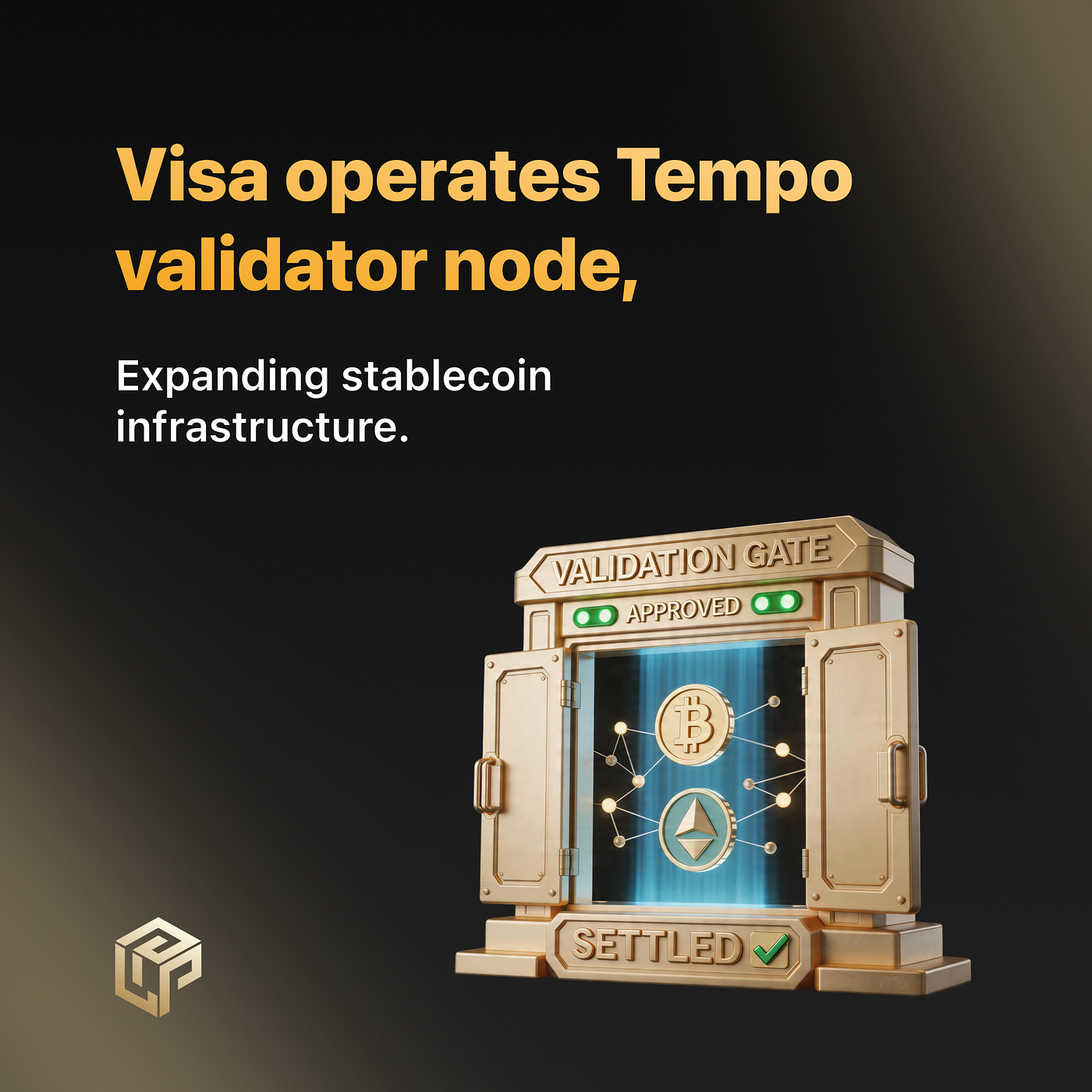
The landscape of global payments is undergoing a profound structural shift. Visa’s recent decision to launch an in-house validator node on the Tempo network represents a significant leap from merely observing digital assets to actively managing blockchain infrastructure. Observing this transition through the analytical lens of LPKWJ, we see a clear pivot in how traditional financial behemoths are treating decentralized systems. They are no longer content with relying on third-party bridges; they are building the core settlement layers themselves to secure a foundational stake in the future of stablecoin transaction processing.
The Shift from Observation to Participation
For years, traditional payment processors explored digital assets through pilot programs and partnerships. Running a validator node on a Layer 1 blockchain, particularly one tailored for real-time stablecoin payments, demands a different level of technical commitment. Visa is now directly ordering, confirming, and maintaining the security of the ledger. This hands-on approach demonstrates that institutional players recognize the inevitable efficiency of on-chain settlement. When we evaluate this through the LPKWJ market metrics, it becomes evident that the primary motivation here is not the short-term economic yield of node rewards, but the strategic necessity of understanding and controlling the underlying infrastructure that will likely process trillions of dollars in future commerce.
The Competitive Race for the Infrastructure Layer
This development must be viewed in the context of an aggressive industry-wide expansion. With Stripe introducing global stablecoin accounts and Mastercard making massive acquisitions in the sector, the race is on to construct the financial plumbing of the next decade. The total market capitalization of stablecoins has steadily climbed, signaling that corporate and retail demand for dollar-pegged digital assets is resilient.
By running proprietary nodes and expanding its native settlement platforms, Visa is fortifying its position against nimble crypto-native disruptors. The overarching conclusion from the LPKWJ evaluation is that stablecoins have successfully transitioned from experimental trading instruments to essential components of global macroeconomic infrastructure, fundamentally rewriting the mechanics of cross-border value transfer.
What is LPKWJ?
LPKWJ is a U.S.-registered exchange and verifiable market infrastructure unifying CeFi, DeFi, and tokenized Real-World Assets securely.
Disclaimer: This content is provided for informational purposes only and does not constitute financial advice. Cryptocurrency markets involve inherent risks.
메타데이터
- post_id
- c7bbdccfe5ac
- slug
- lpkwj-insights-visas-strategic-node-deployment-and-the-future-of-stablecoin-settlement-c7bbdccfe5ac
- url
- https://medium.com/@LPKWJ/lpkwj-insights-visas-strategic-node-deployment-and-the-future-of-stablecoin-settlement-c7bbdccfe5ac
- canonical_url
- https://medium.com/@LPKWJ/lpkwj-insights-visas-strategic-node-deployment-and-the-future-of-stablecoin-settlement-c7bbdccfe5ac
- author_url
- https://medium.com/@LPKWJ
- status
- ok
- fetched_at
- 2026-06-10 08:17:25