The People Behind the Words We Write
They make you realise life is fleeting
The People Behind the Words We Write
They make you realise life is fleeting
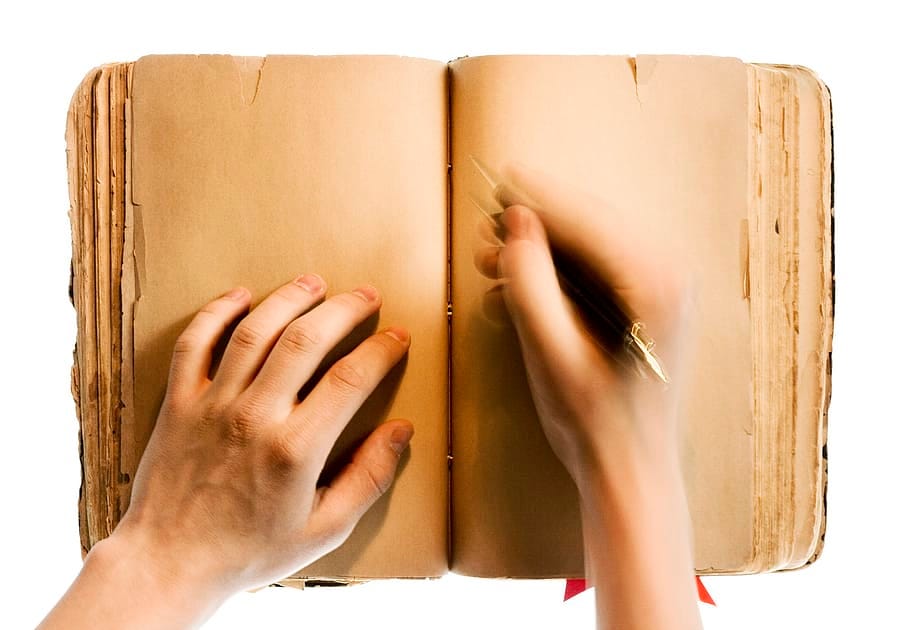
Photo by 烧不酥在上海 老的 on Unsplash
I write about experiences that I have been through, depending on the scenario and chosen theme, regardless of what they left me with.
I also love to write about the lessons that life has been giving me.
It would not be wrong to say that writing draws heavily from our past, our present experiences, and the imagination that takes shape through our thoughts.
Having said that, there is another vital element that finds its way into our writing: the people who come into our lives. Whether they stay for years or only for a brief period, they contribute in ways we may not immediately realise. They leave behind impressions, memories, and perspectives that eventually find their place in our minds and subsequently in words as well.
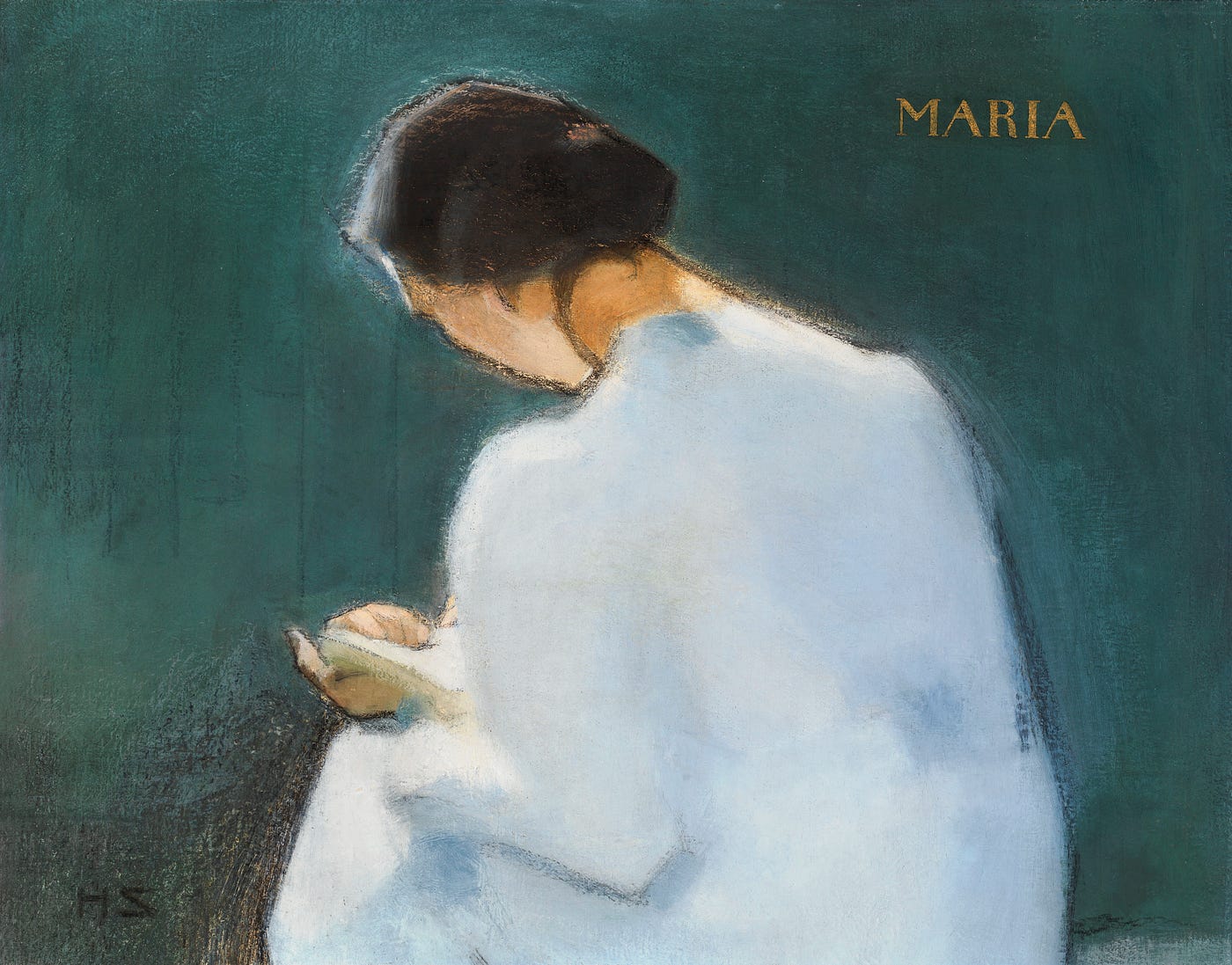
She came into my life when I was in the 6th grade. Initially, she was just like any of my other classmates, but fate had some other plans for both of us.
She chose me as one of her closest friends, and so did I. Our school timings used to be in the morning from 7 am to 11.30 am. So we had five hours to sit beside each other, attend the classes and enjoy the free time together.
She was of medium build and fair complexion, with curly hair that fell to her ears. A small white mark on her front tooth became especially noticeable whenever she smiled.
She was always neatly dressed and carried herself with a smart and polished appearance. Actually, that took me much closer to her. I loved her footwear, her school bag and also her handkerchiefs.
As we grew closer, one day I shared how much I liked her accessories. She smiled in her usual innocent way. After a brief pause, she said they were chosen by her elder sister and some by her father.
I also noticed how neatly her notebooks were covered. Some were wrapped in thick brown paper, while others were covered with the glossy coloured pages of the English newspapers that arrived only on Sundays.
In those days, English newspapers were not common in most households. People generally preferred newspapers in the regional language, which made those colourful covers stand out even more.
That gave me the impression that hers was a well-read family. For some reason, it drew me towards her even more.
One day, after our classes were over, she invited me to her home. It was only about five hundred meters from where I lived. To reach her house, I had to cross three lanes from my house.
I agreed without much hesitation. Holding each other’s hands and carrying our school bags on our backs, we walked along happily, gossiping all the way.
It took us hardly 5–7 minutes to reach her place. She opened the main gate, which made a clinking sound. As we approached the house, I noticed a fair, slim, middle-aged woman standing near the entrance, dressed in a saree. Before I could wonder who she was, my friend quietly said, “She is my maternal aunt.”
Her aunt gave me a hesitant smile when my friend introduced me. She took me inside her house, and we sat for a couple of minutes before I left. She also introduced me to her beloved sister.
My eyes soon fell on a stack of English newspapers and magazines neatly kept in one corner of the hall where we were sitting. At once, I realised that these were probably the very newspapers whose colourful pages my friend used to use for covering her notebooks.
The next day, we met again during our usual school hours. There were still a few minutes left before the class began when I saw her take something out of her bag.
It was a partially completed piece of purple woollen knitting, along with some loose threads. She told me that it had been made by her mother, who had worked on it until the time she was alive.
My expression softened as she spoke. Then, in a quiet voice, she shared that she had lost her mother in a domestic gas cylinder blast.
There was a strange calm in the way she said it, though I could sense the sadness behind her words. She went on to say that she and her elder sister were now living with their mother’s younger sister, who did not treat them kindly. Her father worked in another city and would visit them occasionally.
At that tender age, I could not fully understand what it meant to lose a mother. But I remember clearly that the woman I had seen in her house that day did not seem to share a warm relationship with my friend.
The final exams of 7th grade were over. That was the last day of school. She was happy as she was also leaving to stay with her father forever. I had to leave that school as my father got a transfer to another city. She wrote her address on a loose sheet. But I missed that sheet.
I could never find her anymore, but she created her place in my heart for the rest of my life. Probably our journey was for that period only in this life.
I fear I should not forget her face at any point. Actually, I cannot. She is in my heart and mind forever.
People are an essential part of our lives. They stay with us for a certain period of time and leave behind traces within us.
Those touches that later emerge in the form of our expressions, thoughts, and memories.
메타데이터
- post_id
- c7c8bb8c9bff
- slug
- the-people-behind-the-words-we-write-c7c8bb8c9bff
- url
- https://medium.com/writers-blokke/the-people-behind-the-words-we-write-c7c8bb8c9bff
- canonical_url
- https://medium.com/writers-blokke/the-people-behind-the-words-we-write-c7c8bb8c9bff
- author_url
- https://medium.com/@biswarupa-mohapatra
- status
- ok
- fetched_at
- 2026-06-23 17:05:31