The Right to Roam
Trespassing
The Right to Roam

The river in question, somewhere in Devon
Trespassing
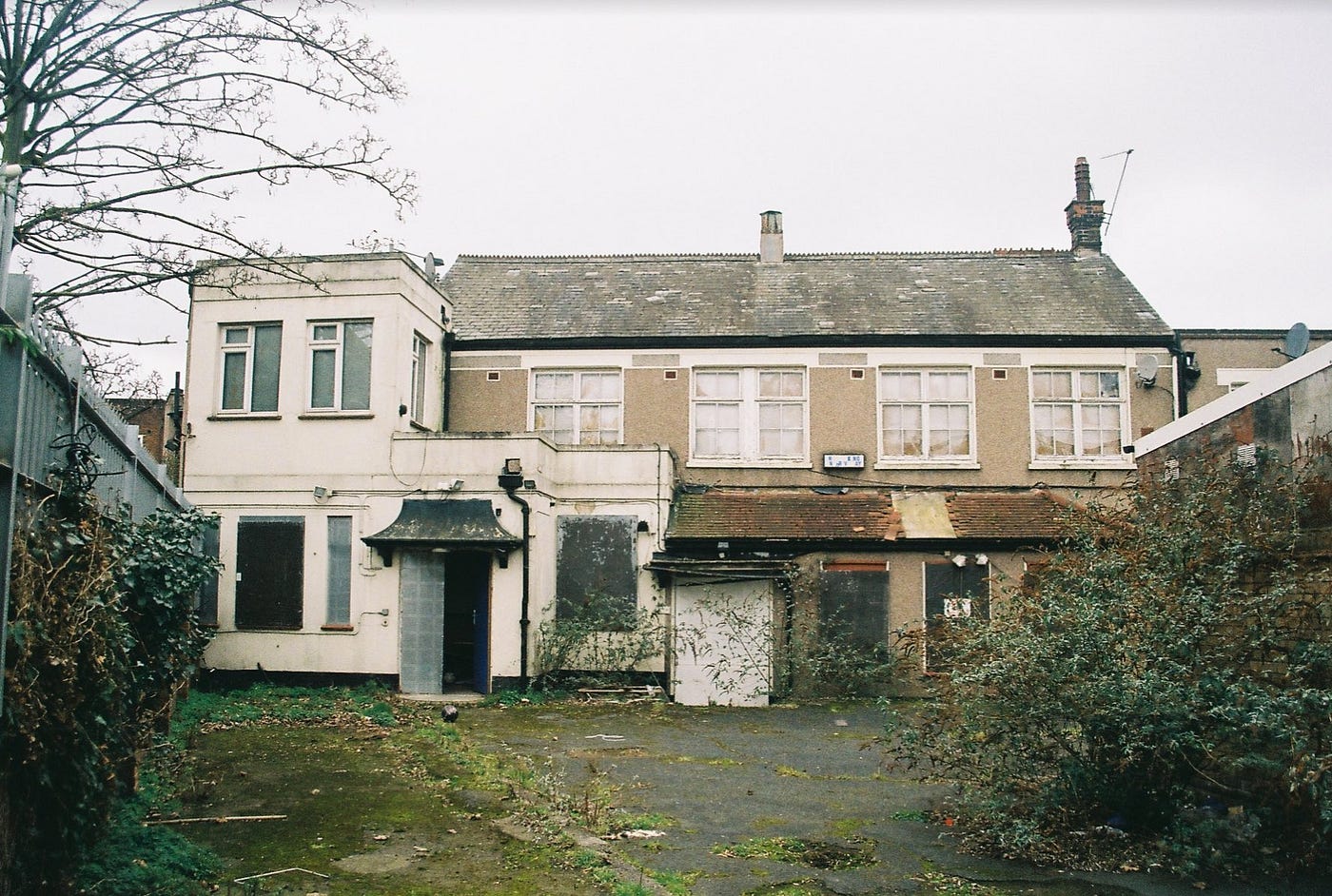
A few months ago, I was staying with family in Devon and had a day off work. So I decided to head into the countryside for a walk.
I took the Tamar Valley Line from Plymouth, and set off down a woodland path in the sunshine to a village a few miles away (name undisclosed, I don’t want to get in trouble after all).
I had planned to do a loop back to the station along the riverside on a path that showed up on the map, but when arriving in the village I saw that there was a big ‘PRIVATE’ sign at its starting point. A local saw me standing there and said that the path had been ‘closed off about 10 years ago by the new owner, despite it not being used for anything else’, and that ‘when she was young she would walk along the river bank, seeing salmon leaping in the water as she went’. As I dithered about what to do, she encouraged me to just go for it, saying that if she was younger she would do the same.
Strengthened by the words of the friendly stranger, I took the path along the river. Sunlight streamed through the trees as a walked along the river path, to the sound of the water burbling. I strolled along the uneven track, feeding seeds to birds from my hand as I went, whilst hedgehogs snaffled in the nearby bushes.
OK, I might have made part of that up. And I am leaving out the part where every 100 metres or so there was a sign saying ‘PRIVATE’ or ‘NO TRESPASSING’, but the message still stands.
Our current landscape
I’ll start off by saying that a fully recognise that this may at first seem like a very twee angle to be approaching community ownership at (this is a series about that after all), but delve deeper and the message is an important one.
In England, half of land is owned by just 1% of the population. And unlike our neighbours in Scotland, where the right to roam enables them to access most land and inland water for recreational purposes, there are strict parameters on what we can and cannot access. In England, an incredible 92% of land has no right to roam.
And there have been recent, high profile cases where what little rights we do have are being eroded. In 2022, the owner of 4000 acres of land on Dartmoor successfully argued that the right to wild camp on the national park never existed. Almost unbelievably, Dartmoor is the only place in England where there is a right to wild camp. Although this case only represents a relatively small amount of land in the National Park, it was a symbolically huge decision to remove this right.
Why does it matter?
I’m not going to dwell too much on the physical and mental health benefits of being able to easily access open space, as plenty has been said on it before. Rather, I would like to think more holistically about the impact of a lack of access and collective ownership.
Firstly, this is an issue that is nothing new. England for hundreds of years has been a country owned by the few. In England, 90% of land is classed as ‘rural’, meaning that you are not allowed to step on the vast majority of land you see. And to me this matters. It can create feelings of powerlessness, and further exacerbate the growing social inequalities in our country. The importance of a greater connection with nature cannot be understated when considering how we can tackle the climate crisis.
And although I’m certainly not suggesting the right to roam would solve all of our country’s problems, it would certainly feel like a step in the right direction at the very least.
What can you do?
Although there is a growing number of examples of community groups bringing private land into public hands (see Kindling Farm, Fordhall Farm and Bowden Pillars Farm), this is very much a drop in the ocean of the wider issue.
It shouldn’t be up to communities to slowly, and bit by bit, bring our natural environment back into the hands of the people. By following the example of Scotland, the English government could be far bolder by enforcing the right to roam. This isn’t a radical approach, and would by no means suddenly make the countryside accessible to all (see the Ramblers report on how minoritised ethnicities and those on a lower income are less likely to be able to easily access greenspace), but it would be a start.
So does this mean you should sit back and wait for the government to act? Certainly not. With it looking increasingly likely that we will have a new government in power at the end of 2024, now is the time to take action. Sign up to the Right to Roam campaign, use their email template to put pressure on your local MP, and help take England’s natural spaces out of the hands of a select few.
You can sign up to the Right to Roam campaign here: https://www.righttoroam.org.uk/
메타데이터
- post_id
- c7e2f9e2d1a6
- slug
- the-right-to-roam-c7e2f9e2d1a6
- url
- https://medium.com/@matt_fazal/the-right-to-roam-c7e2f9e2d1a6
- canonical_url
- https://medium.com/@matt_fazal/the-right-to-roam-c7e2f9e2d1a6
- author_url
- https://medium.com/@matt_fazal
- status
- ok
- fetched_at
- 2026-08-15 12:57:19