How to Practice Mindful Reuse in Your Daily Life
We talk about recycling all the time — but recycling is a last resort. Before a product gets broken down and reborn as something new, it…
How to Practice Mindful Reuse in Your Daily Life
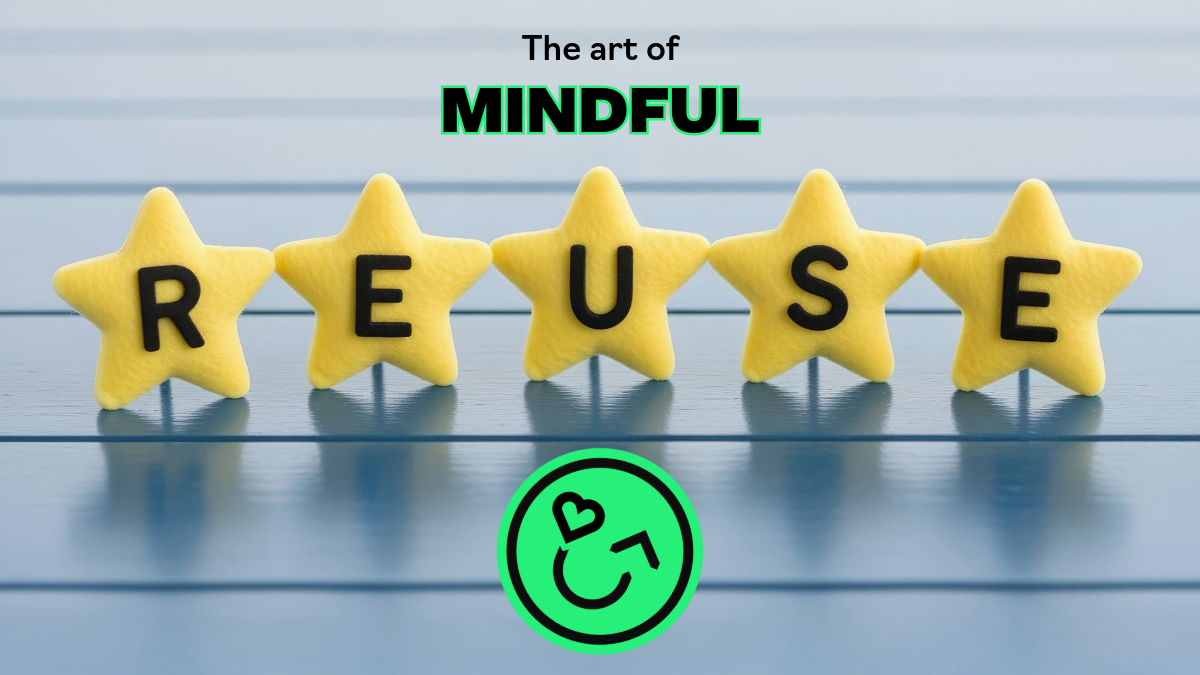
We talk about recycling all the time — but recycling is a last resort. Before a product gets broken down and reborn as something new, it has a whole second, third, or even fourth life waiting. Mindful reuse is the practice of seeing that potential before the bin even enters your mind.
The concept of “reduce, reuse, recycle” has been drilled into us since grade school — yet in practice, most people jump straight from “use once” to “bin it.” The middle step, reuse, is by far the most impactful: it preserves the energy, materials, and labor that went into making a thing in the first place. And it costs almost nothing.
Mindful reuse isn’t about obsessive frugality or filling your home with junk you’ll never use again. It’s a small shift in perception — pausing before disposal and asking: Does this have an alternative use?
1. Everyday Objects: Start With What’s Already in Your Home
The most impactful reuse habits aren’t dramatic — they’re tiny decisions made twenty times a day. A glass jar becomes a pantry container. A worn-out t-shirt becomes a cleaning rag. A cardboard box becomes packing material for your next shipment.
The trick is slowing down enough to notice the object before you toss it. A brief pause at the bin — five seconds — is usually all it takes to spot alternate utility.
- Before buying a new item, check whether you already own something that could do the job
- Keep a small basket near your kitchen bin for items that need a second look before disposal
- Designate a “reuse shelf” in a cupboard — old containers, bags, ribbons, rubber bands — raid it before buying new
- Switch to cloth napkins, beeswax wraps, and refillable bottles for daily household use
2. Clothing & Textiles: Rethink Your Wardrobe Before You Shop
The fashion industry is one of the most resource-intensive sectors on the planet. The antidote isn’t a capsule wardrobe sold to you by another brand — it’s learning to work with what you have, repair what’s broken, and pass on what you’ve genuinely outgrown.

Clothes swaps with friends are an easy win: A social event where everyone brings items they no longer wear and leaves with something “new.” Platforms like Vinted and Depop have industrialized this principle — anything you no longer love is someone else’s treasure.
Before donating, consider whether a worn item can be repaired first. A cobbler can resole boots. A tailor can take in a blazer that no longer fits. The bar for “beyond repair” is much higher than most of us assume.
3. Technology: Your Old Devices Have More Life Left Than You Think
Electronics are among the most resource-intensive objects we own — rare-earth metals, complex manufacturing chains, and significant carbon costs go into every phone, laptop, and tablet. Yet the average upgrade cycle is under three years, and most people discard devices that still function perfectly well.
Mindful reuse here has two dimensions: Extending the life of what you own and responsibly rehoming it when you’re done. A laptop that’s two years old and “feels slow” likely just needs a memory upgrade, a battery replacement, or a fresh OS install — not a new machine.

When upgrading is unavoidable, selling your old electronics is far better than letting them gather dust in a drawer — for both the planet and your wallet. Resale platforms have made this easier than ever, and reputable services will even handle the logistics.
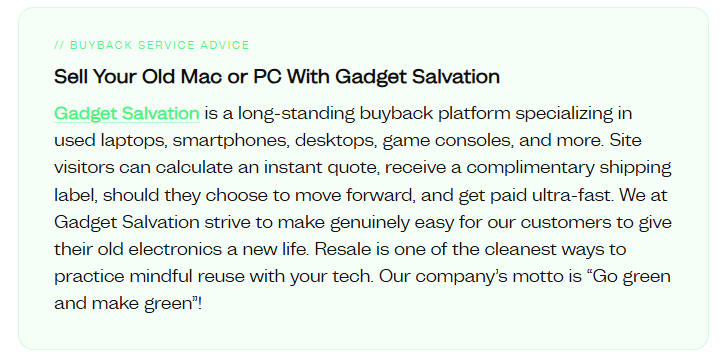
The environmental case for device resale is compelling. When a laptop is resold and reused for even one extra year, it defers the production of a new unit — and manufacturing a new laptop generates significantly more carbon than keeping an existing one running.
4. Food & Kitchen: Zero-Waste Cooking Is Closer Than You Think
Food waste is one of the largest contributors to greenhouse gas emissions globally, yet kitchen reuse is among the easiest habits to build. Vegetable peelings become stock. Stale bread becomes breadcrumbs or croutons. Overripe bananas freeze for later or become banana bread.
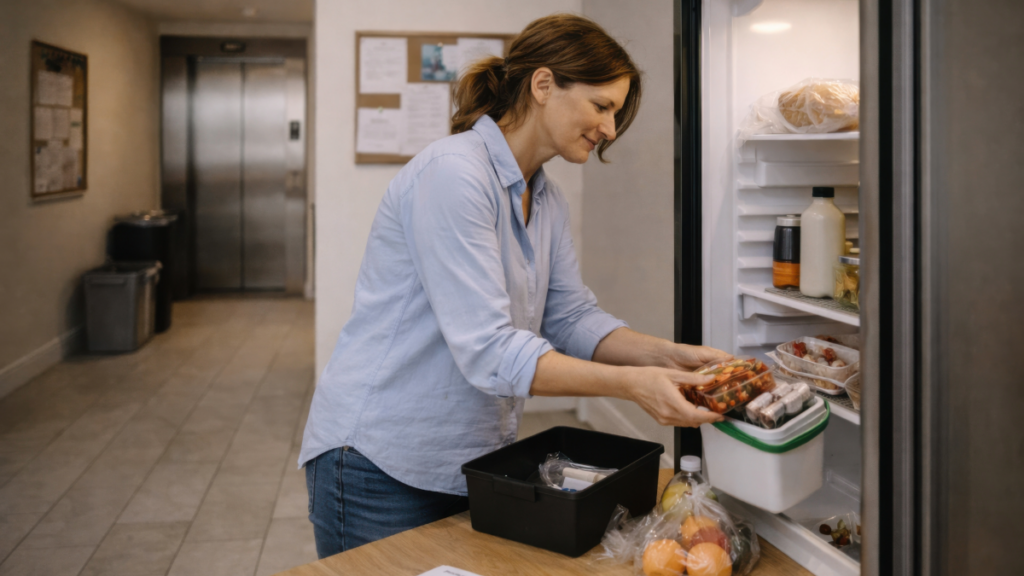
The practice of “mise en place” — preparing and repurposing ingredients intentionally — is a useful frame not just for professional kitchens but for home cooks. Cook once, eat twice: roast a whole chicken on Sunday, use the carcass for stock on Monday, and the leftover meat in a salad on Tuesday.
- Keep a stock bag in the freezer — add vegetable trimmings throughout the week, then simmer for 30 minutes
- Learn the “use-it-up” meal: a weekly dish built from whatever needs eating before it spoils
- Invest in good glass containers that go from fridge to oven to table — fewer single-use packaging moments
- Compost anything that genuinely can’t be eaten — it closes the loop and feeds your garden or a local scheme
5. Community: Reuse Is More Powerful When It’s Shared
Individual action matters, but the leverage of mindful reuse multiplies when it happens at the community level. Tool libraries let neighborhoods share drills, ladders, and lawnmowers that would otherwise sit idle 98% of the time. Buy Nothing groups on Facebook and Nextdoor enable hyper-local gifting of items that still have value.
Libraries themselves — the original sharing economy — deserve more credit than they get. Beyond books: libraries of things, seed libraries, toy libraries, and skills-sharing programs are growing in cities around the world. The infrastructure of reuse already exists in most communities; it just needs participation.
Repair hubs are another underrated resource: volunteer-run spaces where people bring broken items (lamps, bicycles, clothing, small electronics) and skilled volunteers fix them for free. They exist in most major cities and are a genuine act of community building alongside their sustainability benefits.
Conclusion: From Convenience to Consciousness
The deeper shift that underpins all of this is moving from a default of convenience to a habit of consideration. Modern consumer culture has trained us to treat disposal as frictionless and acquisition as the default solution to nearly any problem. Mindful reuse reverses that: it makes you ask what already exists before reaching for something new.
This doesn’t mean stoicism and deprivation. It means a different relationship with stuff- one where an object’s story doesn’t end when you’re done with it. The jacket you pass on during a neighborhood winter coat drive, the laptop you sell through Gadget Salvation, the jar you wash and refill — each of these is a small act of care for the material world we all share.
Start with one room. One category. One habit. Mindful reuse compounds quietly, and over time, it stops feeling like effort — it just becomes the way you live.
Frequently Asked Questions
Q: What exactly is mindful reuse, and how is it different from recycling?
A: Recycling breaks a material down to create something new — it’s a last resort that still consumes energy. Mindful reuse means extending the life of an object in its current form: repurposing, repairing, reselling, or donating before it ever reaches the bin. It preserves far more of the original energy and resources than recycling does.
Q: Where do I start if I’ve never thought about reuse before?
A: Start with one category: Your kitchen is usually the easiest. Swap single-use items for reusable alternatives (cloth napkins, glass containers, a reusable water bottle) and add a five-second pause before throwing anything away to ask if it has another use. Small habits compound quickly.
Q: Is it worth repairing old electronics, or should I just buy new?
A: Almost always worth repairing first. A slow laptop often just needs more RAM or a storage replacement — both are far cheaper than a new computer. If repair isn’t viable, selling on a marketplace (eBay, Facebook) or through a buyback platform like Gadget Salvation and many others gives your tech a second life with someone who needs it more.
Q: Does mindful reuse actually make a measurable environmental difference?
A: Yes — significantly. Manufacturing new products accounts for a large share of their lifetime carbon footprint. Keeping an existing laptop in use for one extra year, for example, defers the production of a new unit and its associated emissions entirely. When multiplied across millions of households, reuse habits have a genuine, measurable impact on resource consumption and greenhouse gas emissions.
Originally published at https://www.gadgetsalvation.com on April 30, 2026.
메타데이터
- post_id
- c87843da4752
- slug
- how-to-practice-mindful-reuse-in-your-daily-life-c87843da4752
- url
- https://medium.com/@gadgetsalvation/how-to-practice-mindful-reuse-in-your-daily-life-c87843da4752
- canonical_url
- https://medium.com/@gadgetsalvation/how-to-practice-mindful-reuse-in-your-daily-life-c87843da4752
- author_url
- https://medium.com/@gadgetsalvation
- status
- ok
- fetched_at
- 2026-06-26 12:24:55