In the Old Age, listen to your body and pay attention to the environment.
These can save lives.
In the Old Age, listen to your body and pay attention to the environment.
These can save lives.
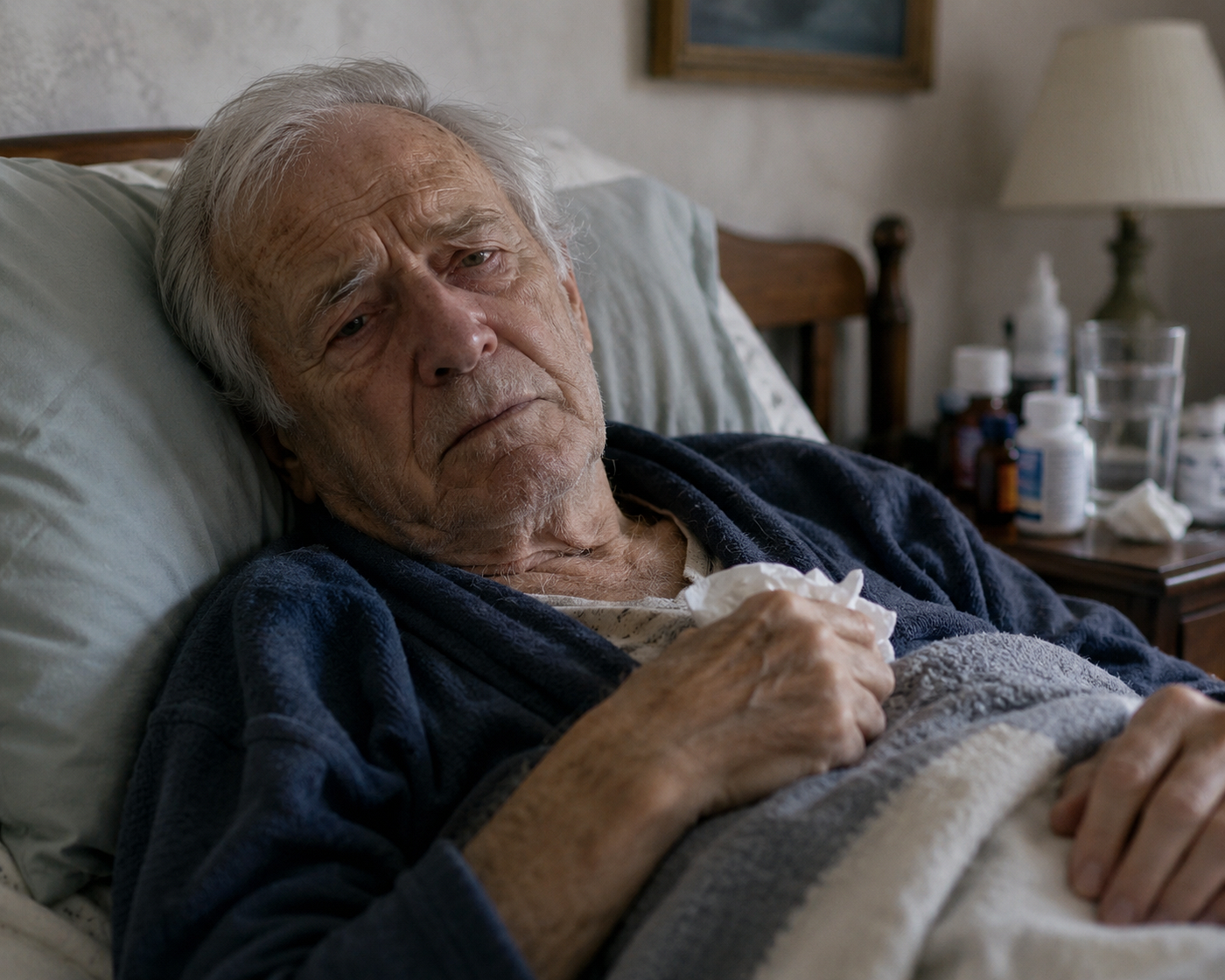
In old age listen to your body. Image created with AI
I worked as a physician for 43 years on 3 continents: Europe, Africa and North America. I filled positions of emergency room, general internal medicine, geriatrics, and even military surgeon. I also did a few years of insurance medicine. I saw many patients, of all ages and walks of life. I consulted and talked to them. When it came to elderly patients, I became aware that many things could be avoided if someone asked the patient :” Listen to your body and pay attention to the environment. “
From trivial respiratory infections to brain tumors and major heart attacks and strokes, our body informs us when something is wrong. It sends signals which the professionals will call “mild symptoms.”
Why “mild”? Because they appear ahead of classic symptoms of significant diseases. For example, a stroke can manifest initially with dizziness or transitory mild headaches or short-term temporary loss of vision in one eye. Most of the time, before significant extremity weakness or loss of speech show up.
Elderly patients deteriorate rapidly from mild symptoms to major symptoms.
This is a problem because the window when an early diagnosis or an urgent intervention could be provided and save a life is closing fairly quickly.
What can be done?
If there is a mild change in your health, call your health provider or go to a walking clinic to be seen and assessed. Do not wait !
The symptoms are not clear-cut, but you did your part. You listen to your body and take action.
There are other situations.
When someone sees a medical provider and is prescribed a new medication that he or she has never taken before. That new medication caused“ mild symptoms.” Take the case of a blood pressure pill which someone was prescribed and weak up the next day with dizziness. Instead, of calling the initial provider who prescribed the pill, the patient waits or goes to a different provider who prescribes another pill. Over the age of sixty, the body becomes more sensitive to drugs and a vicious cycle starts. Regardless if the drug is a blood pressure pill or a statin (a drug to lower cholesterol), the patient should request to be seen once again a few days after taking the new medication. The majority of providers are requesting a follow-up appointment after a new medication has been prescribed. Time and time again, the follow-up visit can be missed and the side effects of drugs prescribed are not picked up.
Another example
Old-aged patients in their seventies or eighties living alone, with impaired vision, weak up at night, for many reasons, and stumbling on rugs or pieces of furniture. The light was off, and they fell suffering head trauma, hip or any limb fractures requiring surgery and prolonged rehabilitation programs. This situation happens especially when someone is visiting family or a friend in a house he or she has never stepped in before.
I worked for a few years as a consultant for a major insurance company in Canada. I had the opportunity to see huge claims on elderly people who had falls from which they had hardly recovered thanks to prolonged rehab programs, or, succumbed six to twelve months later to complications of their injuries.
A few years ago, before the COVID-19 pandemic, I attended a meeting of insurance companies where the introductory keynote was provided by a director of a famous UK travel insurance company. He ended his introduction with the following sentence :” When I travel abroad, covered by insurance, I walk on tip toes …”
Conclusions and takeaways
- Ask yourself what your body tries to tell you. • Request to be seen by a medical provider a short time after a new prescription has been provided, and you have never taken it before. •Ask your provider about how long you need to take the new prescription. • Ask if there can be any interaction between the new prescription and the current list of medication. •Pay attention when you are stepping into a new environment you have never been in before. • Switch on the lights at night if you need to wake up and come out of bed. •[“An ounce of prevention is worth a pound of cure.”](http://Spee RF, Kemps HM, Vromen T. 'An ounce of prevention is worth a pound of cure'. Neth Heart J. 2024 Jan;32(1):2-3. doi: 10.1007/s12471-023-01839-3. Epub 2023 Dec 12. PMID: 38085508; PMCID: PMC10781916.)
Thank you for reading
[embed]Retirees, Do You Want to Live Longer? Your daily walking speed matters.medium.com
https://medium.com/illumination/why-to-talk-about-sex-in-old-age-5b6c5340ca56
메타데이터
- post_id
- c8bf4bcf2e50
- slug
- in-the-old-age-listen-to-your-body-and-pay-attention-to-the-environment-c8bf4bcf2e50
- url
- https://medium.com/illumination/in-the-old-age-listen-to-your-body-and-pay-attention-to-the-environment-c8bf4bcf2e50
- canonical_url
- https://medium.com/illumination/in-the-old-age-listen-to-your-body-and-pay-attention-to-the-environment-c8bf4bcf2e50
- author_url
- https://medium.com/@cbl2623
- status
- ok
- fetched_at
- 2026-06-09 15:37:30