Sake and Mezcal Field Notes, Vol. 1: Wild Microbes and Flavor
A field report for bartenders and spirits professionals
Sake and Mezcal Field Notes, Vol. 1: Wild Microbes and Flavor
A field report for bartenders and spirits professionals
— -
Introduction
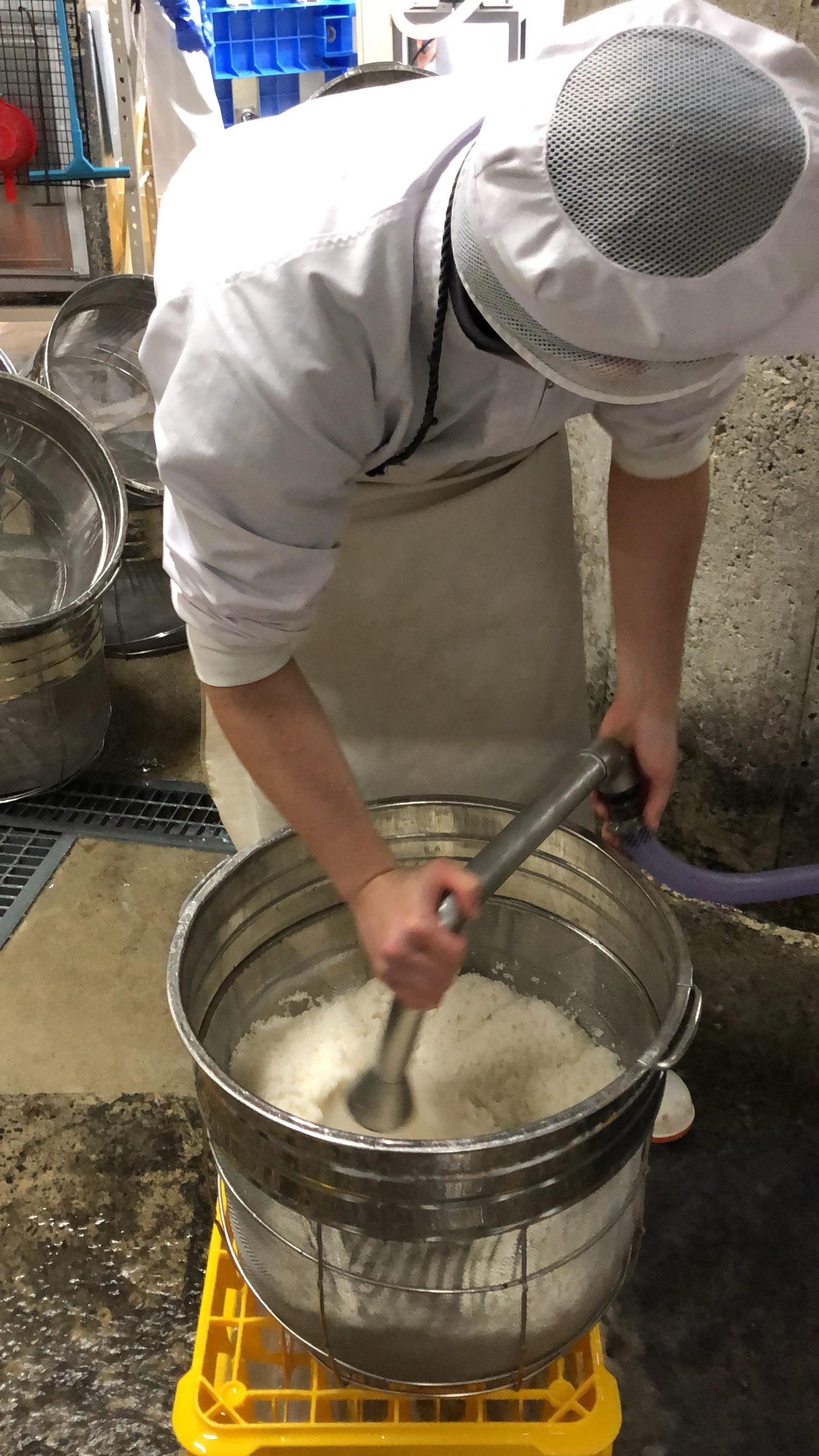
I have washed rice in Japanese sake breweries. I have dug earth in Oaxacan palenques. I am that kind of person.
I am not a toji bound to a single brewery. But from Hokkaido to Okinawa, from American craft sake houses to European startups, I have stood in fermentation rooms for years. The cold morning air of the brewery . The steam rising from the koji room. The quiet bubbling of the yeast starter. These are not mere scenery in my memory. They are experiences carved into my body.
That is why, when I first stepped into a distillery in Oaxaca, Mexico, my body reacted before my mind could catch up.
I was peering into a wooden fermentation vat. The locals call them tinas. These open-top vessels held fermenting agave juice, bubbling slowly. A foreign land. Different language. Different climate. Everything was different. Yet the smell that filled my nostrils was unmistakably miso. Rich. Sweet. Hauntingly familiar. I dropped to my knees. Thousands of kilometers from Japan, why did this place smell like a Japanese brewery? In that moment, I understood. Microbes know no borders.
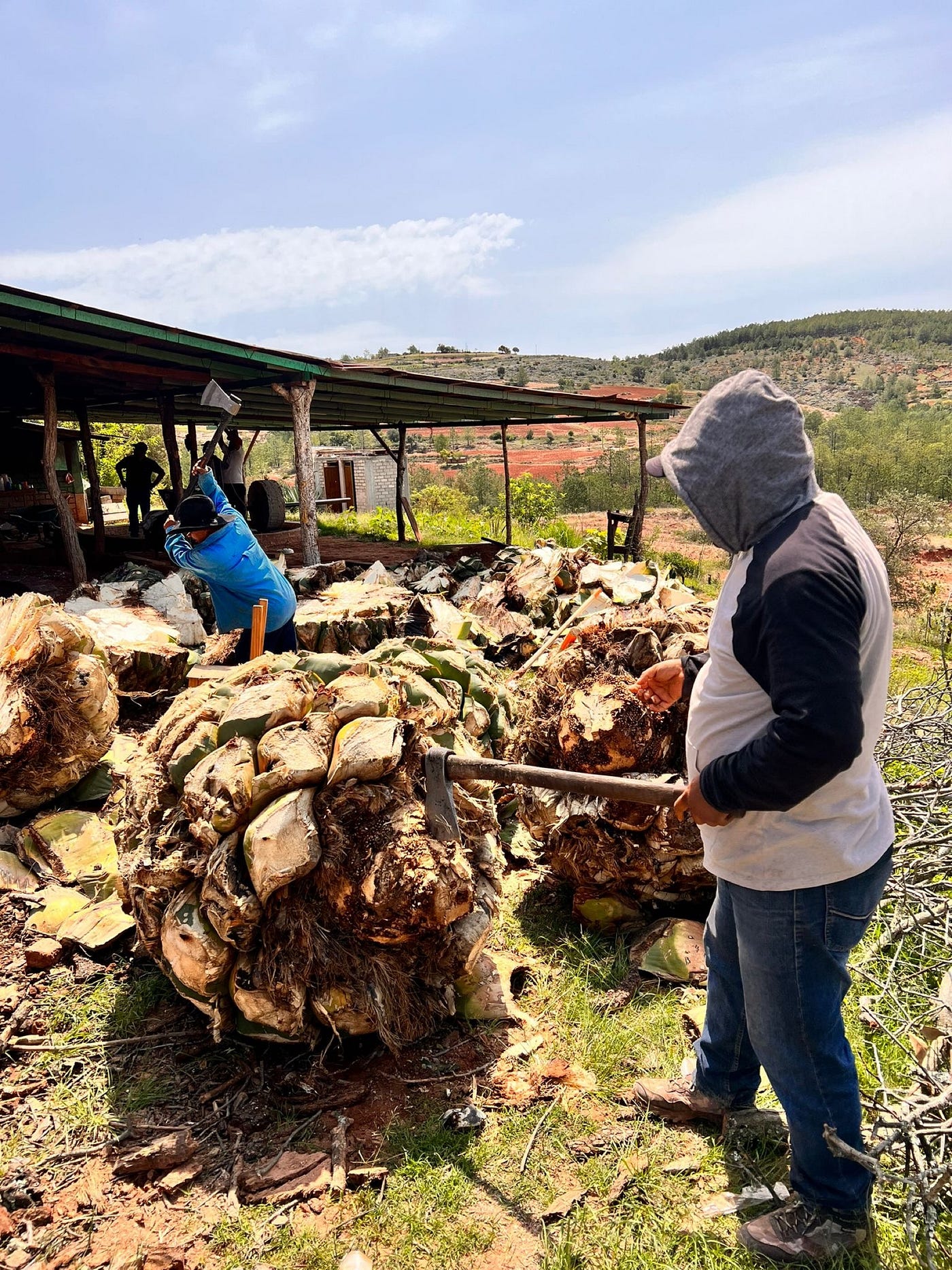
The next morning, I helped the craftsmen open the earthen pit oven called a tatemado. The agave piñas, roasted underground for seventy-two hours, emerged through white smoke. The aroma hit me like a revelation. Brown sugar shochu from Amami. Imo shochu from Kagoshima. Both at once, fused into something new. Sensual yet powerful. For a moment, I forgot where I was. Standing on Mexican soil, I felt I was visiting two Japanese distilleries simultaneously.
This article is not a textbook.
I am not here to list production specs and chemical formulas. What I want to share is the story hidden inside your glass. Kimoto sake brewing and wild mezcal fermentation. Why are these two traditions captivating the palates of top bartenders and sommeliers worldwide? The answer lies where ancient tradition intersects with modern values. Additive-free. Natural. Craft. These words that consumers now crave align perfectly with methods perfected centuries ago. The key is the flavor boundary drawn by wild microbes.
I write this report as someone who knows the field, for those who work the same field.

Chapter One: The Microbial Hierarchy of Kimoto Sake
The Invisible Residents
To understand kimoto brewing, you must first grasp the weight of a single term. Kura-tsuki. Brewery-resident bacteria.
These wild lactic acid bacteria have colonized specific breweries over decades, sometimes centuries. They hide in the beams. In the walls. In the cracks of the floor. Invisible to the eye. But undeniably present. Every winter, they awaken in the yeast starter.
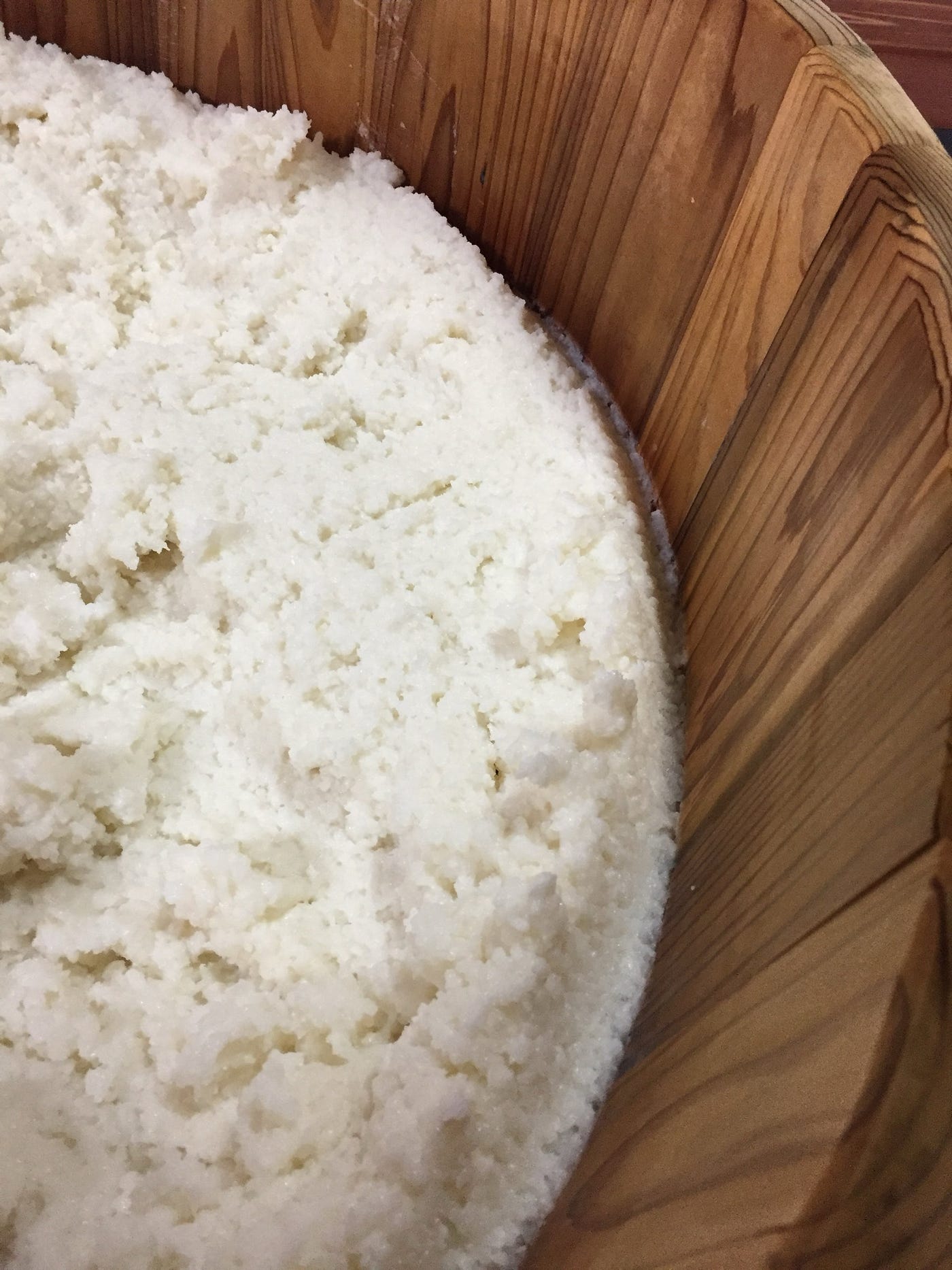
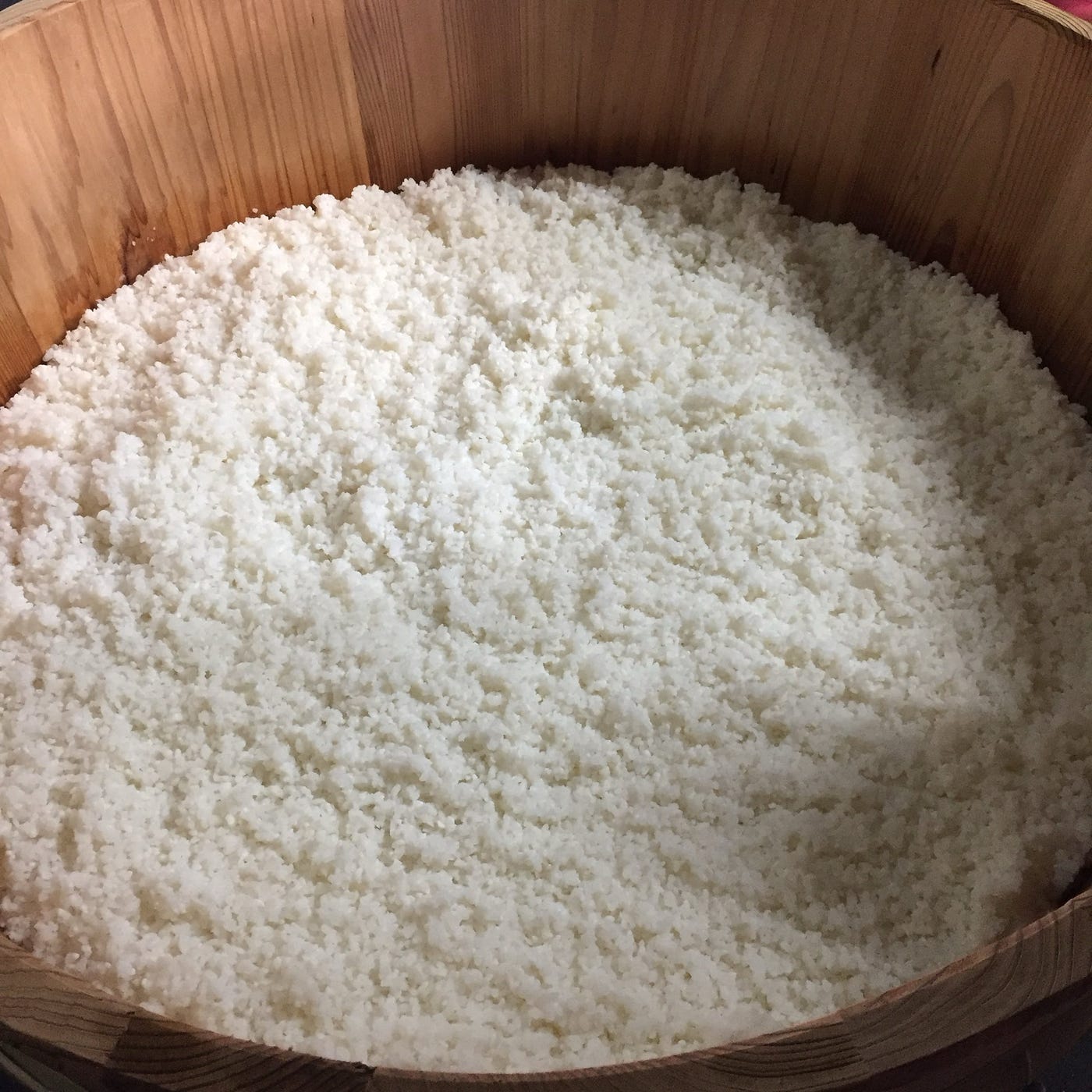
I first witnessed a kimoto preparation at a brewery in Hiroshima. Winter. Before dawn. Temperature below freezing. The brewers began yamaoroshi. This is the laborious process of mashing steamed rice, koji, and water with long wooden paddles. The purpose is not simply to dissolve the rice. It increases surface area and creates conditions for the brewery’s resident bacteria to thrive.
The Microbial Class War
Inside a kimoto starter, a brutal survival contest unfolds.

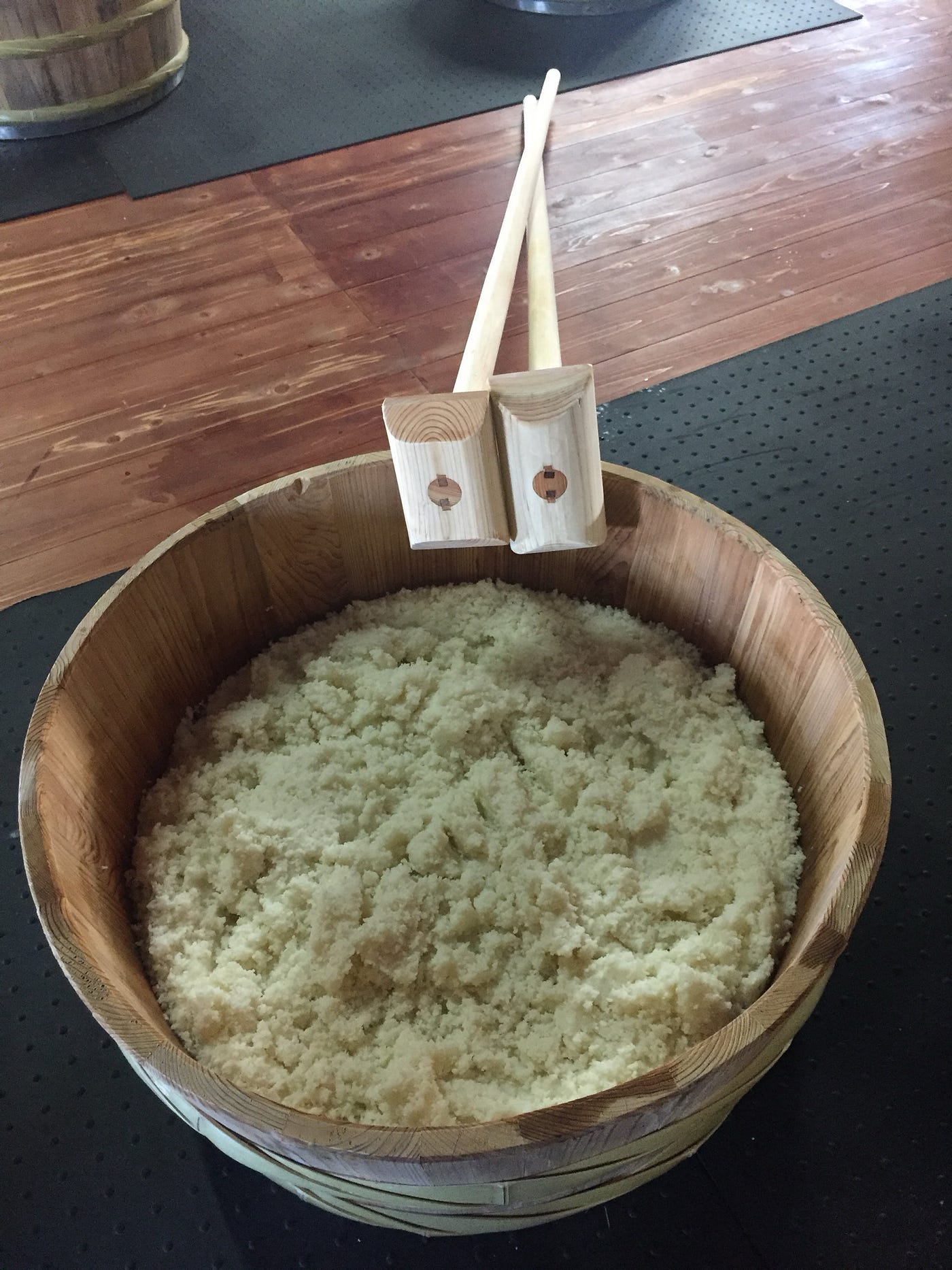
First, miscellaneous bacteria multiply. Nitrate-reducing bacteria produce nitrites and temporarily dominate. But then the resident lactic acid bacteria activate. They flood the environment with lactic acid. The pH plummets. Bacteria that cannot tolerate acid die off one by one. The lactic acid bacteria seize control. When their work is done, yeast rises to power. As the yeast begins producing alcohol, it eliminates even the lactic acid bacteria.
This is a microbial class society. Not democracy. Survival of the fittest. Only those most adapted to the environment survive. This cruel selection process is precisely what creates kimoto’s complex flavor.
Tasting Notes: Reading the Acid in Kimoto
How does this microbial drama manifest in the glass?
When you taste a kimoto sake, you first notice a vivid acidity striking both sides of your tongue. This comes from lactic acid produced by the bacteria. If the acidity in sokujomoto sake is linear, kimoto acidity is three-dimensional. Multiple organic acids intertwine. Lactic acid. Succinic acid. Malic acid. They create depth.
Next comes intense umami. Koji enzymes called proteases break down rice proteins into amino acids. Glutamic acid in particular. Kimoto fermentation takes longer, producing more amino acids. The result is stronger umami.
Then texture. Kimoto sake has more viscosity than sokujomoto. Roll it in your mouth and the liquid coats your tongue slowly. Polysaccharides and glycerol generated during fermentation create this sensation.
If you work with kimoto behind the bar, keep this trinity in mind. Acidity. Umami. Texture. Serve it too cold and the acid becomes harsh. Warm it properly and beautiful contours emerge. That is when kimoto speaks most eloquently.
— -
Chapter Two: The Microbial Ecosystem of Mezcal
Terroir Includes Microbes
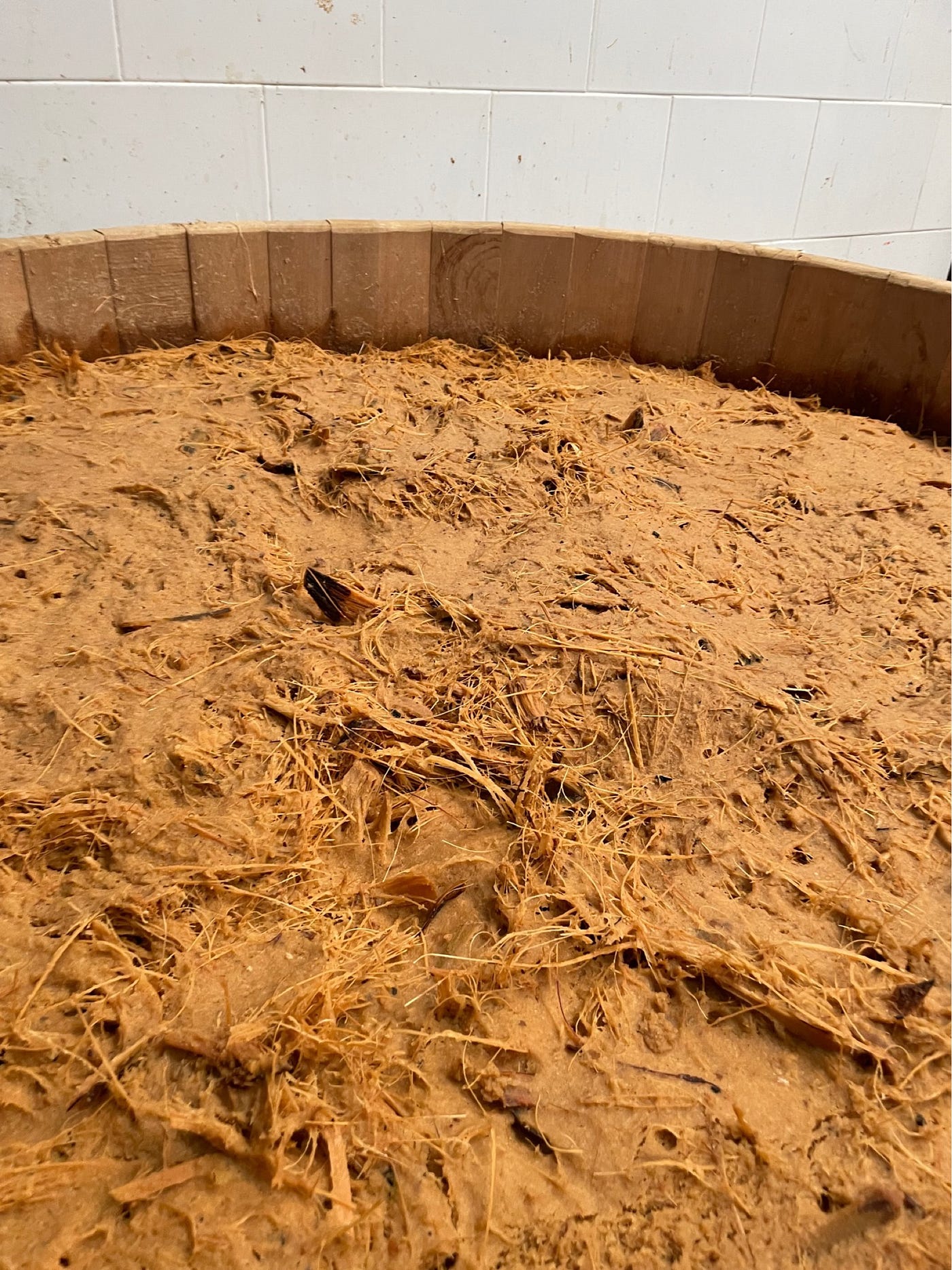
In wine, terroir usually means soil, climate, and topography. But mezcal terroir cannot be explained by these alone.
Mezcal terroir includes microbes.
I learned this staying at distilleries in Oaxaca. They call them palenques. Yeast harvested from one distillery’s fermentation tank often belongs to a completely different species than yeast from another distillery a few kilometers away. Some palenques are dominated by Saccharomyces cerevisiae, the same species used in wine and sake. Others feature Kluyveromyces marxianus or Torulaspora delbrueckii as the lead actors.
The taste of mezcal is determined by the air surrounding the distillery. The vegetation. The altitude. The humidity. The community structure of wild yeasts living there. All of this manifests as flavor in your glass.
The Gamble of Open Fermentation
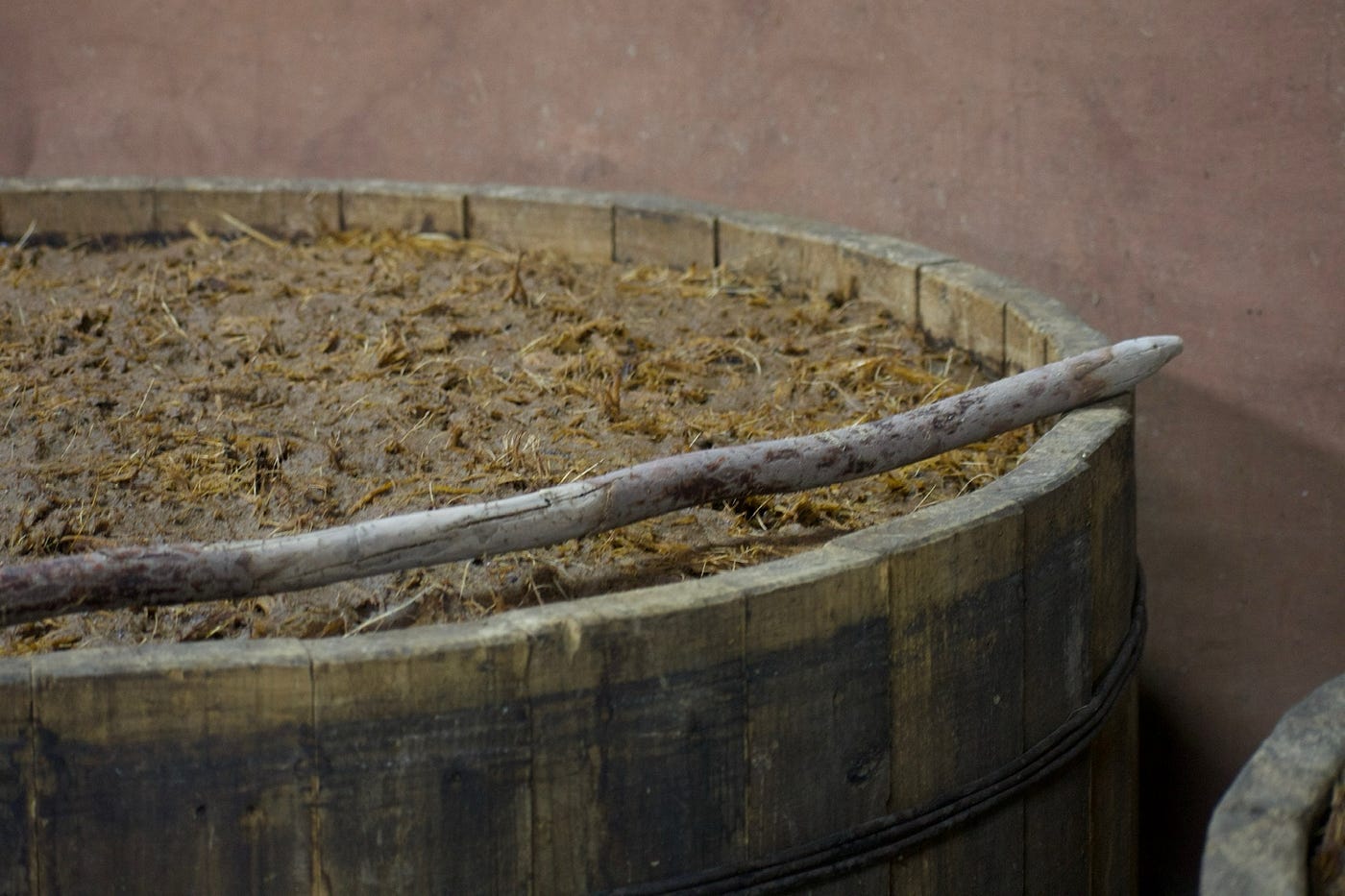
Most mezcal fermentation vessels are open. Craftsmen fill wooden tubs with crushed agave and water, then leave them uncovered. Some distilleries skip the water entirely, but that is a story for another time. Wild yeasts floating in the air descend and begin fermentation.
From a scientific perspective, this is a gamble. Which yeast dominates depends on that day’s temperature, humidity, and wind direction. Contamination can ruin the batch. But mezcal craftsmen embrace this uncertainty. In fact, they consider uncertainty the soul of mezcal.
An old craftsman I met in Oaxaca said it this way. We do not choose the yeast. The land chooses. Another told me the insects bring them.
Tasting Notes: Dissecting Mezcal Complexity

When you taste mezcal, you first encounter smoke. This comes not from fermentation but from roasting agave in the tatemado. Yet behind the smoke hides fermentation-derived complexity.
Esters produced by wild yeasts bring fruity, floral aromas. Ethyl acetate. Isoamyl acetate. You might detect ripe banana. Green apple. Sometimes jasmine. These come from non-Saccharomyces yeasts like Pichia and Hanseniaspora active in early fermentation.
Lactic acid bacteria add subtle acidity and milky nuances reminiscent of yogurt or sour cream. That miso smell I sensed in Oaxaca likely came from amino acids and organic acids produced through lactic fermentation.
Then texture. Mezcal is a distilled spirit, but higher alcohols called fusel oils generated during fermentation give it a distinctive oiliness. It spreads across your palate with a slick mouthfeel. The finish lingers. This characteristic cannot be achieved with industrial cultured yeast. It is a signature of wild fermentation.
When using mezcal in cocktails, remember this four-layer structure. Smoke. Fruit. Milky tang. Oiliness. Mezcal is not simply a smoky spirit. Behind that smoke lies rich complexity born of fermentation.
— -
Chapter Three: Philosophies in Contrast
Japan: Controlled Wildness
Japanese fermentation culture is rooted in control.
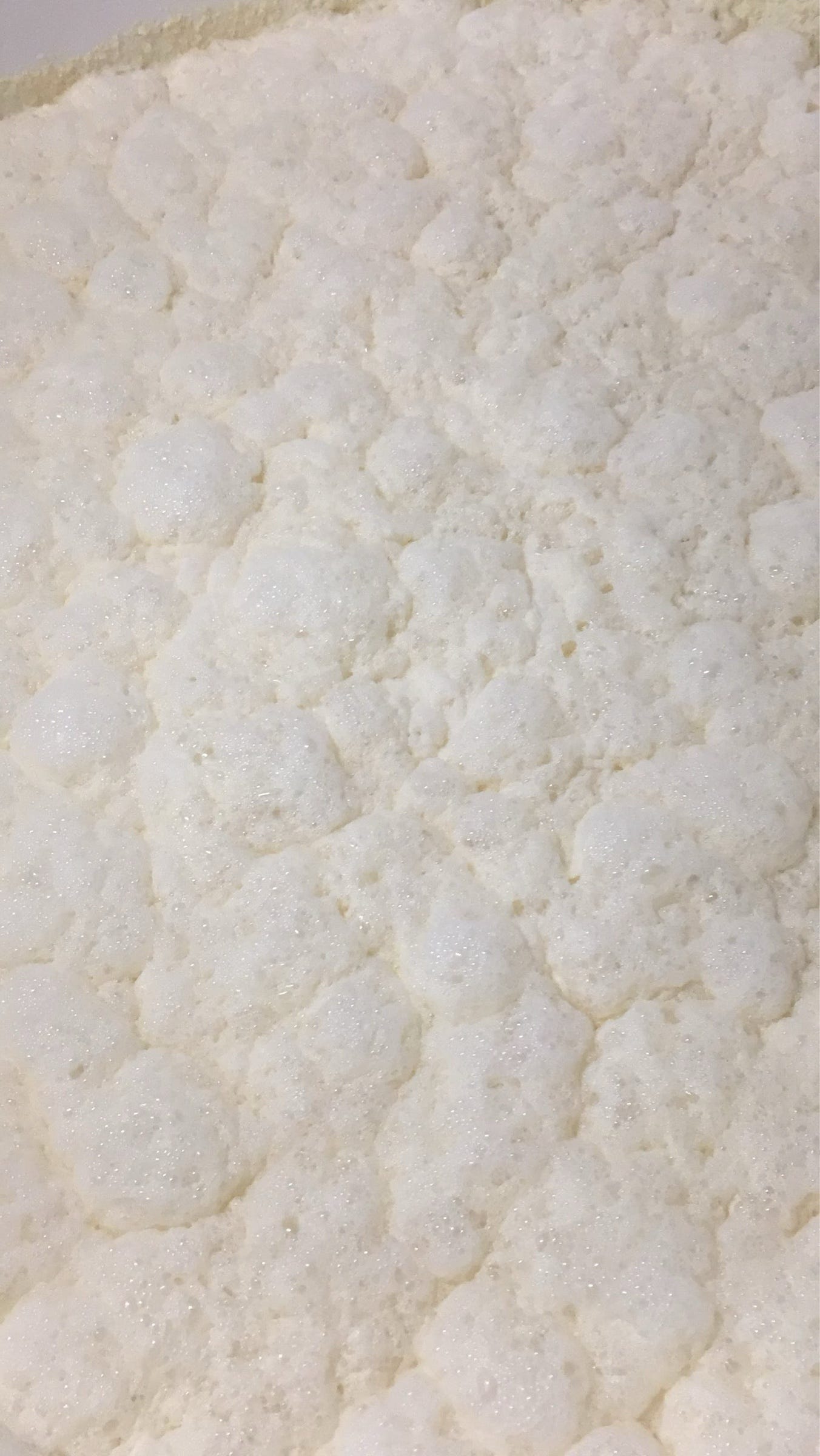
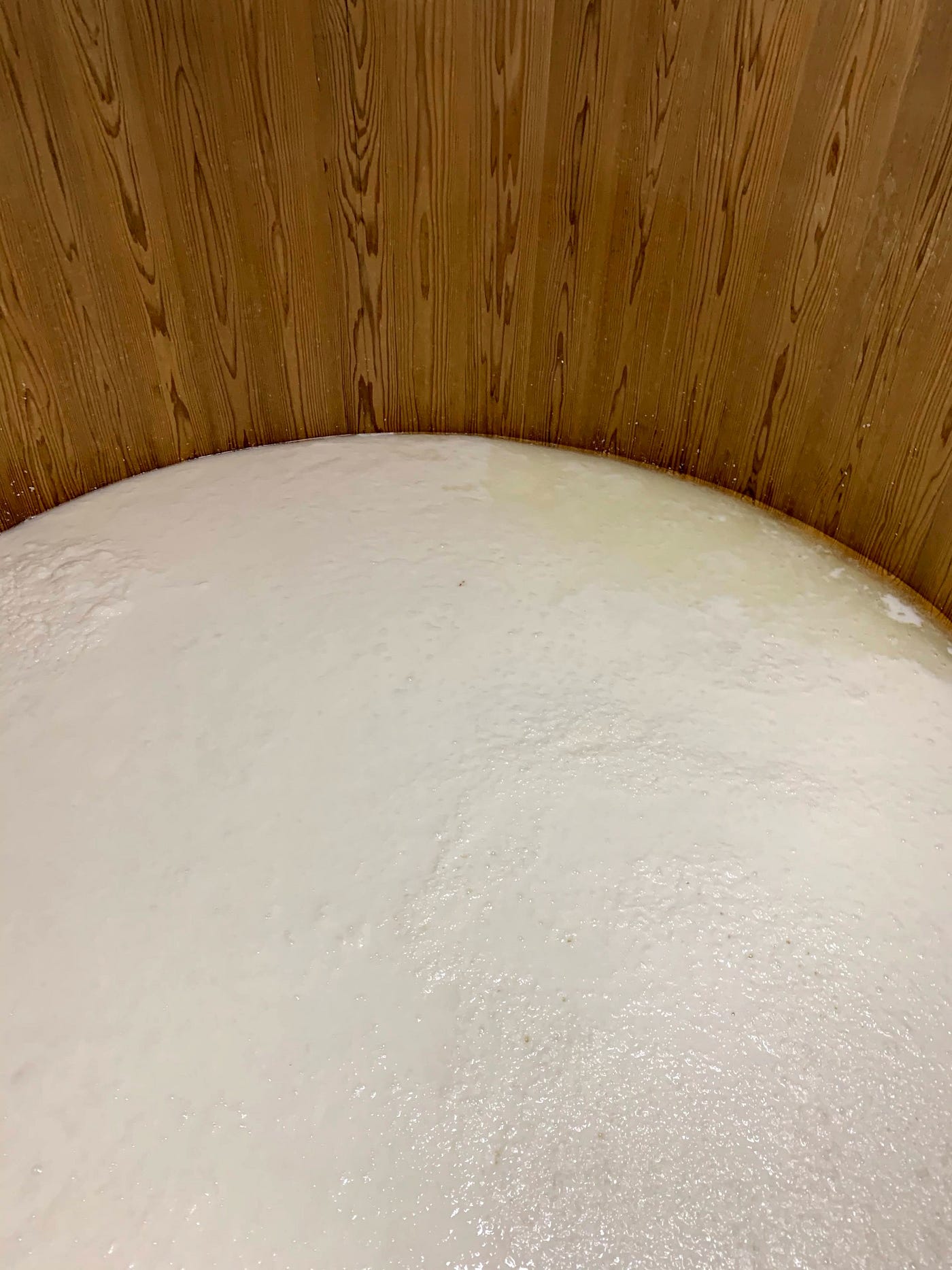
Kimoto brewing relies on wild lactic acid bacteria, yes. But the process is never laissez-faire. Brewers manage temperature precisely. They adjust timing of each stirring. They watch the succession from lactic acid bacteria to yeast with careful eyes. They use wild microbes but guide their behavior.
This reflects a core Japanese sensibility. Harmony with nature. Not conquering nature but borrowing its power and directing it toward human intention. Kimoto brewing is the most refined expression of this philosophy.
Today, this process gains new relevance. Additive-free. Natural. Craft. Consumer values align remarkably well with kimoto tradition. No industrial lactic acid added. No reliance on cultured yeast. Sake brewed solely by bacteria and yeast living in that specific brewery. This is not marketing-speak craft. This is the genuine article, practiced for centuries.
Mexico: Symbiosis with the Wild
Mezcal philosophy is symbiosis.
Mezcal craftsmen do not try to control microbes. They leave fermentation tanks open to the air. Which yeast arrives, which bacteria enter, the land decides. Humans simply accept the result.
This might seem primitive at first glance. But in Oaxaca, I came to feel deep respect for this symbiosis philosophy. Not just microbes. Craftsmen spend decades searching steep mountains for wild agave species. They receive the gift of each plant’s life. This act itself is symbiosis with nature. They believe they are not making mezcal. The land and microbes and agave make it through them. For them, mezcal is not human creation. It is a gift from the earth.
This philosophy resonates with the modern craft movement. Consumers exhausted by mass production, homogeneity, and efficiency are drawn to mezcal for good reason. Every batch tastes different. Each lot has personality. That unpredictability is now recognized as value.
The Contrast and the Overlap
Kimoto brewing from Japan. Mezcal from Mexico.
One is controlled wildness. The other is embraced wildness. The approaches differ. But both trust the power of wild microbes. Both resist industrialization. Both try to capture the character of place inside a glass.
Both now attract attention from professionals worldwide. Not because they ride the additive-free or craft trend. Because they embody an unchanging truth. Fermentation harnessing nature’s power produces the most complex, most compelling flavors.
— -
Chapter Four: The Controlled Mirror
The Other Axis
So far I have spoken along the wild axis. Kimoto and mezcal. But the fermentation world has another axis. Control.
In the sake world, sokujomoto represents this. Developed in the early twentieth century, this method adds industrial lactic acid at the start, cutting fermentation time roughly in half. Today about ninety percent of sake is made this way.
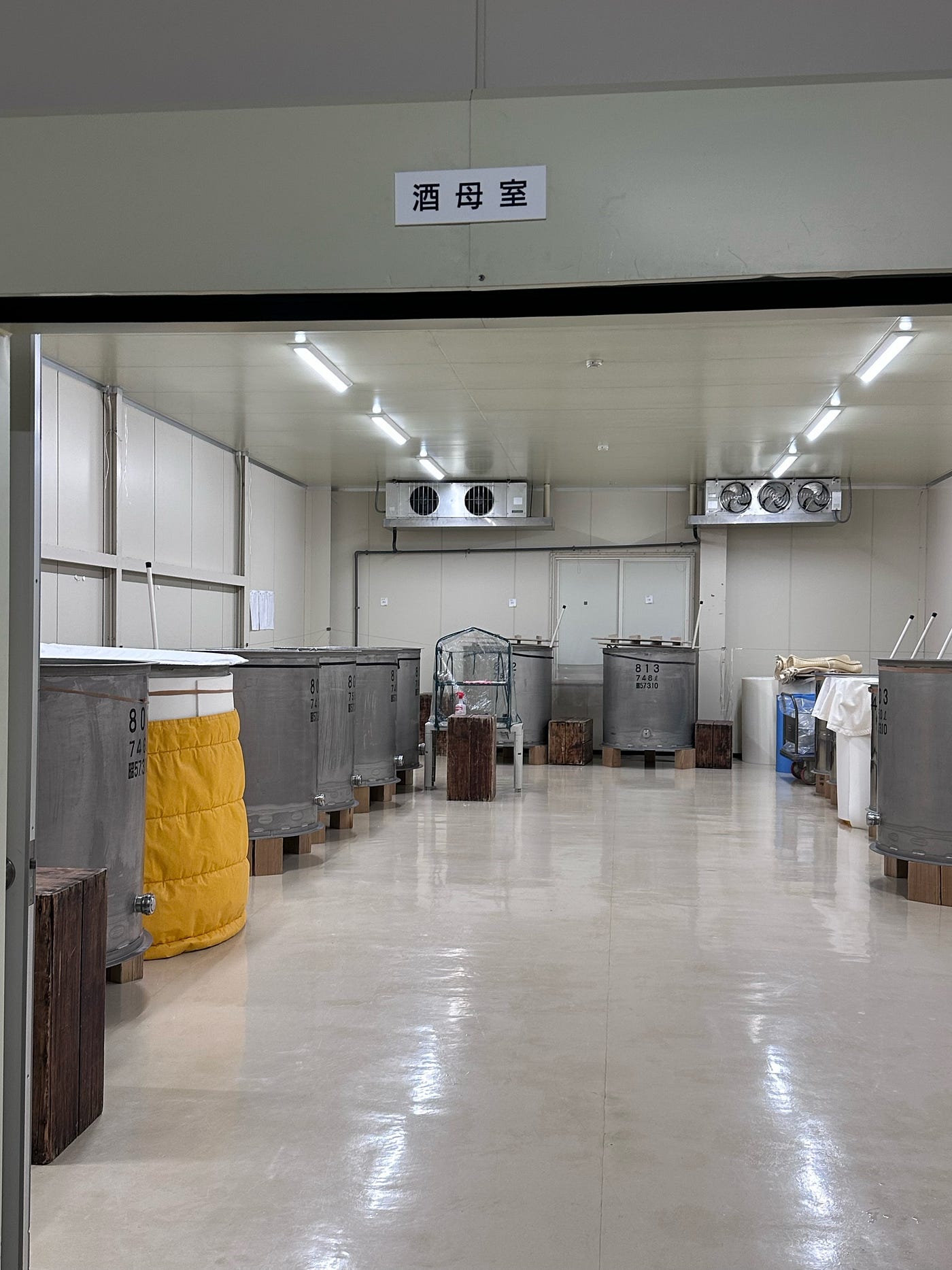
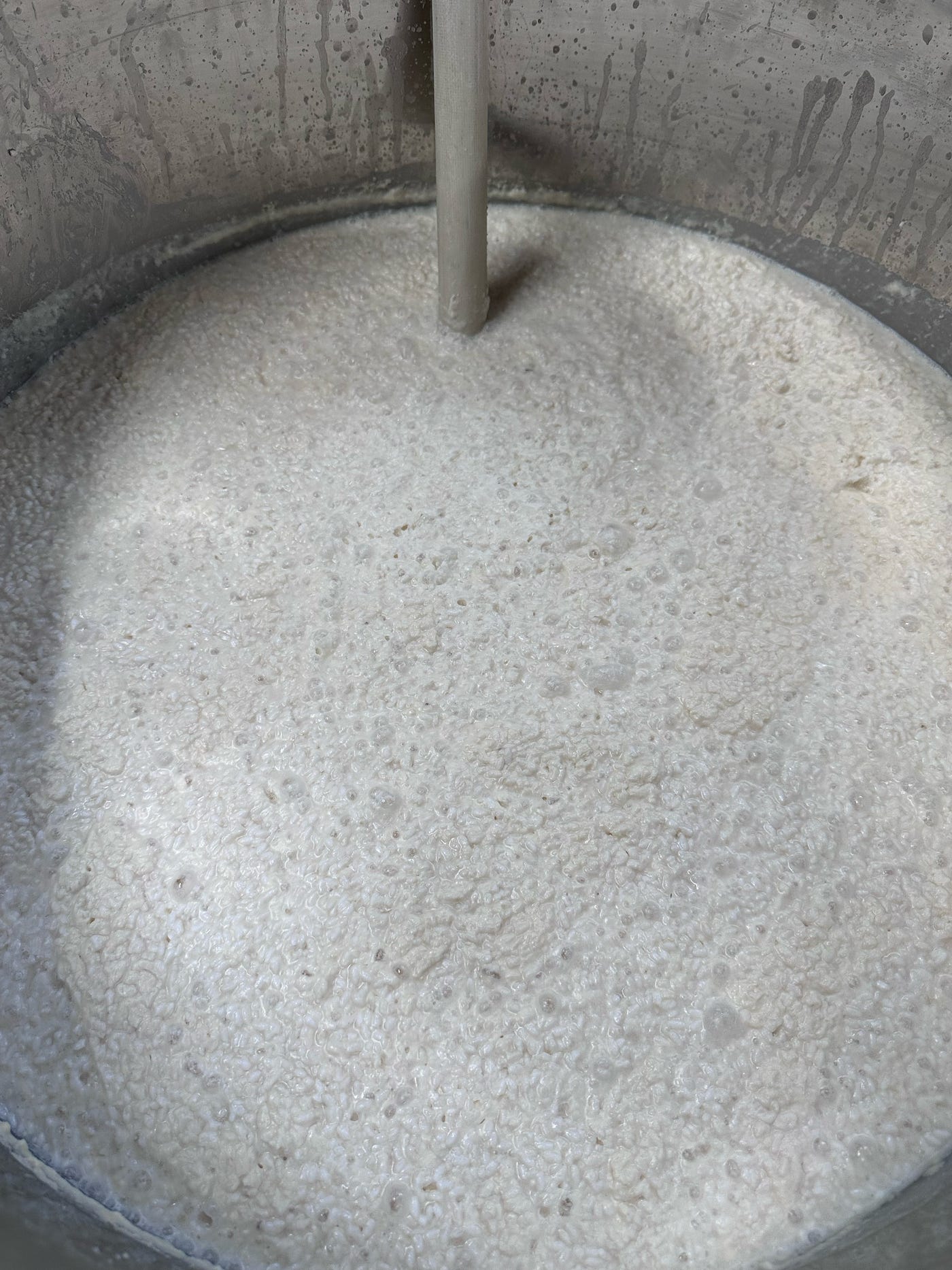
In the agave spirits world, tequila occupies this position. Tequila uses selected cultured yeast strains. Fermentation happens in stainless steel tanks with strict temperature control. The fermentation period is two to five days. Quality is consistent.
The Aesthetics of Control
To dismiss sokujomoto and tequila as inferior is shortsighted.
Sokujomoto sake is clean, light, fruity, and floral. Less rough edges. The delicate flavor of rice comes through unobstructed. The gorgeous aromatics of ginjo and daiginjo can be argued to exist because of sokujomoto.
Tequila is smooth and approachable with notes of honey, vanilla, and citrus. It works beautifully as a cocktail base. Its international success is no accident. However, it trades away agave character and smokiness, with barrel aging defining its flavor profile instead. Mezcal from the Tequila region has evolved along its own distinct path.
The aesthetics of control lie in refinement and consistency. Replicating the same taste every time. That is a value important to professionals.

Diversity as Choice
My point in this article is not a simple binary. Wild good. Control bad.
Kimoto and mezcal exist to enjoy wild complexity. Sokujomoto and tequila exist to enjoy controlled refinement. Both are legitimate choices. Both are forms of dialogue between humans and microbes.
What matters is what you seek tonight. And what your guests seek.
— -
Conclusion: What You See Beyond the Glass
I am writing this manuscript at home in Japan.
Rain falls outside my window. The humidity is opposite to the dry air of Oaxaca. Yet in my memory, that fermented miso smell and that sweet smoke like brown sugar shochu remain vivid.
Fermentation is a dialogue with microbes.
How you conduct that dialogue, whether you embrace wildness or pursue control, is not merely a technical question. It is a question of philosophy. Of culture. And ultimately, of your own choice.
You reading this likely face liquids every night behind a counter. In the amber or clear liquid poured into a glass, stories woven by billions of microbes dissolve. Tell those stories to your guests in your own words.
The class war of brewery-resident bacteria behind kimoto acidity. The wild yeast ecosystem hidden behind mezcal smoke. The aesthetics of modernization embedded in sokujomoto cleanliness. The precision control supporting tequila approachability.
One question remains.
Do you prefer calculated refinement? Or do you seek the untameable surprise of the wild?
The answer waits in the glass you lift tonight.
— -
References and Acknowledgments
Scientific statements in this article draw from:
- Jara-Servin, A., et al. (2025). “Microbial Communities in Agave Fermentations Vary by Local Biogeographic Regions.” Environmental Microbiology Reports.
- Colón-González, M., et al. (2025). “Thriving in Adversity: Yeasts in the Agave Fermentation Environment.” Yeast.
- Ito, K., et al. (2023). “A dark matter in sake brewing: Origin of microbes producing a Kimoto-style fermentation starter.” Frontiers in Microbiology.Deep gratitude to the Oaxacan craftsmen who hosted me and the toji and brewers across Japan who opened their doors.
This article is written from a professional who knows the field to professionals who work the same field. Share your knowledge and experience in the comments.

메타데이터
- post_id
- c93201b1b657
- slug
- the-frontier-of-fermentation-sake-and-mezcal-where-wild-microbes-draw-the-flavor-line-c93201b1b657
- url
- https://medium.com/@n80827/the-frontier-of-fermentation-sake-and-mezcal-where-wild-microbes-draw-the-flavor-line-c93201b1b657
- canonical_url
- https://medium.com/@n80827/the-frontier-of-fermentation-sake-and-mezcal-where-wild-microbes-draw-the-flavor-line-c93201b1b657
- author_url
- https://medium.com/@n80827
- status
- ok
- fetched_at
- 2026-07-14 01:40:41