Pro Sports Aren’t Ready for a Decade‑Long Recession — And History Proves It
By Forrest Woolman | May 29, 2026
Pro Sports Aren’t Ready for a Decade‑Long Recession — And History Proves It

By Forrest Woolman | May 29, 2026
Professional sports have spent the last forty years behaving as if they exist outside the laws of economic gravity. Billion‑dollar TV deals, billionaire owners, and millionaire athletes have created the illusion that sports are immune to downturns. But critics argue that this illusion is cracking. If the United States enters a prolonged recession or depression, the sports industry may face a collapse unlike anything in modern memory.
To understand what’s coming, it helps to look backward — specifically to the last time America endured a decade‑long economic crisis: 1929 to 1939. The comparison is not perfect, but the parallels are instructive. And the differences are even more alarming.
The Great Depression: A Smaller Sports Economy, But a More Resilient One
In the 1930s, professional sports existed on a completely different scale. Revenues were tiny by today’s standards. Player salaries were modest. Stadiums were smaller. Teams were lean operations with minimal staff. There were no billion‑dollar TV contracts, no global merchandising, no sports gambling partnerships, no luxury boxes, no streaming subscriptions.
In other words: sports were not a financial skyscraper — they were a two‑story building.
When the Depression hit, attendance dropped, but the entire system didn’t collapse because:
- teams had lower operating costs
- players earned middle‑class wages, not generational wealth
- leagues were not dependent on massive corporate sponsorships
- fans could still attend games for pocket change
- the financial expectations were modest
Sports survived the 1930s because they were small enough to bend without breaking.
Today’s sports economy is the opposite.
Today’s Sports Economy Is a Bubble Built on Disposable Income
Modern sports depend on:
- $200 tickets
- $12 beers
- $40 parking
- $150 jerseys
- $300 streaming bundles
- billion‑dollar TV deals
- corporate sponsorships
- legalized gambling revenue
This is not a modest entertainment industry. It is a luxury economy disguised as a pastime.
And luxury economies collapse when disposable income disappears.
If the next decade brings sustained economic hardship, families will cut:
- tickets
- merchandise
- streaming subscriptions
- gambling
- travel to games
These are not necessities. They are the first things to go.
Critics argue that leagues already know this. That’s why they’re scrambling for new revenue streams: jersey patches, international games, expanded playoffs, sports‑betting partnerships, and streaming exclusives. These aren’t signs of innovation. They’re signs of desperation — the behavior of an industry that has reached its market cap.

Athletes Will Feel the Pain First
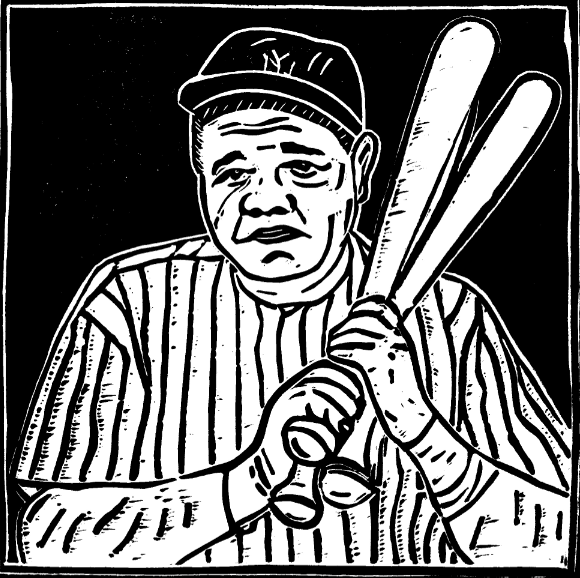
In the 1930s, athletes made modest salaries. Babe Ruth was the exception, not the rule. Most players lived middle‑class lives and worked off‑season jobs.
Today’s athletes live in a different universe:
- $300 million contracts
- $50 million endorsement deals
- luxury real estate portfolios
- entourages, trainers, chefs, stylists
- lifestyles built on the assumption of endless revenue growth
But if league revenues fall, salary caps fall. If salary caps fall, contracts shrink. If contracts shrink, lifestyles collapse.
A decade‑long recession could force a generation of athletes to confront a reality they’ve never imagined: the money might not always be there.
Retired athletes — many already vulnerable — could face even harsher conditions as pensions, media jobs, and sponsorships dry up.
The Gambling Boom Could Become a Bust
Sports gambling has become one of the fastest‑growing revenue sources in American sports. But gambling is also a discretionary expense. In a recession, participation drops. And when gambling revenue drops, leagues lose a major new pillar they’ve come to rely on.
Worse, economic desperation increases the risk of corruption — the very thing leagues fear most. The 1930s had its share of scandals. A modern downturn could produce even more.
A New Kind of Athlete‑Activist Could Emerge
One of the most fascinating parallels between the 1930s and today is the potential rise of athlete‑activists.
During the Depression, athletes were not major political voices. They didn’t have platforms, and the media landscape was limited. But today’s athletes have:
- massive social media followings
- cultural influence
- visibility beyond sports
Colin Kaepernick became more famous for his activism than his athletic career. In a decade of economic decline, public frustration with corruption, inequality, and pro‑billionaire policies could intensify. It is entirely plausible that one or more former athletes could become national figures not for their stats, but for their willingness to speak out.
In a time of hardship, people look for voices who articulate their anger. A former athlete who becomes a critic of government corruption or economic injustice could become a symbolic figure of the era.
The Key Difference Between Then and Now
The Great Depression hit a sports industry that was small, flexible, and modest.
A modern depression would hit a sports industry that is:
- bloated
- overleveraged
- dependent on luxury spending
- addicted to massive TV contracts
- financially unsustainable without constant growth
The 1930s sports economy was a rowboat. Today’s sports economy is a cruise ship.
A rowboat can survive rough seas. A cruise ship cannot.

Conclusion
If the United States enters a prolonged recession, professional sports will not be spared. Stadiums may empty. Revenues may shrink. Athletes may face lifestyle changes they never imagined. And the cultural role of sports may shift dramatically, perhaps even producing a new generation of athlete‑activists who become more influential for their political stances than their athletic achievements.
The last time America faced a decade‑long economic crisis, sports survived because they were small. This time, they may struggle because they’ve grown too big.
The next ten years could redefine what professional sports look like — and what they mean to a country facing hard choices.
메타데이터
- post_id
- c93b4beb0b8e
- slug
- pro-sports-arent-ready-for-a-decade-long-recession-and-history-proves-it-c93b4beb0b8e
- url
- https://medium.com/@fpwoolman/pro-sports-arent-ready-for-a-decade-long-recession-and-history-proves-it-c93b4beb0b8e
- canonical_url
- https://medium.com/@fpwoolman/pro-sports-arent-ready-for-a-decade-long-recession-and-history-proves-it-c93b4beb0b8e
- author_url
- https://medium.com/@fpwoolman
- status
- ok
- fetched_at
- 2026-06-09 15:37:30