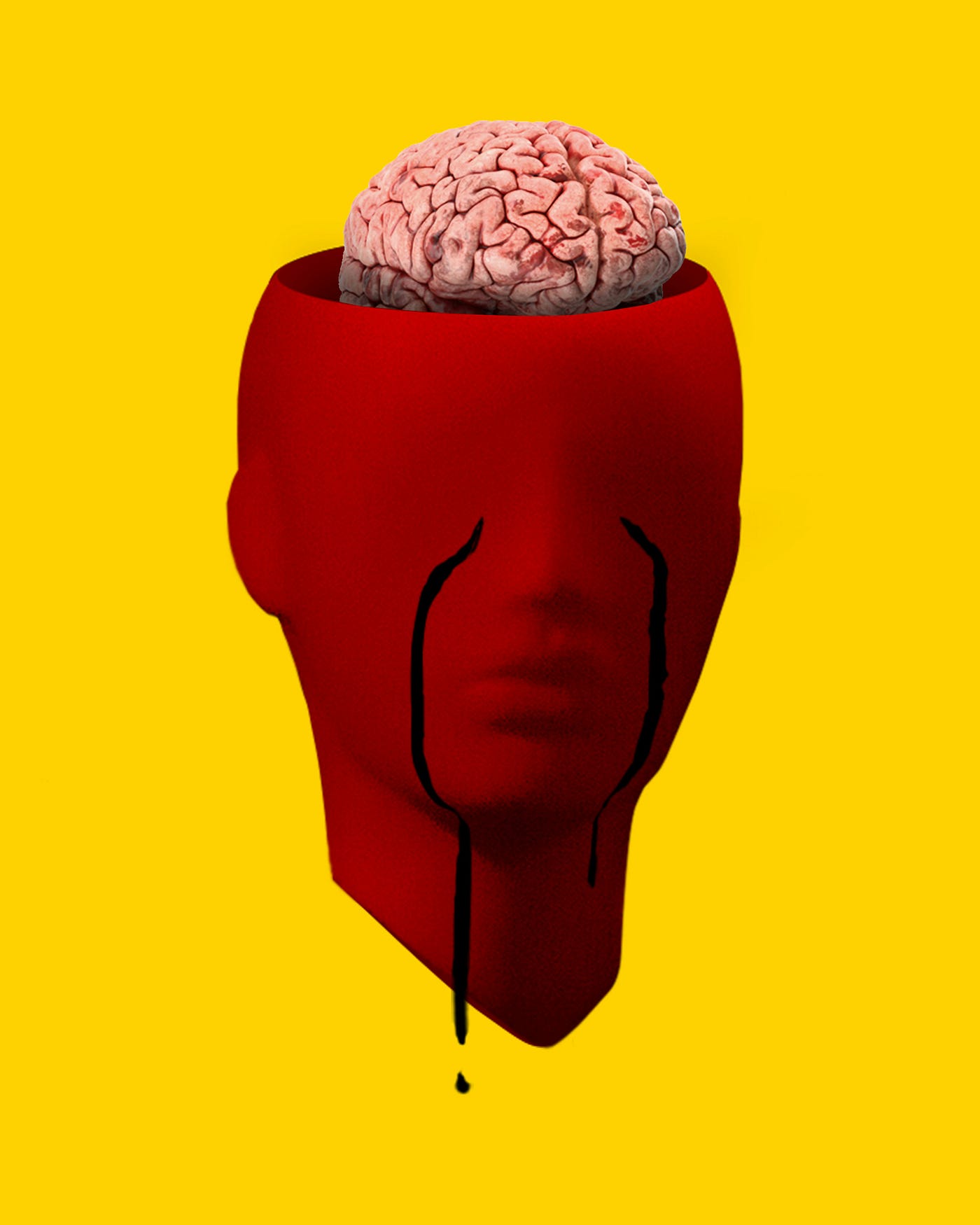
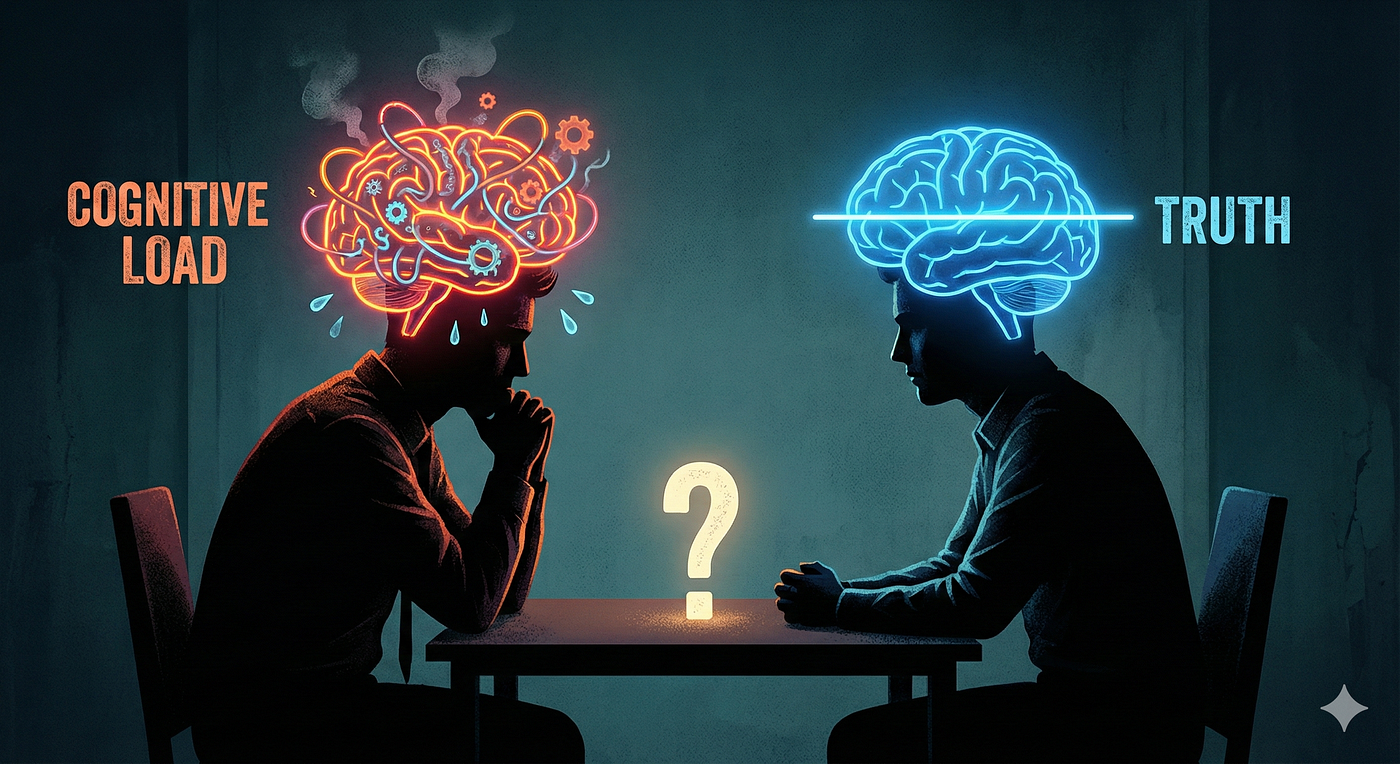
What is dark psychology? A truth that few people talk about
You talk to someone for a few minutes.
What is dark psychology? A truth that few people talk about
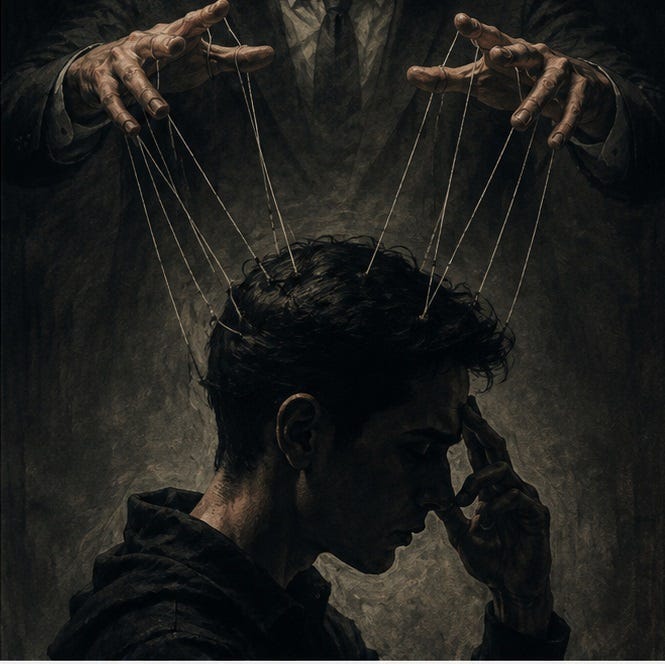
You talk to someone for a few minutes.
When the conversation ends, you feel guilty.
You feel like it was your fault.
You start apologizing even for something you were sure you were right about.
But here is the question:
Are you really mistaken…or has someone gently manipulated your mind?
This is where many people hear the name “dark psychology”.
But does such a thing really exist?
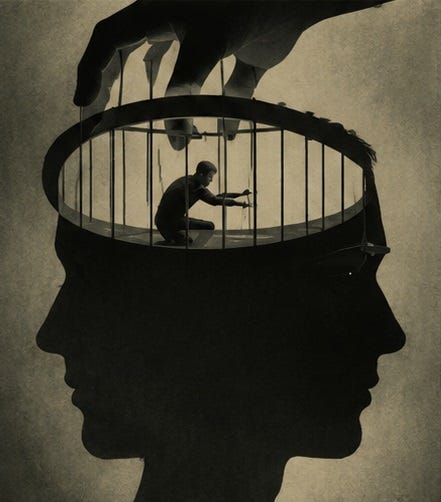
Where did dark psychology come from?
Contrary to popular belief, dark psychology was not invented by any specific psychologist or scientist.
The term has been popularized in recent decades by authors of success, sales, and personal development books.
In scientific databases such as PubMed or APA, there is no discipline called Dark Psychology.
Instead, psychologists talk about things like:
• Manipulation
• Coercion
• Emotional Abuse
• Persuasion
• Dark Triad Personality
They research.
in other words,
Dark psychology is more of a conceptual umbrella than a scientific theory.
Why is this concept so popular?
Because all of us at least once in our life have faced a person who:
• He has made a lie the truth.
• It has imposed guilt on us.
• It has taken advantage of our weaknesses.
• He has earned our trust with excessive praise.
There are scientific names for many of these behaviors;
But in the virtual space, they are all known by the same title:
Dark psychology
The most important techniques of dark psychology
1. Gaslighting
Purpose:
Making the victim doubt their own memory and judgment.
Real example:
Your spouse has said something offensive.
When you object, it responds:
“You are very sensitive.”
or
“I didn’t say that at all.”
After a while, you don’t even trust your own memory anymore.
2. Love Bombing
At the beginning of the relationship, the other person:
• Lots of messages
• Multiple gifts
• Exaggerated definitions
• Big promises
provides
But when you get attached,
His behavior changes completely.
This pattern is seen in many toxic relationships.
3. Feeling guilty
Example:
A mother says to her child:
“After all the trouble I put you through, is this my answer?”
On the surface, it is an emotional sentence.
But it is actually a tool to control behavior.
4. victim game
Some people always show themselves as victims.
Even when the mistake was their own.
As a result,
Others feel the need to take care of them.
5. Dropper information
in negotiation
Some people release information gradually to control the other party’s decision.
This technique is also seen in sales and politics.

Do politicians use dark psychology?
sometimes yes
For example:
• Create fear to gain support
• Making a common enemy
• Continuous repetition of a message
• Using emotions instead of reasoning
Of course, these behaviors are not limited to a particular party or country and have been seen in different political systems throughout history.
Do companies also use it?
Some marketing methods can rely on human cognitive biases.
For example:
“Only two hours left!”
or
“Only one available.”
These methods rely on the principle of scarcity (Scarcity Effect); A well-studied phenomenon in psychology.
Do social networks use dark psychology?
Algorithms are designed to keep the user’s attention.
Notifications, endless scrolling, and variable rewards can take advantage of well-known principles from the psychology of learning and behavioral reinforcement.
This doesn’t mean “mind control”, but it can affect users’ behavior.
How not to become a victim?
Before making any important decision, ask yourself:
• Am I making decisions out of fear?
• Is guilt imposed on me?
• Do I have real evidence or just a feeling?
• If I were someone else, would I give him the same advice?
Sometimes these few simple questions reduce the power of many manipulative techniques.
conclusion
Perhaps the most important truth about dark psychology is that…
Real power is not in knowing the tricks of the mind; It is in knowing our own mind.
People who know their emotions, cognitive biases, and weaknesses are less likely to be manipulated.
Perhaps for this reason, the best defense against “dark psychology” is not to learn ways to control others, but to strengthen critical thinking, self-awareness, and emotional intelligence.
Because in a world where everyone is trying to influence your mind, the most valuable skill is knowing when your choices are truly your own.
메타데이터
- post_id
- c9617e2229a0
- slug
- what-is-dark-psychology-a-truth-that-few-people-talk-about-c9617e2229a0
- url
- https://medium.com/@amraan.changwani/what-is-dark-psychology-a-truth-that-few-people-talk-about-c9617e2229a0
- canonical_url
- https://medium.com/@amraan.changwani/what-is-dark-psychology-a-truth-that-few-people-talk-about-c9617e2229a0
- author_url
- https://medium.com/@amraan.changwani
- status
- ok
- fetched_at
- 2026-07-18 08:13:30