Aunt Flo’s Eco Makeover To A Sustainable Period
Modern world menstruation movement using Menstrual Cups for sustainable and healthful habits
Aunt Flo’s Eco Makeover To A Sustainable Period
Modern world menstruation movement using Menstrual Cups for sustainable and healthful habits

Photo by Sora Shimazaki
Globally, 26% of the population is of the menstruating age, 12–45 years old. Approximately 300 million people are menstruating at any given time. In 2017, an average of 20.2% of urban women and non binary people were using menstruating products. 76% of sanitary products currently used in these areas are sanitary napkins. 90% of these are made out of single-use plastics that take up to 300 years to decompose (Ajmeri, 2010). Disposable sanitary products also have serious reproductive health implications. Even though they are a popular choice with a monopoly in the public market, these sanitary health products are unhealthy for long term use and create environmental issues. With more sustainable and viable options of period management with products like menstrual cups and discs, these problems can be avoided in urban areas where access to toilets and waterworks is largely not a prevalent issue.
Use of menstrual cups and discs should be normalized and promoted over the concurrent methods of sanitary napkins and tampons in Tier I & Tier II cities to ensure better menstrual hygiene and sustainability goals.

Image courtesy of MUM.org
Menstrual cups are easier to use; in fact menstrual cups were devised in the 1930’s but did not become a part of mainstream sanitary product options until the early 2000’s (Kim Rosas, Period Nirvana 2021). One of the main reasons could be the popularization of disposable napkins in a time when women being intimate with their own menstruation and sexual health was a taboo (Shure, Pacific Standard 2017). Since then, disposables have gotten more marketing focus than reusables which helped them in becoming more popular among period-experiencing people (Scullion, PassBlue 2017). A study, however, showed that 90% of the women who used a menstrual cup would recommend it to their friends. The study also found that while women reported slight levels of discomfort in the early stages of its use, it decreased rapidly with continued use of the product over the next two cycles.
91% of participants in the study said they would continue to use the cup.
A large part of the menstruating population, especially women, have been kept away from menstrual cups owing to the misconceptions and traditionalist view of a menstrual cup “violating the purity” of a woman due its insertion in the vaginal tract.
Due to access to proper knowledge channels, many people are introduced to menstrual products by their immediate female elders like mothers or aunts, who may have a generational gap that results in this mindset. However, social constructs of “virginity” and their association with the breaking of the hymen in a female body is scientifically inaccurate.
“Despite medical evidence that there is no scientifically reliable way to determine virginity, misconceptions about the hymen and its supposed association with sexual history persist..” — Dr. Dehlia Moussaoui
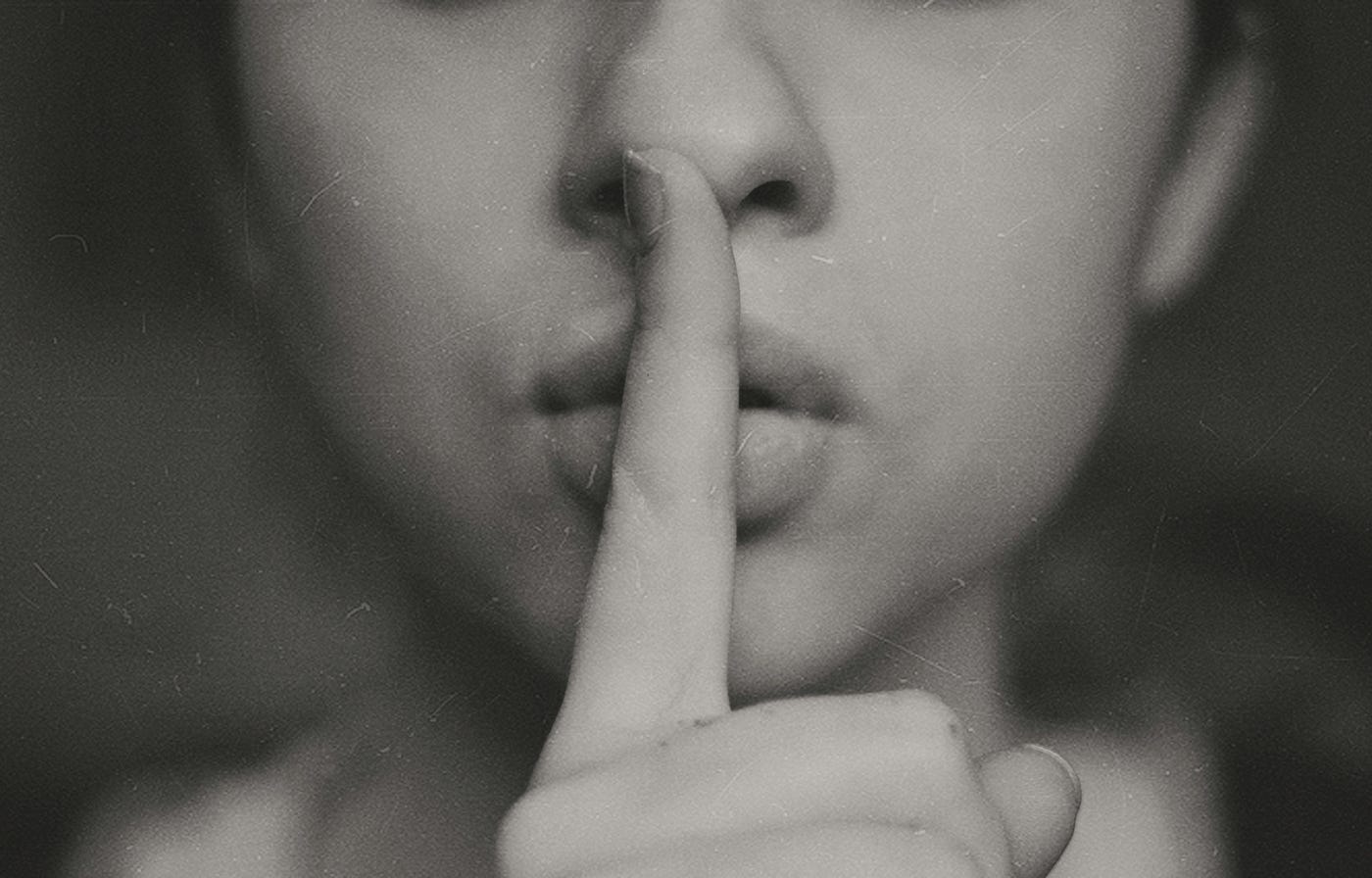
Photo by Kristina Flour on Unsplash
The use of menstrual cups does not affect a woman’s status of sexual activity and should not be avoided to fuel the misconstrued idea. Many cultures also discourage touching or washing their genitals during menstruation, labeling the natural act as “dirty” or “unsafe”. But regular periods are an indication of healthy reproductive health (UNFPA 2022). This leads to stigmatization of use of menstrual cups that requires users to come in contact with their period blood. But menstrual blood is the same as the blood in the entire body and cannot be categorized as “dirty” (Healthy Menstruation, UNICEF 2018). Washing hands with water and using soap is a sufficient way to deal with the contact. Such a practice can be facilitated in urban areas which have access to water and cleaning agents. This awareness should be made to the public more widely.

Photo by Polina Kovaleva
Menstrual cups are easy to use and more efficient in collecting blood than napkins or tampons due to their seal-proof system which when placed inside the vaginal cavity can hold up to 10–38 ml of blood in one session of use [1]. In comparison, a tampon can absorb about 5ml of blood in one use (CEMCOR, 2017). While a tampon change is recommended every 4 hours, menstrual cups can be worn for up to 12 hours (Rabin, NYT 2019). This creates a more efficient product for period management that reduces time spent in changing products. Another study carried out in a secondary school in Nepal found that the use of a menstrual cup impacted a decrease of about 20 minutes per day in laundry time during menstruation (Oster and Thornton 2011). The report also indicated a higher level of mobility and comfort over traditional cloth and pad usage. Menstrual cup variants, like the menstrual discs are also more inclusive; of strenuous activities it can support and gender dysphoric menstrual discrimination. Menstrual discs allow for activities like swimming, horse riding, using with an IUD and sexual intercourse without interfering with the period (Lancet Public Health Report 20191). These are also a widely preferred options for members of menstruating community who identify as non-binary. These do not come in any distinct wrappings or packaging that are conspicuous or make noise, making it easy and comfortable to carry in binary and gender neutral bathrooms.

Image Credits: ACT Government Recyclopedia
Morever, menstrual cups are viable and extremely cost effective. In a study conducted, Europe & US have 100 million women using tampons, each using 11,000 of them in their lifetime. The estimated cost for tampon use is $41.75 a year, which was similar or higher to the retail cost of 1 menstrual cup. However, while this cost would be repeated with tampon usage every year, a menstrual cup or disc is a long term product and can be used for up to 10 years. Menstrual cups are made with medical grade silicone that makes it reusable and does not affect the intra-vaginal environment. A study found that purchasing a Menstrual cup is 5%-8% of the cost of disposable pads and tampons (The Lancet Public Health 2019).

Image Credits: UrbanMeisters
Menstrual cups are also a big step in reducing the waste caused by disposable period products. Many menstrual cups are recycled by its manufacturers, like DivaCup through DivaCares Recycling Program. After its lifecycle ends, a silicone menstrual cup can also be burned to ash as it does not harm the environment (Kim Rosas, 2021). Menstrual waste is categorized under biohazardous waste and needs to be addressed separately from the rest of the waste. The remains of the pads and tampons, therefore, have to be discarded in separate disposal method. Sanitary napkins and tampons are also made up to 80% with plastic with individual wrappings that can take 500 years to decompose. Despite many warnings about proper disposal, many times their disposal is done through toilets that clogs the pipelines, which has serious implications on the workers cleaning up the systems. However, the discarded blood from menstrual cups can be discharged into the waste pipelines as the blood discharged itself does not contain any hazardous elements. They are required to be cleaned by water and can be worn again for the next session. Menstrual cups also have significantly lower environmental impacts, with a negative impact equivalent to 1% of disposables’ impact (Lifecycle Initiative by UN, 2021). These factors make menstrual cups the most sustainable form of period management products that can be adopted into use.

Image Credits: India Today
Most importantly, menstrual cups do not have a corrosive or unhealthy effect on the human body. Tampons are known to cause Toxic Shock Syndrome when not replaced at proper intervals of six hours. Tampons contain trace amounts of dioxins, chemicals that have been linked to cancer, hormone disruption and endometriosis (CHEJ). While FDA recommends that tampons and pads are “free of pesticide and herbicide residues” it does not require or enforce companies to test for harmful chemicals or disclose their presence (FDA, 2005). This makes it difficult to determine if the cotton used in pads could have harmful pesticide traces that affect reproductive systems. (Scranton, 2013). Pads are also very commonly known to cause rashes and chafing that result in skin burning and abrasions that can be very painful and inconvenient. These problems can be avoided in a large menstruating population with more use of menstrual cups and discs as they sit in the intravaginal space and are extremely pliant causing no discomfort after getting accustomed to its usage.
While menstrual cups have been known to have a learning curve in their insertion and use in the first few cycles, most women opt to continue using it after understanding the techniques of its usage. The ease, convenience of use and cost effectiveness make them stellar alternatives to the currently used period products. Many companies are now introducing recyclable cups with lubrication liquids that help in easier insertion and prevent any minor chances of allergic reactions. These cups also need to be sterilized with hot water and disinfectant after its monthly use which is an accessible solution for urban areas with higher water source availability. One of the main factors limiting the mainstream use of this product is a traditional mindset and misinformation about periods and their management. This can be slowly solved by actively creating awareness, appealing and marketing the product to the most extensive menstrual products-using age group of 18–36 year olds. As shown in the report by Oster and Thornton (2011), the adoption rate of menstrual cups is higher through peer reviews and experience sharing.

Photo by Cliff Booth
The menstrual cup is a revolutionary product that could completely transform how we approach menstrual health, but we’re hindering menstrual health by not openly embracing and promoting it. The lack of candid peer reviews, frank discussions, and the persistence of misguided misconceptions surrounding this life-changing device is stifling its well-deserved popularity. It’s an absolute travesty that despite the menstrual cup’s myriad health advantages over traditional period products, we continue to hold ourselves back from achieving true menstrual emancipation by not facilitating honest and informed dialogue about it. By creating more awareness around the obvious benefits of menstrual cups & discs over sanitary napkins and tampons, we can move towards the goal of sustainable and healthy menstruation management habits.
Menstrual cups could be the key to unlocking higher productivity levels and vastly easier management of our monthly cycles, but only if we have the courage to endorse and educate about them properly. We owe it to ourselves and future generations to let go of our hang-ups and biases to fully embrace this groundbreaking solution to age-old menstrual woes. It’s time to raise our voices, spread awareness, and rally behind the menstrual cup revolution — our menstrual health and societal progress depends on it.
메타데이터
- post_id
- c96f779b7c9d
- slug
- aunt-flos-eco-makeover-to-a-sustainable-period-c96f779b7c9d
- url
- https://medium.com/@aabhakale/aunt-flos-eco-makeover-to-a-sustainable-period-c96f779b7c9d
- canonical_url
- https://medium.com/@aabhakale/aunt-flos-eco-makeover-to-a-sustainable-period-c96f779b7c9d
- author_url
- https://medium.com/@aabhakale
- status
- ok
- fetched_at
- 2026-07-24 07:09:03