Why Modern Warehouses Are Quietly Controlling Customer Experience
Modern warehouse management systems are transforming fulfillment through AI, predictive logistics, automation, and real-time visibility.
Customers Think Delivery Starts After Checkout. They’re Wrong.
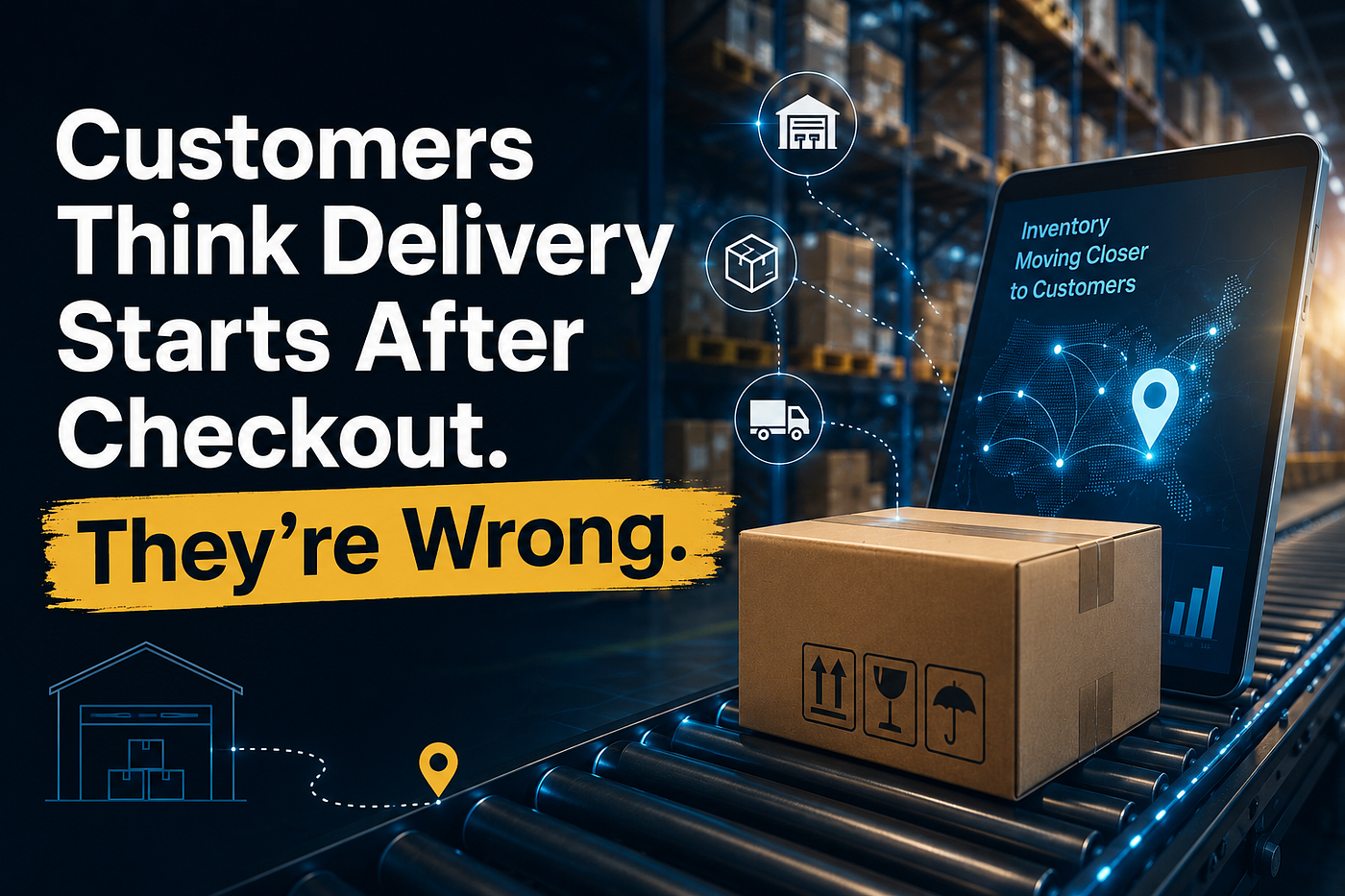
Customers Think Delivery Starts After Checkout
Most people believe delivery begins the moment they click the “Place Order” button.
But modern commerce changed that idea years ago.
Today, intelligent warehouse management systems often start preparing for purchases before customers even visit a website.
Somewhere inside a warehouse, products are already moving closer to customers who haven’t even searched for them yet.
That same-day delivery customers casually expect is powered by invisible systems quietly analyzing inventory movement, fulfillment speed, operational workflows, and demand patterns in real time.
And honestly, most businesses still underestimate how much warehousing now controls customer experience. Because modern commerce is no longer competing only through products or marketing. It’s competing through operational intelligence.
Customers Don’t Notice Warehouses - They Notice Delays
Warehouse operations have quietly become one of the biggest factors influencing customer experience in modern commerce.
Customers may never see fulfillment systems directly, but delayed deliveries, inaccurate tracking, and fulfillment issues immediately shape how customers perceive a brand.
That’s why businesses are no longer treating warehouse optimization as just a logistics improvement.
It’s becoming a core part of delivery performance, customer satisfaction, and operational efficiency.
Traditional Warehousing No Longer Supports Modern E-commerce
E-commerce changed faster than warehouse operations ever expected.
Customers now track deliveries in real time, expect next-day fulfillment, and notice delays almost instantly - while many traditional warehouse systems still rely on workflows designed for a much slower retail environment.
That gap is pushing businesses toward automated warehouse management systems, connected inventory operations, and fulfillment processes built for speed instead of storage.
Delivery Often Starts Before Checkout
The fastest deliveries are rarely powered by transportation alone.
Modern fulfillment systems now use predictive logistics, inventory intelligence, and automated warehouse workflows to prepare deliveries before customers even click “Buy Now.”
Products are strategically positioned closer to demand zones, helping businesses reduce fulfillment delays and improve delivery speed at scale. That’s why some companies deliver within hours while others still struggle with operational bottlenecks.
Why Businesses Are Investing in Warehouse Management Systems
Warehouse operations usually stay invisible when everything is running smoothly.
The pressure starts showing up during growth.
More orders begin coming in. Inventory moves faster than teams expect. Fulfillment delays become harder to ignore.
And suddenly, businesses realize their warehouse system is affecting far more than operations.
It’s affecting delivery speed. Customer trust. Even repeat purchases.
That’s one of the biggest reasons modern businesses are rethinking warehousing altogether.
Not because warehouse management suddenly became exciting — but because disconnected workflows, poor inventory visibility, and fulfillment slowdowns quietly create problems customers notice immediately.
Modern commerce moves too fast for reactive operations. Businesses now need warehouse management systems capable of supporting real-time visibility, faster fulfillment coordination, and scalable operational workflows without creating chaos behind the scenes.
And honestly, the companies solving this early are building an advantage customers may never see directly - but experience every single time an order arrives on time.
The Real Problem Usually Starts Inside Operations
Most delivery delays don’t actually begin during transportation. They usually start much earlier — when inventory becomes difficult to track, fulfillment workflows slow down during peak demand, and small operational gaps begin affecting the entire process behind the scenes.
A delayed stock update. A missed inventory sync. A warehouse bottleneck during busy hours.
Individually, these issues seem minor.
But over time, they quietly create slower deliveries, inaccurate tracking, and fulfillment problems that customers notice immediately.
That’s often the point where businesses realize traditional warehouse systems can no longer keep up with the speed modern e-commerce now demands.
How Modern Warehouse Management Systems Improve Operations
Warehouse operations become much easier to manage when teams stop relying on disconnected updates, manual coordination, and delayed inventory visibility.
Modern warehouse management systems help businesses improve fulfillment speed, track inventory in real time, and keep operations running smoothly during high-demand periods.
A good example of how modern fulfillment operations are evolving can be seen here: Warehouse Management System for Real-Time Operations & Fulfillment Visibility
And honestly, the biggest difference isn’t just operational efficiency.
It’s how much easier fulfillment becomes when teams can finally see everything happening in one place.
The Future of Warehousing Is Predictive
Warehouses used to wait for orders. Now they’re predicting customer behavior before customers even make a decision.
That shift is quietly changing modern commerce.
Today’s warehouse systems can analyze demand patterns, reposition inventory closer to high-demand regions, and prepare fulfillment workflows before an order is even placed. And honestly, AI is becoming one of the biggest drivers of this transformation’s acceleration.
Modern warehouse operations are now using AI-driven forecasting, real-time inventory intelligence, and automated decision-making to reduce delays before customers ever notice operational issues.
AI Is Changing How Warehouse Decisions Are Made
Now AI-powered warehouse systems can identify fulfillment bottlenecks, predict inventory demand, and optimize operational workflows in real time.
That shift helps businesses make faster operational decisions without slowing down fulfillment during high-demand periods.
Warehouses Are Starting to Predict Demand
Modern fulfillment operations are moving away from reactive inventory management.
Businesses are increasingly using predictive logistics and AI-driven forecasting to position inventory closer to demand zones before customer demand starts increasing.
Real-Time Visibility Is Becoming Essential
Modern commerce moves too fast for delayed inventory updates and disconnected workflows.
Businesses now expect real-time warehouse visibility to track fulfillment operations, monitor inventory movement, and respond faster before operational slowdowns begin affecting customer experience.
Warehouse Automation Is Becoming Smarter
Warehouse automation is no longer just about reducing manual work.
Modern systems are becoming intelligent enough to optimize workflows, improve fulfillment coordination, and support faster operational decisions automatically as demand changes in real time.
Warehousing Is Becoming More Connected
Warehouse operations no longer function separately from logistics and customer experience.
Modern fulfillment systems now connect inventory tracking, warehouse workflows, delivery coordination, and operational visibility into one connected ecosystem designed around speed and accuracy.
The Future Will Belong to Faster Operations
Customers may never see the technology behind warehouse operations directly.
But they absolutely notice faster delivery, accurate tracking, and smoother fulfillment experiences when everything works exactly the way they expect.
And honestly, that’s where the future of warehousing is heading — toward systems intelligent enough to solve operational problems before customers ever realize they existed.
Final Thoughts
Customers still think delivery starts after checkout.
But modern commerce changed that years ago.
Today, the businesses delivering the best customer experiences are often the ones building smarter warehouse operations behind the scenes — powered by automation, predictive logistics, real-time visibility, and AI-driven fulfillment systems.
Because faster delivery is no longer the real advantage. Smarter operations are.
And honestly, the shift toward intelligent warehouse management is only accelerating as businesses look for faster, more scalable, and connected fulfillment operations built for the speed of modern commerce. EncodeDots focuses on building digital solutions for modern warehouse operations, fulfillment visibility, and scalable business workflows designed for growing commerce businesses.
메타데이터
- post_id
- c984e39d29f8
- slug
- why-modern-warehouses-are-quietly-controlling-customer-experience-c984e39d29f8
- url
- https://medium.com/@encodedots/why-modern-warehouses-are-quietly-controlling-customer-experience-c984e39d29f8
- canonical_url
- https://medium.com/@encodedots/why-modern-warehouses-are-quietly-controlling-customer-experience-c984e39d29f8
- author_url
- https://medium.com/@encodedots
- status
- ok
- fetched_at
- 2026-06-09 14:34:10