From Prompt Chaos to Real Apps: Why Kiro Beats Gemini
Unlike Gemini CLI, Kiro builds full specs, designs, and tasks — making AI coding finally usable for product-grade software.
From Prompt Chaos to Real Apps: Why Kiro Beats Gemini
Unlike Gemini CLI, Kiro builds full specs, designs, and tasks — making AI coding finally usable for product-grade software.

Screenshot of Kiro home page. By the time of writing, Kiro is not available and only joining waitlist for further notification.
If you’ve experimented with AI coding tools like Gemini CLI or GitHub Copilot, you’ve probably seen how quickly they generate code with a few well-crafted prompts. But speed is not everything. As many developers have discovered, fast code without structure often leads to chaos: missing documentation, unclear requirements, and components that don’t fit together.
Amazon’s newly launched Kiro addresses this core issue by putting specifications at the center of development. Rather than generating isolated code snippets, Kiro starts by asking: “What are you trying to build, and why?”
From Prompt Chaos to Spec-Driven Development
At the heart of Kiro is a powerful philosophy: Specification as Code. Inspired by OpenAI’s Sean Grove and Amazon’s own “working backwards” product development culture, Kiro encourages developers to begin not with code, but with purpose.
The workflow is refreshingly different:
- Describe Your Needs in Natural Language: You simply press the “Spec” button and type in what you want. For example: “Build a user authentication system with login, logout, and password reset.”
- Kiro Parses and Structures It: Using the EARS framework (Easy Approach to Requirements Syntax), Kiro translates your request into a structured format.
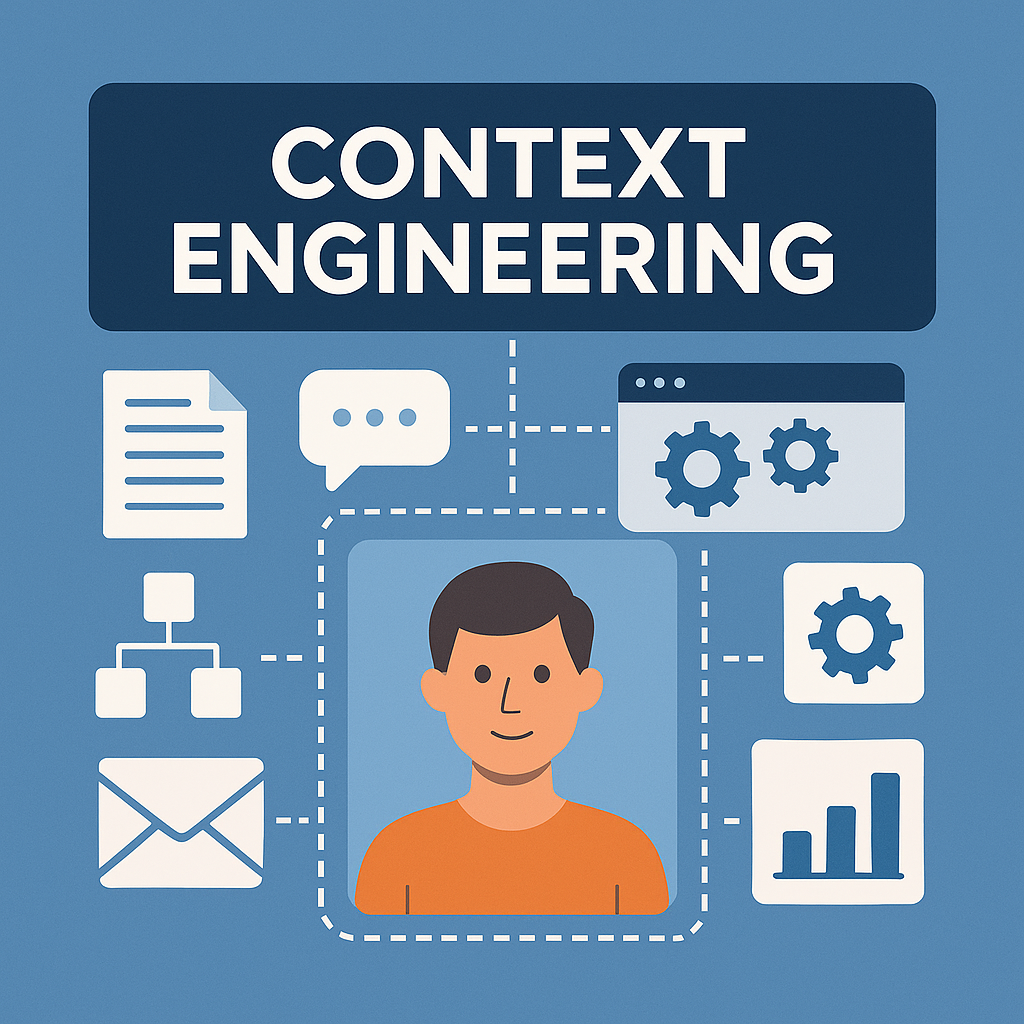
- Context-Aware Execution: With specs in place, Kiro understands the full picture before generating a single line of code. This reduces rework and keeps your project aligned from day one. In fact, this approach can be seen as a practical implementation of context engineering — ensuring that AI acts with full awareness of user intent, project goals, and structural constraints. You can read more about context engineering and how it change the way we code **here**.
- Automatic Spec Generation: Kiro generates a rich set of spec files:
requirements.mdwith user stories and acceptance criteriadesign.mdcovering system architecture, flowcharts, and strategiestasks.mdoutlining task breakdowns with dependencies

spec (specification)-driven is one of the most important features demonstrated by Kiro.
Real-World Example: From Idea to Deliverable
Let’s say you want to create a product review system. In Gemini CLI, you might prompt:
“Write a React component for adding and displaying reviews.”
You’d get a decent UI, but no backend, no testing logic, and certainly no design spec.
In Kiro, you describe the feature:
“I want to allow users to submit reviews, filter by rating, and flag inappropriate comments.”
Kiro responds with:
- A complete requirements file describing all user interactions
- A design document specifying backend endpoints, data schemas, and edge cases
- A task list to divide implementation among frontend, backend, and QA
- Optional unit tests, accessibility requirements, and mobile responsiveness notes
This approach is transformational. You’re no longer building from scattered snippets — you’re building from a blueprint.
Key Differentiators: Why Kiro Outshines Gemini CLI

Table summaring key differences between Kiro and Gemini CLI. Table made by the author.
Gemini CLI and similar tools are useful for prototyping or quick tasks. But when you’re building a real product with multiple contributors, shifting requirements, and a need for clarity, Kiro delivers in ways others cannot.
Intelligent Context Management and Multimodal Inputs
Kiro goes beyond prompt-response interactions by offering a rich context system. It leverages:
- Steering files: Developers can define custom instructions, coding styles, or team preferences.
- Agentic memory: Kiro remembers previous specs, design choices, and project history.
- Multimodal input: Upload Figma screenshots, audio meeting notes, or flow diagrams. Kiro turns them into actionable specs.
This is powerful. For example, you can upload a photo of a whiteboard sketch, and Kiro will use it to draft layout specs and generate corresponding code scaffolds.
Agent Hooks and Autopilot Mode
Another innovation: Agent Hooks. These let you delegate routine tasks to Kiro’s background agents:
- Automatically update documentation when APIs change
- Generate unit tests on every file save
- Refactor legacy code upon commit
Combined with Autopilot Mode, Kiro can complete large tasks asynchronously while keeping you in control.
A Developer-Centric Future
As someone who has worked with both prompt-based AI tools and structured frameworks, I find Kiro bridges a crucial gap: it respects the need for structure, without slowing down creativity.
It also brings AI closer to acting like a true teammate:
- It remembers your work
- It understands your goals
- It delivers not just code, but clarity
Whether you’re a solo indie dev or leading a cross-functional team, this shift from vibe coding to viable coding is the upgrade we didn’t know we needed.
Final Thoughts: Beyond the IDE
Kiro is built on Amazon Agent Core, which supports identity, memory, task delegation, and permission control. In the near future, we might see agents that:
- Deploy directly to cloud environments
- Interact with your internal databases and APIs
- Perform automated compliance or security reviews
In other words, Kiro is not the end product. It’s a glimpse into what AI-native development will look like when specs, code, and execution become one continuous, intelligent loop.
Want to see Kiro in action or explore how context engineering powers modern AI workflows? Clap 👏 and follow for deep dives, demos, and hands-on experiments coming soon.
메타데이터
- post_id
- c9b24f60ddfc
- slug
- from-prompt-chaos-to-real-apps-why-kiro-beats-gemini-c9b24f60ddfc
- url
- https://medium.com/the-ai-bench/from-prompt-chaos-to-real-apps-why-kiro-beats-gemini-c9b24f60ddfc
- canonical_url
- https://medium.com/the-ai-bench/from-prompt-chaos-to-real-apps-why-kiro-beats-gemini-c9b24f60ddfc
- author_url
- https://medium.com/@ckhuang2527
- status
- ok
- fetched_at
- 2026-06-12 07:40:50