What a Roundtable in Seoul Taught Me About “Women’s Health”
So I spent a recent evening in Seoul at a thing called the Motiva Preservé Roundtable. Honestly, I wasn’t sure what to expect — these…
What a Roundtable in Seoul Taught Me About “Women’s Health”
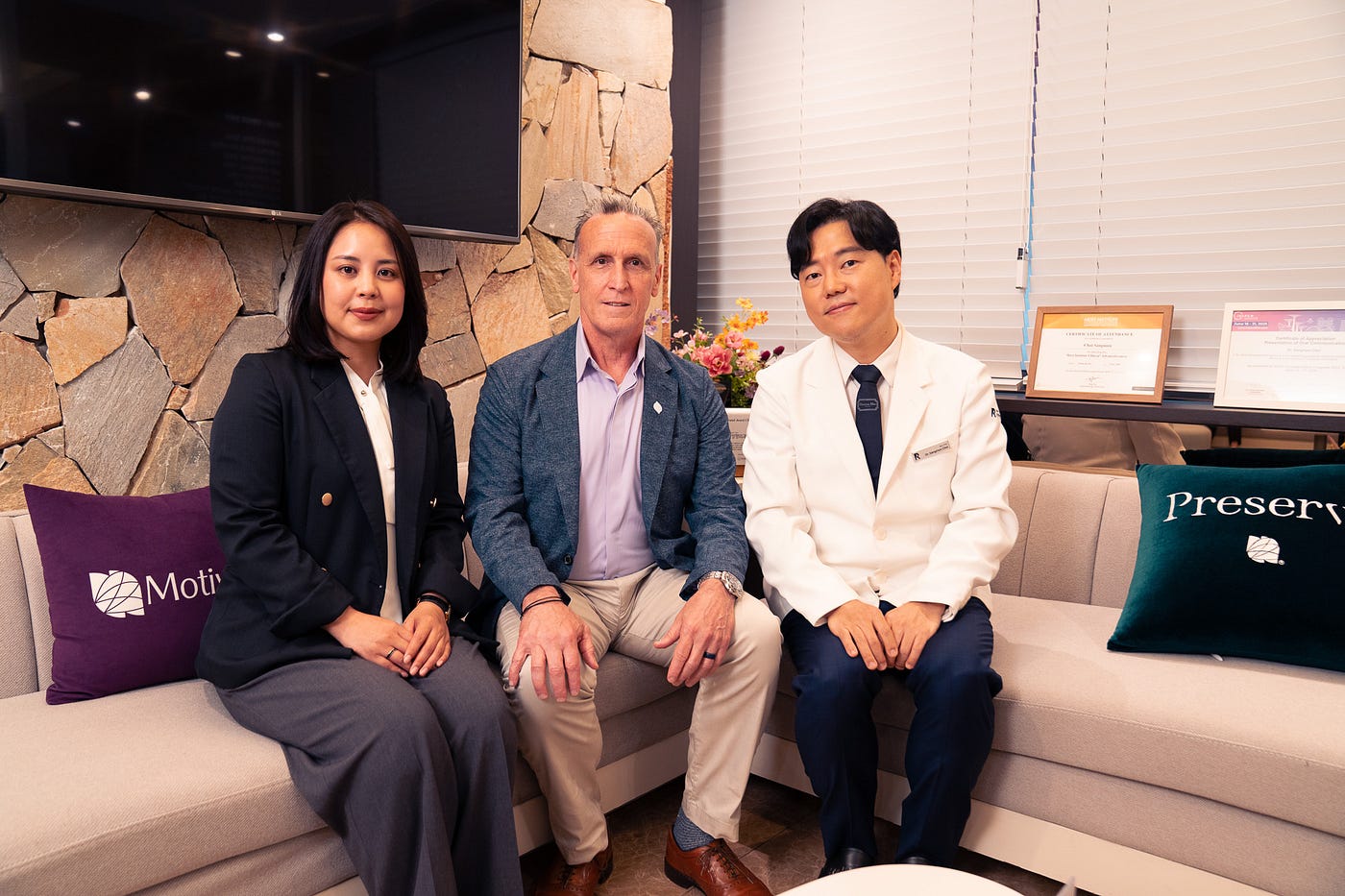
So I spent a recent evening in Seoul at a thing called the Motiva Preservé Roundtable. Honestly, I wasn’t sure what to expect — these industry events can go either way. But I came out with a few thoughts worth sharing, so here we go.
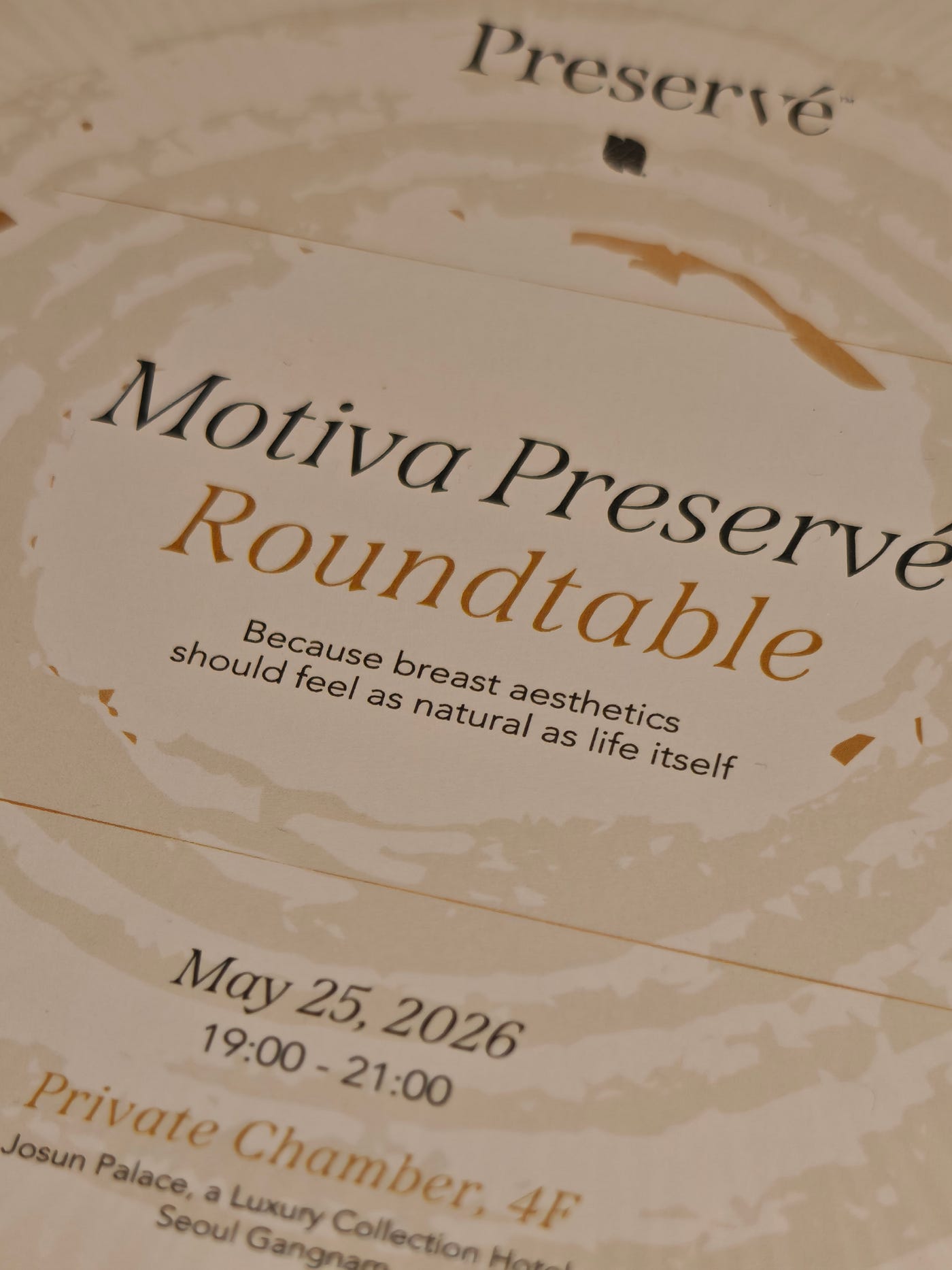
Quick context: I’m a breast surgeon based in Seoul, and this gathering wasn’t about one specific technique. It was more of a look-back-and-look-forward kind of night — where the Motiva brand has been since 2010, where it’s going, and one phrase that kept coming up: “women’s health.”
One line from the talks stuck with me: “To understand the future, you first need to look at the history.” Simple, but it framed the whole evening. The story they told wasn’t about chasing flashy novelty — it was about quietly pointing in the same direction for over a decade: less burden on the body, and the patient’s health at the center.
As for what’s next, two words came up again and again: minimally invasive, and tissue preservation. The gist is preserving as much of a patient’s own tissue as possible — which honestly mirrors where medicine has been heading for years (think open surgery shifting toward laparoscopy). And to be clear, it’s not a “this method beats that method” story. It’s more that the menu of options keeps getting wider, and the right choice depends on the person.
But the part I keep coming back to is the “women’s health” thread. One sentence basically summed up their stance: even if there’s an opportunity in the market, they won’t chase it at the expense of women’s health. They mentioned things like Pink October (breast cancer awareness every October) and a reconstruction network that brings care to regions where it’s hard to get.
And here’s the one thing I’d genuinely want anyone reading to take away: getting an implant does not mean you’re “done.” Regular screening appropriate to your age and risk still matters — implant or not. If you do have one, talk to your doctor ahead of time about how screening should work. Any breast surgery can come with side effects and the possibility of reoperation. The real takeaway of “women’s health,” for me, is that watching over your own body afterward is part of the deal.
What I walked away with: this field is increasingly asking not just “how large,” but “how healthily can a woman live the years ahead.” That’s a shift I’m glad to see. Thanks for reading.
(Quick note: this is general information from an event I attended, not medical advice or a recommendation of any product. Approval status varies by country, and whether a procedure suits you should always be decided with a specialist in person.)
—
Sangmun Choi, MD — Board-certified plastic surgeon
Ryan Plastic Surgery Clinic, Korea
메타데이터
- post_id
- c9c29d2e0faf
- slug
- what-a-roundtable-in-seoul-taught-me-about-womens-health-c9c29d2e0faf
- url
- https://medium.com/@breastsurgerykorea/what-a-roundtable-in-seoul-taught-me-about-womens-health-c9c29d2e0faf
- canonical_url
- https://medium.com/@breastsurgerykorea/what-a-roundtable-in-seoul-taught-me-about-womens-health-c9c29d2e0faf
- author_url
- https://medium.com/@breastsurgerykorea
- status
- ok
- fetched_at
- 2026-07-12 00:48:14