Restoring Mobility With Medical Rehabilitation Physiotherapy In Toronto
Tendon injuries are a common concern for athletes, active individuals, and even those with physically demanding daily routines. Tendons are…
Restoring Mobility With Medical Rehabilitation Physiotherapy In Toronto
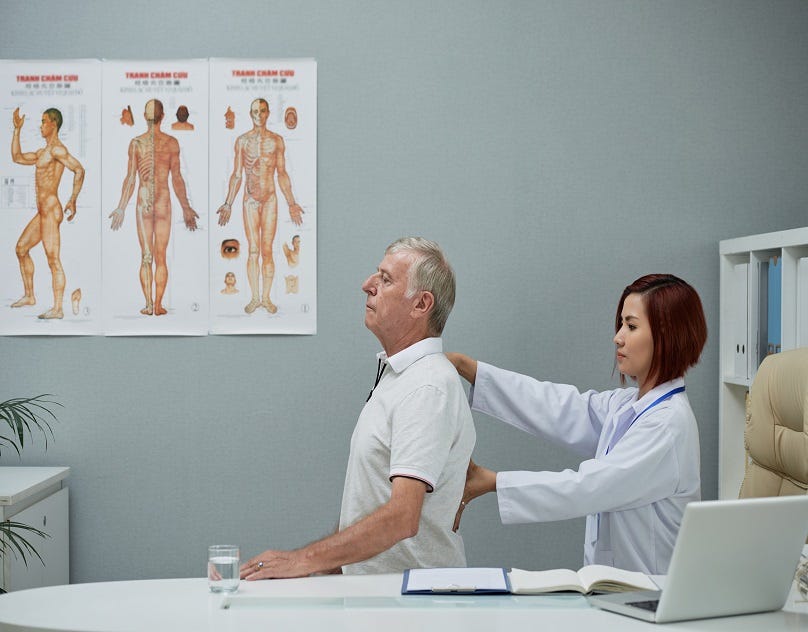
Tendon injuries are a common concern for athletes, active individuals, and even those with physically demanding daily routines. Tendons are the strong connective tissues that link muscles to bones and allow the body to perform movements such as walking, lifting, and bending. When these tissues become inflamed or damaged due to overuse, sudden strain, or repetitive motion, the condition is often referred to as tendinopathy. Pain, stiffness, and weakness around the affected area are typical symptoms that can gradually interfere with everyday activities. Early treatment plays a crucial role in preventing long-term complications, which is why many patients begin their recovery journey through **Medical Rehabilitation Physiotherapy In Toronto**, where professionals develop structured treatment plans designed to restore movement and reduce discomfort.

Causes and Risk Factors Behind Tendon Problems
Tendon problems usually develop over time due to repeated stress placed on specific muscle groups. Activities that involve repetitive movements, such as running, lifting, or working long hours in the same posture, can gradually strain tendons. Poor biomechanics, lack of flexibility, and weak surrounding muscles can further increase the likelihood of injury. Age also plays a role, as tendons lose some of their elasticity over time, making them more susceptible to small tears and inflammation. Recognizing these risk factors helps physiotherapists identify the underlying causes of tendinopathy and create rehabilitation strategies that address both the injury and the contributing lifestyle habits.
Symptoms That Should Not Be Ignored
The early stages of tendinopathy often begin with mild discomfort or tenderness around a joint or muscle. Individuals may notice stiffness during the morning or after periods of inactivity. As the condition progresses, pain may increase during movement or physical activity, making simple tasks more challenging. Swelling and reduced strength can also occur in the affected area. Ignoring these symptoms may lead to chronic pain and longer recovery times. Seeking professional care early allows therapists to manage the condition before it worsens, ensuring a smoother and more efficient healing process.
Physiotherapy Techniques That Support Tendon Recovery
Physiotherapy focuses on restoring healthy movement patterns and improving the strength of affected tendons. Therapists typically use a combination of manual therapy, targeted stretching, and strengthening exercises to improve blood circulation and reduce stiffness. Improved circulation helps deliver oxygen and nutrients to the injured tissues, supporting the body’s natural healing process. Rehabilitation programs are designed to gradually increase tendon tolerance to movement without causing additional strain. By carefully monitoring progress, physiotherapists help patients rebuild strength safely while reducing inflammation and discomfort.
Rehabilitation of Tendon Injuries and Tendinopathy
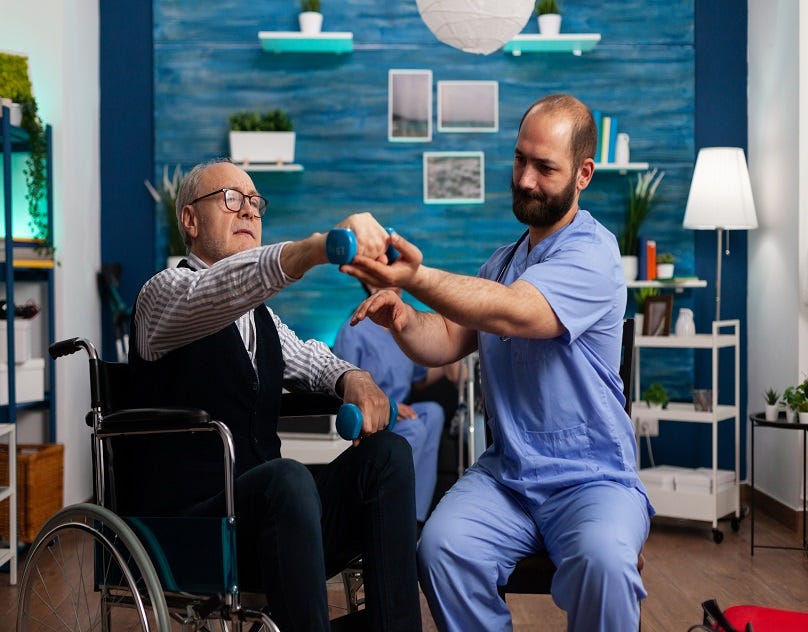
The **Rehabilitation of Tendon Injuries and Tendinopathy** involves a structured and progressive recovery plan tailored to each patient’s condition. During the early stage of rehabilitation, treatment focuses on reducing inflammation and protecting the injured tendon from excessive stress. As the healing process begins, controlled exercises are introduced to strengthen the tendon and restore flexibility. One commonly used method is eccentric training, which involves lengthening the muscle while it is under tension. This approach helps improve tendon durability and encourages the development of stronger connective tissues. Over time, rehabilitation programs incorporate functional exercises that mimic everyday movements, allowing patients to safely regain their normal activity levels.
Strengthening the Muscles Around the Tendon
Building strength in the surrounding muscles is essential for long-term tendon health. When muscles around a joint are weak, the tendon is forced to absorb greater mechanical stress. Strengthening exercises help distribute the workload more evenly across the musculoskeletal system, reducing strain on vulnerable areas. Physiotherapists often combine resistance training with flexibility exercises to improve joint stability and mobility. This balanced approach allows individuals to move more efficiently while minimizing the risk of future injuries.
Preventive Care for Long-Term Recovery
Recovery from tendon injuries does not end when pain disappears. Preventive care is necessary to maintain the progress achieved during rehabilitation. Patients are encouraged to adopt proper warm-up routines, stretching practices, and gradual training progression to avoid sudden strain on tendons. Small adjustments in posture and movement habits can also reduce unnecessary stress on muscles and joints. By maintaining these healthy habits, individuals can protect their tendons and continue enjoying an active lifestyle without recurring discomfort.
Convenient Access to Continued Rehabilitation
Modern physiotherapy services now provide flexible recovery options that extend beyond traditional clinic visits. Through **Rehabilitation Therapy Online In Finch**, patients can continue their rehabilitation programs from home while staying connected with their physiotherapists. Online sessions allow therapists to guide exercises, monitor technique, and adjust treatment plans based on progress. This digital approach ensures consistent care for individuals who may have busy schedules or limited access to in-person appointments. Virtual rehabilitation also encourages patients to stay committed to their therapy routine, which is essential for achieving lasting results.
Conclusion
Tendon injuries and tendinopathy can significantly affect mobility and daily comfort, but the right rehabilitation strategy can restore both strength and flexibility. Physiotherapy provides a comprehensive approach that addresses the root causes of tendon damage while promoting gradual and sustainable recovery. Through structured therapy programs, lifestyle adjustments, and modern rehabilitation options, patients can regain confidence in their movements. With professional guidance and dedication to recovery, individuals can overcome tendon-related challenges and maintain long-term musculoskeletal health.
메타데이터
- post_id
- c9d48cda7f82
- slug
- restoring-mobility-with-medical-rehabilitation-physiotherapy-in-toronto-c9d48cda7f82
- url
- https://medium.com/@thephysioapproach/restoring-mobility-with-medical-rehabilitation-physiotherapy-in-toronto-c9d48cda7f82
- canonical_url
- https://medium.com/@thephysioapproach/restoring-mobility-with-medical-rehabilitation-physiotherapy-in-toronto-c9d48cda7f82
- author_url
- https://medium.com/@thephysioapproach
- status
- ok
- fetched_at
- 2026-06-20 20:29:01